

Table of Contents |
Undeniably, the use of solar energy is attracting more attention. With the importance of renewable energy gaining more popularity, individuals and institutions are investing in processes that help to convert solar energy to electric current for use in different applications.
It is because of this that there is continuous action on how to harness solar energy to electric energy. This is what brings silicon PV module and cells to the forefront. Understanding the major features of this energy source and production is vital. In this article, we will delve into the features of standard PV modules and cells.
What Is Silicon Module?
A silicon module refers to the silicon-based components used in the production of electric current from available solar energy.
Why is Silicon Used in Solar PV?
There are reasons why silicon is a preferred material in solar PV. One of the major factors for silicon usage in solar PV is that it is energy efficient. Silicon has the ability to convert the sunlight it receives into electricity.
Research shows that it can transform up to 20% of the sunlight exposed to it into electricity energy. Though there are other materials that help to produce energy, silicon has proven to be an energy efficient material with high reliability.
Another significant factor with silicon use in solar PV is that it has the capacity to increase its effectiveness. Once mixed with impurities, silicon improves its ability to receive and change solar energy to a source of electricity. A good example of the impurities used with silicon to create more efficiency is gallium.
Another factor is that it is a lightweight material. It has a low weight volume ratio, which is a great choice for solar PV. This means that it is a feasible substrate where silicon solar cells can be deposited.
Moreover, it is a stable material, which gives it an extended life span. Of great importance still, silicon isn’t hazardous like other elements. The decision to use it in solar PV has to do with its minimal impact on the environment.
How Does a Silicon Photovoltaic Cell Work?
It is important to understand about photovoltaic modules. Essentially, silicon photovoltaic cell comprises of a semiconductor material that captures the photons released by the sun and, thus facilitates the movement of electrons. In order to produce electricity, the electrons should move in the same way.
This is possible through the use of 2 silicon types. The silicon part direct to the sun is mixed with phosphorus atoms that contains an electron more than silicon. The other layer is mixed with boron atoms that has an electron less than silicon.
The result functions like a battery. The layer with the extra electrons acts as the negative terminal while the part with lesser electrons acts as the positive terminal. The 2 layers build up a junction that develops an electric field. The processes that ensue help to create electric energy.
Which Types of Silicon Are Suitable For Solar Cell Production?
Single crystalline
This silicon comes from a single crystal. This type of silicon contains a black color in the cells. The crystal has a pattern of a pyramid. This makes it possible for the silicon PV cells to have an improved collection surface. This particular silicon can remain durable for a long time. Once it is appropriately treated and other materials added to it, it can stay up to 30 years in good functionality.
Additionally, it has the capacity to offer improved efficiency compared to other types of silicon for solar cell production. Moreover, it is worth noting that the space occupied by the single crystalline silicon is efficient compared to other types of silicon.
Multicrystalline
Multicrystalline silicon is a result of various techniques. One of the techniques used for obtaining multicrystalline silicon is directional solidification. In this process, there is the application of temperature gradient. This happens in the crystallization process. Another technique for obtaining silicon is through casting.
In this technique, the silicon comes to a melting point in a crucible and then transferred in a mold. The sheep preparation technique also applies in this type of silicon. Today, the multicrystalline silicon mostly used in solar cell production is from the directional solidification technique.
Polycrystalline
This comes PV cells extracted from multiple crystals of silicon. It is cheaper to produce this type of silicon compared to single crystalline silicon because the level of wastage is minimal.
Though the polycrystalline silicon contains similar properties to single crystalline silicon, it is less efficient in terms of changing solar energy to electric energy. Another difference with the monocrystalline silicon is that it is square in shape. Monocrystalline is octagon in shape.
Amorphous
The amorphous silicon is a popular one today because of the ability to produce in large quantities. The surface area of use isn’t a limitation, thus contributing to its mass production. The level of efficiency on amorphous silicon is low. As a result, it’s viable in small applications. A good example of the application of amorphous silicon is in pocket calculators.
CHINT PV Module Products
With the need for the development of new energy sources increasing rapidly, it is certain that solar energy is something that is capturing the attention of many. This calls for the usage of the right products to ensure that energy generation is efficient and valuable.
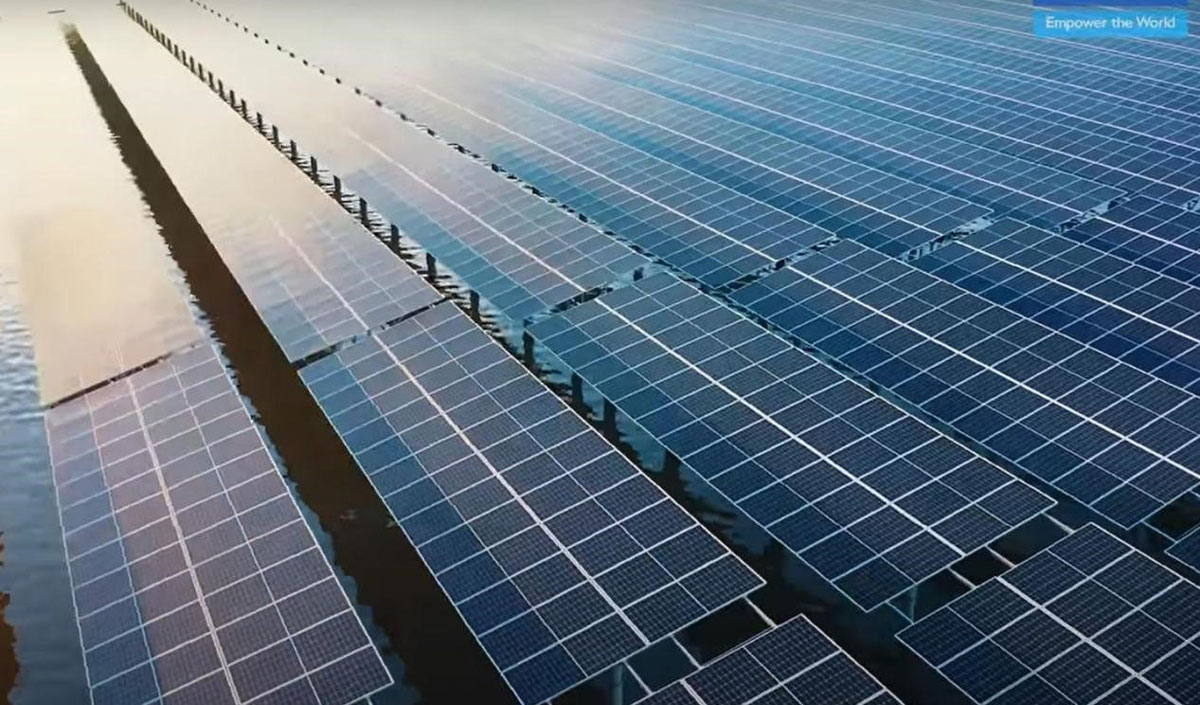
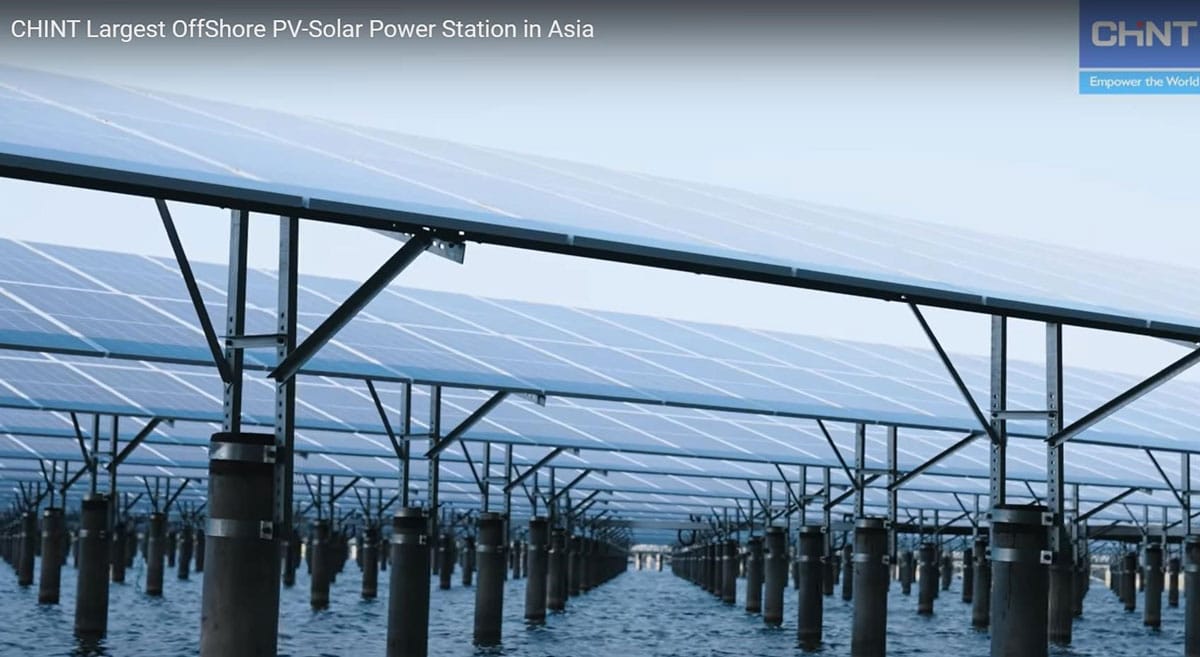
CHINT is a company that helps to achieve this objective. They have the solutions that companies and individuals need to have effective access to solar energy. There are quality PV module products to help with the production of reliable energy to homes and institutions.
Conclusion
Indeed, silicon PV modules are a major area when talking about the production of electric current from solar energy. The talk of photovoltaic modules and crystalline silicon PV module is significant for the growth of innovative solar energy production processes.
With the availability of different types of silicon solar PV module, there are options to choose from. Depending on the application that suits best, you can choose the PV module that produces quality outcomes. This is where CHINT comes in handy. Here, you can get the PV module products you need for efficient energy production.