

Table of Contents |
All electric motors need to have a starter to function. A soft starter is a specific type of starter that will help better control the power flow to an electric motor. This will significantly decrease the risk of overheating and excessive strain on any motor while naturally extending its lifespan.
Working Principle of Soft Starters
The basic principle behind a soft starter is that it allows a slow flow of current to an electric motor. It does this by reducing the torque to control one to three-phase motors. Each soft starter will also have thyristors and silicon-controlled rectifiers that work jointly to reduce the power flow to the motor.
Thyristors are fast-acting semiconductors that can control the motor’s power without changing its frequency. The silicon-controlled rectifiers, known as SCRs for short, have four terminals that allow for a solid-state controlling of the power current to the electric motor.
By slowly feeding power to an electric motor during startup in a linear fashion, a soft starter is a great asset to ensure that the motor does undergo excessive strain or overheating. Without this starter device, the motor could experience a sudden increase in voltage, resulting in a power burst that permanently damages the motor. Unfortunately, this particular situation could also lead to permanent damage to the equipment.
Soft starters are specifically constructed to allow users to control any electric motor’s starting and running process. This device has settings for both on and off statuses. During off status, it will stop the current flow to the motor completely.
This highly useful device will also allow users to input voltage parameters to ensure that the motor only receives up to a particular voltage threshold. This goes a long way in better protecting a motor from unwanted damage due to excessive current flow.
Applications of Soft Starter
Due to the working principle of a soft starter, it’s considered a very versatile device for a wide array of real-world applications. Soft starters are used on a plethora of equipment throughout numerous industries. Some of the most common industries where these starters are utilized include:
- Power
- Textile
- Cement
- Plastic
- Steel
- Rubber
- Water
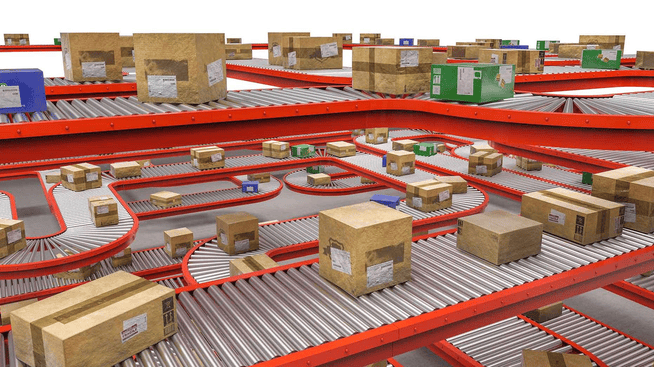
These starters are installed in fans, compressors, pumps, mixers, grinders, crushers, conveyors, among others. Anytime where the control of current flow to a sensitive electric motor is needed, a soft starter can be the perfect solution. You’ll also see this type of starter used in many machine tools to ensure optimal protection and performance of their internal motors.
Features of Soft Starters
All soft starters have two main components that allow them to function correctly. These include a power circuit and a control circuit. The power circuit is composed of back-to-back thyristors, known more commonly as a triac. This triac works to regulate the voltage flow that is circulated to the actual motor that it’s connected to.
On the other hand, the control circuit is responsible for controlling, monitoring, and protecting all of the components of the power supply circuit. These two components work seamlessly together to ensure optimal motor functioning.
As a pulse of energy is applied to the thyristors, it will be controlled and used to energize the electric motor. The particular angle of the pulse supplied by the triac will determine how much current can pass through to the motor.
As the soft starter starts the motor, the current flow through the triac will slowly be increased until it reaches the nominal point required. This protects the motor from an unexpected power burst that could potentially damage the equipment.

What are the Advantages of Soft Starter
Due to the nature of their design, soft starters can provide their owners with many advantages. One of the most imperative is its ability to provide smooth acceleration upon startup. For a motor to function properly, it needs to start up right.
Another great advantage of using this device is that it provides easy operation. Once a soft starter is installed on the motor of your choice, you don’t have to worry about it anymore. Chint Global offers a wide range of soft starters to fit many motor applications. Once you pick the right starter and install it, it will be smooth sailing.
With a careful and steady startup process, this type of starter can drastically help increase the overall lifespan of the motor it controls. You won’t have to be concerned with unexpected power bursts or unwanted overheating of the motor, as the starter will ensure only an appropriate voltage is supplied for safe operation. Its smooth starting torque will also prevent unnecessarily rough jerking that could harm the useful lifespan of the motor’s mechanical components.
This type of starter is great for reducing energy consumption. Whenever the motor it’s controlling reaches full speed, the starter will reduce the load. This ensures optimal energy efficiency so that you only use the power your machine needs to function properly. Additionally, comparing this type of starter to similar industry options like VFDs, they’re much cheaper to purchase.
Conclusion
When protecting your equipment, its motor will be your utmost concern. Soft starters are a great investment to ensure your motors operate safely and last long. Be sure to explore Chint Global’s large array of both efficient and reliable soft starter products.
FAQ about Soft Starter
How does a soft starter differ from a VFD (Variable Frequency Drive)?