


Table of Contents |
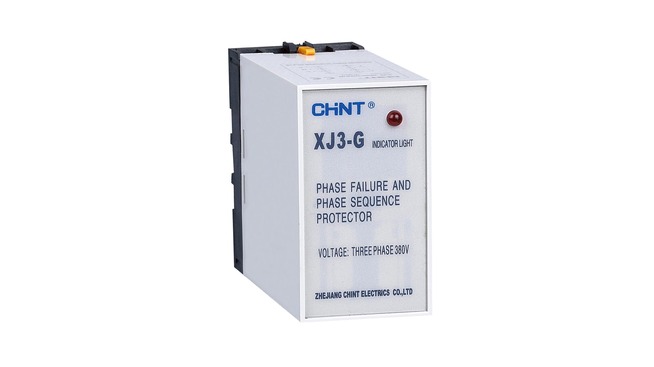
We all want a smooth functioning electrical system, whether it is our home, office, or any other location. An issue and an electrical fault may affect the components of an electrical system and other issues may also occur. The new CHINT protection relays are included in the three-way power supply electrical system so that any fault can be found out early and the normal functioning of the system is not hampered.
What Is a Protective Relay?
Protective relays were discovered more than 150 years ago. The switchgear is capable of detecting any fault in the electrical system. The relay can guide the circuit breaker so that any defective element is isolated in the system. A protective relay can be installed in the electrical system to keep track of the abnormal conditions in the circuits.
It can measure the electrical configuration and can find out whether the system has faulty or normal conditions. Some of the variables of an electric system may include frequency, voltage, current, impedance, and phase angles. When a variable changes in its measurement, the signal of a fault is sent to the protective relays along with its location and type.
Once a protection relay detects a fault, it will operate automatically and will close down the breaker’s trip circuit. This way the faulty circuit will be disconnected from the system and the circuit breaker will be open.
Types of Protection Relays
There are different kinds of protection relays available. The important and most common types of protection relays include:
Overcurrent Relays
The overcurrent relays may get actuated through the current. The relay has a pick-up value and may start to operate when the current measurement and quantity exceed that value. The two types of relays commonly available in the market may include the time relay and the instantaneous relay types.
Most often, the relay system may contain both of these relays. One drawback of an overcurrent relay can be that it may also pick the current fluctuations and the faults in the adjacent zones.
Electromechanical relays
The electromagnetic relays are the earliest created relays that are still in use today in many places. An electromechanical protective relay can typically manage a maximum of two performance parameters or protective functions. The more complex varieties of the electromechanical relays (that may function based on the changes in electric electromagnetic forces) may be available as well.
Directional relays
The directional relays may be activated by the current flowing in the opposite directions. It may detect a difference between the reference current and the actuating current. The phase angle of difference is also known as polarizing quantity. The directional relay may be used in combination with some other relay so that the selectivity and the capability of the protective relay system improve.

Differential Relays
A differential protective relay may work by comparing the difference between the “entering” and the “leaving” current magnitude and values. The system may be isolated and the breaker circuit is activated in case the difference is more than the pickup value.
Distance Relays
A distance relay may work by calculating the difference between the impedance of the system and the current difference between the faulty location and the installation location. It may respond to the changes in the ratio of voltages and currents. The relay is often used in the protection of the transmission lines.
Pilot Relays
The pilot relay can be used for determining whether a fault is inside or outside the protected line. The pilot or the communication channel of the system can relay the information between the terminals. The next action of the system may differ depending on the location of the issue. The circuit breaker of the system will get blocked or prevented when the fault lies outside the protected line. When the issue is inside the protected line (or internal to the system), the circuit breaker is tripped.
What Is a Protection Relay Used for?
As stated earlier, the power system protection relays may protect an electrical system from faulty issues. The system can detect and locate the defective issues and the electrical lines , and can also automatically initiate the protective measures and the actions of the control circuit.
Nowadays protective relays may consist of several different relays combined. These relays may have different kinds of actuators as well and may control different aspects of the system. The relay of a system may respond to certain specified inputs, and a combination deals with many different kinds of issues and conditions.

How Do Protection Relays Work?
Different types of relays may have their specific actuating systems. They may function based on differences in impedance, voltage, current, and other aspects and parameters of an electrical system. A protection relay mainly works as a sensor. It may find out the fault location and then signal the operation of the circuit breaker.
The circuit breaker cuts off the faulty system from the rest of the system and the continuity of the electrical supply is not hampered. The faulty times are also reduced, which ensures that the system can work smoothly again in the least time.
The new combination protection relays that may include many different sensors and the protective relay varieties may sense a variety of faults and issues. No wonder these are the most common systems employed today in a variety of scenarios!
Conclusion
A fault and undesirable change in variables including voltage and current among others may lead to the breakdown of the electrical system and other kinds of problems and issues.
Protective relays ensure that such interferences and damages are prevented and the faulty circuit component and the system are entirely isolated from the main system. The relay can minimize any damage to the electrical components and equipment in cases of electrical failure.
When you want a smooth and hassle-free electrical service and consumption experience, you should ensure that the electrical system carries and includes the protective relays.