

Table of Contents |
Portable power stations and generators serve similar purposes – they provide electricity when and where you need it the most. They can serve as an energy supply or backup energy source when your primary electrical source isn’t working.
When it comes to portable power station vs generator, there are some significant differences between the two. Read on to learn about the differences, advantages and disadvantages when choosing which system best fits your needs.
Portable Power Stations vs. Generators: Capabilities and Limitations
A portable power station contains a rechargeable battery and is sometimes recharged through solar panels. A generator runs on fuel to produce electricity. Beyond their purpose, the two are quite different. When comparing the two, it’s important to consider factors like energy generation, cost, maintenance, and portability.
Energy Generation
In almost all cases, generators will have higher energy generation capabilities than portable power stations. Portable power stations store energy in a battery, while generators use mechanical energy to create electricity. Generators can supply power to devices and larger appliances.
They have an average output of 4,000 to 12,000 watts per hour. A portable power station works with devices like laptops, phones, and smaller appliances. Their energy output is between 250 to 3,000 watts per hour.
As the batteries drain, a portable power station must be recharged. If it doesn’t contain solar panels, you’ll need access to another power source to recharge it. You will also need to wait while it recharges.
While generators consume fuel, you can add more and do not need access to a power source. You can run them continuously and use them longer when away from other electricity sources.
Cost
Both portable power stations and portable generators can be costly. The cost of a portable generator can vary widely. Ones with a lower power output are relatively affordable, while some of the larger ones can cost thousands of dollars.
Portable power stations also range in price, but with a solar-powered or rechargeable model, the cost may be offset some, as you won’t have to buy fuel.
Maintenance
Portable power stations require very little maintenance. You may need to replace the battery occasionally but not so often. You’ll also need to wipe it down to free it from dust, dirt and debris.
Generators require more maintenance. In addition to keep it clean, you’ll need to change the oil, add fuel, and change the filter. You’ll need to do these tasks regularly.
Portability
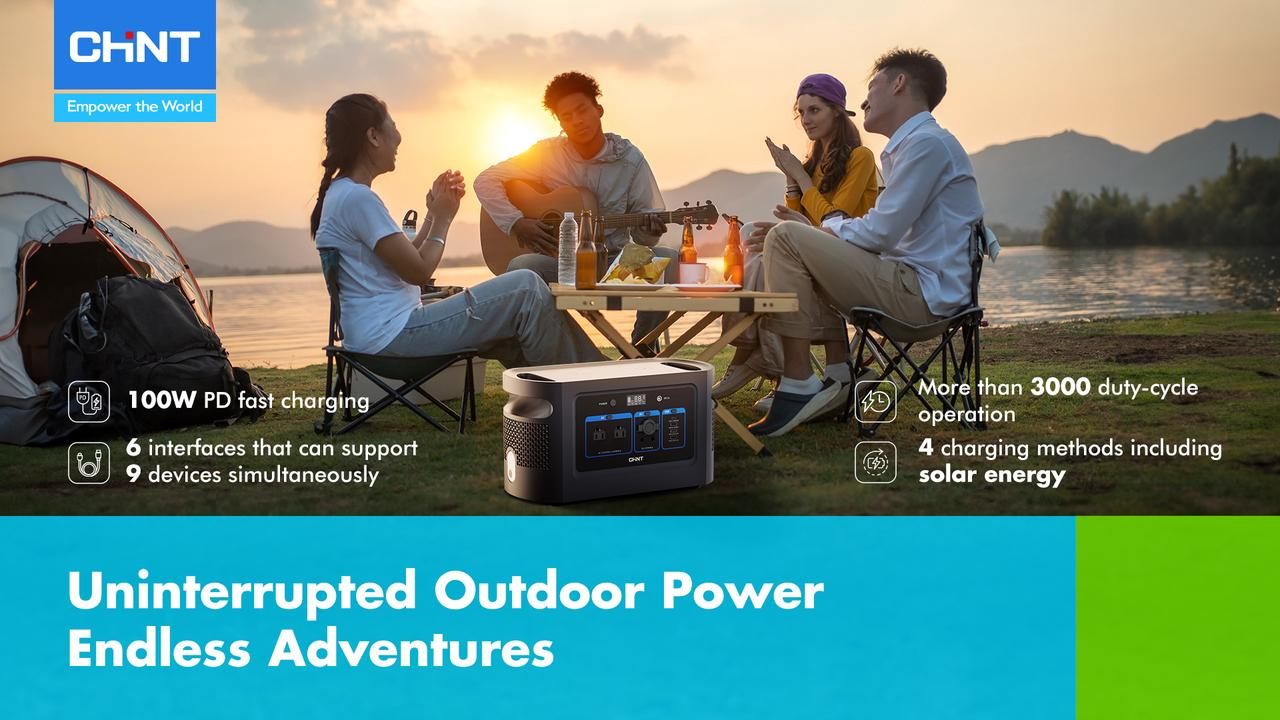
Since portable power stations run on batteries and have a lower power output, they tend to be smaller than generators. Some portable power stations are small enough for you to take on a hiking or camping trip.
Generator sizes vary. Ones with a lower power output are smaller and may be relatively easy to move. Larger ones, like those designed to power an RV or a house, are much larger and may be more challenging to move. Many portable power stations and generators are equipped with wheels to make them more mobile.
Which One is Right for You?
When it comes to portable power stations vs generators, one isn’t necessarily better than the other. While both provide power, they serve different situations. The most important thing is to choose the one that best fits your situation.
When to Use Portable Power Stations
Portable power stations can fit a variety of situations. They are great for camping, hiking, and trips to the beach. A portable power station is also helpful if you frequently experience brief power outages due to weather. It can keep essential devices like smartphones and laptops charged.
Portable power stations work best when you don’t need large power output. They cannot power large appliances but work well with lighter loads.
Portable power stations do have to be charged, but most can last for quite a while. Solar-powered power stations work best when you don’t have access to an outlet for charging.
There are many budget-friendly options for portable power stations. If you don’t need a higher wattage, you should be able to find one that will fit your budget and will be small enough for you to take wherever you go. Portable power stations are also suitable for people who want to avoid fuss with regular maintenance or lack technical know-how.
Finally, portable power stations are safer and quieter than generators. Due to fumes, generators must be used outside. Many generators are loud enough to be heard inside your home or RV, even when running outside.
You may be interested in this blogpost
How to Choose a Portable Power Station
● When to Use Generators
Generators are helpful when you need a larger power output. For example, if you enjoy boondocking in your RV or if you have frequent extended power outages at your home, a portable generator is likely the best option. You’ll be able to power larger appliances while keeping devices like smartphones charged.
If you need continuous power, a generator will run continuously if you keep filling it with fuel. You will not have to wait for it to charge. This may be a deciding factor if you have medical equipment that always has to be on.
Conclusion
The choice between a portable power station or a generator comes down to what you need. If you need something portable with low power output, go with a portable power station. On the other hand, a generator is the best choice if you need a higher output with continuous power.
Chint Global offers a variety of quality products, including a range of portable power stations and solar power options to ensure that you have electricity when you need it. Contact us today to learn more.