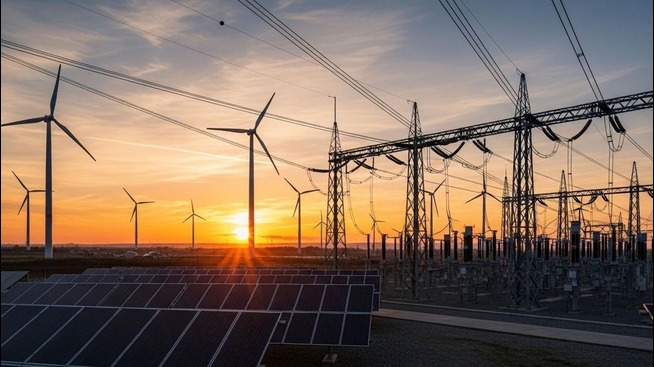


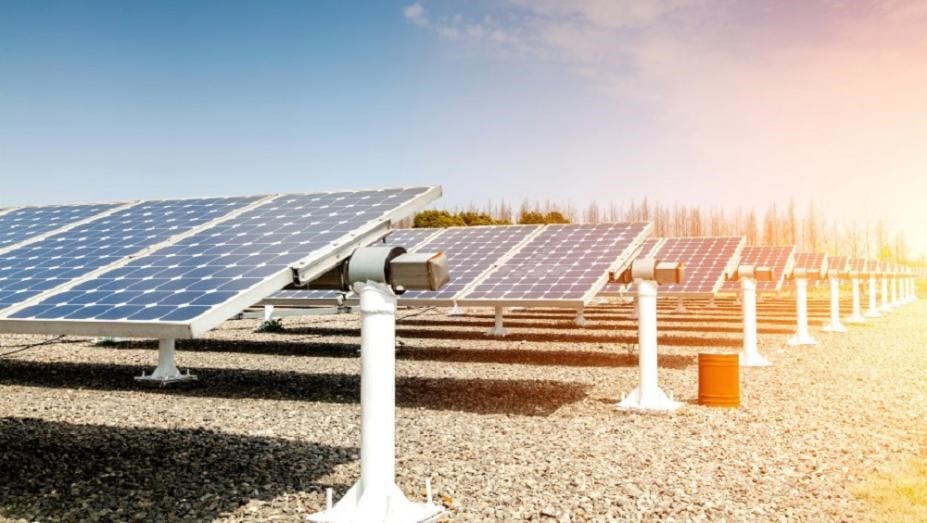
There are two main sources of energy today, renewable and non-renewable energy. The common one used to generate energy for industrial and residential consumption is the non-renewable sources. They include coal, oil, and natural gas. Renewable energy sources include carbon-neutral sources such as rain, waves, tides, geothermal heat, wind, and sunlight.
In this article, we are going to discuss new energy and its future.
What Is New Energy?
New energy or renewable energy is the energy obtained from renewable resources that refill over time. Energy obtained from these renewable resources is useful in many crucial areas such as water and air heating/cooling, electricity generation, off-grid (rural) energy services, and transportation.
In the near future, due to the high demand for renewable energy as a means to curb global warming, the new energy industry is set to experience heavy growth. A report conducted by the International Energy Agency shows that there will be increased use of energy obtained from wind, hydropower, and sunlight.
There will also be a rise in the use of wind energy and geothermal energy. Solar energy is expected to become cheaper, and the consumption of hydroelectric power is expected to rise.
The Importance of New Energy
Many benefits come along with the use of renewable energy. They include the benefits of solar, wind, biomass, hydroelectric, and geothermal energy.
Reduced Global Warming
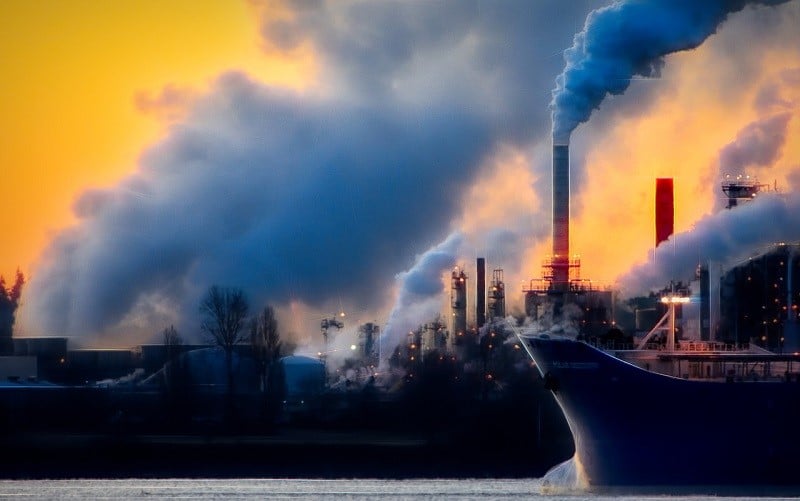
Global warming emissions such as carbon dioxide are continually being released into the atmosphere every day due to human activities. These harmful emissions behave like a blanket, thus trapping heat. Global warming results in some dangerous impacts like sea-level rise, extinction in severe cases, drought, and stronger and more frequent storms.
The majority of the harmful emissions come from non-renewable sources such as fossil fuels like natural gas and coal. However, renewable energy produces very little or no amount at all of these harmful emissions. Even when considering the emissions from these renewable energy sources’ life cycles, it causes little or no global warming.
Therefore, an increase in the amount of clean energy used will lead to a decrease in energy use from non-renewable sources. It will have a huge impact on decreasing the number of harmful emissions in the atmosphere, thus significantly reducing global warming.
Improved Public Health
Energy obtained from non-renewable sources has associated with water and air pollution. The pollution is associated with health conditions like neurological damage, cancer, premature death, heart attacks, and breathing problems.
However, since energy from renewable sources has little or no associated pollution, the chances of these health conditions are highly minimized; thus, there will be a significant improvement in public health.
Creation of Job Opportunities
Many people are employed in the renewable energy industry, and an increase in renewable energy production would create a demand for workers, thus creating employment opportunities for the general public in the process.
Prevents Power Shortages
Renewable energy is a great back up to the traditional energy, and it ensures that a country does not run short of power for commercial and residential consumption.
CHINT New Energy Products
CHINT is a leading producer of new energy products. Their product categories include the Photovoltaic module (PV module), the Photovoltaic inverter (PV Inverter), and many monitoring systems and system products.
PV Module
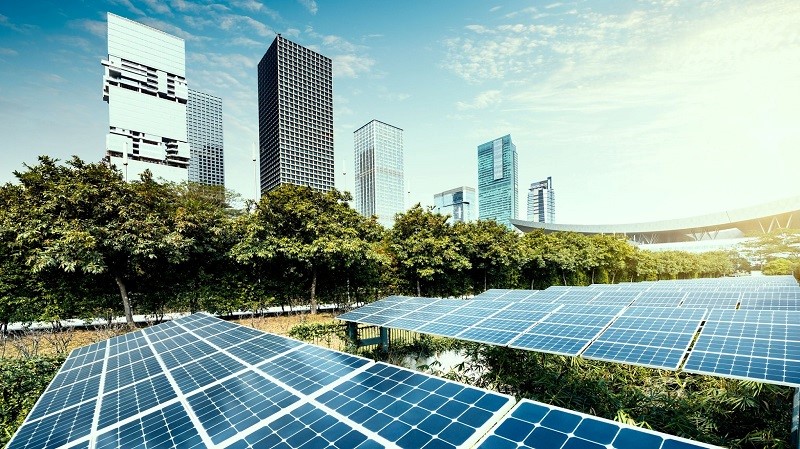
As an emerging power resource, photovoltaic power has dramatically become more affordable, establishing itself as a more reliable power source than utilities. It promises a clean and brighter future for future generations.
A PV module constitutes many photovoltaic cells wired in series to produce a higher voltage and in parallel to increase the current produced. In large power production, the industry standard is 36 cell modules.
On the module’s front surface, transparent material or tempered glass encapsulates it, and on the back surface, there is a waterproof protective material. An aluminum frame holds all things collectively in a mountable unit, and its edges have a sealing material for weatherproofing. The module’s back has wire leads or a junction box whose role is to provide electrical connections.
PV Inverter
A photovoltaic inverter is the backbone of all photovoltaic plant. It monitors and controls the whole plant and converts the DC of the photovoltaic modules into AC that is grid-compliant, feeding it into the public grid.
The PV inverter has many tasks, such as:
- Optimizing power to ensure the PV modules produce the maximum power in every situation;
- Low-loss conversion to ensure that it is highly efficient and that it has a high conversion percentage.
- To monitor the energy yielded and signal problem if there are any.
- It provides a communication interface that allows the user to effectively control and monitor all operational data, parameters, and yields.
- It manages the temperature in the system to ensure maximum conversion.
Monitoring System
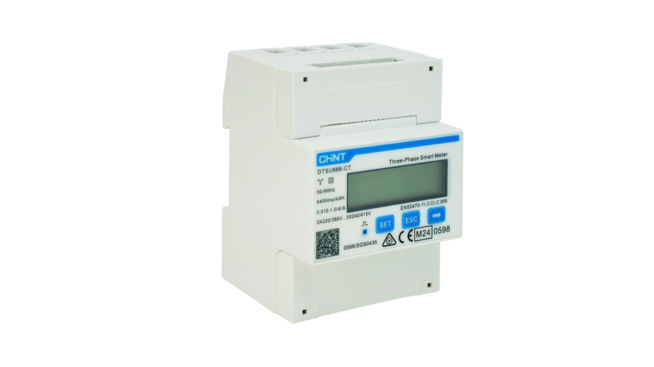
A photovoltaic monitoring system is designed to collect and analyze the parameter numbers that a photovoltaic plant uses to measure and assess its performance. It is essential to have an effective photovoltaic monitoring system to have a stable operation and be reliable.
In addition to this, an effective monitoring system helps keep track of the various electrical fault occurrences and generation indices.
System Products
Photovoltaic system products are the major components that are necessary for the operation of your photovoltaic system. They include the photovoltaic inverter, cabling, mounting, charge regulator, photovoltaic generator, battery system, among others.
The Future of New Energy
Every society must prepare their future, more so the future of their renewable energy resources. Renewable energy stakeholders in the future will strive to:
- Use 100% renewable energy throughout by ensuring they purchase enough renewable energy for their consumption
- When procuring renewable in the future, social justice will be a crucial factor to consider.
- As a result of supply chain programs, many companies and corporations will reduce Scope 3 emissions.
- Innovation will significantly improve due to companies will be compelled to improve the renewable energy industry.
There is no denying that renewable energy is a reliable and stable source of energy and that it is good for the climate and environment in general. It is a very important part of the energy system, and we must intensify and promote the use of renewable energy for a better future for future generations. The renewable energy market will also experience high growth in the coming years.
CHINT New Energy has made it their mission to produce superior photovoltaic products. Purchase our products today and help create a better tomorrow for future generations.