

Table of Contents |
The primary means of controlling power and motor circuits in commercial and industrial settings has always been a modular contactor. These mechanical connectors are typically mounted on walls and can hugely range in size and capacity. Modular contactors are indispensable devices in an industrial environment, used primarily for remote switching of loads, thus offering automated control of electric circuits and devices in different building structures.
What is a Modular Contactor?
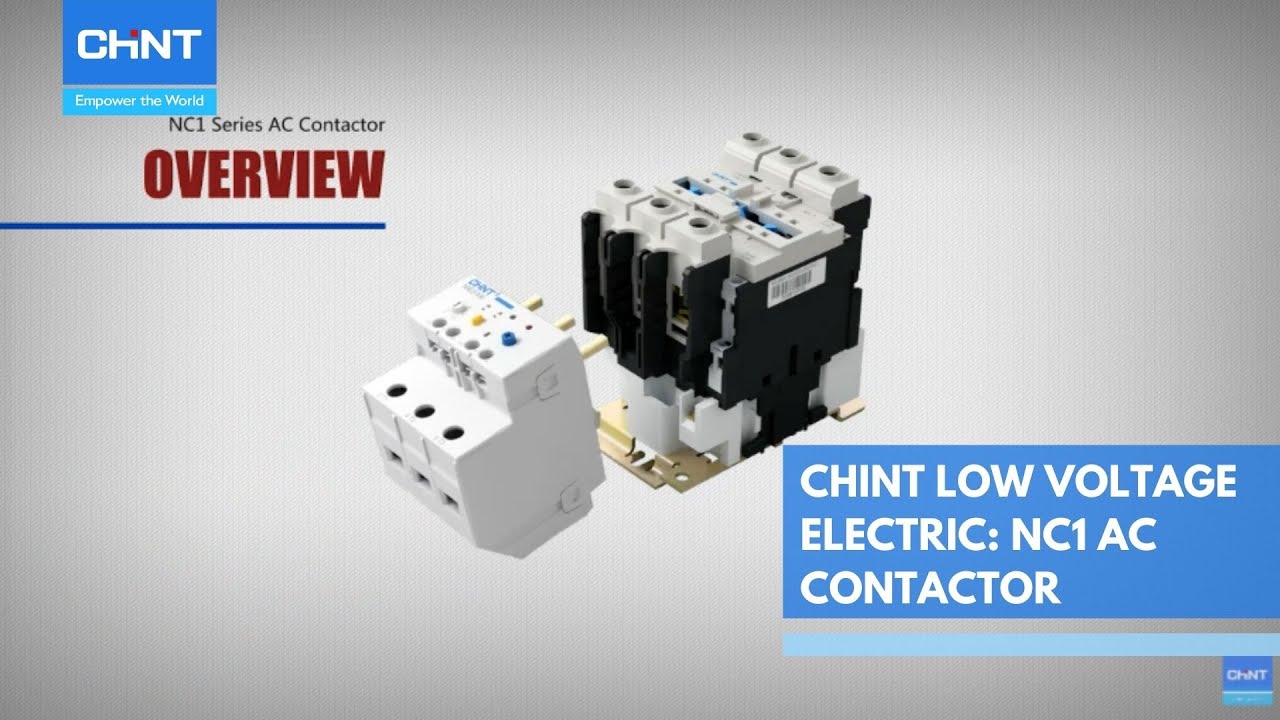
Modular contactors are electrically-controlled devices whose function is to make or break the connection between the power supply and the load. They are primarily used to automate processes in buildings and facilities, and they work as switching devices. A typical contactor includes one to four poles of other contacts, as well as AC and DC networks.
Definition
A modular contactor is an electromagnetic device used to turn current on and off in any electrical circuit. Since it is electromagnetic, the force for opening or closing contacts is solely created by an electromagnet. The contactor is typically powered at a lower level than the circuit and it is a device that has become extremely popular in various automation systems.
Working Principle
Every modular contactor features three basic components responsible for its working principle: the coil, the contacts, and the enclosure. When the coil of the contactor gets energized, the main contacts of the device change position, allowing the electric current to be transmitted to the load. When the coil becomes de-energized, the magnetic force turns to zero.
Function
Modular contactors are primarily used in high-power applications. When they are part of a high-powered lighting control system, they are arranged in a latching configuration that involves two coils working in tandem. The working principle resembles that of a latching relay and it’s particularly common in industrial lighting setups.
Related Article: The Different Types of Contactors and How They Work
Advantages of Using a Modular Contactor
- It offers a hum-free operation. Most modular contactors do not produce any humming noise. Thus, they offer quiet performance. That is important where quietness is needed, including in the industrial environment.
- Easy-to-install. A contactor modular is generally easy to install and can be quickly retrofitted.
- Variety of operating modes. Modular contactors have different operating modes, like a temporary ON mode, a shutdown mode, or an autonomous option.
- AC or DC supply. Many advanced modular contactors can be supplied with AC and DC networks.
- Compact structure. Modular contactors do not take up much space, are compact, and are easy to move around.
- Energy-efficient. Almost all modern modular contactors are energy-efficient solutions that dissipate less heat.
- Variety of applications. A great benefit of these electromagnetic devices is that they can be used in different commercial and industrial applications. Some of the most common examples include air conditioning systems, DC motors, standby power switches, and pumps.
How to Choose the Right Modular Contactor
Choosing the best modular contactor can be overwhelming since there are several important parameters, features, and specifications to consider. The switch and coil ratings are two of the most important things to consider. Several electrical ratings will be given to contactors depending on the intended use.
Therefore, inductive load ratings are mostly standard for conductors specific to motors or transformers, whereas resistive ratings are mostly related to contactors used in lighting control appliances. Another thing to remember is that the modular contactor coil voltage is not always identical to the load voltage. The most popular coil voltages are the following: 12,24,28,23o, or 400V.
Other important parameters to consider when choosing the right modular contactor are its electrical and mechanical durability and the rated working current. Different brands offer different contactors featuring a variety of specs.
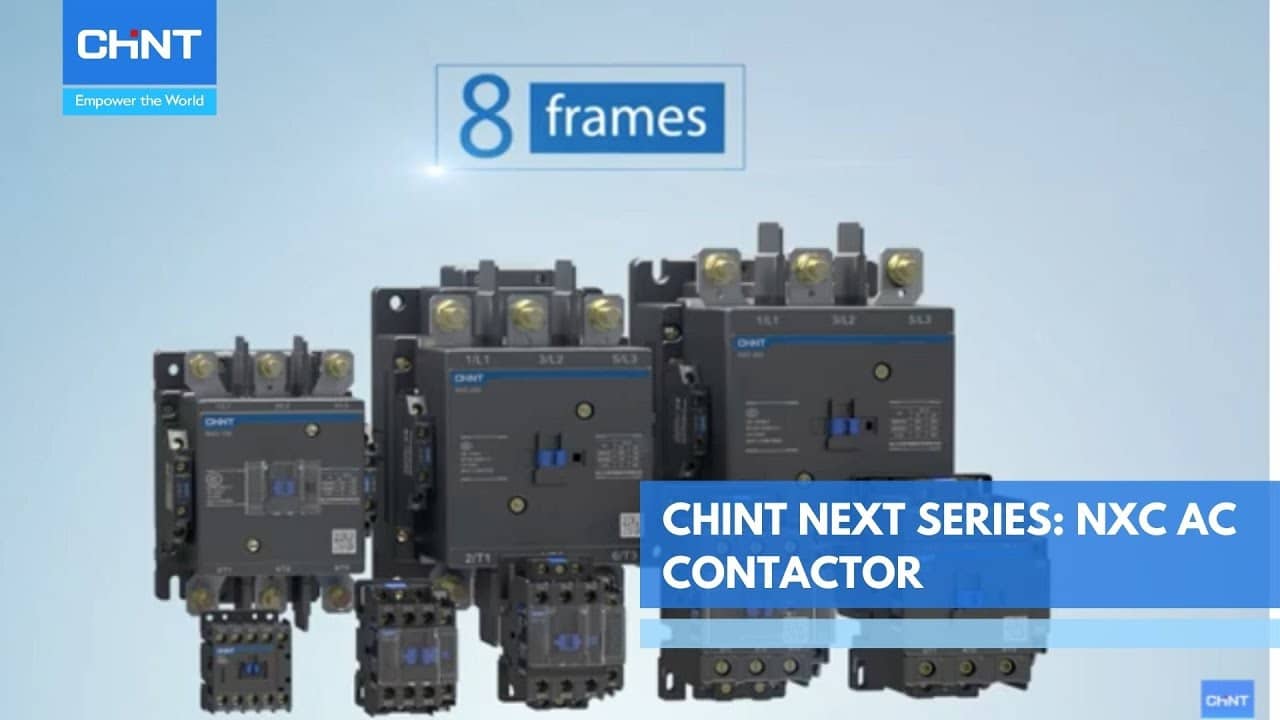
Among the most popular and trustworthy companies is Chint Global. We offer customers a wide range of modular contactors, with specific features that make them ideal for industrial use, apart from commercial. All our products are made of high-quality materials that guarantee long-term performance without frequent maintenance.
Our contactors can also be used in power systems with AC 50Hz/60Hz, and reach an electric rating of 400V. The number of poles can vary and most contactors support N/O and N/C contact states. Our modular contactors are in full compliance with relative IEC standards. This means that they meet all the necessary requirements. Different circuit combinations can be assembled to match industrial needs.
Where to Use Contactor Modular in Your Projects
Modular contactors are used in a wide variety of applications. They are primarily found in different building facilities, including lighting systems, heat pumps, air-conditioning or ventilation systems. Their various features make them an ideal solution for commercial and industrial environments.
A modular contactor can be used in large building installations to provide central control. Here, the contactor typically contains two operating coils. The first contactor closes the power circuit contacts when it is energized. The second one opens the contacts when necessary. Modular contactors for lighting have special features that meet most lighting control needs.
Another major application of modular contactors is related to remote switching and automatic control of a series of electric devices or industrial facilities, including air-conditioning systems and all types of pumps. What makes modular contactors efficient in this field is that they excel at silent performance, offer long mechanical life, and feature a compact design.
Modular contactors are also popular for switching large electrical outputs in industrial motors. This is important in heavy industrial applications where the need to control the heavy load of electric motors is crucial. Motor protection appliances, like modular contactors, can help protect electric motors from currency fluctuations to ensure optimal performance. Such contactors can also reduce or eliminate unwanted harmonics in the power line or better control the ripples in an electrical grid.
Modular contactors meet the standard specifications for devices like air-conditioning units. This means that they can be used in industries with large air-conditioning systems that are operational all year long. Compared to control relays, modular contactors are designed to handle higher power switching applications, such as large air-conditioning systems.
Conclusion
Modular conductors have always been popular switching devices used in both commercial and industrial environments. They offer safe switching, several appliances’ control, and protection against current peaks.
Chint Global offers a lot of modular contactors which are made following the international IEC standards. The NCH8 Modular AC Contactor and the NCH8-M modular contactor with manual operation are high-quality devices that can be used in power systems with AC 50Hz/60Hz, making them ideal choices for industrial applications.