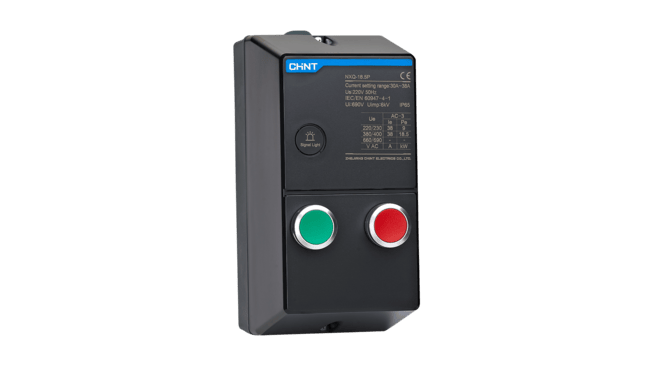



Electrical stability is known to be constantly threatened in ports, marine terminals, mining areas, and heavy industry zones due to salt mist, vibration, moisture, and dust. These unfavourable elements can easily compromise their operations.
We’re here to explain how proper power distribution design through the right MCCBs and electrical distribution boards can help these facilities remain safe, resilient, and operational.
Why Harsh Environments Challenge Power Distribution
Harsh industrial environments take many forms.
Salt-laden air, strong winds, and moisture often infiltrate marine ports. Meanwhile, extreme heat, fine dust, and thermal cycling can make things difficult for desert logistics hubs and rail yards.
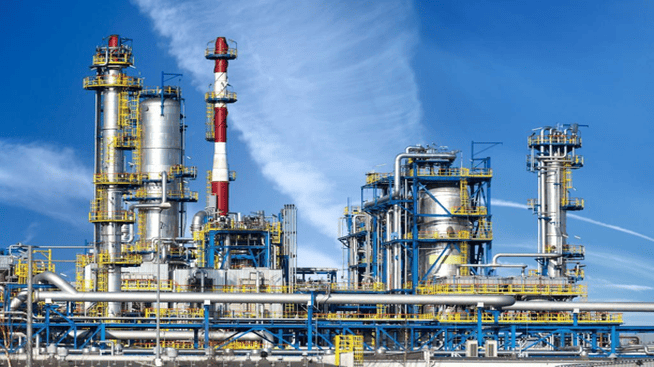
The constant vibration from crushers, conveyors, and heavy trucks, as well as abrasive dust and high humidity in underground areas, plague mining sites. Alternatively, airborne chemicals and vapors can affect the operations of petrochemical plants and corrosive industrial zones.
All these environmental elements are known to cause severe stress on electrical infrastructure. Salt and chemical pollutants increase the risk of corrosion and insulation breakdown as they infiltrate conductive surfaces. Dust accumulation then creates conductive bridges and causes overheating. Vibration makes mechanical connections weak, leading to loose terminals, arcing, and intermittent faults. Moisture ingress compromises insulation resistance and accelerates the ageing of components.
These modes of failure have been recognized in industry standards like the IEC 60068 environmental tests and IEC 61439 assembly requirements. This is why facilities should stick to resilient electrical distribution systems built with reinforced housings, protected busbar systems, and reliable circuit protection devices.
Use an Electrical Distribution Board in Harsh Conditions
An electrical distribution load serves as the central hub that distributes incoming power to various smaller circuits in a building. It basically organizes loads, provides short-circuit and overload protection, and houses vital circuit protection devices like MCBs and MCCBs.
Standard distribution boards are simply not enough for facilities in coastal, dusty, or high-vibration environments. They can only work optimally if they use assemblies with reinforced enclosures, superior insulation, and high IP protection levels. Distribution boards with IP54 to IP65 ratings can prevent dust penetration and moisture ingress, which are common issues experienced by ports, warehouses, and processing plants.
Thermal stability is equally important.
Industrial sites that use large motors or cranes experience high heat generation. Hence, they should capitalize on distribution boards that guarantee proper ventilation, heat dissipation, and conductor sizing. Boards that comply with IEC 61439-2 can ensure they meet global standards for temperature rise, dielectric properties, and mechanical stability.
Interruptions to operations can be cut dramatically with well-engineered distribution boards. They can make sure all connected circuits receive stable, protected, and seamless power at all times. This is essential in ports that rely on cranes and conveyors heavily.
Ensure Stability with a Robust Busbar System
The busbar system is known as the backbone of a stable power distribution since it helps collect and distribute power efficiently across multiple outgoing circuits. But for it to be effective, it must withstand vibration, corrosion, and thermal cycling in harsh industrial environments without losing mechanical strength or conductivity.
High-quality busbars are usually manufactured from corrosion-resistant T2 copper or aluminum to provide excellent conductivity and minimal power loss. Systems like CHINT’s NGC5 undergo precise manufacturing processes by incorporating copper busbars so they can maintain conductivity despite being exposed to mechanical stress. Non-hole connection technology then reduces contact resistance, minimizes hotspots, and enhances long-term reliability.
A critical performance measure for busbars in heavy-duty environments is their short-time withstand rating, which is often specified up to 100 kA for 1 second. This makes sure that the system can tolerate fault currents without deformation or catastrophic failure.
Now, in environments exposed to continuous shaking due to crane power systems, conveyor galleries, and dockside loading equipment, they would require vibration-resistant busbar supports and secure clamping mechanisms.
The right thermal management also protects the busbar system. Segregated enclosures, forced ventilation, and conductor spacing help maintain temperature limits and prevent insulation degradation, especially in heavy-duty logistics hubs and industrial plants.
Circuit Protection Devices and MCCBs for Hazard-Prone Environments
Safe electrical operation can be achieved through circuit protection devices. They essentially isolate faults before they can damage equipment or worse, cause injuries. Overloads, short circuits, and electrical imbalances in harsh environments are more likely caused by elevated temperatures, dust intrusion, moisture, and vibration.
MCCBs as the Primary Line of Defense
A Molded Case Circuit Breaker (MCCB) provides adjustable protection against overloads, short circuits, and, at times, undervoltage conditions. It is frequently used in high-capacity circuits that supply motors, cranes, conveyors, and distribution feeders.
Facilities in harsh environments can take advantage of MCCB as it offers higher breaking capacities and stronger mechanical construction compared to miniature circuit breakers.
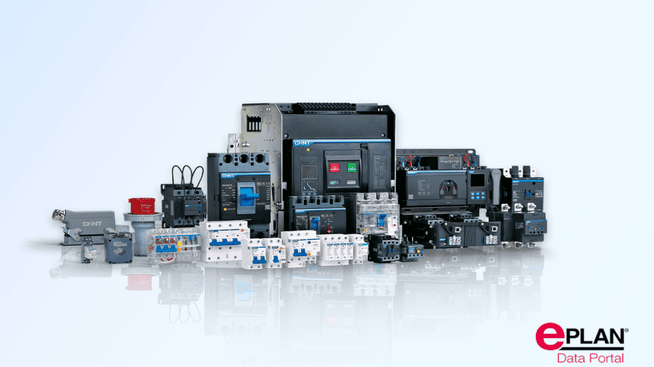
MCCBs found in the NM8N, NXB-125, and NXM series from CHINT all meet the requirements of IEC 60947-2. The boards also undergo IEC 60068 environmental tests to check their resistance to heat, humidity, vibration, and salt-mist exposure. This helps replicate real-world stressors found in marine ports, industrial zones, and offshore platforms.
Some MCCBs in these series then operate optimally in temperatures ranging from -35°C to +70°C, so they remain stable in both desert climates and cold coastal regions.
Breaking capacity is another essential parameter that should be considered. CHINT’s MCCB series includes models with high breaking capacities that are effective in industrial applications, allowing them to clear enormous fault currents quickly. This keeps downstream equipment, such as motor drives and busbar sections, from being damaged severely.
The MCCB enclosure and its internal components are designed meticulously to feature remarkable mechanical strength. This helps them resist shocks and vibration that they are expected to encounter near hammer mills, rock crushers, port cranes, and automated stacking systems. Moisture-resistant internal coatings and corrosion-resistant terminals further improve their overall performance in humid or corrosive atmospheres.
To maintain safety and uptime and prevent severe, more frequent electrical faults, you should invest in rugged MCCBs and integrate them into your circuit protection strategy. This is particularly useful if your business is in a hostile environment.
Integrate Electrical Distribution Boards, Busbar Systems, and MCCBs into a Durable Control Architecture
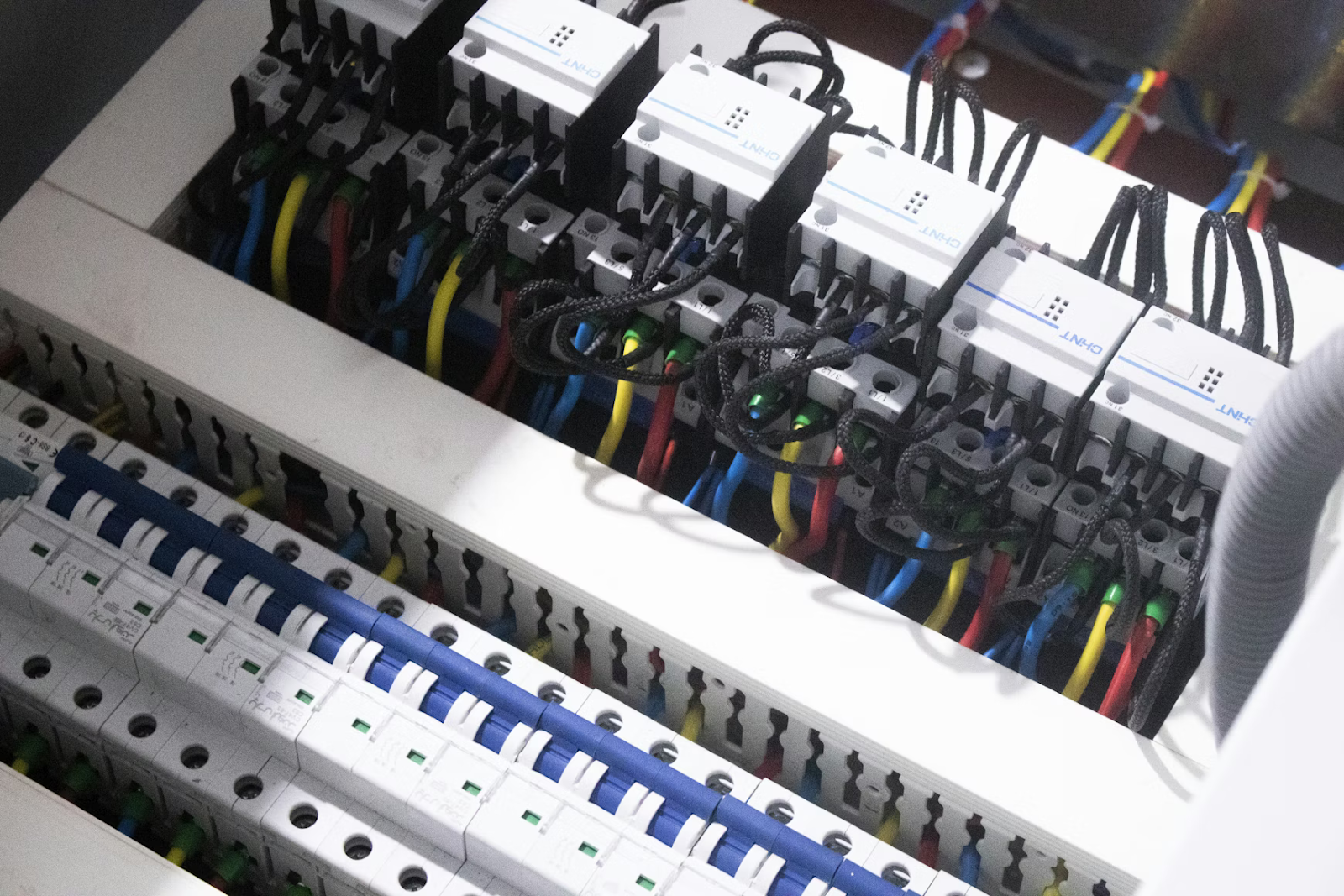
Reliable power performance in harsh settings depends on the integration of all components into a unified system, not on a single component. A coordinated architecture must possess electrical distribution boards, busbar systems, and MCCBs that are working together. This ensures faults are isolated, loads are balanced, and equipment is protected under varying conditions.
A fully integrated, IP-rated control panel for industrial or coastal facilities must feature:
- IP-rated, sealed construction
- Form 3 or Form 4 separation
- Compartmentalized wiring
- A modular busbar system
- A coordinated MCCB protection plan
CHINT offers compatible components such as NGC5 low-voltage switchgear, EnergiX-M distribution boards, and MCCBs that are tested for demanding environmental conditions. They can integrate seamlessly into IEC-compliant assemblies so that thermal management, safety clearances, and mechanical stability meet international standards.
A fully integrated architecture not only reduces the chance of cascading failures, but it can also help support long-term operational continuity. This is a pivotal requirement for mission-critical facilities such as ports, mining operations, and industrial manufacturing plants.
Long-Term Value of Durable Power Systems for Coastal and Industrial Facilities
Investing in durable, environment-rated electrical systems can help you pay dividends over the long term. Your facilities will definitely enjoy fewer unplanned stoppages, minimal equipment failures, and significantly lower upkeep costs.
Lifecycle benefits can also extend to improved safety, longer equipment lifespan, and better efficiency across the network. Your systems can then remain stable despite the fluctuations in environmental conditions by carrying out predictive maintenance practices and investing in corrosion-resistant materials, high-efficiency distribution boards, and rugged circuit protection devices.
Global provider CHINT provides equipment that is tested specifically for harsh industrial and coastal environments. The brand helps operators maintain compliance with international standards while elevating power reliability. With the right combination of design, material selection, and component integration, facilities are expected to gain long-term resilience and predictable performance.
Conclusion
Ports and industrial facilities can stay operational under harsh and demanding conditions if they opt for durable, high-integrity electrical distribution systems. These systems should then possess robust electrical distribution boards, strong busbar systems, and reliable MCCBs that are working together to maintain their overall safety and uptime.