

Table of Contents |
More than a decade ago, solar panels were already gaining popularity as the next frontier of renewable energy. In the UK for instance, solar capacity was at 95MW. Although the initial installation costs were high, the introduction of the Feed-in-Tariff (FiT) was a godsend opportunity for homeowners who could now earn supplementary income through solar investment!
There’s no doubt that investing in a solar PV system is a worthy investment. FiT is no longer in effect, but its place has been taken by the Smart Export Guarantee (SEG). But even with limited incentives from SEG, the price of installing solar panels and PV systems has drastically decreased, thereby making it a worthy investment.
In this insightful article, we’ll take a look at everything that revolves around the use of solar panels from how much they cost to highlighting the best solar solutions.
How Much Do Solar Panels Cost?
The first thing that comes to mind when considering solar energy and sustainable energy, in general, is cost. That could have been the scenario ten years ago, but during the last few years, the price of installing solar panels has gone down. The cost of solar panels has decreased even with the elimination of FiT for new installations.
The kW you choose for your home will affect the cost of your setup because a larger home would use more power and require larger equipment to meet its needs.
For instance, a standard 5kW solar panel system, which may have up to 18 panels and is suitable for a four-bedroom home, will cost between £5,000 and £7,000. Depending on the size of the panel system and where you reside, it has been projected that it will take between 4 and 20 years to recover the cost of the solar panels (Greater amounts of sunlight fall on southern regions than on northern ones).
Calculating Your Energy Production
The quantity of energy your plant will generate and when it’ll do so are the main factors you’ll need to take into account in your calculations. Even for seasoned solar engineers, this computation can be exceedingly challenging. But first, let’s go through the fundamentals.
The amount of solar irradiation present in the area surrounding the home; or, how sunny is where you live; is one of the most crucial factors to take into account. Being nearer to the tropics is generally better when using solar panels, but there are other aspects to take into account.
The National Renewable Energy Laboratory (NREL) creates maps of the United States that illustrate the amounts of solar irradiation, and the tools on its website offer comprehensive solar data for certain places within the country.
Your home’s position is also crucial because rooftop arrays work best with south-facing roofs that are free of trees or other obstructions to sunlight. If this is not an option, panels can be erected outside the house and mounted on external supports, but this will cost extra because of the additional hardware and wires needed.
The complexity of your systems must also be taken into account. The size of solar panels is described in terms of its theoretically possible wattage of electrical output. However, the capacity factor, or actual production, of installed PV systems typically ranges between 15% to 30% of the ideal output.
A 3kWh household system operating at a 15% rated capacity would generate 3,942 kWh/year or nearly one-third of the normal electricity usage of a U.S. family (3 kWh x 15% x 24 hours on average x 365 days/year).
Is it Worth Installing a Solar PV System?
Yes, the benefits will exceed the drawbacks if you spend the majority of the day at home. When you consume the generated electricity while you are there, the advantages of having PV energy become apparent.
The longer you remain at home. The more solar energy you use as it is being produced, the more you will profit long-term from it. If you use the energy produced by the sun as it is created, rather than waiting until the sun sets, when energy production may be lower, you are anticipated to benefit from solar panels more.
Installing solar panels today will result in you paying over half for the solar panels while still obtaining a negligible cost benefit. Because there will be no FiT charging a significant rate for your exported energy.
Solar energy could be the perfect investment for you if you want to go green, save money on your expenses going forward, and spend more time at home during the day. But based on the size of the installations, it can take you a minimum of 20 years to recoup the initial cost.
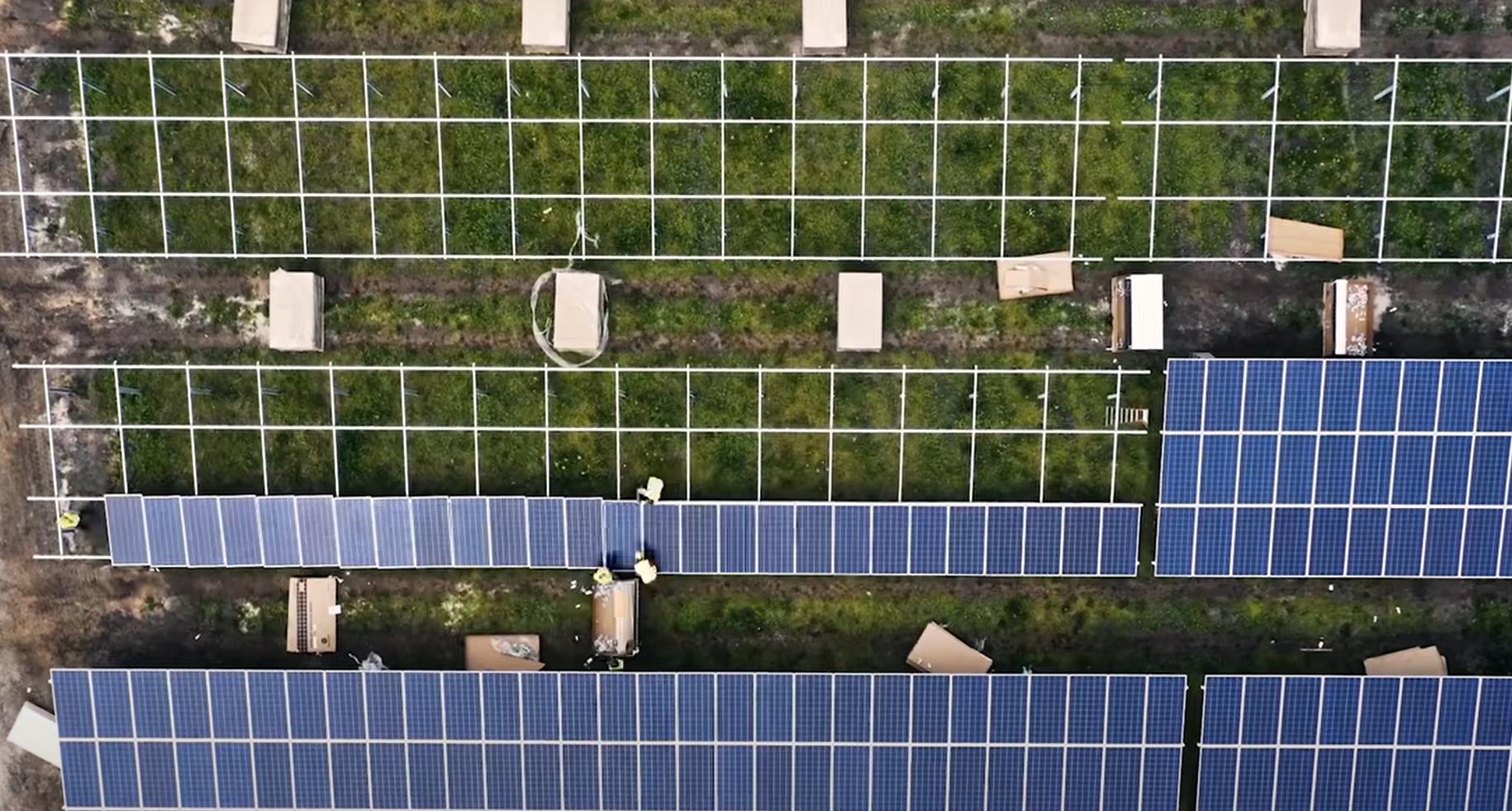
CHINT Solar Solutions
Off-Grid PV
An electric grid-free power generation method is referred to as an off-grid PV system. Its storage battery, which allows it to store electrical power for use at night, is a typical feature. The off-grid system is typically used in the industrial fields for communication, a signal of satellite Livestream and TV, solar flow system, flight control marks, electrode protection of petroleum, weather stations, highways, and checkpoints at borders.
In the civilian field, it is primarily used in remote villages, hydroponic farms, sea islands, plateaus, and deserts for lighting, TV radio, and all other basic needs of life. A combined power generation system, such as wind and solar power generation, can be put up in areas with access to small-scale hydraulic and wind power generation.
Chint Products of Off-Grid PV
- PV Modules.
- Controller.
- Off-grid Inverter.
- Solar controller & Inverter.
Conclusion
So, if you’re thinking of installing solar panels, remember to first ask yourself questions such as:
Do you spend sufficient time at home each day to use the energy as it is produced? Would you think about storing any extra energy in batteries? (If you spend less time at home during the day).
Does your roof have any trees that cast shadows on it? (Any trees you are unable to manage or remove). What is your energy usage? Which size PV system are you going to need to be capable of meeting your annual consumption requirements? Or maybe only 50% of your usage is required to allow for lower bills?
You can determine whether solar panels are a good alternative for your home by using the practical questions above to help you focus on your real possibilities.
Consider alternative ways to save money around the house or ways to become more environmentally friendly if you believe solar panels are not worthwhile for your residence and energy demands.