

Introduction
Planning matters because grid transition stalls when substations stay opaque while renewable variability, bidirectional flows, and load volatility keep rising. A digital substation gives utilities the visibility and control loops a smart grid needs, without assuming every site must be rebuilt from scratch.
What A Digital Substation Changes In The Smart Grid
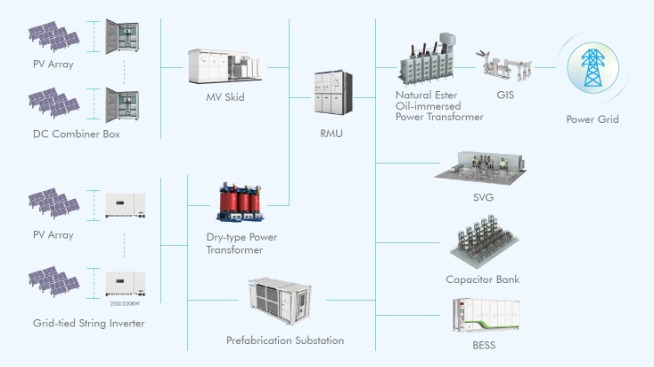
In substation terms, “digital” means replacing large volumes of hardwired analog signaling with structured data flows that connect sensing, protection, control, and operations systems more directly. Instead of treating the yard and control house as separate information worlds, a digital architecture carries measurements and events from primary equipment into intelligent electronic devices, station networks, and control platforms in a more usable form.
IEC 61850 and related practices sit at the center of that shift because they support interoperable communication between protection, control, and automation assets. The practical signal path is straightforward:
Sensors and instrument transformers capture field conditions.
IEDs and acquisition devices process those signals.
Station bus and, where justified, process bus move data to SCADA, EMS, and DMS layers.
What changes is not only the speed of data movement, but the amount of condition, event, and sequence information available for operations and analysis. It supports faster fault localization, tighter restoration workflows, and more flexible control when feeder behavior changes through DER growth or power flow reversal.
For utilities, the value map is operational. A digital substation improves grid visibility, shortens the path from alarm to action, and creates a stronger bridge between substation activity and feeder-level automation.
Digital Substation Retrofit Strategy For Utilities
Utilities rarely modernize substations under ideal conditions. Most retrofit decisions happen under pressure from aging assets, tighter reliability targets, growing DER complexity, and limited outage windows. That’s why the path to a digital substation has to be phased, risk-aware, and grounded in operational reality.
Retrofit Drivers Utilities Actually Face
In digital substation retrofit strategy for utilities, most are dealing with DER variability, localized congestion, aging relays and communications gear, scarce spare parts, reliability targets, outage cost pressure, and workforce constraints that push more work toward remote operations. Brownfield substations carry all of those issues at once, which is why retrofit decisions tend to focus on risk containment and measurable value rather than technology purity.
A Phased Retrofit Roadmap
A brownfield-friendly roadmap should be modular.
Phase 1 is visibility first, add instrumentation, event capture, and gatewaying into SCADA.
Phase 2 is protection and control modernization, using newer IEDs, cleaner engineering workflows, and station bus where it adds value.
Phase 3 is process-level digitalization on targeted bays, not everywhere, where merging units or process bus reduce wiring burden or improve lifecycle economics.
Phase 4 adds analytics and automation, such as predictive maintenance, automated switching sequences, and better alarm rationalization.
Utilities can mix these phases by site condition, outage access, and budget.
Planning Guardrails
The lights stay on when retrofit planning stays disciplined. Define outage windows, rollback paths, and temporary operating states before equipment changes begin. Set interoperability rules early because most utilities live in a multi-vendor environment. Build cybersecurity into architecture and commissioning, not as an add-on. Then align FAT, SAT, and workforce readiness so operators, protection engineers, and field crews all understand what changes in normal operation and what changes during fault response.
Substation Modernization For Renewable Integration
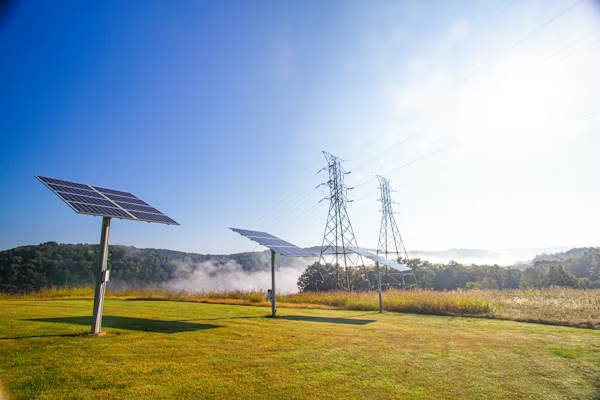
The case for substation modernization for renewable integration starts with operating stress on legacy assets. Renewable-heavy grids introduce sharper variability, more frequent switching, reverse power flows, and voltage rise conditions that older substations were not built to observe in detail. Protection coordination also becomes harder because fault contribution and feeder behavior can shift with inverter-based resources, network configuration, and dispatch patterns.
A digital approach changes the operating envelope:
High-resolution measurements and event data improve situational awareness at the exact point where system conditions change.
Modern IED coordination supports faster, more selective protection behavior.
Better data exchange with DMS and EMS helps utilities manage constraints, dispatch flexibility, and switching actions with more confidence.
The result is not that renewables become simple. It is that the substation stops acting like a black box when renewable behavior becomes more dynamic.
This matters for analysts because hosting capacity, voltage compliance, and restoration performance increasingly depend on substation intelligence, not only feeder studies. If planners want a smart grid that can absorb more variable generation, substation observability and controllability have to move up the investment priority list.
Smart Grid Power Quality Management In Digital Substations
Smart grid power quality management belongs in the main modernization discussion because power quality is a grid-performance issue. Harmonics, THD, voltage unbalance, flicker, poor power factor, and resonance risks affect both utility feeders and industrial loads. As renewable penetration, power electronics, and dynamic load patterns increase, those issues become more visible and more operationally expensive.
What matters most is measurement plus control. Utilities need feeder-level trending, event logs, voltage and current quality data, and thresholds that flag deterioration before customers feel it.
On the control side, Volt/VAR strategies, switching logic, filtering, compensation, and alarm design all shape whether the substation stabilizes conditions or simply records them after the fact. A digital architecture helps because measurement, event context, and control actions can be coordinated instead of isolated in separate systems.
This is also where KPI discipline matters. Track THD, unbalance, alarm frequency, voltage excursion counts, restoration times after quality-driven events, and feeder trends over time. A digital substation earns its value when those indicators move in the right direction and the utility can tie the improvement to decisions made at the substation layer.
Reactive Power Compensation In Digital Substations
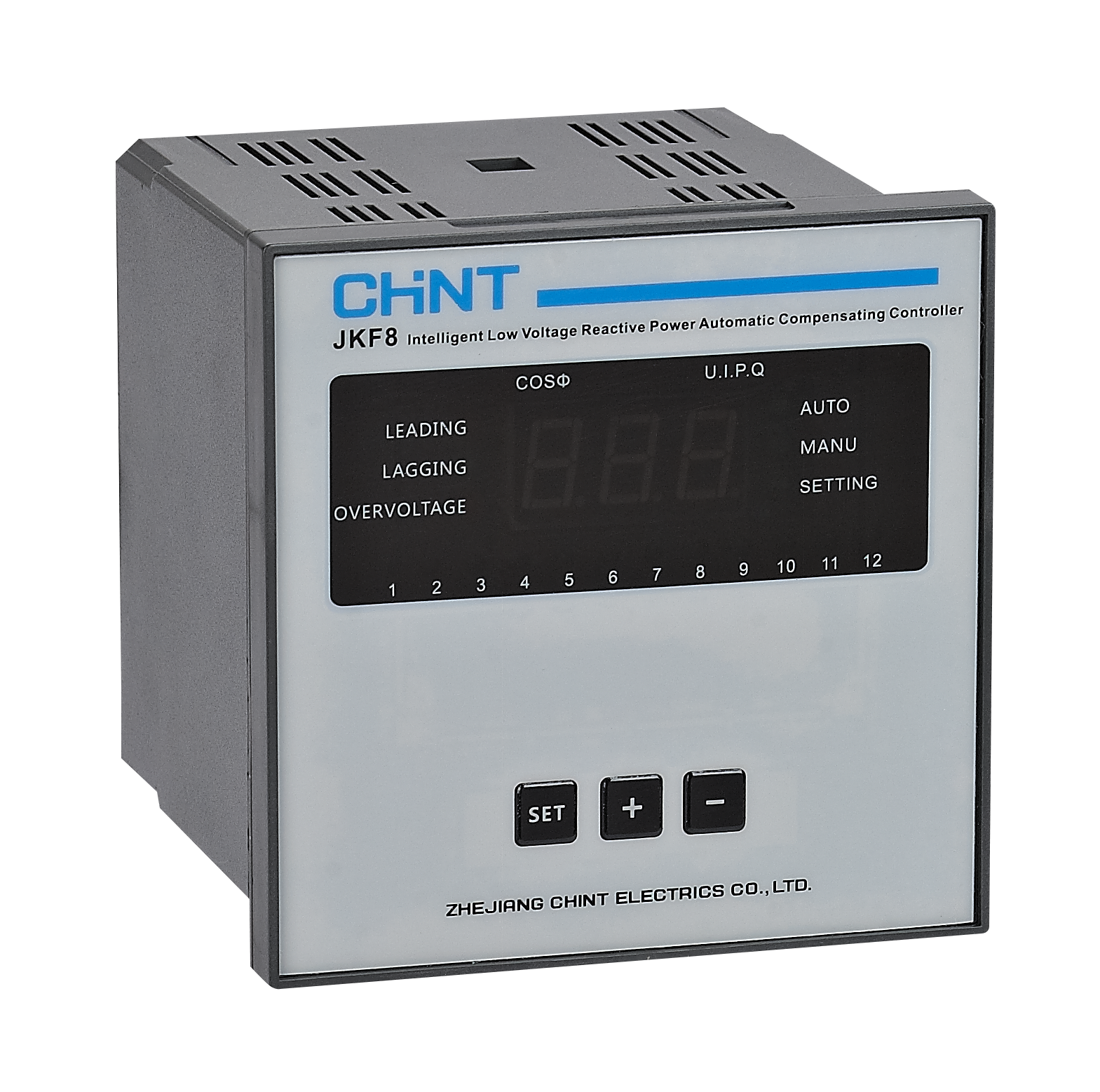
The role of reactive power compensation in digital substations is operational before it is cosmetic. Reactive power control supports voltage regulation, reduces unnecessary current flow, and can release usable capacity on feeders and transformers by improving how existing assets carry load. In renewable-heavy networks, it also has to coordinate with inverter behavior and broader Volt/VAR programs rather than act as a standalone correction step.
That’s why compensation should be tied to harmonic conditions. In some sites, step-wise capacitor control is enough. In others, distortion, resonance risk, or fast-changing conditions call for filtering or dynamic VAR support.
Harmonic filters, active power filters, static var compensators, and power factor correction equipment reflect the wider utility reality that one compensation method rarely fits every node. CHINT Reactive power compensation can reduce losses, though site conditions, loading profile, harmonic content, and control quality determine whether that result is achievable in practice.
For a recognizable control example, CHINT’s JKF8 reactive power compensation controller:
Provides real-time display of voltage, current, power factor, active power, and reactive power
Supports 6 or 12 output loops
Uses time-delay logic plus abnormal-voltage disconnect behavior to manage capacitor switching more safely.
Those behaviors matter because utilities and industrial substations need compensation that is observable, staged, and protected against unstable operating states.
Technology Layers Within A Digital Substation Architecture
A digital substation works through several connected technology layers, each supporting a different part of grid performance. Looking at those layers separately makes it easier to see how measurement, automation, and power quality functions combine to support smart grid visibility, control, and resilience.
Distribution Automation And Control Layer
This layer handles feeder and substation protection, control, and automation. Its job is to detect faults faster, support isolation and restoration sequences, and push meaningful status and event information into SCADA, DMS, and EMS environments. CHINT’s distribution automation systems and broader T&D solutions in this space, alongside switchgear, transformers, and circuit breakers can be used in coordinated distribution networks.
Measurement And Data Acquisition Layer
This layer turns electrical conditions into actionable operating data. Utilities need accurate visibility into voltage, current, frequency, active and reactive power, power factor, energy, harmonics, and event records. CHINT’s instruments and meters cover smart electricity meters, while products such as the PD7777 and PD666 series add communication functions, harmonic measurement, and multi-parameter monitoring that fit power-system diagnostics and performance analysis.
Power Quality And Reactive Power Management Layer
As renewable penetration rises, voltage regulation, harmonic monitoring, and coordinated reactive control become more important at the substation edge. This layer links measurement with action, whether through alarms, compensation, filtering, or broader Volt/VAR logic. CHINT’s power quality and automation solutions are the kinds of building blocks utilities use to manage quality and stability in a more responsive way.
Frequently Asked Questions
Can A Digital Substation Be Built Through Retrofit, Or Does It Require A Full Rebuild?
Most utilities can move toward a digital substation through phased retrofit. Visibility, modern protection, targeted process-bus deployment, and analytics can be added selectively. A full rebuild makes sense at some sites, though many brownfield substations can deliver smart grid value through staged modernization with disciplined outage and interoperability planning.
What Is The First Upgrade That Delivers “Smart Grid” Value Fastest?
For many sites, the fastest step is better visibility. Add meters, event capture, and gatewaying into SCADA or DMS first. That gives planners real operating data, sharper fault context, and a stronger basis for later protection or automation changes. Without visibility, many higher-value control upgrades stay underused.
How Do Digital Substations Help With Power Quality And Reactive Power Issues?
They help by tying measurement and control together. A digital substation can trend harmonics, voltage quality, and power factor at feeder level, then support compensation, filtering, alarms, and switching decisions with more context. That makes power quality and reactive power part of normal grid operations instead of after-the-fact troubleshooting.
Conclusion
Legacy substations become more useful when they stop behaving like black boxes. A digital substation turns them into responsive grid nodes that support visibility, faster protection and control, renewable integration, and stronger smart grid performance without forcing a full rebuild. CHINT is one example of vendors offering T&D, metering, automation, and power-quality building blocks for that path.