

Table of Contents |
A power surge is well known for destroying your electrical infrastructure. Circuits are only intended to handle a certain amount of power, and if excessively current flows through them, the wiring might get overheated. It might harm critical electronic parts or perhaps start a fire. Switchgear is used to protect devices linked to an electricity source from high voltage.
What is switchgear?
Switchgear is an extensive phrase encompassing a wide range of voltage source inverters that all serve the same purpose: regulating, safeguarding, and protecting electrical systems. But while, this term may be expanded to encompass power distribution systems regulators and meters, fuses, and related technologies. Productive switchgear would immediately block the electricity supply and safeguard power equipment in the case of an electrical overload. De-electrifying devices for secure assessment, servicing, and error clearance is also done by switchgear.
What is an LV switchgear panel?
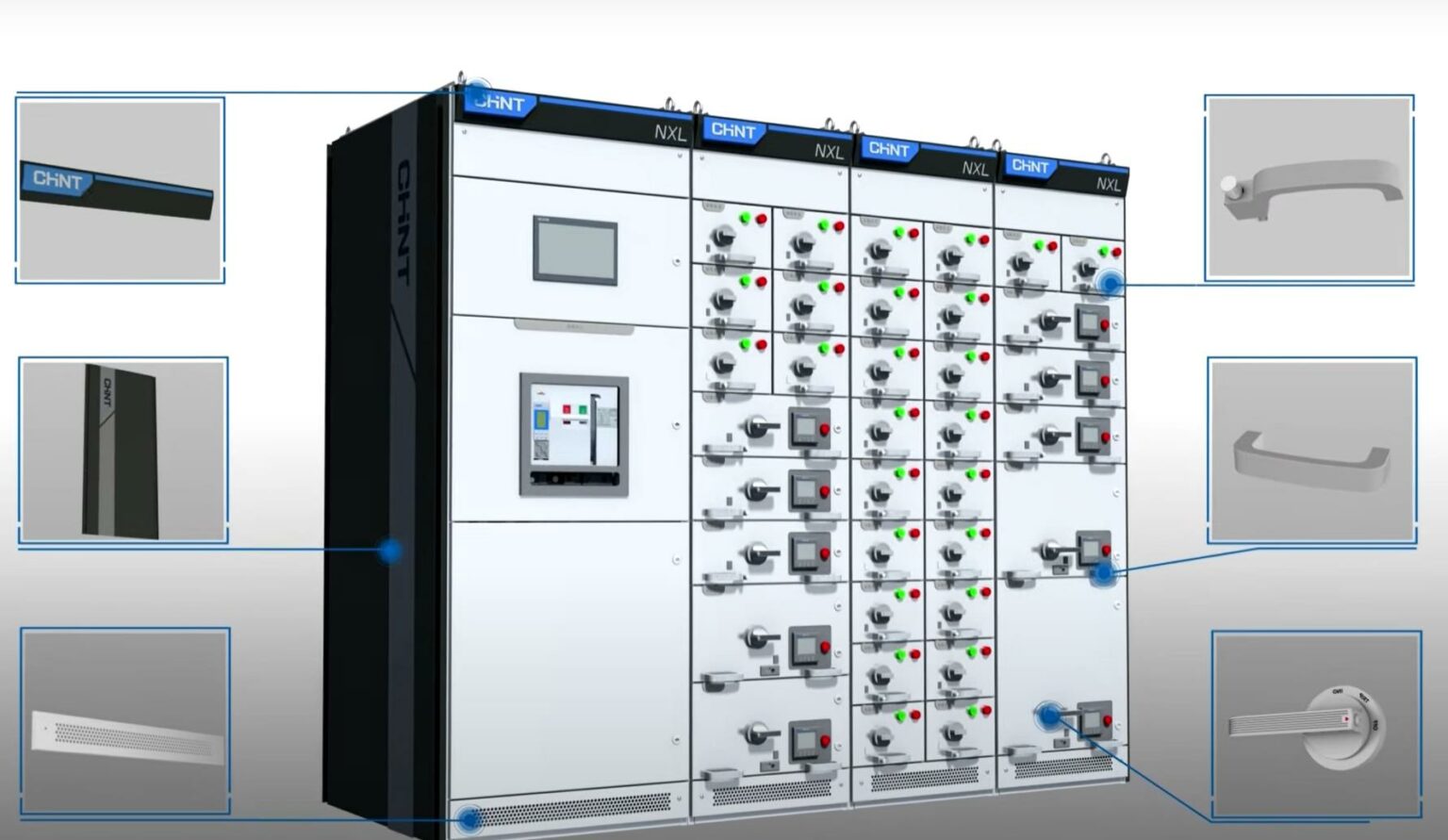
The LV switchgear panel comprises two layers of metal enclosures, permanent and disengage able, for which different electronic devices and accessories are housed. In addition, several indicator lights and clickable buttons are built on its structure. This switchboard governs the transmission of power supply and safeguards other devices, electronic equipment, and individuals from power surges. The system comprises these parts; Feeder, Incomer, and Sub-incomer.
How does a low voltage panel work?
A mains transformer or backup generator distributes power to the switchgear by conductors or electrical connectors to an input fuse box or appliance, often an Air Circuit Breaker (ACB) or a Moulded Case Circuit Breaker (MCCB). Power is routed throughout the switchgear through inbuilt copper rods that supply lower-rated fuses, again ACBs or MCCBs, on the transmitter end of the outsider equipment.
These devices are known as outbound channels. Energy is transferred from these tiny devices to equipment or sub-boards, including even lesser graded ACBs, MCCBs, or even relatively small Miniature Circuit Breakers (MCB). Most power supplies transmitted into the switchgear in the UK and Europe for business or production uses are 3-phase 400VAC supplies. All fuse box and isolation values are in Amperes (Amps).
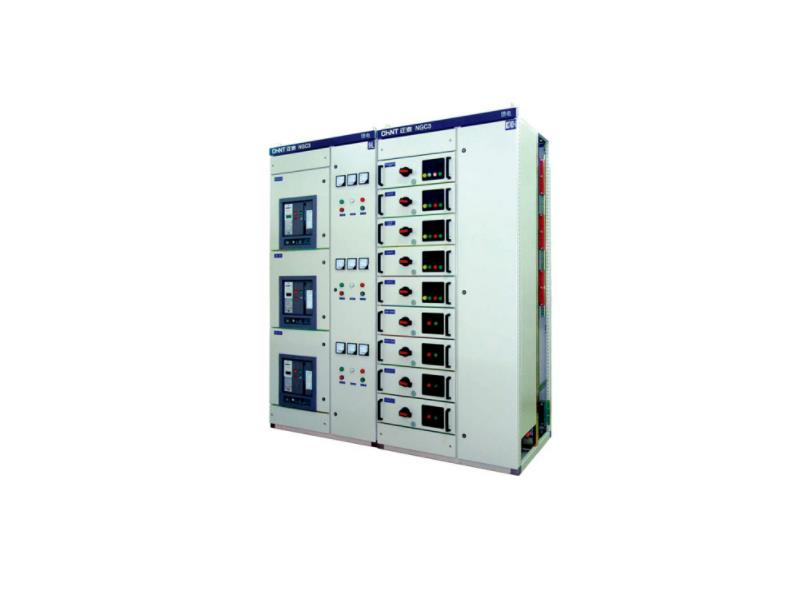
The Basic Functions of LV Switchgear
Isolation of parts of an installation
Isolation is the disconnection of a system connected to an energized circuit, allowing the confined component to be operated on or serviced safely. The goal of isolation is to disconnect a current or device such as a motor from the rest of an electrified network so that workers may operate on the secluded section in complete safety. In essence, all circuits in an LV installation should be separated. In reality, it is preferable to offer a mechanism of separation at the beginning of each line in order to preserve optimal system stability.
Electrical protection
The electric circuit safeguarding fault currents against Thermo – mechanical shocks is a crucial role of LV switchgear. It is critical to reducing the dangers of high currents and isolating the faulty current from the remainder of the system. Human operators and devices like electrical machines are protected by LV switchgear.
Remote or local switching
With switchgear controlling, the user may change a burdened system for system-based control and crisis switching. Technicians can turn on or off a portion of a power system or perhaps a single electronic device. Whenever a connected circuit becomes unsafe, it also enables an emergency shutdown.
CHINT LV Switchgear
NGC8 Low-voltage Switchgear Panel
Usage: in electric power distribution systems for electrical regulation, safeguarding, tracking, and power transmission.
Specifications: IEC 61439-1/2
The maximum insulation voltage is 1000V. 690V is the maximum operating voltage.
Features:
- Maximum current of approximately 6300A. Maximum intensity tolerance and degree of safeguarding.
- Effective delivery circuit design. A standardized switchboard with 48 connections may be placed.
- Use of the NJZ3.0D innovative power regulatory system.
- No upkeep required—excellent safety precaution capability, with an enclosed safeguard rating equivalent to IP54.5. The primary material is non-CFC and non-halogen, thus environmentally friendly.
- Arc prevention is a significant consideration in building structure and choice of materials.
- Versatile installation and simple interface.
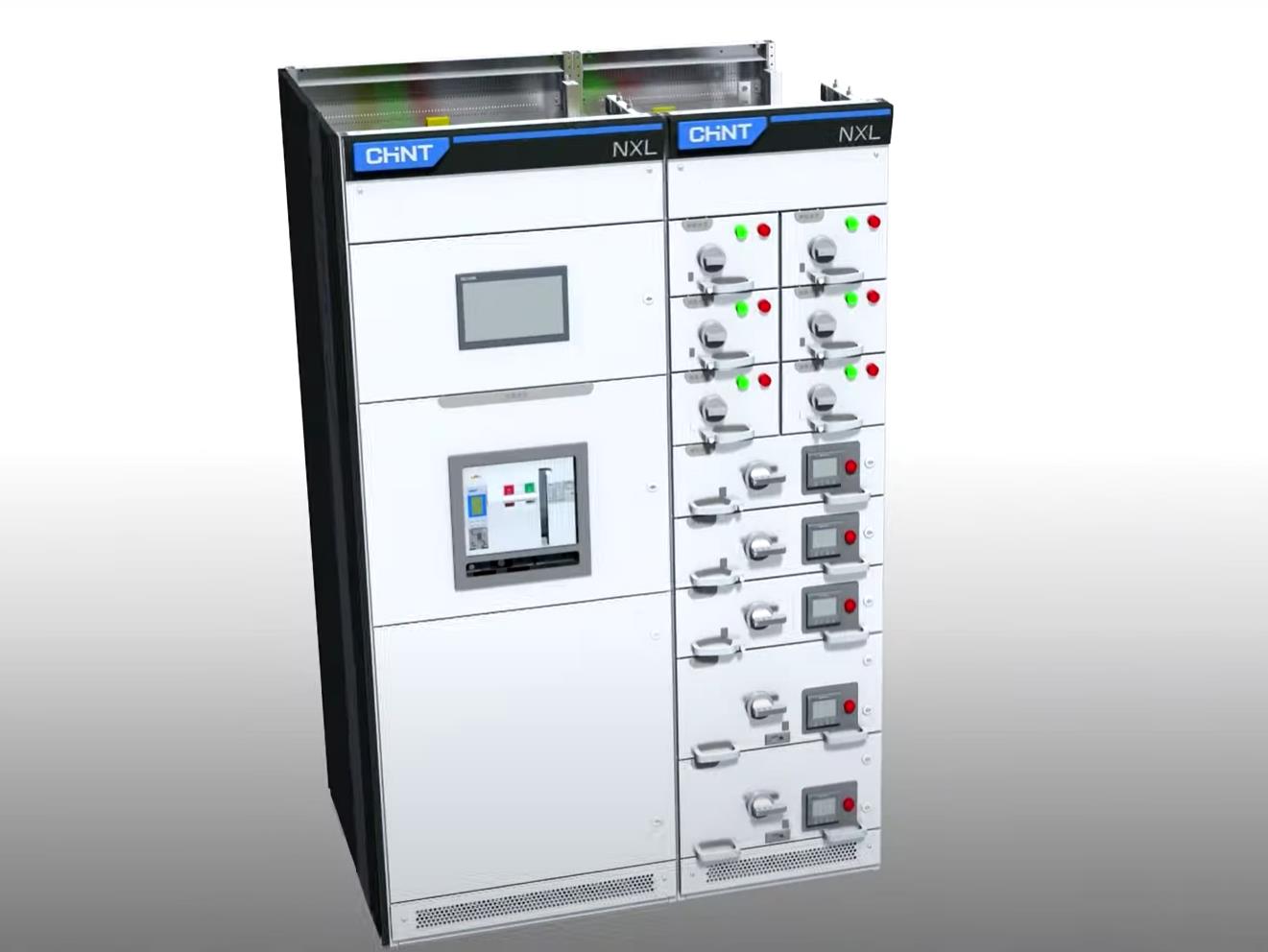
NGC3 Low-voltage Switchgear Panel, Withdrawable type
Usage: in electric power distribution systems for electrical regulation, safeguarding, tracking, and power transmission.
Specifications: IEC 61439-1
The maximum insulation voltage is 690V &1000V. 690V& 400V are the maximum operating voltage.
Features:
- Protection level: IP30, IP40, IP54
- High precision and durability
- Components and replaceable parts are designed flexibly.
- Easy to assemble and disassemble.
- Cable paths are custom-made for installation. Cable repairing components are also available.
- Each unit’s location is properly marked, and a maximum of three latches are provided for latching.
Conclusion
It is essential to safeguard our appliances and ourselves from short circuits, and failure to implement would result in you being exposed to danger. One way to avoid this danger is by having LV switchgear panel fixed in our homes or any place of operation, including factories and commercial premises. The LV switchgear works smoothly and does not require much input and output materials. Thus, it is effortless to handle and operate. The LV Switchgear panel does not take up much of your room space and is also quite durable.
Apart from serving as a virtual device in protecting your appliances from short circuits, LV Switchgear Panel also helps in the isolation of parts of installation as well as remote local switching. Chint LV switchgear has been subdivided into two; NGC8 Low-voltage Switchgear Panel and NGC3 Low-voltage Switchgear Panel, Withdrawable type, both with different features to suit your needs.