

Table of Contents |
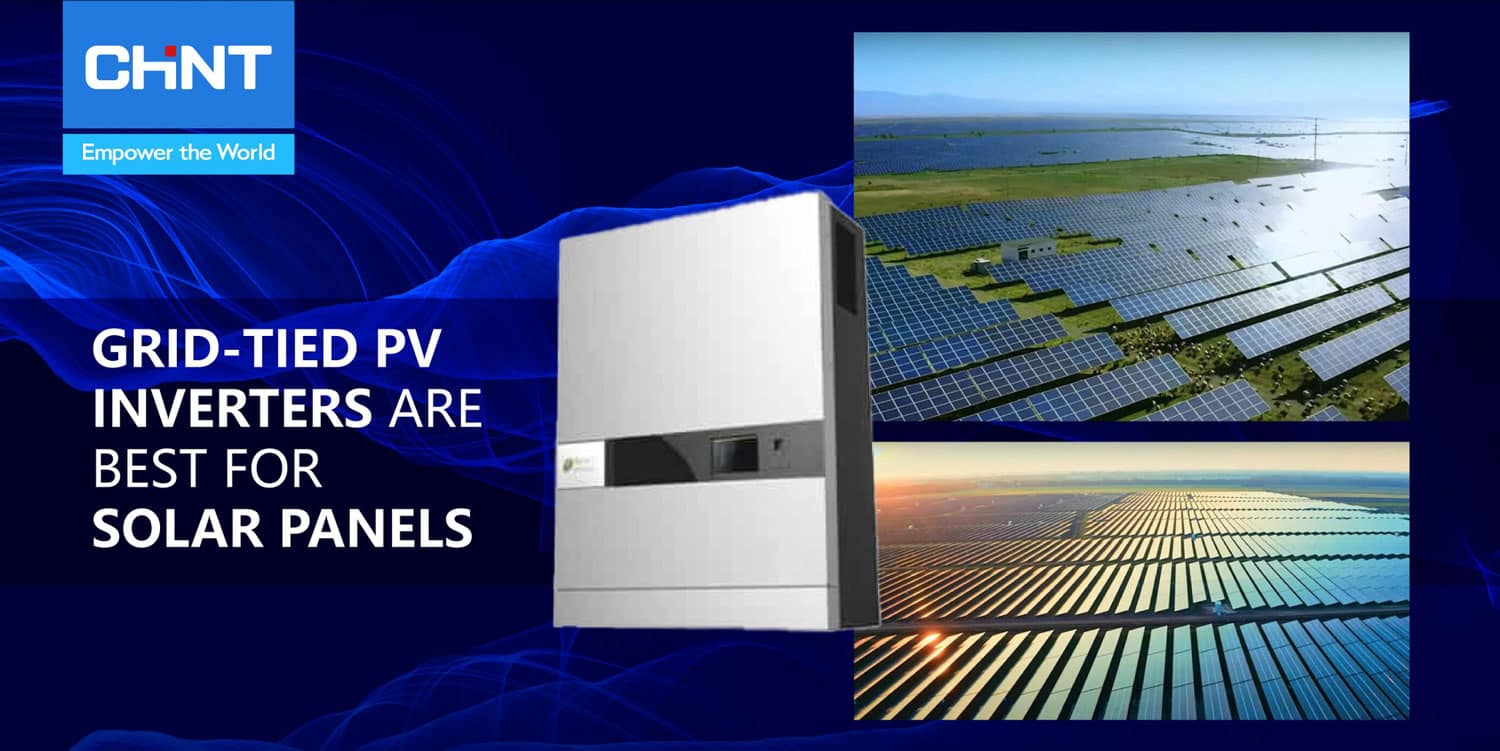
Solar panel systems are a great way for homeowners to reduce their carbon footprint and save a bundle on their home energy bills. When installing a solar energy system, one vital component is the PV inverter. This converts the direct current energy harnessed by the solar panels into alternating current energy, which is utilized to power home electrical systems.
What are Single Phase PV Inverters?
There are two main types of power that can be supplied to any location, which include single-phase and three-phase power. Most homes will operate with only single-phase power, where this is one main power supply line coming into the electrical panel box. In these homes, having a single-phase PV inverter is a necessity to ensure the solar energy system can supply the right power to the house.
In some cases, typically larger homes and businesses, three-phase energy will be utilized. Instead of one single power wire entering the electrical panel box, these locations will have three power supply wires coming in. In order to supply the right amount of energy to this type of system, your solar energy system will need to have a three-phase inverter.
Selecting the Right Single-Phase PV Inverter for Your Home
A single-phase PV inverter is not something that you want to buy without first ensuring that it has the key features you need to successfully power your home. First and foremost, your solar system size is going to play a huge role in deciding the size of PV inverter that you must get. Most inverters will range from as little as 50 watts all the way up to around 11,000 watts for residential use.
When purchasing an inverter for your solar panel system, you need to also consider its warranty coverage. With most inverters lasting anywhere between 10 and 20 years, it only makes sense to purchase one that comes with a standard warranty of at least five years. Additionally, you’ll want to consider conversion efficiency.
Chint Global’s CPS SCE1.5-4.6kW Series single-phase inverters offer a high conversion efficiency of up to 97.5%. The more efficient your inverter is, the more energy your solar system will harness.
How do you calculate the size of an inverter for a PV system?
For your solar energy system to function properly, your inverter must be of the right size. It must handle the amount of DC energy that your solar panels are able to produce at their fullest capacity.
Therefore, in order to determine what size inverter you need to purchase for your residential solar energy system, you’ll need to know the DC rating of your solar panels.
Your new inverter should have around the same wattage as the DC rating on your PV panels. For example, let’s say that your solar energy system is five kilowatts. With one kilowatt being equal to 1,000 watts, that means your solar energy system is 5,000 watts.
You’ll need to choose an inverter of around 5,000 watts to be effective. Most solar system manufacturers will indicate the appropriate inverter size when you purchase your entire solar energy system.
How Do I Know If My Single Phase PV Inverter is Overloaded?
Most solar inverters come with a built-in safety mechanism that shuts the inverter off if it becomes overloaded for a set period of time. Each inverter is given a specific maximum load rating that it can handle. When the solar panels overload the inverter with too much power, it can cause damage to the sensitive internal components of the inverter.
An inverter overload can also occur due to improper cabling works or wrong connection of PV panels. If the DC voltage from solar panels is out of the range of inverter’s operating voltage, it will cause overload to your PV inverter.
If you suspect that your inverter has shut down due to an excess load, before restarting the inverter, please check the cable connection with the electrical drawings of the solar system. You may also contact your electrical workers to come down to do the trouble shooting work before you restart the inverter.
Conclusion
If you’re thinking of investing in a residential solar energy system, then you need to understand the role that single-phase inverters play in the system’s overall operation. Being able to choose the right inverter will ensure that your new solar system is capable of working at its peak efficiency without becoming overloaded.
If you have decided to purchase a PV single-phase inverter, Chint Global’s CPS SCE1.5-4.6kW Series and Noark Ex9N-G-3kW-10kW are good choices for you. They offer the highest efficiency with a standard warranty at an affordable price.
FAQ about PV inverter
Is single phase or 3 phase better for solar?
Is it cheaper to run single-phase or 3 phase?
How do I choose the right single-phase PV inverter for my solar system?