

Table of Contents |
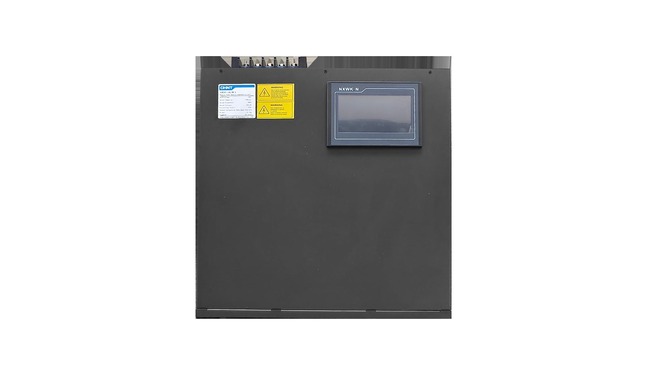
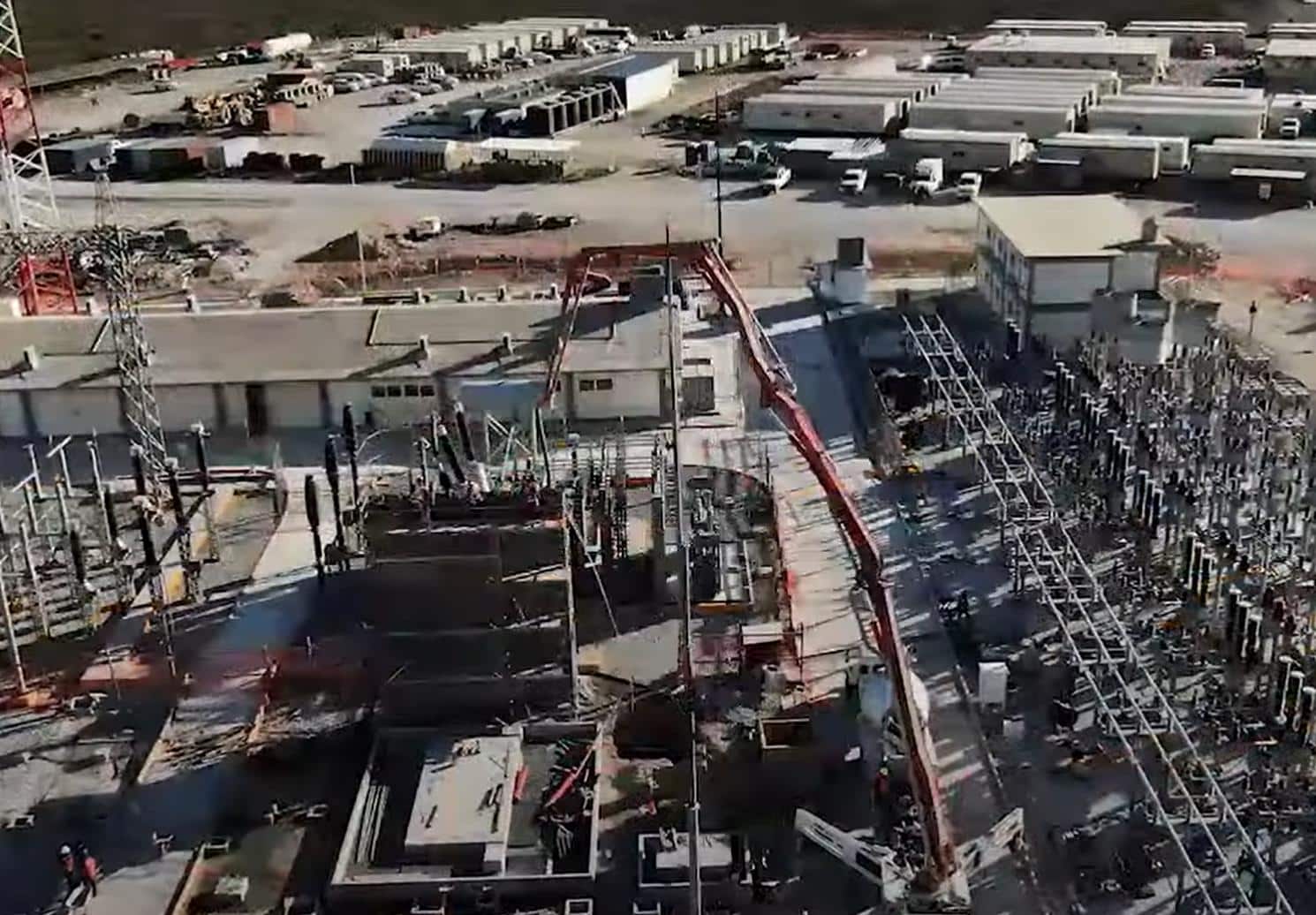
Fuse, switch, and circuit breaker combinations are known as switchgear in an electricity grid. Switchgear’s primary duties include controlling, isolating, and protecting electrical equipment. This can be connected directly to the reliability of the power source. High voltage switchgear, which is used to run electric machinery and motors, was created in the 19th century. Switchgear is positioned on either side of the power transformers’ voltages at substations.
When choosing ideal equipment for your work you have to consider several factors that distinguish them from their counterparts. Chint Global has models of both Air Insulated Switchgear and Gas Insulated Switchgear, on their site they have given features of each switchgear as we are going to single out each in this article.
What is Air Insulated Switchgear?
It is extensively used in power distribution facilities and small sub-stations in energy storage including residential neighborhoods, skyscrapers, sizable public buildings, and industrial complexes.
To disperse the electricity from a main power transmission gear which is powered by one large electrical distribution transformer, the air insulated switchgear, which is a supplementary power distribution device, is a power transmission switchgear.
What is Gas Insulated Switchgear?
The Gas-insulated High-Voltage Switchgear, often known as GIS, is a solid metal enclosed device that contains a variety of high-voltage components, including disconnectors and circuit breakers.
In restricted places, such as small spaces, these gadgets can be used in a very secure manner. It is used, for instance, in the expansion of city structures as well as on offshore platforms, roofing, and unrelated installations like hydropower and industrial.
Air Insulated Switchgear Vs Gas Insulated Switchgear
It can be difficult to compare the two, but if you concentrate on the five key factors listed below, you’ll be better able to determine which kind of high-voltage switchgear would benefit your next project the most.
Construction
Each type of switchgear’s longevity and maintenance depend on how it was built. While AIS insulates using air in a metal-clad structure, GIS uses the chemical gas sulfur hexafluoride. Since it is five times heavier than air, sulfur hexafluoride exhibits excellent extinction behavior.
Another notable distinction in terms of construction is that a steel AIS employs three-position power take circuits (on, off, and test). Electrical appliances are put permanently in GIS systems.
The AIS breaker may be dismantled for service and troubleshooting, unlike the hermetically mounted breakers, which are a “sealed-for-life” technology.
Installation
Is the project’s schedule constrained? How much room do you physically have for switchgear? Installing GIS may go more quickly than installing its AIS metal-clad equivalent. This is mostly because GIS systems are substantially lighter and smaller, although gas is heavier than air.
GIS is easier to install if the technician doesn’t have to touch the gas themselves. A GIS installation reduces the typical installation time by about a third. Additionally, GIS systems are smaller than AIS. A GIS has a roughly 40% smaller physical footprint than an AIS.
Operation
You should always put operation safety first, and you should consider those who will be handling your switchgear. GIS systems provide front access rather than rear access, making them substantially simpler to use regularly. They also have integrated testing tools of their own.
Because all interior components in GIS are shielded and only the wire compartment is accessible, arc flash events are uncommon. No cables or links can come in contact with the live elements because the sections are entirely insulated.
Maintenance
GIS requires substantially less upkeep. GIS systems only need to be visually reviewed on average every five years or more, based on the manufacturer’s advice for your particular device. GIS drives only require re-greasing every 20 to 30 years.
In one to two years, AIS needs to be visually evaluated. Unlike GIS, where its specific compartments and sections are entirely insulated and are monitored, all sections must be checked when inspected. Every two years, an AIS breaker will typically require four hours of maintenance.
Total Ownership Cost
You must compare the upfront expenditures of AIS and GIS against the necessary lifetime maintenance to make an informed decision. Both of these units typically have a life expectancy of 30 years or more. The initial costs of GIS are 10% to 40% higher than those of AIS.
In the end, AIS reduces costs up front, but over time, it necessitates more labor hours. Due to its more sophisticated electrical engineering, GIS demands a bigger initial investment; but, because of its sealed technology, which improves safety and lowers maintenance and installation costs, GIS will end up being less expensive throughout the equipment’s lifespan.
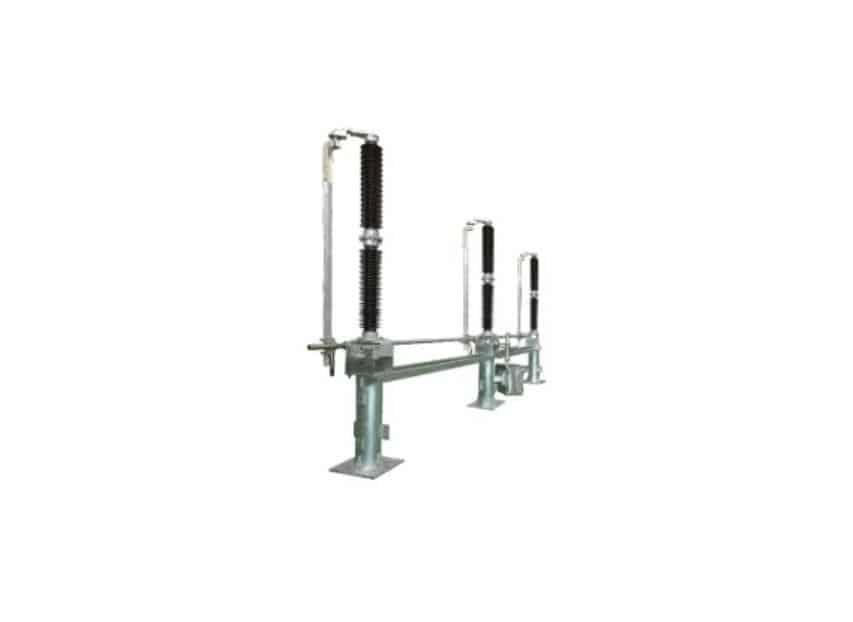
CHINT Air Insulated Switchgear
The 11KV to 36KV medium-voltage electricity distribution system is constructed with air-insulated switchgear (AIS), which uses air as the shielding medium. In the power system, it has controlling and safeguarding responsibilities. The gas-filled compartment houses the primary circuit parts of the air-insulated switchgear.
Center Breaker Disconnectors GW4(up to 252kV)
To separate the circuits in an off-load state in a power system with a rated voltage of 40.5–252 kV, install an air electronic clearing between both the tested electrical equipment and the electrified circuit.
Features
The features that make center-breaker disconnectors GW4 work effectively are;
- Excellent results and dependable operation.
- Free maintenance because of its consistent contact pressure and capacity for self-cleaning.
- High resistance to corrosion
- Simple installation and alterations.
JW-145, JW-252 Outdoor AC Earthing Switch
Application: For HV busbars in 145-252 kV power systems. The IEC 62271-102 standard. Parameters: Voltage ratings: 145 and 252 kV. 40kA and 50kA are the 3s rated short-time resist currents. Rated voltages to sustain lighting impulses are 550 kV and 1050 kV.
Features
- Compact construction, dated performance, and trustworthy connection.
- Excellent anti-corrosion capabilities of the base.
- Installation and adjusting are simple.
Conclusion
Therefore, because of its design features, GIS has a better effect on the environment than AIS. As seen, GIS has several notable advantages over AIS. All design criteria for new substations are met, except for a high initial cost and a possible environmental risk.