Please enter keywords to search

Global |EN

Choose your country & Language

Asia Pacific

Australia & New Zealand
India
Indonesia
Malaysia
Philippines
Singapore

Middle East & Africa

Kenya
Saudi Arabia
South Africa
United Arab Emirates

Europe

France
Kazakhstan
Netherlands
Spain
Italy
Turkey
United Kingdom

Latin America

Brazil
Colombia
Ecuador
Peru

North America

Canada
Mexico
United States

Choose your country & Language

Australia & New Zealand
India
Indonesia
Malaysia
Philippines
Singapore
Kenya
Saudi Arabia
South Africa
United Arab Emirates
France
Kazakhstan
Netherlands
Spain
Italy
Turkey
United Kingdom
Brazil
Colombia
Ecuador
Peru
Canada
Mexico
United States

Please enter keywords to search

Your search term contains restricted words. Please use different keywords.
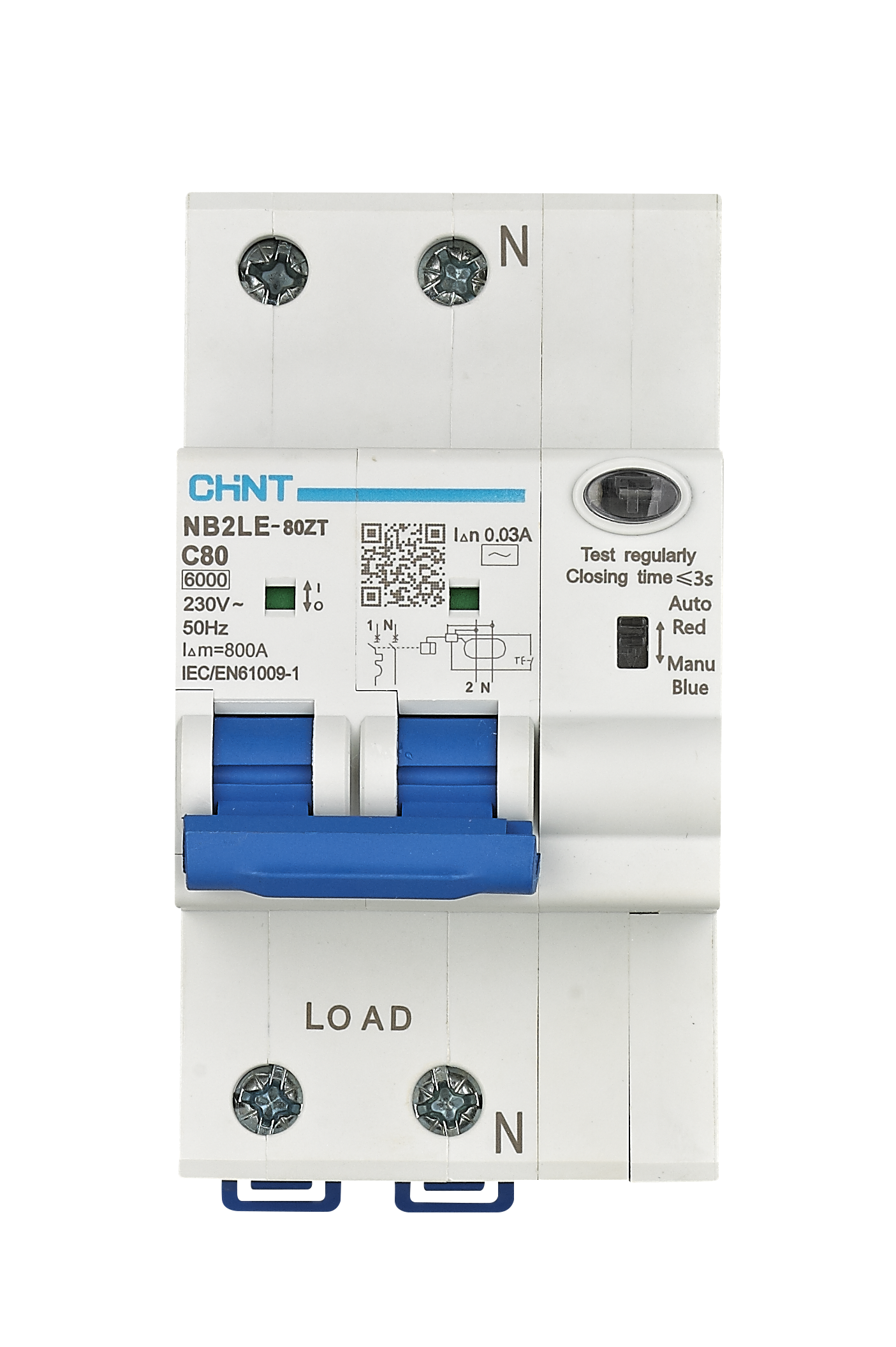
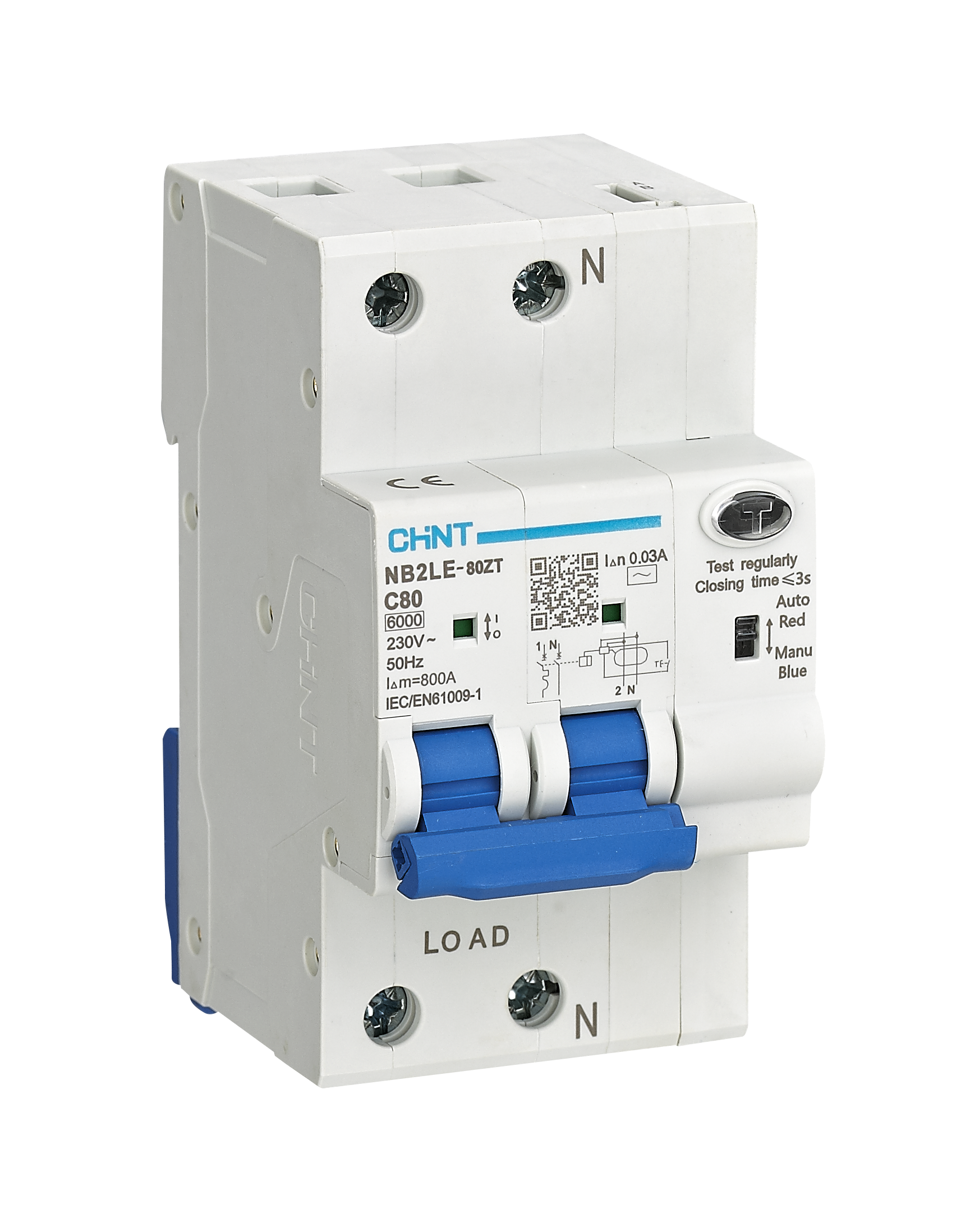
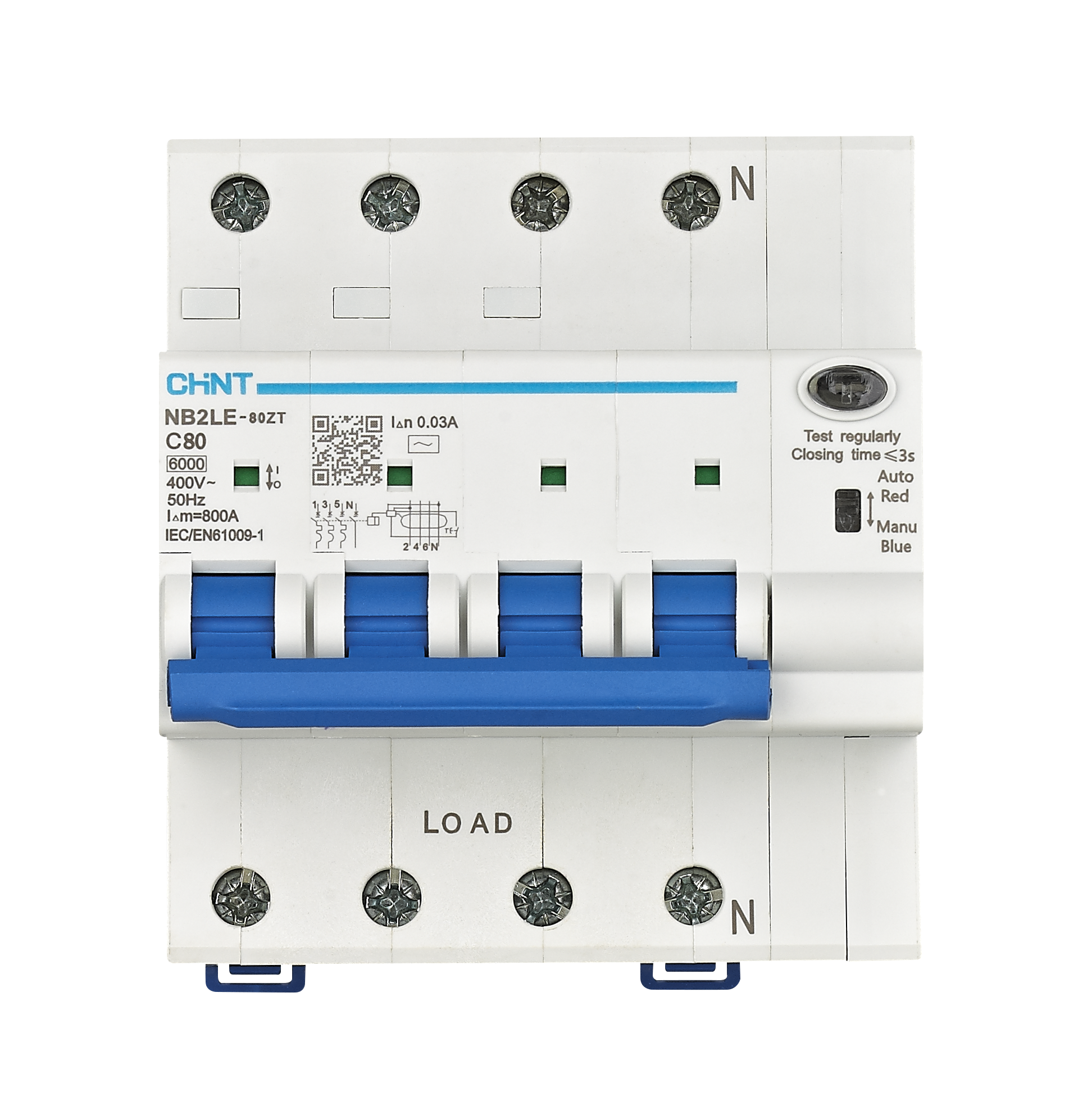
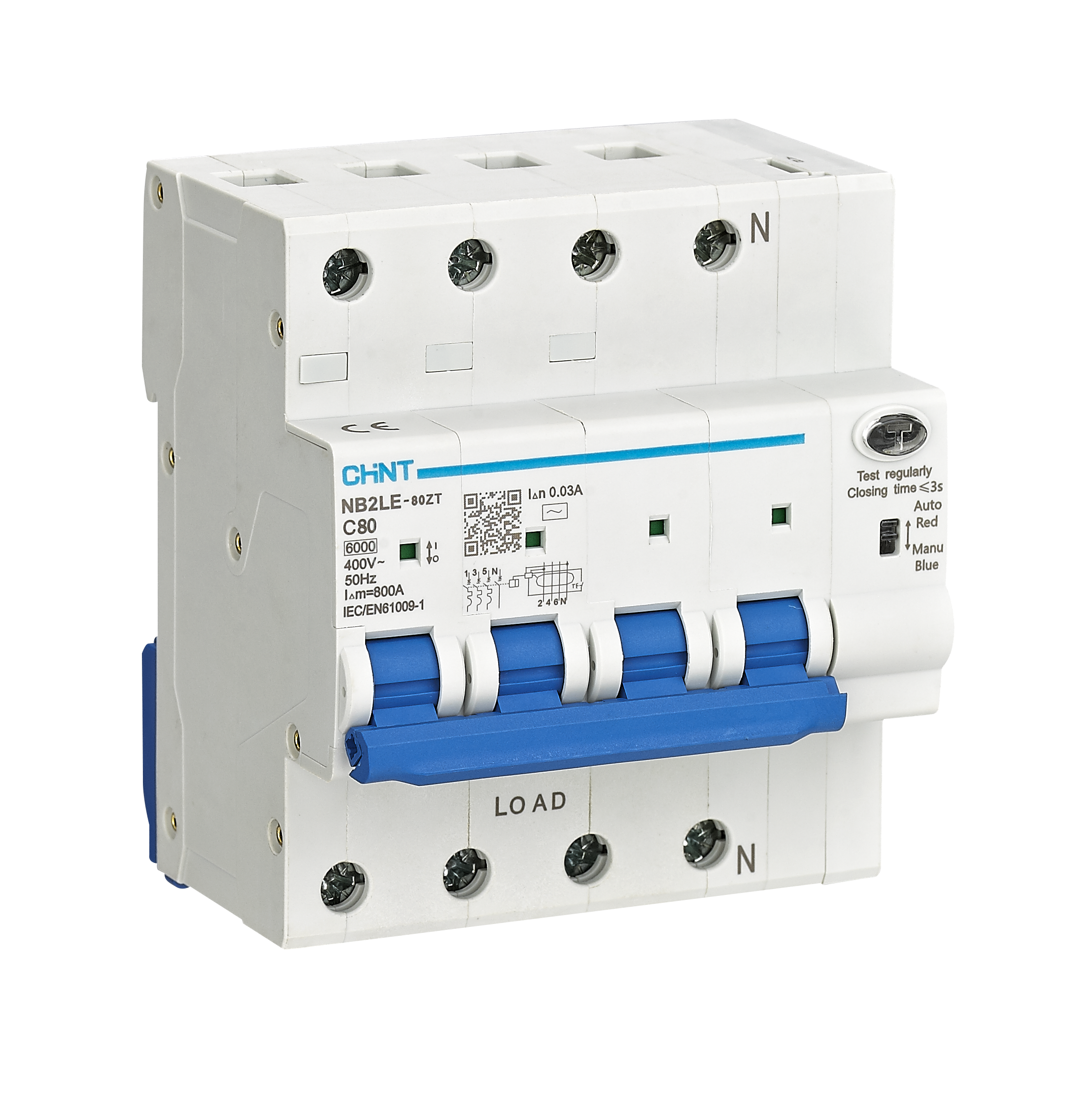
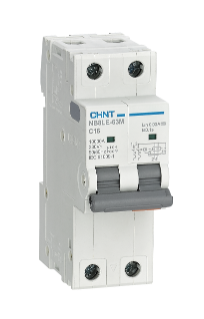
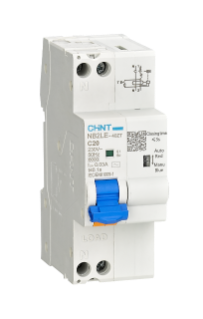
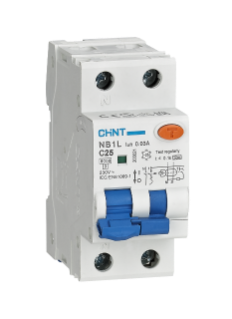
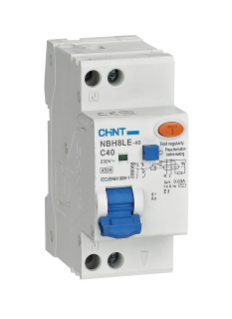
NB2LE-80ZT Residual current action circuit breaker with Overcurrent Protection (Electronic)
NB2LE-80ZT Residual current action circuit breaker with Overcurrent Protection  (Electronic)

NB2LE-80ZT Residual current action circuit breaker with Overcurrent Protection (Electronic)

The CHINT NB2LE-80ZT RCBO is a next-generation smart protection device designed for AC 50 Hz, 230/400 V circuits up to 80 A. It integrates overload, short-circuit, over/under-voltage, and leakage protection, making it ideal for modern electrical systems. Featuring electronic tripping, remote control, and data monitoring via RS485 or Bluetooth, it supports energy metering, communication, and automatic fault diagnostics. Its advanced design ensures high accuracy, reliability, and seamless integration into smart distribution systems.

Product Information

Recommend Blogs
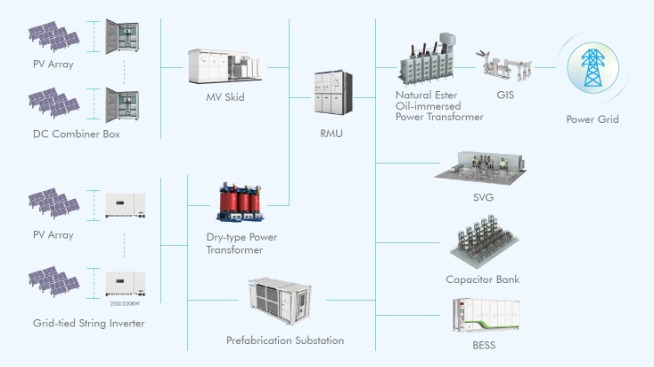
MAY 25, 2026 Getting More from Your Solar Investment: How Smart Switchgear Maximises PV Performance

Long-term solar performance depends on the electrical system, not just the panels. A practical guide to smart switchgear, protection, and combiner box selection for PV.

MAY 25, 2026 Power Quality in Oil and Gas: Why It Matters More Than You Think

In oil and gas, poor power quality can trigger safety shutdowns and damage instrumentation. A practical guide to power quality monitoring for operations teams.

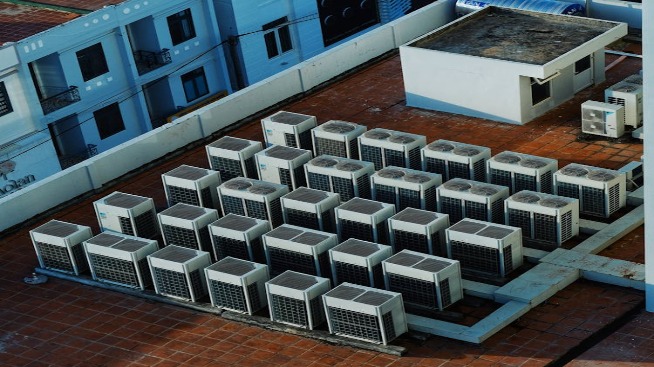
MAY 25, 2026 Fan and HVAC Control Systems in Large Buildings

HVAC uses up to 40% of a commercial building's energy. The electrical control system determines efficiency, reliability, and BMS integration. Here's what to know.

MAY 25, 2026 Emergency Lighting and Power Continuity in Commercial Buildings

In commercial buildings, emergency lighting is a legal requirement. A practical guide to system design, compliance, and integrating backup power with life safety.

MAY 22, 2026 Keeping the Lights On: Power Reliability Strategies for Food & Beverage Facilities

Unplanned downtime in food manufacturing is expensive. Learn how the right electrical components prevent costly stoppages in food processing plants.

MAY 22, 2026 Smarter Water Management: Electrical Control Solutions for Pumps and Water Systems

Learn how the right pump electrical control systems. From VFDs to fire pump panels, improve reliability, cut energy costs, and protect motor assets.

MAY 22, 2026 How to Choose the Right Generator Control System for Your Application

Choosing the wrong generator control components causes failure when it matters most. A practical guide to ATS, circuit breakers, and dual supply design.

MAY 22, 2026 Electrical Solutions for Modern Logistics: Conveyors, Lifts, and Warehouse Automation

As e-commerce pushes warehouse automation to new heights, electrical control systems are under more pressure than ever. Here's how to specify them correctly.

MAY 22, 2026 C&I Solar and Storage: What Businesses Need to Know Before Going Solar

Commercial solar has very different requirements from residential. Learn what C&I solar and storage projects really need to succeed, and what to watch out for.

MAY 22, 2026 Building a Reliable Microgrid: From Planning to Power-On

Plan resilient microgrid projects with practical guidance on topology, storage sizing, switchgear, islanding protection, and technical support teams.

Need Support From Us?

Blog
Blog

Find expert perspectives on the trends and technologies driving your business.

View Now
Download Center
Download Center

Download new and previously released documents including product document, solutions, cases, coporate report.

View Now
Contact Us
Contact Us

Reach out to us to receive more information, technical support, assistance with complaints and more.

Get Support
Collapsed
Expand

FAQs


What makes the NB2LE-80ZT RCBO different from conventional circuit breakers?

It combines residual current detection, overcurrent protection, and intelligent control functions in one device, with smart features like remote operation, RS485/Bluetooth connectivity, and self-testing for enhanced reliability.


How does the communication system work?

The RCBO supports Modbus-RTU via RS485 for industrial integration and Bluetooth BLE 5.0 for mobile or gateway-based monitoring, making it suitable for smart energy management systems.


Can this device replace traditional breakers in existing panels?

Yes. The NB2LE-80ZT is DIN-rail mountable (TH35) and has the same form factor as standard RCBOs, allowing direct replacement while adding smart capabilities.


What environmental conditions can it operate under?

It operates reliably between –25 °C and +70 °C, making it suitable for a wide range of residential, commercial, and industrial environments.


What types of leakage currents can it detect?

Type AC: Detects sinusoidal AC residual currents.

Type A: Detects both AC and pulsating DC leakage currents from electronic loads.