Please enter keywords to search

Global |EN

Choose your country & Language

Asia Pacific

Australia & New Zealand
India
Indonesia
Malaysia
Philippines
Singapore

Middle East & Africa

Kenya
Saudi Arabia
South Africa
United Arab Emirates

Europe

France
Kazakhstan
Netherlands
Spain
Italy
Turkey
United Kingdom

Latin America

Brazil
Colombia
Ecuador
Peru

North America

Canada
Mexico
United States
Low-voltage
Power Transmission and Distribution
Low Voltage Switchgear and Software
Instruments and Meters
Telecom & Data Center
Buildings
Products
Solutions
Project References
Corporate Reports
CHINT Global
CHINT's Insights
Careers
Locate Us
Contact Us
Call Us +91 1202 9750 57
Email Us marketing@chint.co.in
Privacy Policy
Online Services

Choose your country & Language

Australia & New Zealand
India
Indonesia
Malaysia
Philippines
Singapore
Kenya
Saudi Arabia
South Africa
United Arab Emirates
France
Kazakhstan
Netherlands
Spain
Italy
Turkey
United Kingdom
Brazil
Colombia
Ecuador
Peru
Canada
Mexico
United States

Please enter keywords to search

Your search term contains restricted words. Please use different keywords.
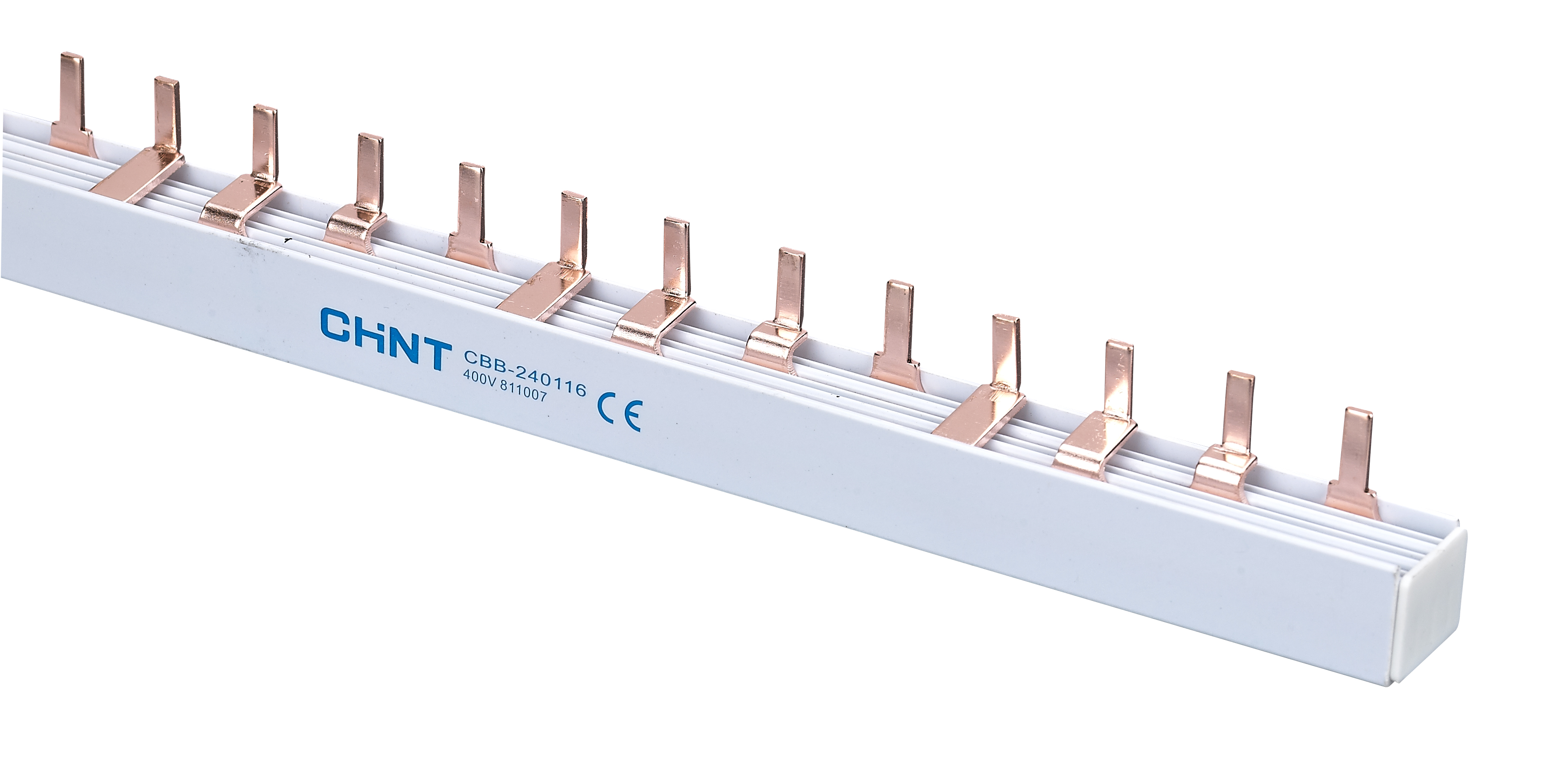
CBB-2 Busbar
CBB-2 Busbar
CBB-2 Busbar
CBB-2 Busbar
CBB-2 Busbar
CBB-2 Busbar

CBB-2 Busbar

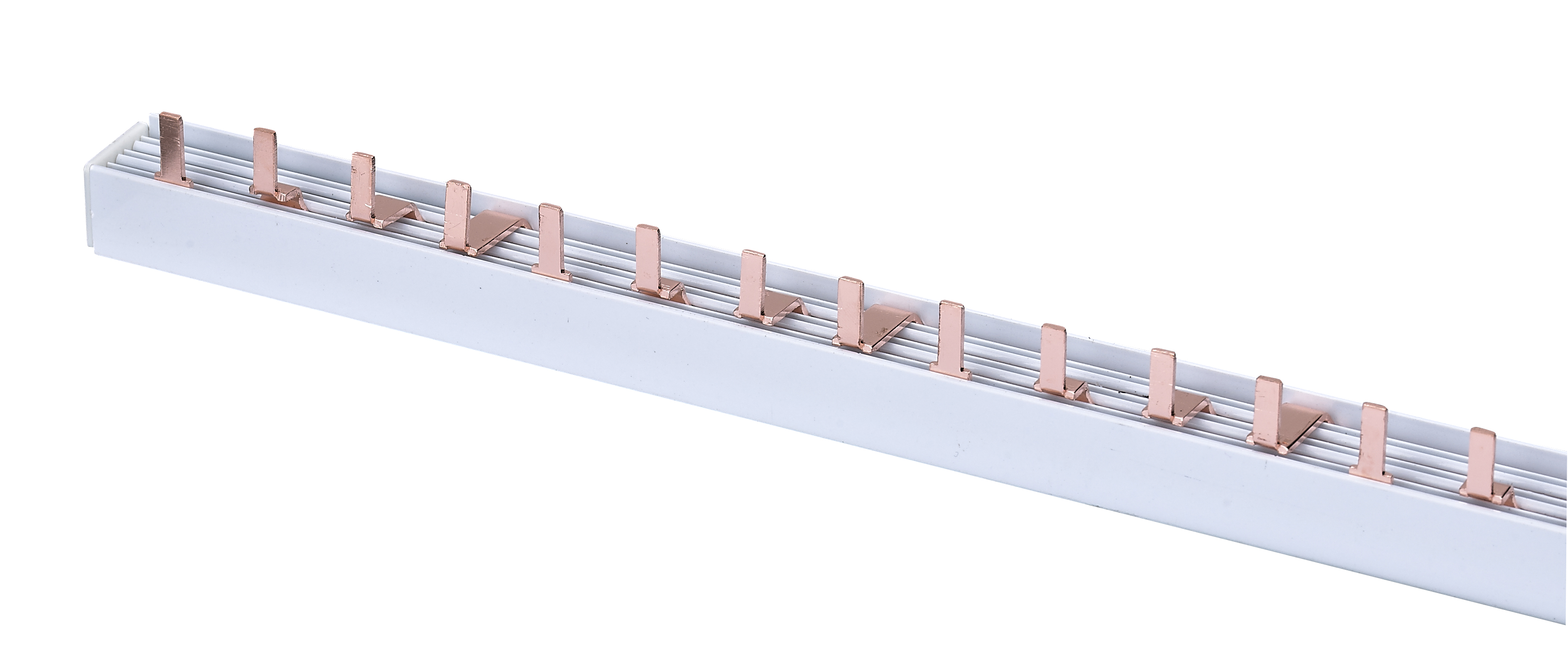
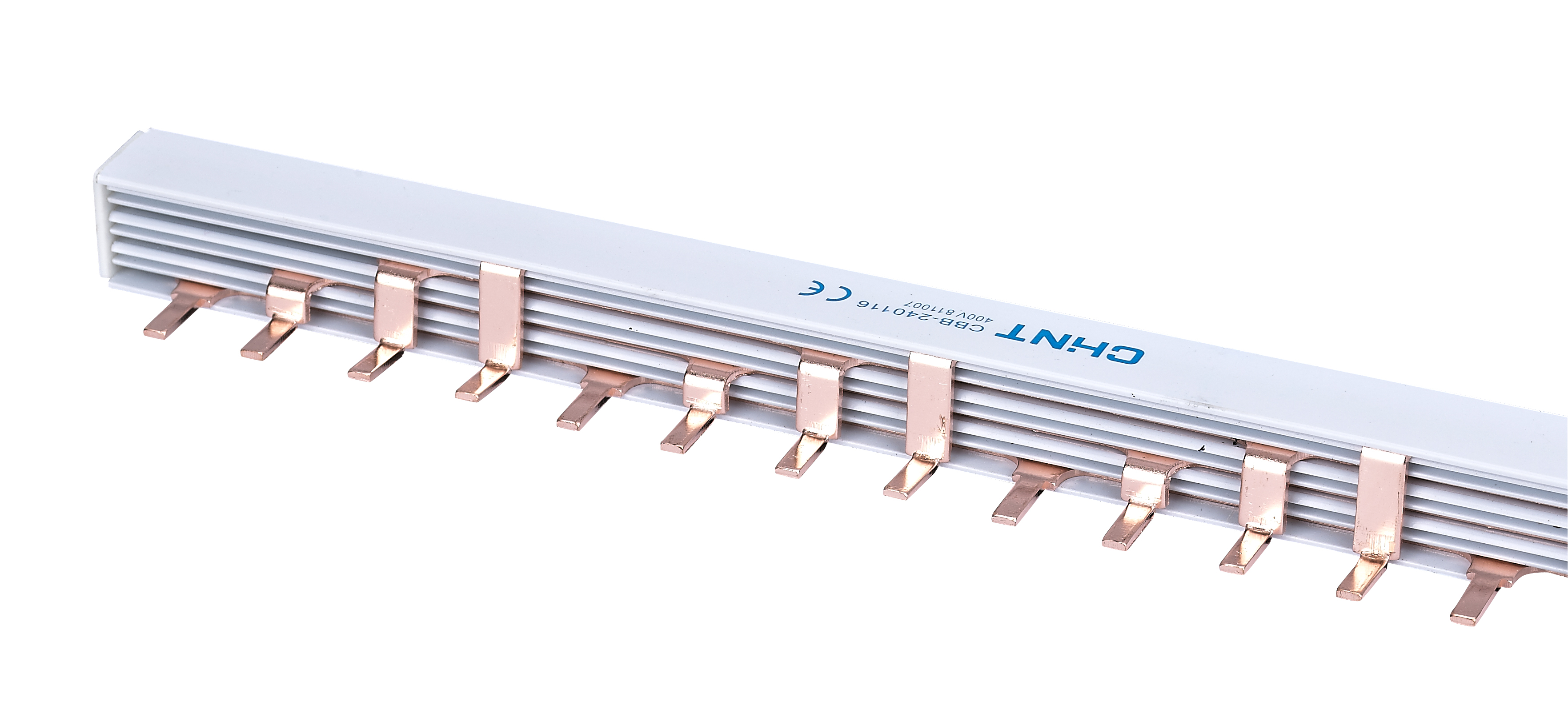
The CBB-2 Busbar is an essential U-type comb busbar specifically designed for modularized low-voltage distribution systems. It enables efficient connection and assembly of 18mm wide components, such as circuit breakers, simplifying wiring and enhancing overall system reliability. Suitable for 1P to 4P configurations and supporting AC 230/400V systems, the CBB-2 significantly enhances safety and promotes space-saving in panel designs. This versatile solution is ideal for efficient power distribution in residential, commercial, and industrial electrical panels, ensuring neat, robust, and compliant connections.

Product Information

Recommend Blogs
APRIL 15, 2026 Why MCCBs Are Critical for Industrial Safety and Compliance at High Voltage Levels

A fuse box upgrade is essential to ensure that your consumer unit can keep up with your current power demand and electric safety needs. Learn more in this article.

APRIL 14, 2026 Creating Energy-Efficient Electrical Installations

Learn how final distribution boards, smart meters, and proper electrical installation design work together to create energy-efficient homes that reduce power waste.

APRIL 14, 2026 Selecting the Appropriate Circuit Breaker for Residential and Industrial Applications

Proper circuit breaker selection entails understanding of circuit breaker types and important selection factors to consider. Learn more in this article.

APRIL 14, 2026 RCCB Tripping Explained: Causes, Nuisance Tripping, and Electrical Fault Diagnosis

In this article, we explain the role of RCCB tripping in electrical safety and what causes unintended or nuisance tripping.

APRIL 14, 2026 Why OEMs Are Standardizing on Modular Breaker Platforms

Learn why OEMs adopt modular circuit breaker platforms to cut engineering time, boost design flexibility, and streamline industrial projects.

APRIL 14, 2026 Why Modular Electrical Solutions Offer Faster ROI

Discover how modular electrical systems and prefabricated LV/MV solutions deliver faster ROI through reduced timelines and predictable costs.

APRIL 14, 2026 How to Plan a Fuse Box Upgrade: Costs, MCB Installation, and Safety Benefits

A fuse box upgrade is essential to ensure that your consumer unit can keep up with your current power demand and electric safety needs. Learn more in this article.

APRIL 13, 2026 Common Wiring Mistakes That Reduce Safety in Homes

How do hidden home wiring mistakes impact safety, and why electrical compliance matter? Learn how correct MCB selection reduces risk in modern homes and long-term reliability.

APRIL 13, 2026 How to Install and Use Your Home EV Charger Safely

Learn how to safely manage home charging with expert tips on EV charger installation, daily use, and protective measures for reliable, stress-free charging.

MARCH 10, 2026 How Surge Protective Devices (SPDs) Keep Your Small Business Equipment Safe

Learn how surge protection and electrical protection strategies support small business power needs, reduce downtime, and keep equipment reliable as demand grows.

Helpful Links

Blog
Blog

Explore expert insights, trends, and CHINT perspectives on the smart energy industry.

Read More
Resources
Resources

Download essential CHINT resources for your business needs.

Download Now
Contact Us
Contact Us

Have questions? Contact us for support and solutions.

Get Support
Collapsed
Expand

FAQs


What is the purpose of the CBB-2 Busbar?

The CBB-2 Busbar is used to distribute power efficiently across multiple circuit breakers or modular devices, simplifying wiring and enhancing safety in low-voltage panels. 


What configurations are available?

It comes in 1P, 2P, 3P, and 4P configurations, compatible with CHINT NB1 and NB2 modular devices. You can select from 10 mm² or 16 mm² cross-sections, depending on current load requirements. 


What is the difference between U-type and Pin-type Busbars?

U-type Busbars use forked terminals, ideal for devices with U-shaped input terminals.

Pin-type Busbars use solid pins, suitable for devices with pin entry terminals.

Both ensure secure, low-resistance connections. 


What environmental conditions can the CBB-2 operate in?

It operates reliably between −5 °C and +40 °C, at altitudes up to 2000 m, and with humidity up to 90 % at 20 °C, making it suitable for most indoor installations. 


Is the CBB-2 compatible with CHINT circuit breakers?

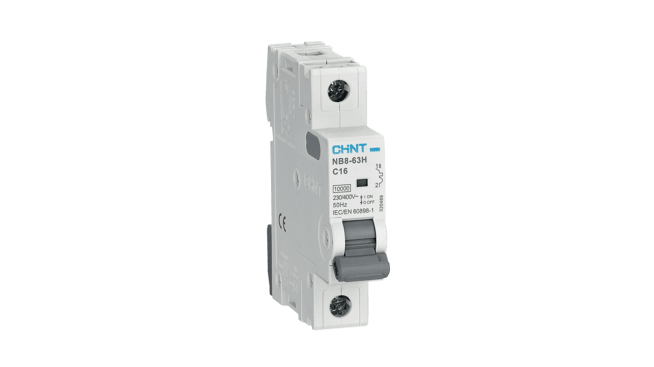
Yes. It’s designed to perfectly integrate with CHINT NB1, NB2, and NB3 series Miniature Circuit Breakers (MCBs) and related modular protection devices.