

Introduction
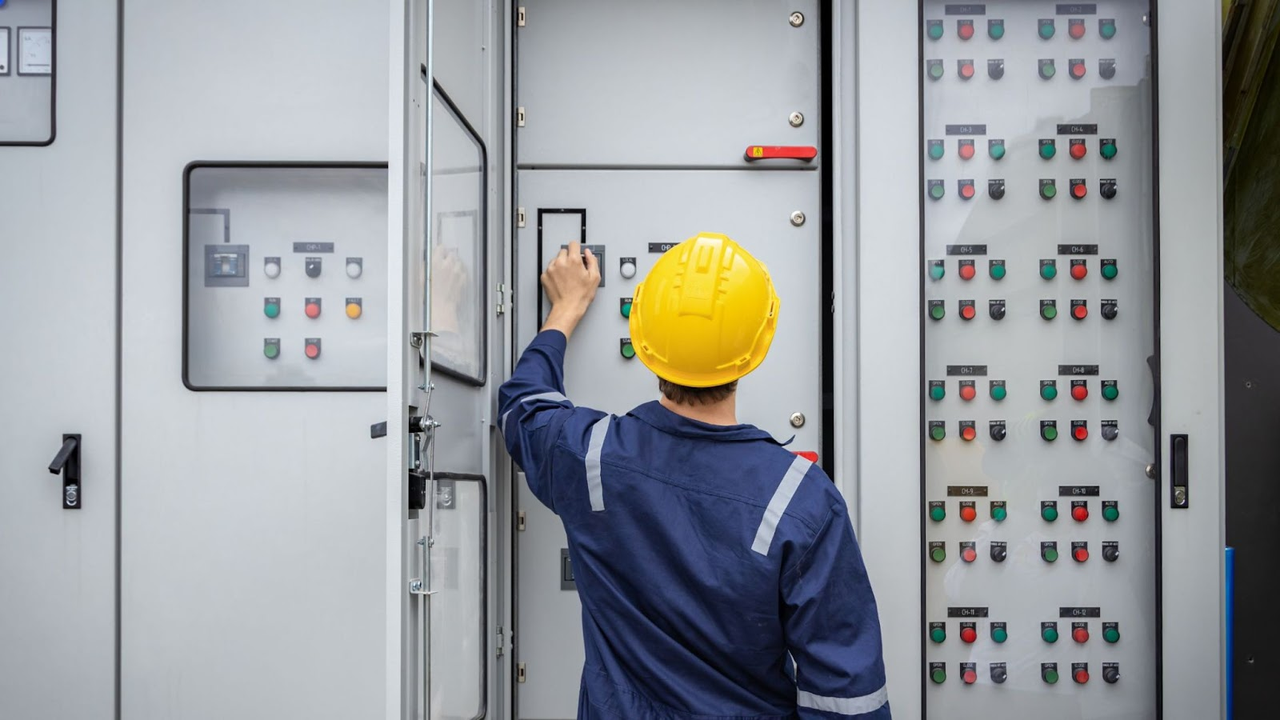
A fuse box is integral to the safety and efficiency of the electrical system of an industrial facility. This centralized electrical panel distributes electricity to various circuits around the establishment and ensures that every area receives sufficient power. It also contains fuses or circuit breakers as protection against electrical overloads.
However, outdated and older fuse boxes may not accommodate a facility’s growing power demands or may become ineffective in shutting off electric flow. The solution is a fuse box upgrade that can maintain the fuse’s reliability and performance, and improve its scalability when there is a significant load increase in the circuit.
Why Industrial Fuse Box Upgrades Are Necessary?
A fuse box upgrade often entails substantial monetary investment. But this proactive measure is worth every dime as it enhances your facility’s electrical safety, performance, reliability, and scalability.
An aging fuse box suffers from corrosion and natural wear, which makes it prone to frequent unintended tripping and downtime. Continuous use of an old fuse box can lead to frequent nuisance tripping that can interrupt business operations or damage machinery. In contrast, a new and upgraded fuse box comes with fresh components with better thresholds against unintended tripping. It can reduce power interruptions and avoid costly production delays.
Another problem with outdated fuse boxes is their inadequate capacity to keep up with technological advancements or an increase in power demands. When machinery and equipment are modernised, the original fuse box may struggle to handle higher voltages or additional circuits. This mismatch can lead to overloaded circuits that can cause fires. So, to protect staff, equipment, and the electrical system, you must upgrade your fuse box as you introduce a lot of new technologies in your system.
Understanding Fuse Box Upgrade Costs
The cost of a fuse box upgrade can range from $200 to $1500, depending on various factors. To give you an idea of how much an upgrade costs, here are some cost drivers you must consider.
- New Fuse Equipment and Component: The bulk of the upgrade cost comes from the price of the new equipment, such as fuses, circuit breakers, busbars, weatherheads, and isolation switches.
- Installation Labor: You need to hire a professional electrician who will perform the upgrade. And if the electrician needs a specialized tool (e.g., multimeter, torque wrench, insulation resistance tester), expect the cost to skyrocket. Take note also that electrician rates vary by region.
- Facility Size and Accessibility: Larger facilities with complex architecture and intricate electrical systems need extensive and costly fuse box upgrades that involve thicker and premium-quality wires. If the fuse is also situated in a difficult-to-reach spot or a cramped space, you might need to reroute wires during the upgrade that entails longer labor hours.
- Load Requirements: A facility with high load requirements needs an upgraded fuse box that is capable of safely managing larger currents. This means choosing fuse boxes, circuit breakers, busbars, and wiring rated for higher amperages, which are more expensive than standard options.
- Compliance and Inspection Fees: Several standards and regulations require compliance and inspection fees when upgrading or installing industrial fuse boxes. For instance, the United States has the NEC (NFPA 70) that sets the benchmark for safe electrical design, installation, and inspection in the country. Adherence is mandatory in most jurisdictions, and inspections are required for new installations and upgrades.
MCB Installation in Industrial Fuse Box Upgrades
One form of fuse box upgrade you may consider is Miniature Circuit Breaker (MCB) installation. Compared to the traditional fuse boxes, MCBs do not melt its wire to break the circuit (which requires immediate rewiring or replacement). Instead, they automatically trip (or switch off the circuit current) when there is a short circuit or overload. Hence, MCBs are faster and more reliable in responding to faults, minimizing electric hazards and fires, and preventing electrocution.
Furthermore, MCBs offer significant scalability. As the electrical demands of a facility increase, MCBs can be easily installed or augmented to accommodate additional circuits to ensure that the system remains flexible and capable of handling increased loads. MCBs also have higher fault tolerance than traditional fuses, which means that they can better manage overloads and short circuits.
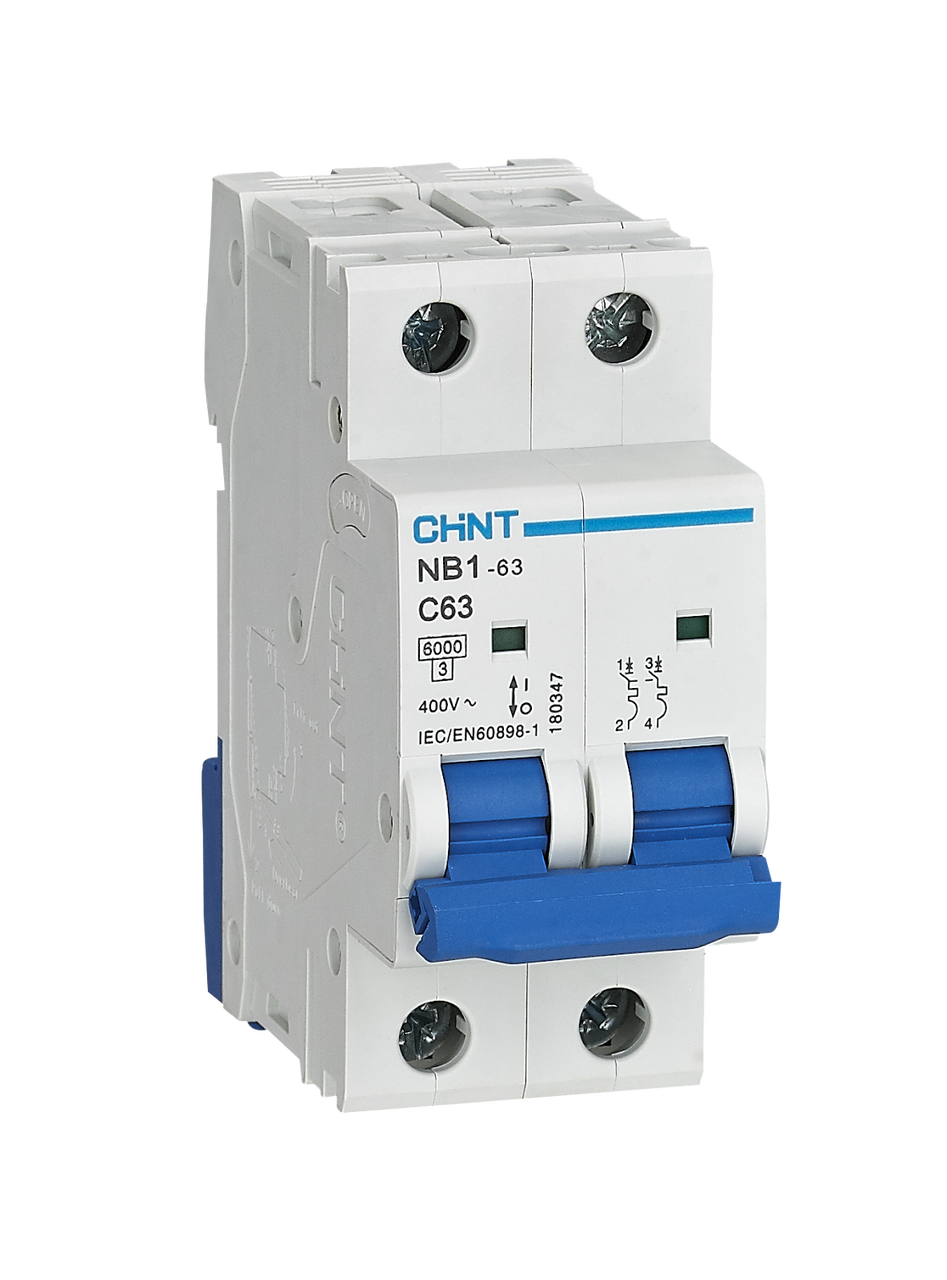
Commercial and industrial electrical distribution systems can reduce operational downtime and inefficiency by investing in a top-rated MCB with superior circuit protection for short circuits and overload. For instance, CHINT’s NB1-63 MCB is an industrial-grade MCB designed for robust handling of electrical faults to safeguard your facility’s equipment, avoid electric shocks, and minimize downtime. This product features three tripping curves for industrial applications: B curve for people and long cables in TN and IT systems, C curve for resistive and inductive loads with low inrush current, and D curve for circuits that supply loads with high inrush current at the circuit closing.
Safety Benefits of Fuse Box Upgrades
Workers' safety is often at the top of the manager’s mind when they upgrade their facilities’ fuse boxes.
When a facility operates with an old fuse system, it is the thin wires that shoulder any excess current. These wires melt to trip the circuit, which is often a slow and unreliable method to cut current flow. Hence, an outdated or old fuse box might have inconsistent performance in interrupting electric flow during a fault, which can cause serious injury to nearby workers.
Recall that MCB installation is one way to upgrade a fuse box. But some modern boards also integrate residual current devices (RCDs) or residual current breakers with overcurrent protection (RCBOs) that work alongside MCBs for layered defence. MCBs address overloads and short circuits, while RCDs and RCBOs act directly against electric shock by detecting leakage currents and disconnecting power promptly. This coordinated safety mechanism is significantly more reliable than traditional fuses could ever provide.
Planning and Execution: Steps for Industrial Fuse Box Upgrade
So, how to upgrade your fuse box? Here is a simple step-by-step instruction you may follow.
Step 1: Perform a Site Assessment
Check the condition of the existing fuse box installation. You may enlist the help of a licensed electrician to inspect the current consumer unit, wiring, and main supply. Make sure to check if the infrastructure can safely handle substantial modern electrical loads. To do this, evaluate the total demand from appliances such as air-conditioning units, computers, refrigerators, or any other industrial equipment.
Step 2: Select Equipment and Design
After the assessment, you and the electrician must decide on the new design and layout of the fuse box or consumer unit. Some of the latest fuse designs and equipment include miniature circuit breakers (MCBs) that protect individual circuits against overload, residual current devices (RCDs) or residual current breakers with overcurrent (RCBOs) that protect against electric shocks, and surge protection devices (SPDs) that guard against voltage spikes.
Step 3: Remove the Old Fuse Box
The next phase is to dismantle the old fuse box. The electrician will disconnect each circuit and remove the outdated fuses, rewirable carriers, or old breaker systems. Make sure to check the condition of the wiring and look for visible signs of overheating, brittleness, or insulation damage.
Step 4: Install and Test the Upgraded Fuse Box
The new fuse box is then mounted securely on a wall or board. The electrician will connect the main supply tails, specifically live, neutral, and earth, into the appropriate terminals. All connections must be tight and properly sized.
Upon fuse box installation, the electrician must conduct a series of electrical tests to verify that the system is safe and fully operational. In particular, the following must be checked:
- Tightness of all connections
- Correct polarity and earth continuity.
- Insulation resistance tests are performed to verify that the wires have no damage that can cause leaks.
- Loop impedance and fault current tests to confirm that the system will trip breakers quickly in the event of a fault.
Frequently Asked Questions
1. What are the signs an industrial fuse box needs upgrading?
Your industrial fuse box needs upgrading when it uses old rewirable fuses or obsolete breaker types that might mismatch with modern appliances. Moreover, your fuse box needs upgrading if there are visible scorch marks or a burning smell, which may hint that the components are overheating.
2. Can Operations Continue During an Industrial Fuse Box Upgrade?
Oftentimes, operations must stop during an industrial fuse box upgrade because the main electrical supply is disconnected for safety. However, limited operation continuity may be possible if backup generators or temporary power supplies are provided. You and the licensed electrician must plan carefully to prevent downtime.
3. When to Upgrade an Industrial Fuse Box?
If your fuse box is around 25 years old or above, it is highly suggested to replace or upgrade it to keep up with your current electrical demands and minimize electrical hazards.
Choose a Premiere Fuse Box Upgrade Solution from CHINT
A fuse box upgrade is a helpful measure to safeguard the facility’s workers, equipment, and circuits from electric faults. It also ensures that your fuse box can support your growing power and load requirements.
CHINT offers leading-edge fuse box upgrade solutions, such as NB1-63 MCB, that promote enhanced electrical circuit safety, reliability, efficiency, and scalability. For more information, visit CHINT’s official website today or schedule a consultation with a professional.