

Table of Contents |
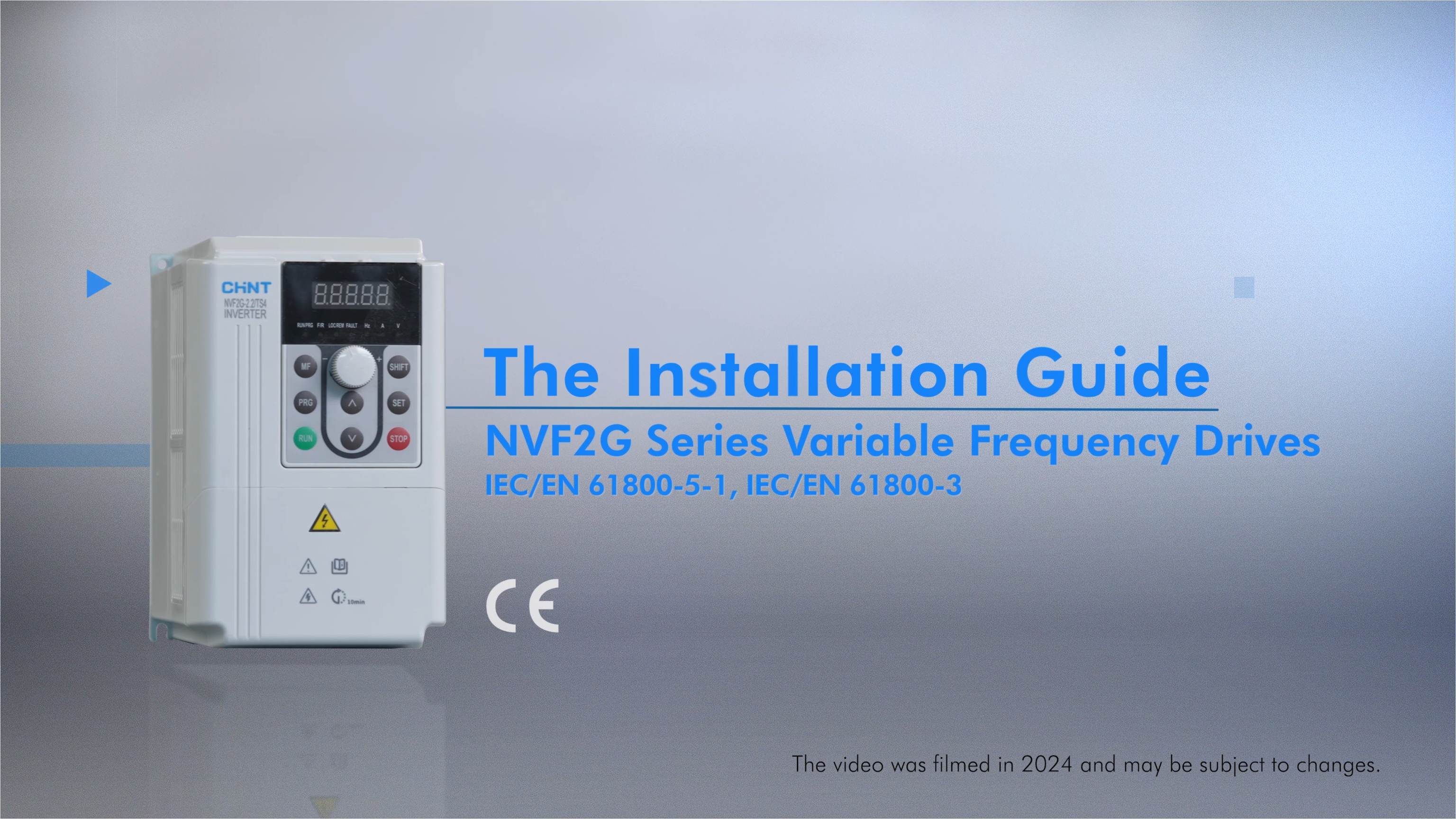
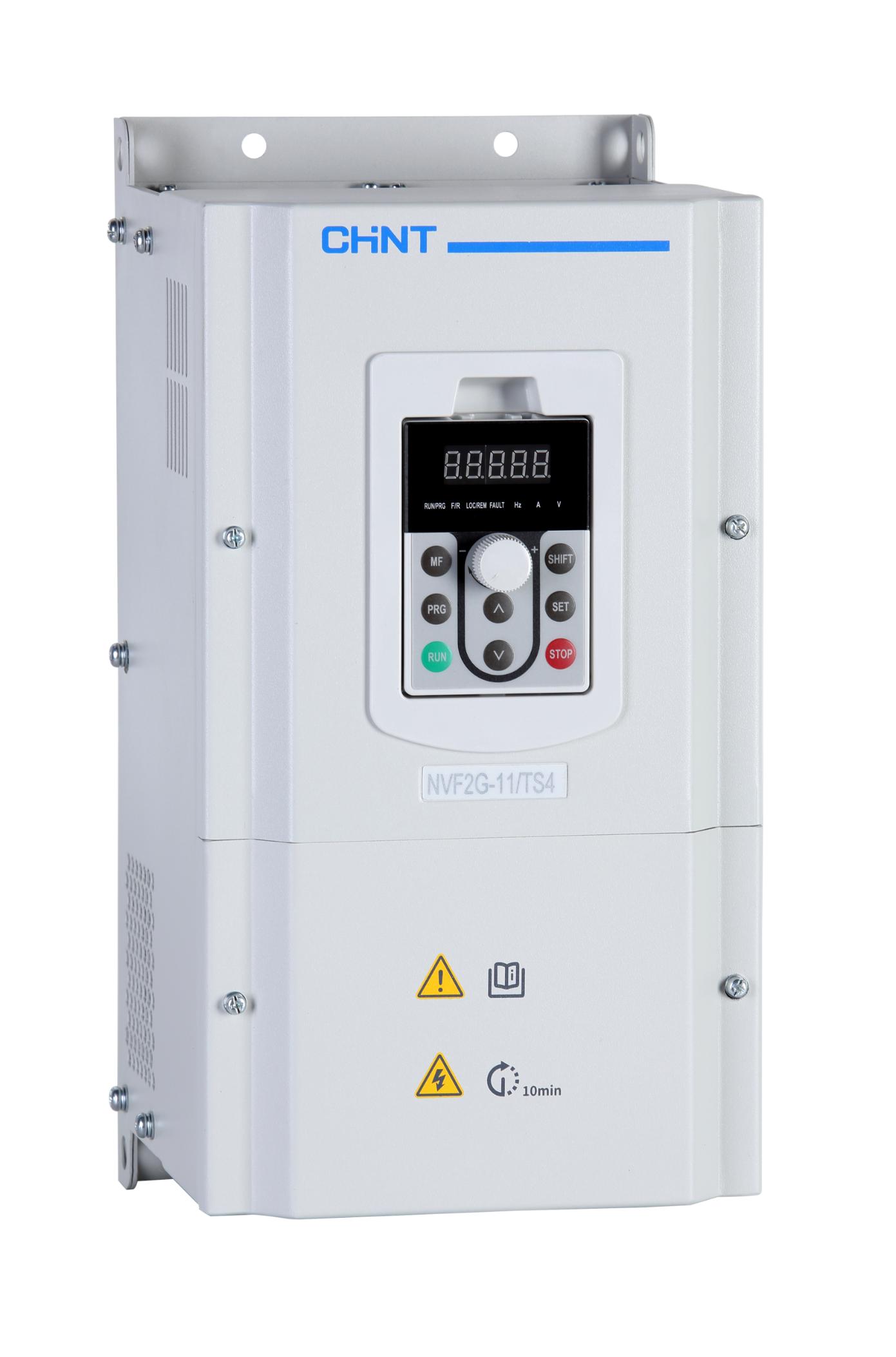
The NVF2G Variable Frequency Drive is a top solution for frequency conversion and speed regulation. It helps ensure operational precision effectively. These advanced VFD drives enable smooth motor starts. They improve accuracy and enhance overall system performance for AC asynchronous motors. This guide explores the variable frequency drive installation process in detail.
Tools Needed for Installing NVF2G Series Variable Frequency Drives
Proper preparation is key. It helps ensure a successful variable frequency drive installation. Here’s what you will need:
- Electric screwdriver
- Wire strippers
- Wire crimping pliers
- Wires of appropriate specifications
- Twisted-pair shielded cables
- Wire lugs
- Screwdrivers
- Insulating gloves
Cautions for Installing NVF2G Series Variable Frequency Drives
Installing the NVF2G Series variable frequency drive requires strict adherence to safety protocols. Understanding and following these cautions will protect both the equipment and the installer:
1. Disconnect the Power Supply Before Installation
Always ensure the power supply is completely disconnected before proceeding with the variable frequency drive installation work. This prevents potential electrical shock and protects sensitive equipment components.
2. Wear Insulating Gloves and Protective Goggles
Wear these two personal protective equipment items. They provide critical protection against electrical hazards and potential accidents.
3. Do Not Open the Enclosure within 10 Minutes of Power Disconnection
Electrical capacitors of the variable speed drive can retain charge even after power disconnection. It is recommended to wait at least 10 minutes.
4. Vertical Installation Requirements
When installing multiple variable frequency drives vertically, make sure to add windshields between VFD drives. This ensures proper cooling and prevents heat transfer between units.
5. Oblique Installation Guidelines
For oblique installations of variable frequency drive solutions, make sure to separate the air ducts on the inlet and outlet sides. This helps maintain proper ventilation and prevents potential thermal interference between VFDs.
How to Wire NVF2G Series Variable Frequency Drives
Precise wiring is critical for optimal variable speed drive performance. Follow these guidelines:
1. Analog Input Terminals (AI1/AI2)
These terminals feature a common GND terminal critical for precise signal processing.
AI1 offers flexible configuration for voltage or current input through jumper J601. To set voltage input, short J601 1-2; for current input, short 2-3.
Additionally, the 485+ and 485- terminals comply with the RS485 communication standard, enabling advanced networking capabilities.
Before configuration, carefully strip 9-11 millimeters of copper wire to ensure proper connection.
2. Analog Output Terminals (AO1/AO2)
These terminals include a common GND for consistent signal reference.
AO1 supports configurable voltage or current output via J603 jumper settings. For voltage input, short J603 1-2; for current input, short 2-3.
Variable speed drive wiring flexibility is further enhanced by source/sink configuration: source wiring requires shorting 1-2 of J606. Sink wiring needs 2-3 shorting.
3. Relay 1 Contact Outputs (R1A/R1B/R1C)
R1A and R1B function as normal open contact groups, while R1C and R1B serve as normal close contact groups.
These relay outputs provide comprehensive signal management capabilities. The multiple contact configurations enable complex control scenarios.
4. Relay 2 Contact Outputs (R2A/R2B/R2C)
Mirroring Relay 1’s design, these contact outputs offer additional signal routing options. R2A and R2B operate as normal open contact groups. R2C and R2B function as normal close contact groups.
5. Main Circuit Wiring
The Y1\COM open collector output further expands the signaling flexibility of the variable frequency drive.
For primary circuit connections, connect R/S/T to the power supply and U/V/W to the motor. When implementing brake functionality, remove the yellow card and connect the external brake resistor to the “+” and “B” terminals.
Critical Installation Note: The far-left terminal serves as the grounding terminal, exclusively connectable to protection terminal P1. Prohibit connections to other main circuit terminals to prevent potential variable frequency drive damage.
How to Test the NVF2G Series Variable Frequency Drives
Thorough testing ensures proper installation and functionality of your VFD drives. Here are the guidelines/recommendations:
- Ground the Protection Terminal Reliably: Ensure the protection terminal connects to a reliable ground connection. The grounding wire’s cross-sectional area should match the input power line.
- Connect DC Bus Terminals as Required: Carefully connect the positive and negative DC bus terminals according to manufacturer specifications. Verify polarity and ensure secure connections for stable power delivery.
- Configure External Brake Terminals: If using an external brake system, carefully configure the brake terminals. Verify that connections match your specific motor and application requirements.
- Power On and Check Display: Review that all wiring connections are correct. Also, confirm voltage matches variable frequency drive and motor specifications. Power on for 1 or 2 seconds, the display should initially show 50.00hz.
Conclusion
Installing Variable Frequency Drives can seem complex. Following the comprehensive installation guidelines is key to ensuring a safe, efficient setup. At CHINT, our NVF2G Series is designed to simplify the process with user-friendly features and robust performance. We also have a dedicated technical support team ready to assist you at every step. Contact us for comprehensive support and additional guidance.