

Introduction
An airport never really sleeps. Behind every runway light and control tower screen, airport power keeps moving, quietly and constantly. When it falters, everything slows.
That’s why critical power systems sit at the heart of aviation operations, designed to absorb stress, manage change, and keep people, aircraft, and schedules moving safely.
Why Airport Power Requires Unwavering Reliability
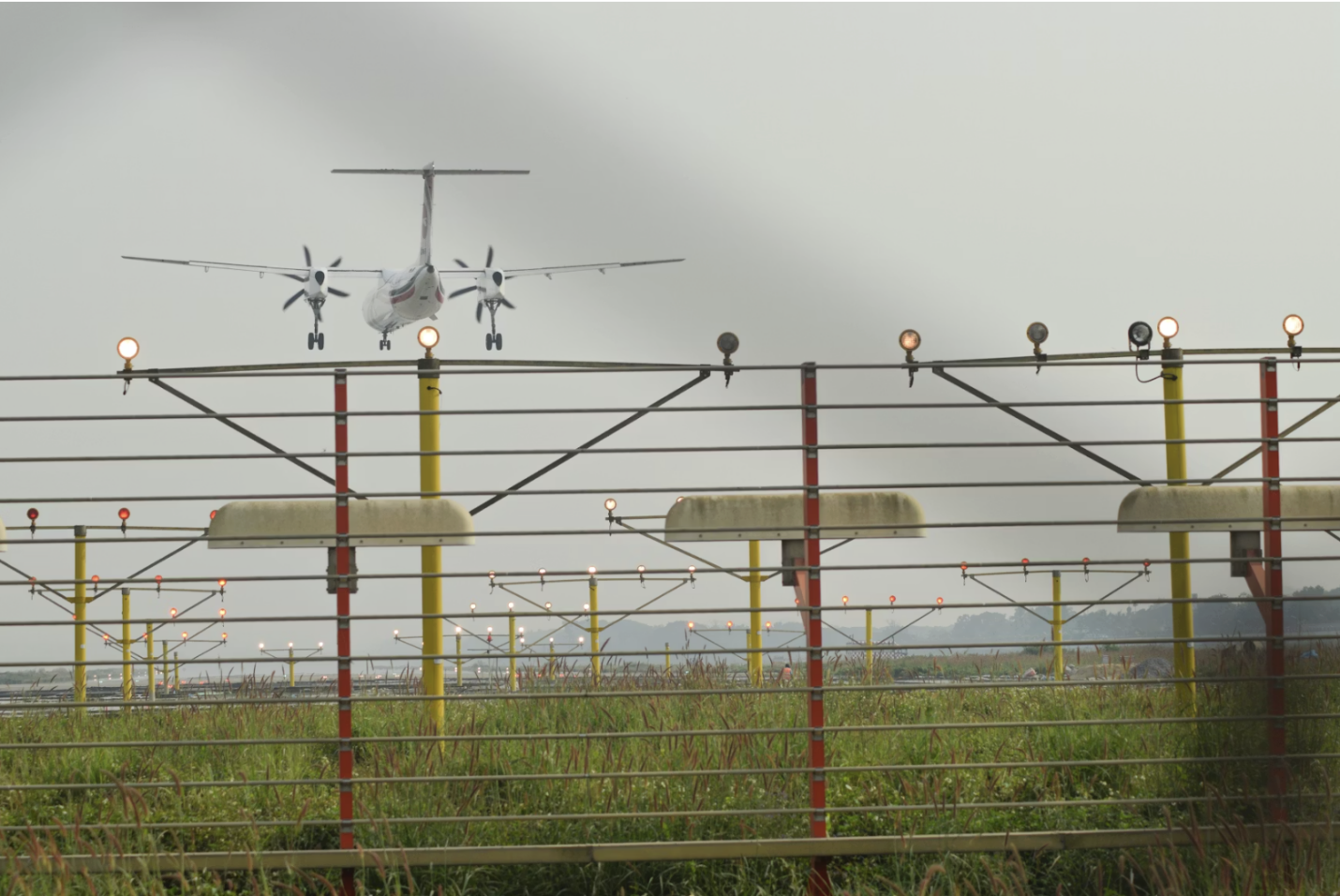
Airports run on electricity long before aircraft leave the ground. Runway lighting guides arrivals in poor weather. Control towers depend on uninterrupted screens and radios.
Security screening, fuel pumps, baggage conveyors, ventilation systems, and emergency response equipment all assume power is always there.
When that assumption breaks, the impact spreads fast. Industry reviews and government findings have documented hundreds of airport outages over recent years, triggering flight cancellations, missed connections, financial losses, and hours of operational paralysis.
Even brief interruptions can strand passengers, ground crews, and aircraft simultaneously.
This is why continuous power supply for airports is treated differently from power in typical commercial buildings. Offices can pause. Airports cannot.
A short dip in voltage or a delayed restart can compromise safety systems, erode public confidence, and disrupt national mobility in a matter of minutes.
Electrical continuity becomes a foundation, not a feature. Every layer of distribution, protection, and backup is designed with the assumption that failure is unacceptable, not merely inconvenient.
Reliability here is about trust as much as technology. Travelers trust that systems will work. Airlines trust schedules will hold. Authorities trust infrastructure will respond under pressure.
In aviation, resilience isn’t optional. It’s engineered into the power system because the cost of uncertainty is measured not only in money.
How Critical Infrastructure Power Systems Are Structured for Stability
Stability in major infrastructure doesn’t come from one strong component. It comes from structure. Airports, like hospitals and data centers, design their power networks to expect stress and absorb it without flinching. That mindset shapes how critical power systems are built from the ground up.
Resilience starts with redundant feeds. Multiple utility sources reduce single points of failure. From there, loads are clearly separated.
Essential systems stay isolated from non-essential ones, so protection and backup power are always focused where safety and continuity matter most. Layered protective devices add another line of defense, stopping faults early before they spread.
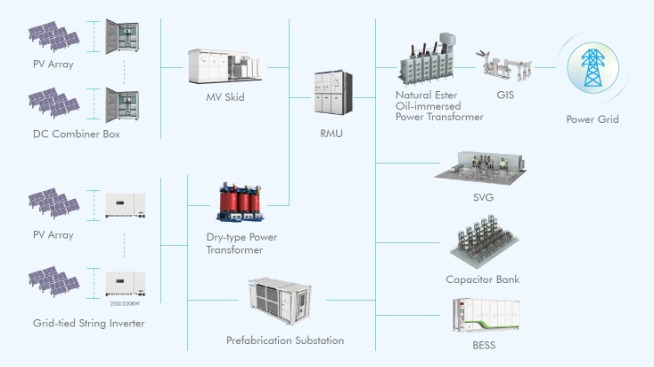
Energy security rests on familiar pillars: reliability, availability, and protection from disruption. Structured electrical architectures support all three by working together as an engineered chain:
- Medium-voltage intake - bringing power in efficiently and securely
- Transformers - stepping voltage down with control and resilience
- Low-voltage distribution - directing power precisely to defined loads
- Backup assets - standing ready when the grid can’t deliver
Airports follow strict design philosophies because there’s no room for improvisation. Like emergency response facilities, they assume systems must perform during the worst moments, not just normal ones.
Every layer supports the next, creating stability that feels invisible to passengers but remains critical to safe, uninterrupted operations.
Main Distribution Boards as the Anchor of Controlled Airport Power
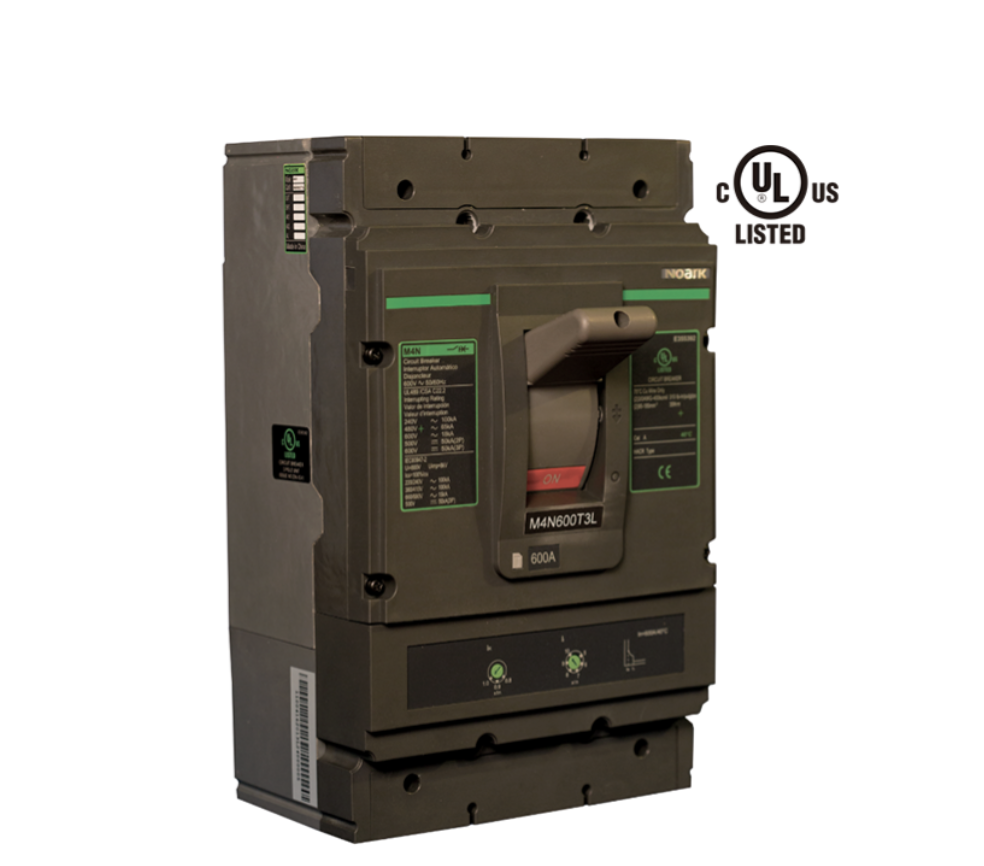
Main Distribution Boards (MDBs) sit quietly at the center of airport power, but their influence is anything but small. MDBs act as the control point for low-voltage distribution, deciding where energy flows, how it is protected, and what stays alive when demand spikes.
In critical power systems, that control is what keeps operations steady when terminals are full and systems are stretched.
Predictability comes from design details. Coordinated breakers ensure faults are isolated without shutting down entire sections. Selective tripping limits disruption to the smallest possible area. Internal segregation keeps heat, arcs, and faults from crossing boundaries.
Thermal stability matters too, especially during peak travel seasons or when multiple mechanical systems start at once. Together, these features turn heavy load into something manageable.
Airport MDB design considerations shape every decision:
- Essential load prioritization so safety systems never compete for power
- Fault-level withstand requirements to handle sudden surges
- Short-circuit discrimination for precise fault clearing
- Redundant feeders and bus couplers to maintain continuity
- Integration with backup sources like generators and UPS
Once this backbone is in place, distribution becomes calmer and more controlled. CHINT supports this role through its LV main power distribution portfolio, including ACBs and MCCBs designed for coordination, endurance, and integration.
Used thoughtfully, these components help MDBs do what they’re meant to do: keep airport power organized, predictable, and under control.
Backup Power Systems That Protect Airport Operations During Disruptions
When utility power drops, airports can’t pause to think. Backup systems have to act on instinct, almost automatically. That’s why layered backup architecture matters.
Resilience, as many industry leaders point out, isn’t just about having generators on standby. It’s about fast recovery, real redundancy, and transitions so smooth they barely register inside the terminal. This approach defines modern backup power solutions for aviation facilities.
Each layer has a role, and the order is deliberate:
- UPS systems respond first. They handle the instantaneous switchover. Navigation aids, control towers, IT networks, security systems, and emergency lighting stay energized without a blink. Those first seconds are critical, and UPS bridges them quietly.
- Generators provide staying power. If outages last longer, generators step in. They’re built for endurance, supporting long-duration operations and keeping core airport functions running until normal supply returns.
- ATS and MV switchgear manage transitions. Automatic Transfer Systems and medium-voltage switchgear coordinate the handoff between sources. Their job is precision, ensuring power shifts without electrical shock to sensitive equipment.
Supporting this sequence are transformers, MV switchgear, and LV secondary distribution boards that route energy directly to essential-load circuits.
CHINT contributes to this ecosystem through coordinated power transmission and distribution solutions, helping airports maintain continuity even when external conditions turn unpredictable and demanding.
Ensuring Electrical Reliability in Critical Infrastructure Through Real-Time Monitoring
Problems in critical facilities rarely arrive with warnings. They build quietly, hidden in small changes that look harmless until something trips.
Modern sites depend on early detection, not late alarms. Seeing drift early gives operators time to act, adjust, and avoid disruption altogether.
Real-time monitoring turns electrical behavior into something visible and understandable. As for critical power systems, this visibility becomes another layer of protection, running constantly in the background.
Typical parameters under watch include:
- Voltage stability - catching dips or spikes before equipment feels stress
- Breaker status - confirming protection devices are ready and responsive
- Load imbalance - often the first hint of uneven demand or developing faults
- Harmonic distortion - a silent contributor to overheating and inefficiency
- Power factor degradation - signaling declining system performance
- Asset temperature - exposing wear long before failure
Advanced monitoring also strengthens security. Unusual patterns can reveal unauthorized changes, mis-operations, or early-stage faults that threaten continuity. It’s not just about power quality, but about system integrity.
CHINT’s instrumentation and metering systems, including power meters and network analyzers, support this approach by delivering accurate, real-time data across distribution layers.
When data is clear and timely, decisions improve, maintenance becomes proactive, and critical infrastructure stays steady even under pressure daily.
Practical Considerations for Designing Airport Power Systems
Designing airport power systems is less about ideal diagrams and more about decisions that hold up at 3 a.m. under load. Engineers balance standards with real operating conditions, knowing small choices can have outsized effects later.
When designing a power system for aviation, the following should be considered:
- Fault-level studies and breaker coordination. Short-circuit levels change as networks grow. Protection settings must stay selective so one fault doesn’t shut down half a terminal.
- Redundancy of feeders and distribution paths. Dual paths reduce dependence on a single cable, bus, or transformer. Redundancy only works if routes are physically and electrically independent.
- Separation of critical, essential, and non-essential loads. Not everything deserves backup power. Clear load hierarchy keeps capacity focused where safety and operations depend on it.
- EMI and harmonic control. Modern airports run sensitive electronics alongside heavy mechanical loads. Capacitors and filters help manage distortion before it overheats equipment or confuses controls.
- Environmental and operational conditions. Heat, vibration, dust, and round-the-clock operation affect LV and MV equipment lifespan. Ratings and enclosure choices matter more than paper specs suggest.
Good airport power design comes down to engineering judgment. Systems must behave predictably, recover cleanly, and stay understandable long after commissioning teams leave the site.
Conclusion
Continuous airport power underpins national mobility and public trust. Reliable operations come from disciplined design: robust MDBs, layered backup systems, and intelligent monitoring.
With integrated LV, MV, and monitoring solutions, CHINT supports critical infrastructure teams striving for long-term stability, predictability, and resilience across complex airport environments.