

Table of Contents |
Switchgears regulate and protect power systems by isolating electricity via different controls. Simply put, they are a collection of circuit breakers, fuses, and power conductors you can use to manage electrical equipment. You will often find this collection of controls enclosed in a metal structure called metal enclosed switchgear.
Several industries, manufacturers, and households take advantage of these products to control the energy that powers their devices and machinery. Those who need to quickly and regularly shut the power off of equipment will benefit from using switchgear.
In other words, these machines control how the electricity flows in a determined system. That way, owners ensure safe and efficient energy use. When a circuit breaker inside switchgear cuts the power off, it limits damage to a system in case of an emergency.
Types of Switchgears
Metal enclosed Switchgear
Metal enclosed switchgear has a controlled circuit protection system that includes circuit breakers, fusible switches, and power fuses. These things help control the flow of energy in a determined system. At the same time, this switchgear can work as meter equipment.
The great thing about the metal enclosed variant is how easy it is to install and use: you can mount it in a common compartment and require no extra or separate barriers the metal clad variant needs. Shutters are not necessary. At the same time, rear and front access are entirely optional.
Commercial and industrial facilities with an electrical service of 480/600V will often use this product.
Metal Clad Switchgear
Metal clad switchgear is medium-voltage switchgear featuring every electrical component enclosed in a separate metal box. That means everything, including the incoming bus, outgoing bus, and main circuit breaker, among others, are all in a separate compartment. Metal clad switchgear is set up that way to ensure extra levels of safety.
You will often find metal clad switchgear in industrial facilities and electrical companies that either work as power generation or power transmission facilities. This switchgear has a rated voltage level that ranges from 5 to 38kV.
This switchgear requires front and rear access, needs to be mounted, and won’t function without shutters.
Applications of Switchgears
Industrial power distribution
Metal enclosed switchgear and metal clad switchgear are used in several industries that need to be extra cautious about electrical surge and overload protection.
Because of that, technicians need to use switchgear to control the output and flow of energy better to shut the power off without damaging their equipment.
Industrial units often require vast amounts of energy, and carelessly shutting the power off in one swift motion can damage circuits and transmitters. Introducing switchgear to the mix guarantees a safe way to stop and re-start electricity to a unit without damaging it.
Solar power generation
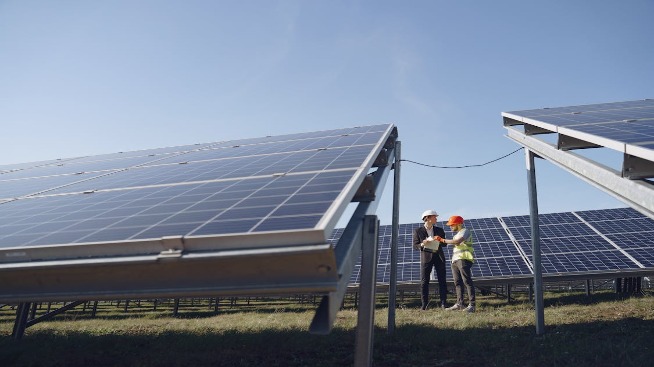
Voltage and surge regulation is necessary for every solar power plant. Since switchgear regulates how electrical current passes from the main unit to a subunit, a solar power installation can’t work without one.
A solar PV system needs a lot of things to function properly. Some think about solar panels when they first think about generating solar energy – but having switchgear to regulate the output and flow of the sustainable energy source is a must to ensure things work properly.
Solar switchgear is necessary to regulate outages and prevent network overload, thus evenly distributing energy in a system.
Residential power distribution
This product often has a crucial role in residential areas, even if most associate it with big industrial complexes. Both metal clad and metal enclosed switchgear is used to regulate the flow and output of energy in small and large urban centers.
These products can control the voltage and energy in an area. When that happens, companies facilitate fault regulation and avoid any issues as they evenly distribute power to the entire zone without overloading specific areas by mistake.
When an area is low on energy or is suffering from an overload, using switchgear will prevent that issue from becoming a catastrophe.
Power stations
Power stations have a lot of electrical connections workers need to protect, and there’s no better way to accomplish that goal than using switchgear to allow efficient use of main power and sub-power distribution units.
These stations have countless types of circuit breakers and surge protectors that will be enclosed in these types of switchgears already mentioned.
More often than not, power stations have a switchgear assembly or line-up.
CHINT Switchgears
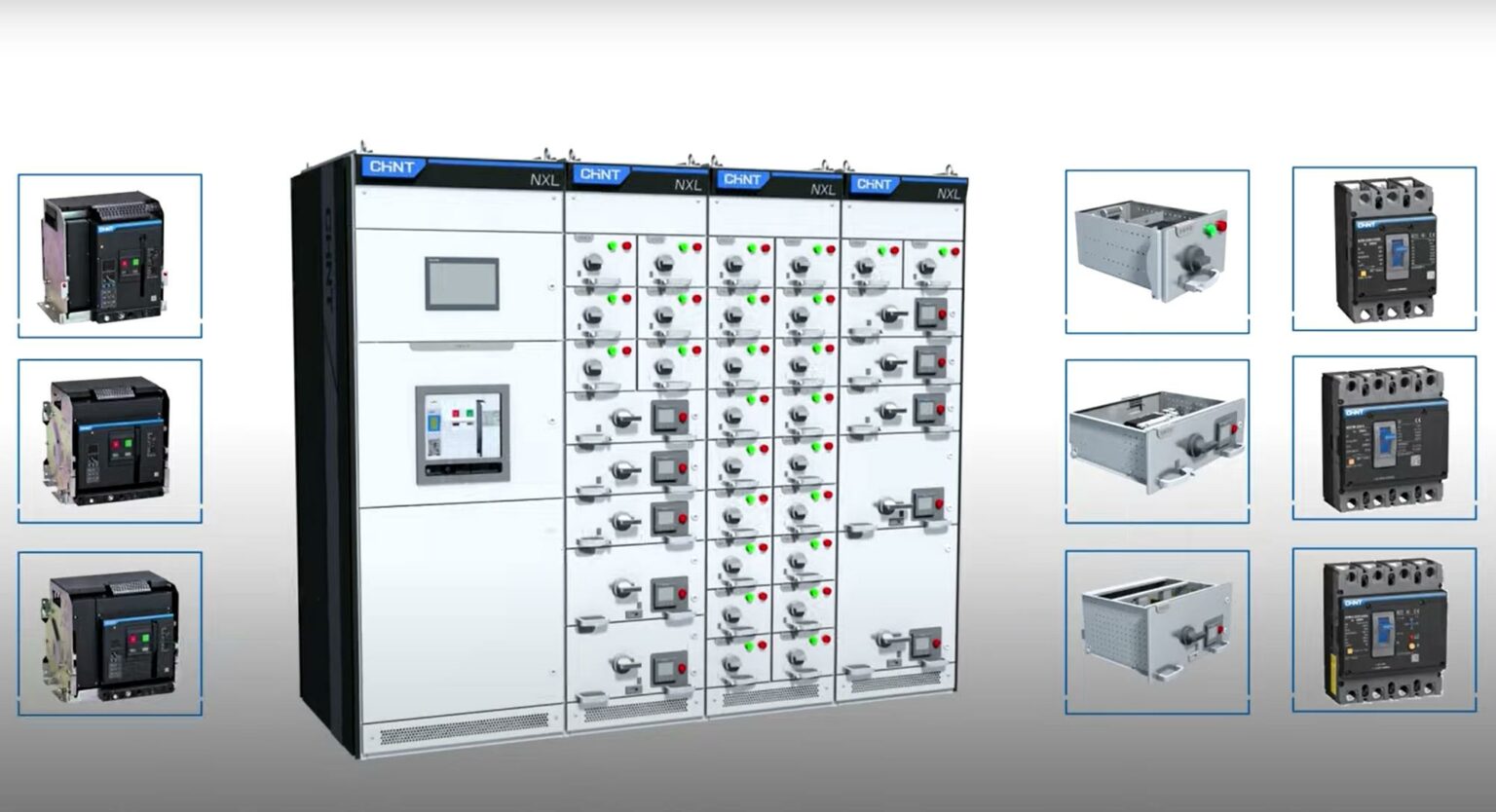
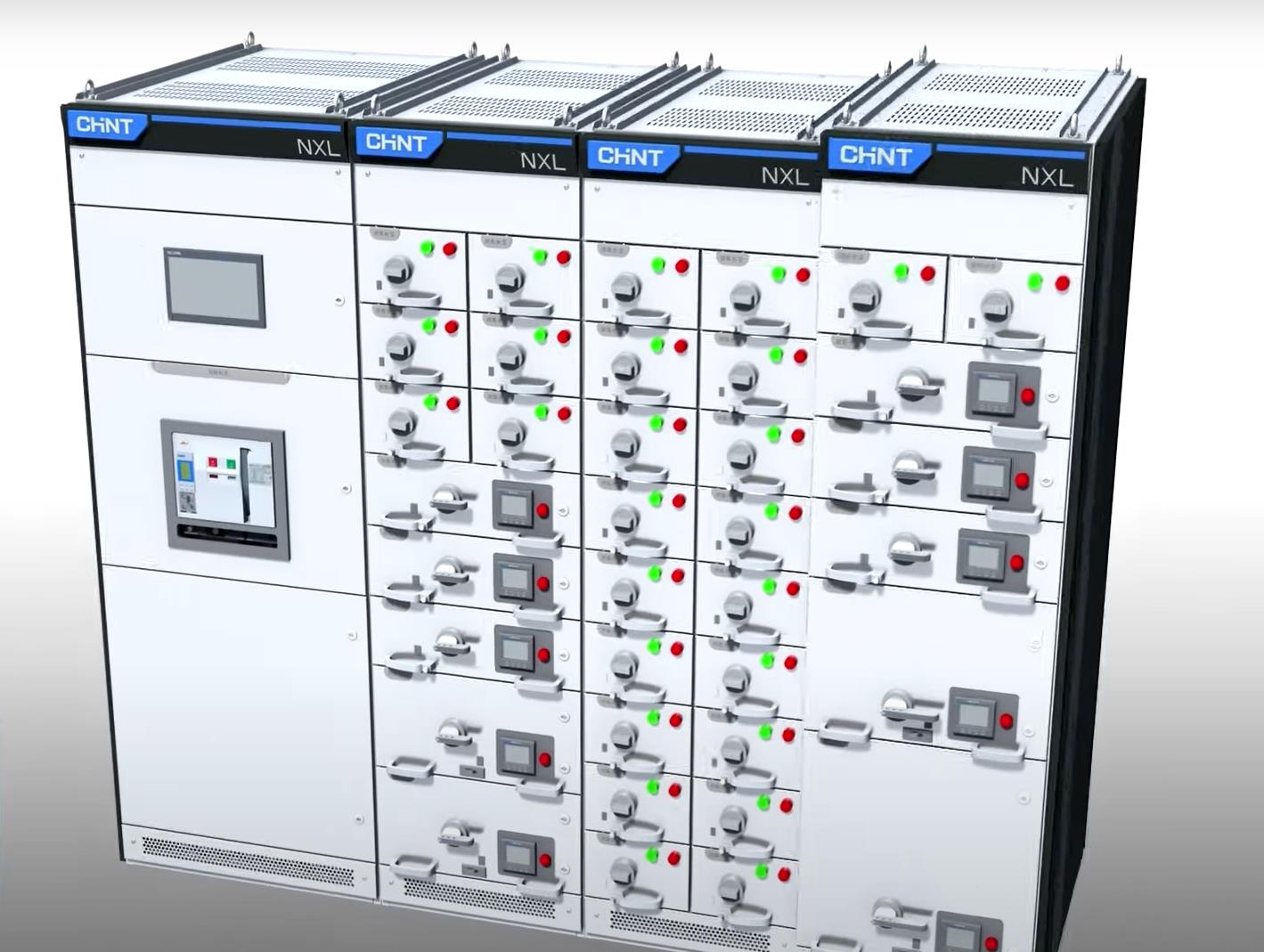
NGC8 Low-voltage Switchgear Panel
The NGC8 low-voltage switchgear panel is perfect for protection, monitoring, power distribution, and circuit control. It has a rated insulation voltage of 1000V and a rated operational voltage of 690V.
This product offers a high protection level thanks to its high impact resistance, featuring a rated current of up to 6300A. At the same time, using it is safe and easy thanks to its single standard panel that can hold up to 48 circuits.
This switchgear is environmentally friendly, made from non-CFC and non-halogen material.
NG7-12(Z) Gas Insulated Metal Enclosed Switchgear
The NG7-12(Z) switchgear is CHINT’s metal enclosed switchgear that works with a rated voltage between 12 and 40.5kV and a rated current between 200 and 2500A. Its standard frequency is 50Hz.
Other than technical specs, you can expect additional features from this product, including a lifetime maintenance-free design, a gas-insulated compact structure, and an economical and environmentally friendly option.
At the same time, The NG7-12(Z) can withstand adverse environmental effects, so you don’t have to worry about losing electrical power when nature gets in the way.
Conclusion
Industries handling electricity distribution need to do so safely and efficiently, and the best way to make that happen is using switchgear. That way, technicians and engineers have a safeguard mechanism in control at all times, preventing electrical problems.
Whether you need metal enclosed switchgear or metal clad switchgear, the objective is the same, and buying CHINT switchgear guarantees a lifetime supply of electrical segmentation and safeguarding.