

Introduction
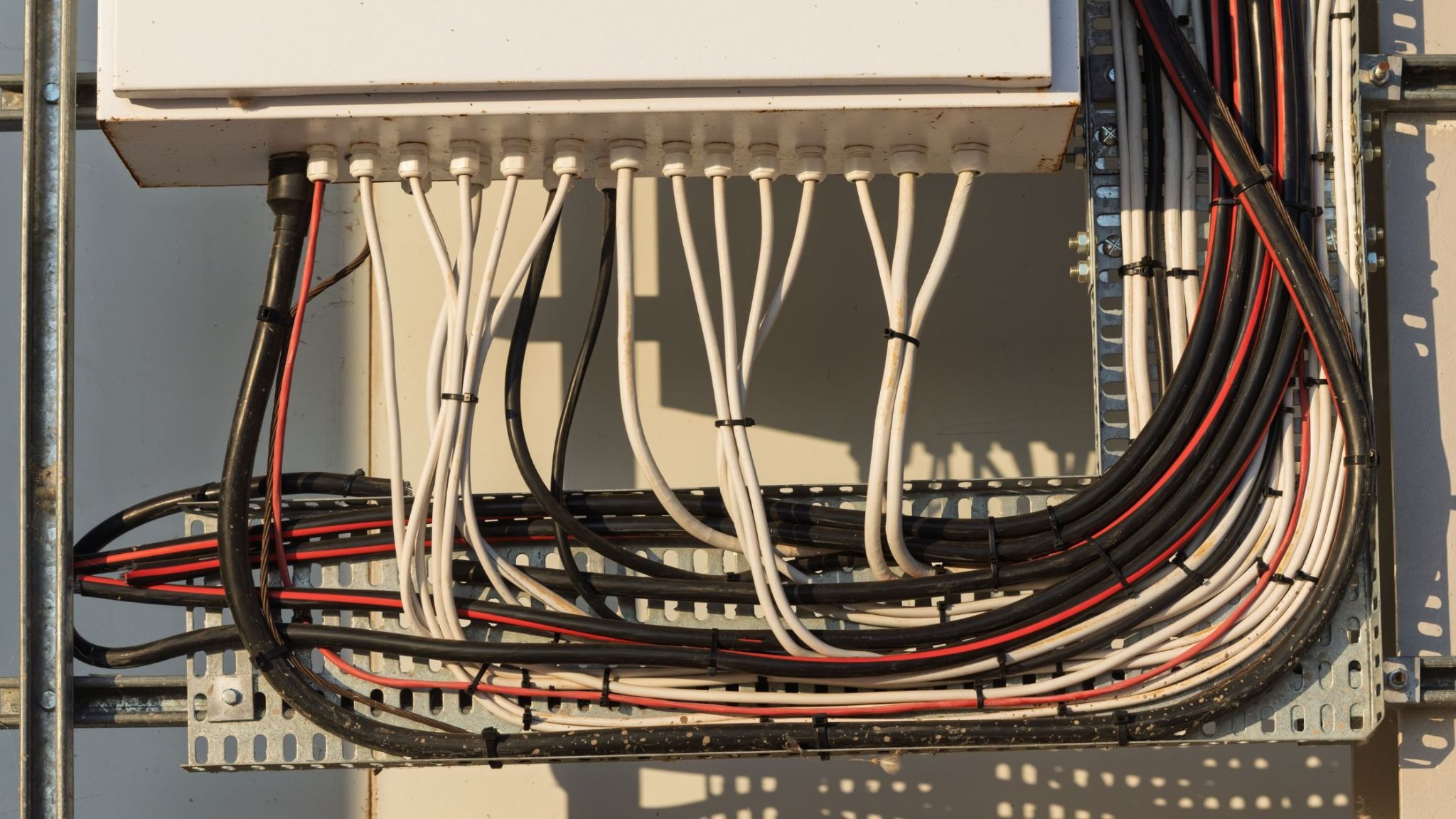
Capital moves faster when electrical infrastructure keeps pace. Developers and EPC teams have learned this firsthand after watching traditional site-built systems delay project timelines by months. Modular designs and prefabricated LV/MV systems offer a different path. They compress construction schedules, reduce coordination headaches, and create cost-effective infrastructure that shortens the distance between spending money and making it back.
Cost-Effective Infrastructure Begins With Predictable Design
Investors prioritize predictability in both cost and schedule. Traditional electrical builds often suffer from design drift, on-site rework, uneven workmanship, and weather delays. These variables extend payback periods and introduce financial uncertainty.
Modular electrical systems address these challenges by shifting fabrication to controlled factory environments. This approach locks in design intent and eliminates variables that commonly raise capital expenditures. When engineering teams work with repeatable designs, they produce consistent outcomes across multiple project sites.
Quality control becomes more manageable in factory settings. Every assembly undergoes standardized testing before shipment. This consistency removes the variability seen in field-built installations where different crews and conditions produce uneven results.
Fixed-scope fabrication also protects budget projections. Project managers can provide accurate cost estimates because the work scope remains stable throughout production. Unlike traditional builds where scope creep drives unexpected expenses, modular approaches define deliverables upfront. These factors combine to create investment return profiles that investors can model with confidence.
Modular Electrical Systems Accelerate Investment Return
Investment return is directly linked to how quickly a facility can begin producing value. Every week spent on electrical construction delays revenue generation. Modular LV/MV assemblies compress these timelines significantly because modules arrive pre-engineered and pre-tested.
Consider an industrial expansion project. Traditional electrical construction might require six months of on-site work. A modular approach can reduce that timeline by 40-50% because factory fabrication runs parallel to site preparation. The electrical substation arrives ready for connection rather than piece-by-piece assembly.
Data center energization projects benefit similarly. Operators face intense pressure to bring capacity online quickly. Pre-assembled power distribution modules allow commissioning teams to focus on integration rather than construction activities. New manufacturing lines present another compelling scenario. Production equipment often sits idle while electrical infrastructure catches up. Modular systems eliminate this bottleneck by delivering tested power distribution alongside mechanical equipment.
From an investor logic perspective, these advantages translate into fewer schedule overruns, reduced engineering man-hours, and earlier revenue activation.
LV/MV Prefabricated Systems and the Fast Payback Model
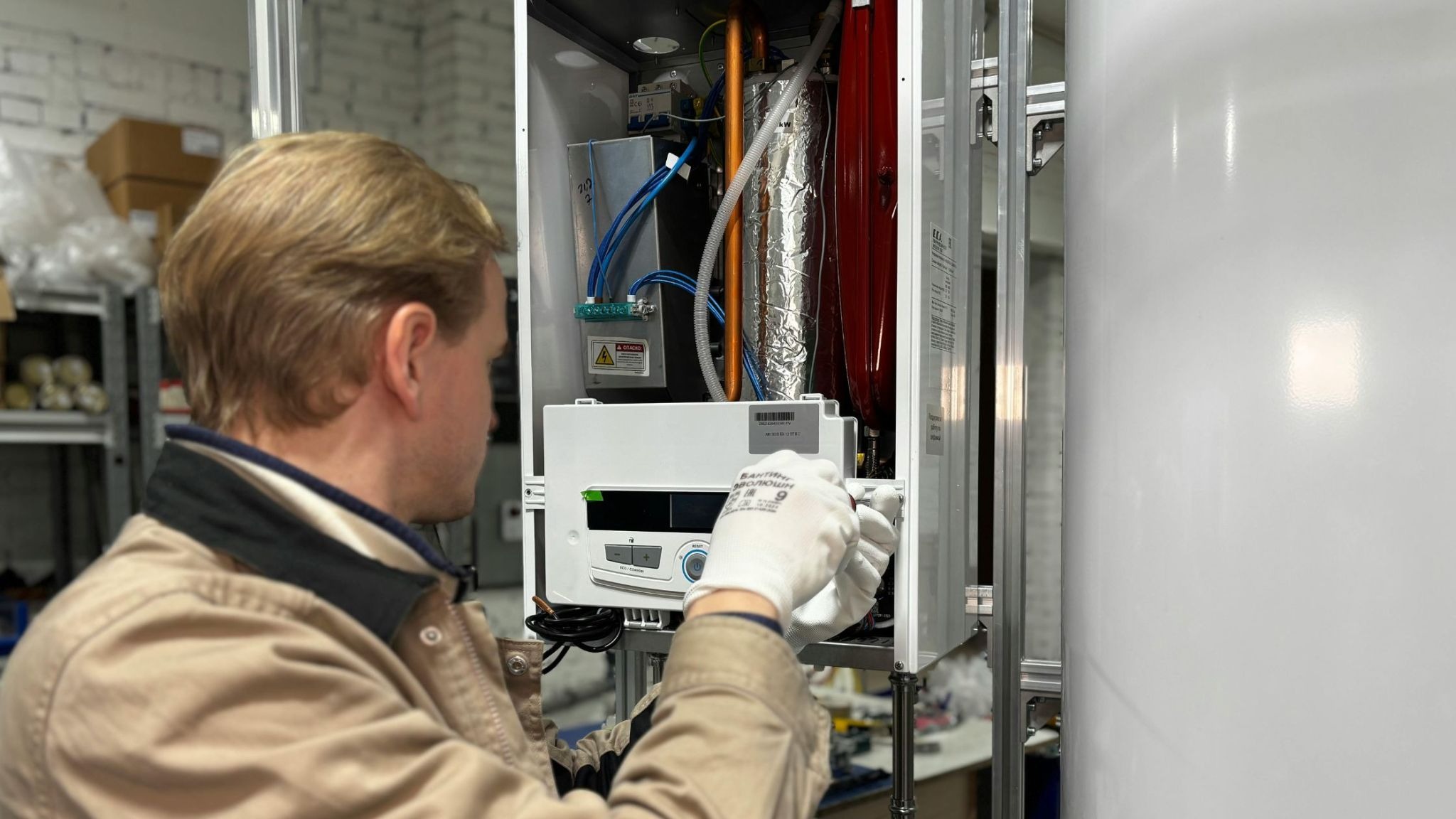
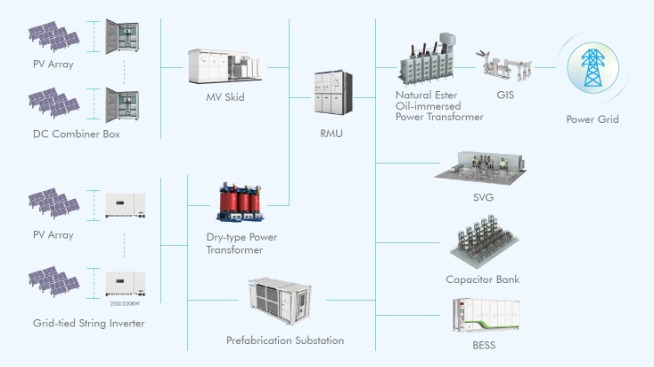
Prefabricated substations, packaged LV/MV switchgear rooms, and integrated distribution blocks streamline logistical planning across project phases.
Site mobilization becomes simpler when electrical equipment arrives as complete modules. Contractors coordinate fewer deliveries and manage smaller crews. Heavy civil requirements decrease because factory-built enclosures eliminate the need for extensive concrete work.
Installation complexity drops when standardized interfaces connect modules to upstream and downstream equipment. Electricians spend less time interpreting custom drawings and more time making connections according to proven procedures. These prefabricated LV/MV systems with fast payback potential demonstrate how modular electrical solutions for investment performance work in practice.
Global suppliers like CHINT develop their prefabricated substation portfolio under controlled factory conditions. Pre-testing and integrated LV/MV packages reduce commissioning risk because equipment arrives verified. Modules designed with standardized protection and distribution layouts avoid the redesign cycles that plague custom installations. These capabilities reflect the maturity that modular systems have achieved in meeting investor-focused electrical infrastructure planning requirements.
How Modular Substations Reduce Installation Cost
Understanding precisely where cost savings emerge requires examining the full installation lifecycle. Traditional site-built substations demand extensive coordination between civil contractors, electrical installers, and commissioning teams over extended periods. Modular substations consolidate these activities into controlled factory environments where parallel workstreams compress schedules and reduce field labor dependency. The financial impact becomes measurable across multiple cost categories that directly influence project payback timelines.
Shorter Installation Timelines
Field labor rates consistently exceed factory labor rates across most markets. Compressed installation schedules mean fewer total labor hours charged at premium field rates. A traditional substation might require twelve weeks of field installation work. A modular equivalent typically needs four to six weeks. This difference translates directly into labor cost reductions and earlier facility commissioning.
Reduced Skilled Labor Requirements
Factory technicians handle complex assembly work before modules ship. Field crews then focus on positioning, connecting, and testing rather than intricate wiring and component mounting. This division of labor allows projects to proceed with smaller specialized field teams while leveraging factory scale for detailed work.
Fewer On-Site Wiring Errors
Factory-assembled modules undergo quality verification before shipment. Troubleshooting during commissioning drops significantly when connections arrive pre-verified. Traditional field installations often require rework cycles that add unplanned costs and schedule delays.
Standardized Transport and Placement
Purpose-designed lifting points and dimensional standardization simplify rigging operations. Installation teams complete positioning faster when modules match expected specifications. CHINT's prefabricated substation solutions incorporate these cost-saving elements through pre-assembly, pre-testing, and integrated LV/MV equipment configurations.
Modular Electrical Solutions for Investment Performance
Investment performance extends beyond initial capital expenditure into operational expenditure stability over the asset lifecycle. Standardized modular architectures create measurable advantages in maintenance planning, workforce development, and system availability. These operational factors compound over time to strengthen overall investment returns. Facilities operating modular electrical systems consistently demonstrate lower total cost of ownership compared to custom-built alternatives.
Simplified Spare Parts Planning
Standardized systems enable consolidated inventory strategies. Maintenance teams stock identical components that serve multiple facilities or multiple locations within a single facility. This consolidation reduces carrying costs while improving parts availability when equipment issues arise.
Efficient Technician Training
A technician trained on one modular installation transfers that knowledge directly to others. Training programs scale efficiently when equipment follows consistent designs. This consistency reduces training investments while improving workforce capability across operations.
Predictable Maintenance Windows
Equipment performance follows documented patterns when systems use standardized architectures. Operators schedule outages with confidence because modular systems behave consistently. Planned maintenance becomes more efficient than reactive repairs triggered by unexpected failures.
Reduced Downtime Exposure
Replacement modules can substitute for failed units in modular systems. Traditional custom installations require lengthy repair cycles while replacement components are fabricated or sourced. Modular systems enable swap-and-repair approaches that minimize revenue losses during equipment issues.
CHINT's LV distribution hardware including ACBs and MCCBs, along with secondary distribution units, illustrate how standardized components support this long-term stability.
Conclusion
Modular electrical systems deliver faster ROI by eliminating traditional inefficiencies across engineering, installation, and lifetime maintenance phases. Investors benefit from shorter deployment cycles and predictable cost structures that support confident financial modeling. CHINT exemplifies this modular approach through its prefabricated substations, LV/MV systems, and standardized components that support cost-effective infrastructure development worldwide.