Please enter keywords to search

Global |EN

Choose your country & Language

Asia Pacific

Australia & New Zealand
India
Indonesia
Malaysia
Philippines
Singapore
Vietnam

Middle East & Africa

Saudi Arabia
South Africa
UAE
Egypt
Kenya

Europe

France
Kazakhstan
Italy
Netherlands
Spain
Turkey
United Kingdom

North America

Mexico
USA
Canada

Latin America

Brazil
Colombia
Ecuador
Peru

Choose your country & Language

Australia & New Zealand
India
Indonesia
Malaysia
Philippines
Singapore
Vietnam
Saudi Arabia
South Africa
UAE
Egypt
Kenya
France
Kazakhstan
Italy
Netherlands
Spain
Turkey
United Kingdom
Mexico
USA
Canada
Brazil
Colombia
Ecuador
Peru

Please enter keywords to search

Your search term contains restricted words. Please use different keywords.
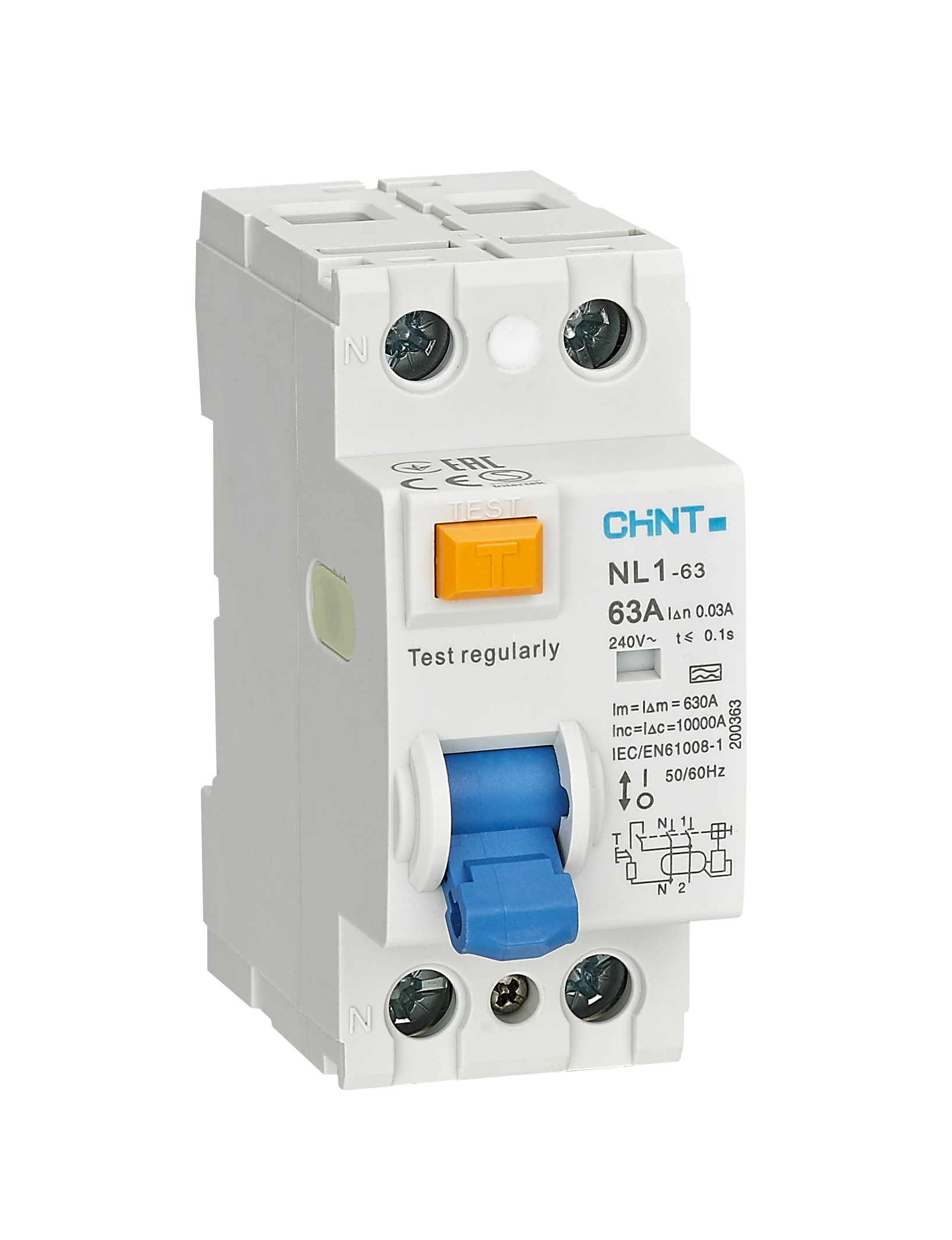
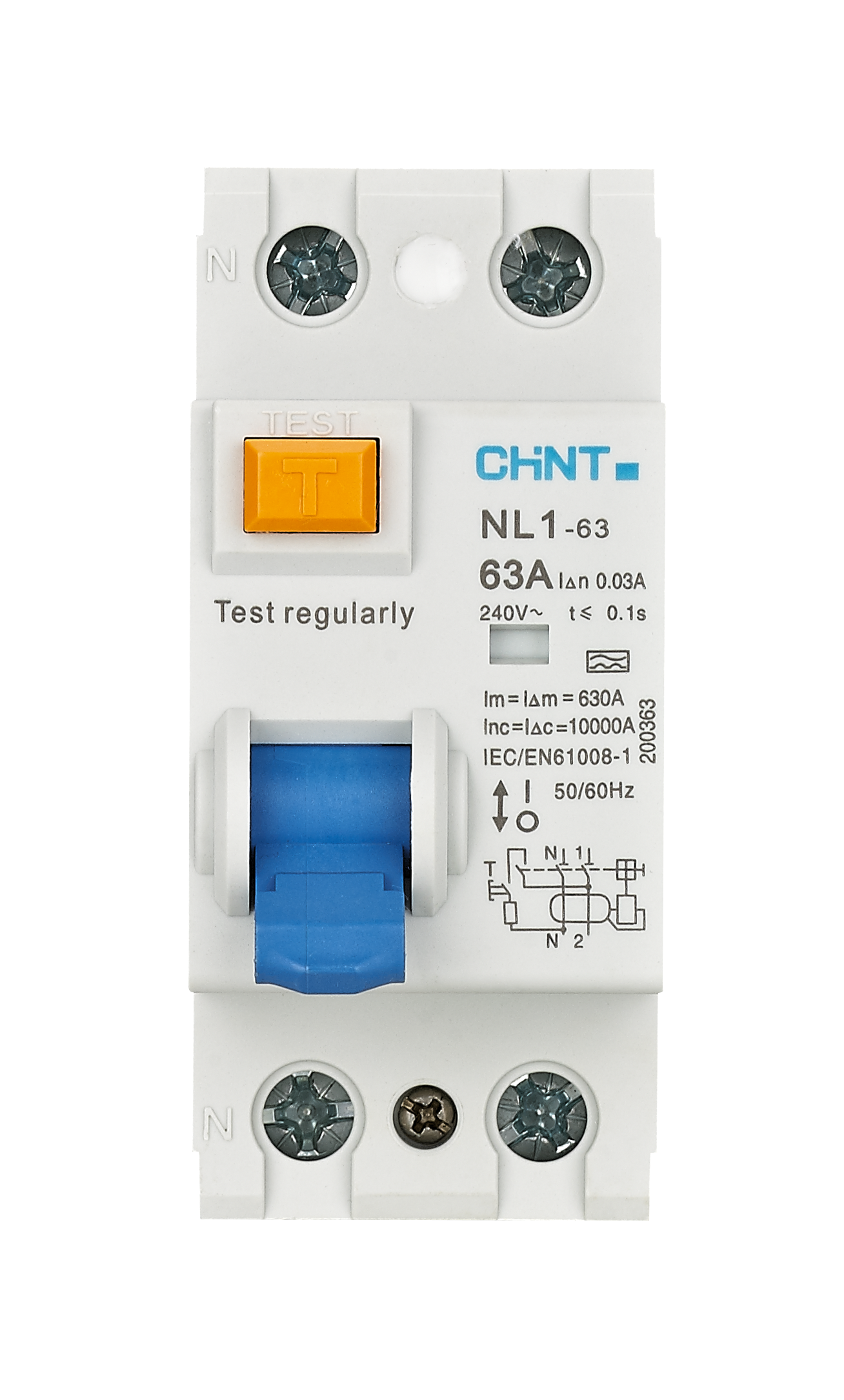
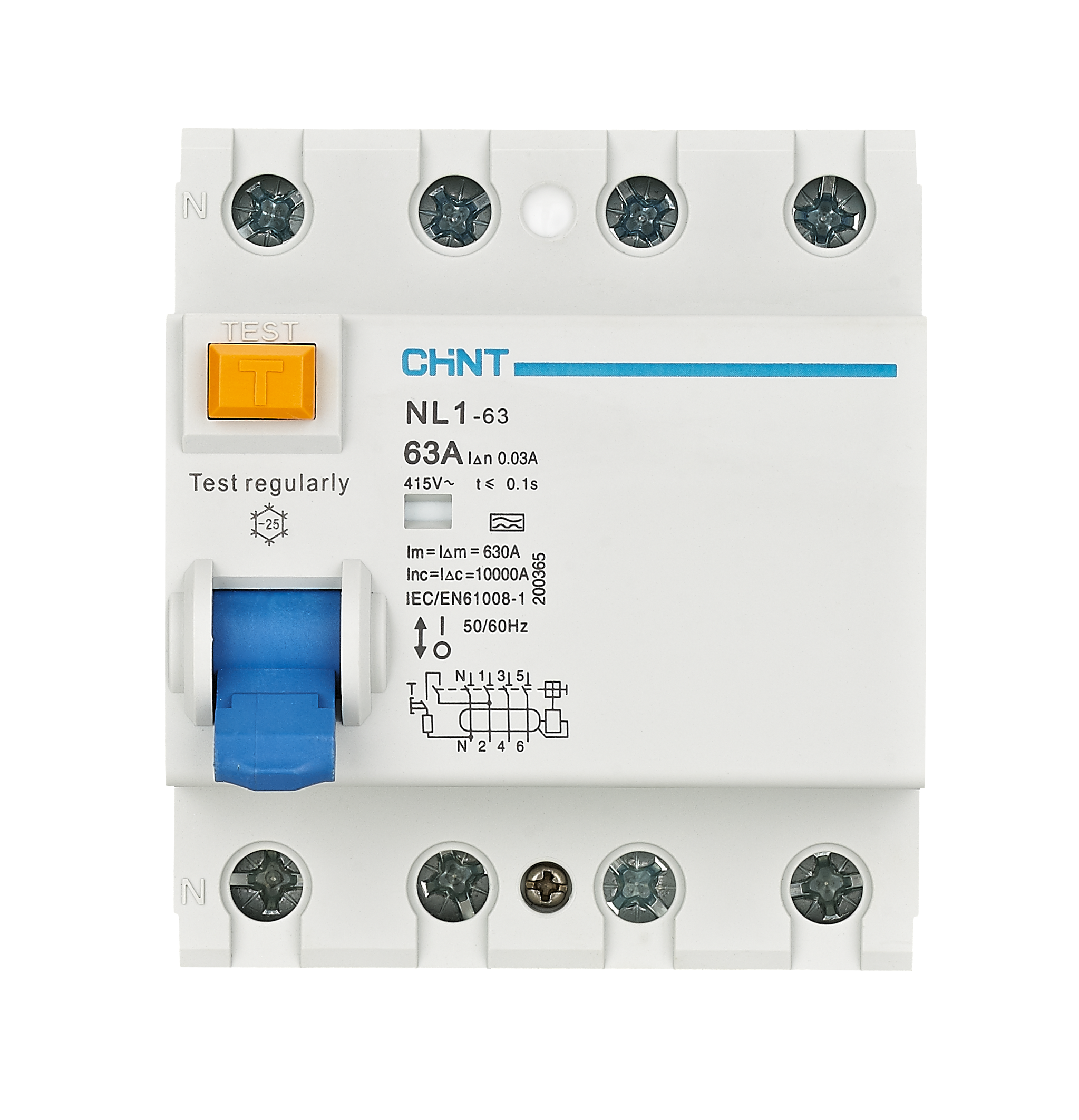
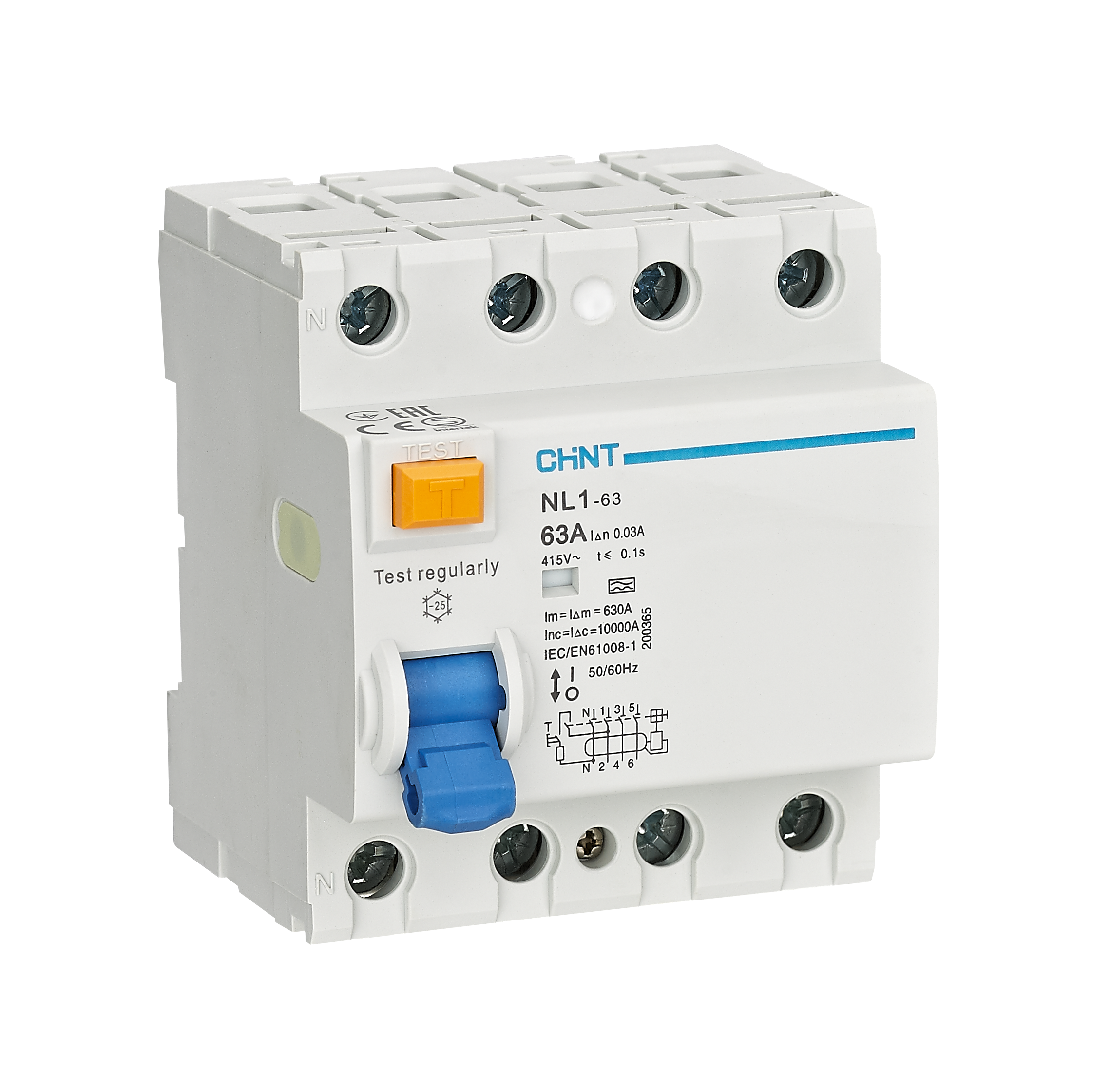
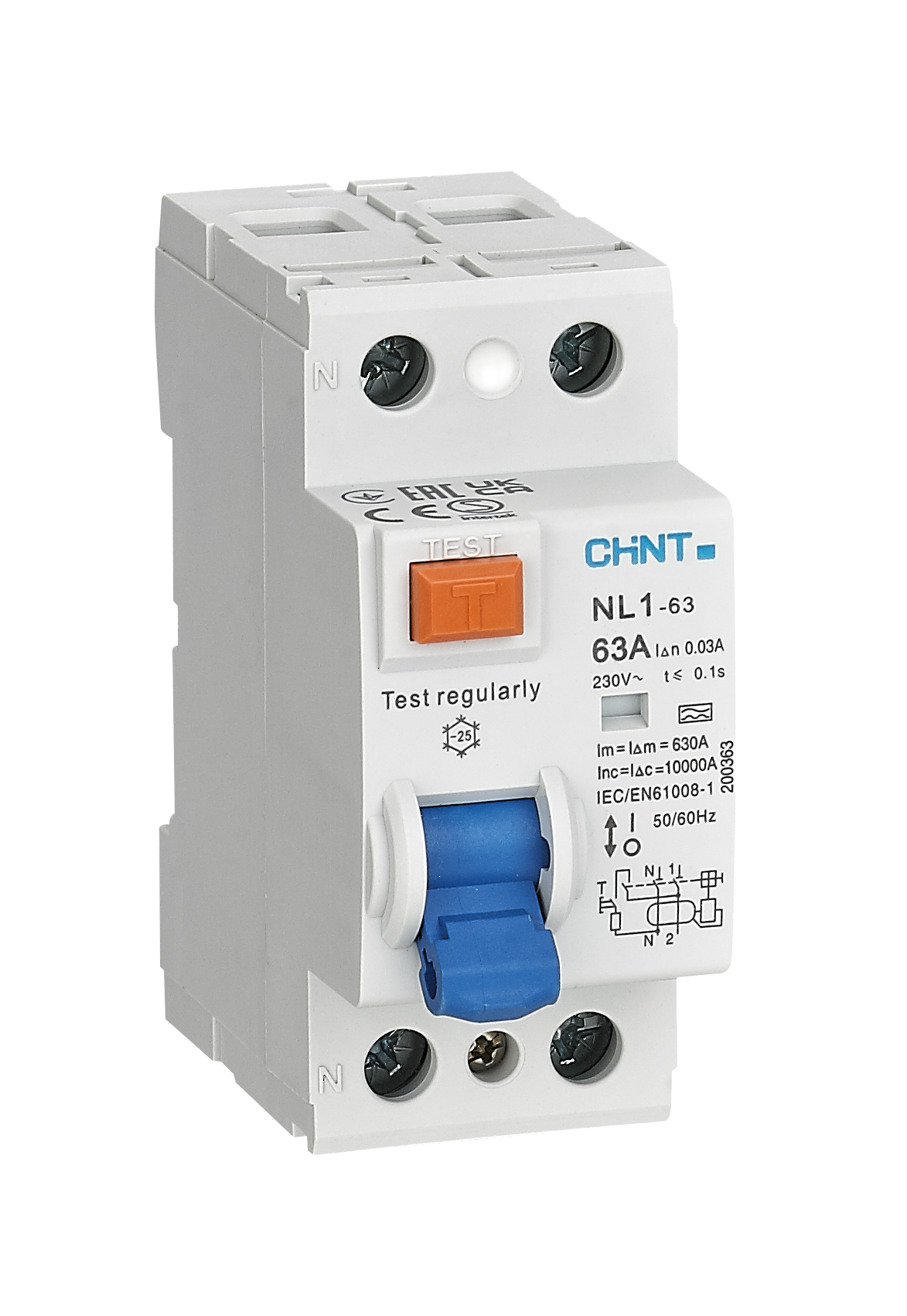
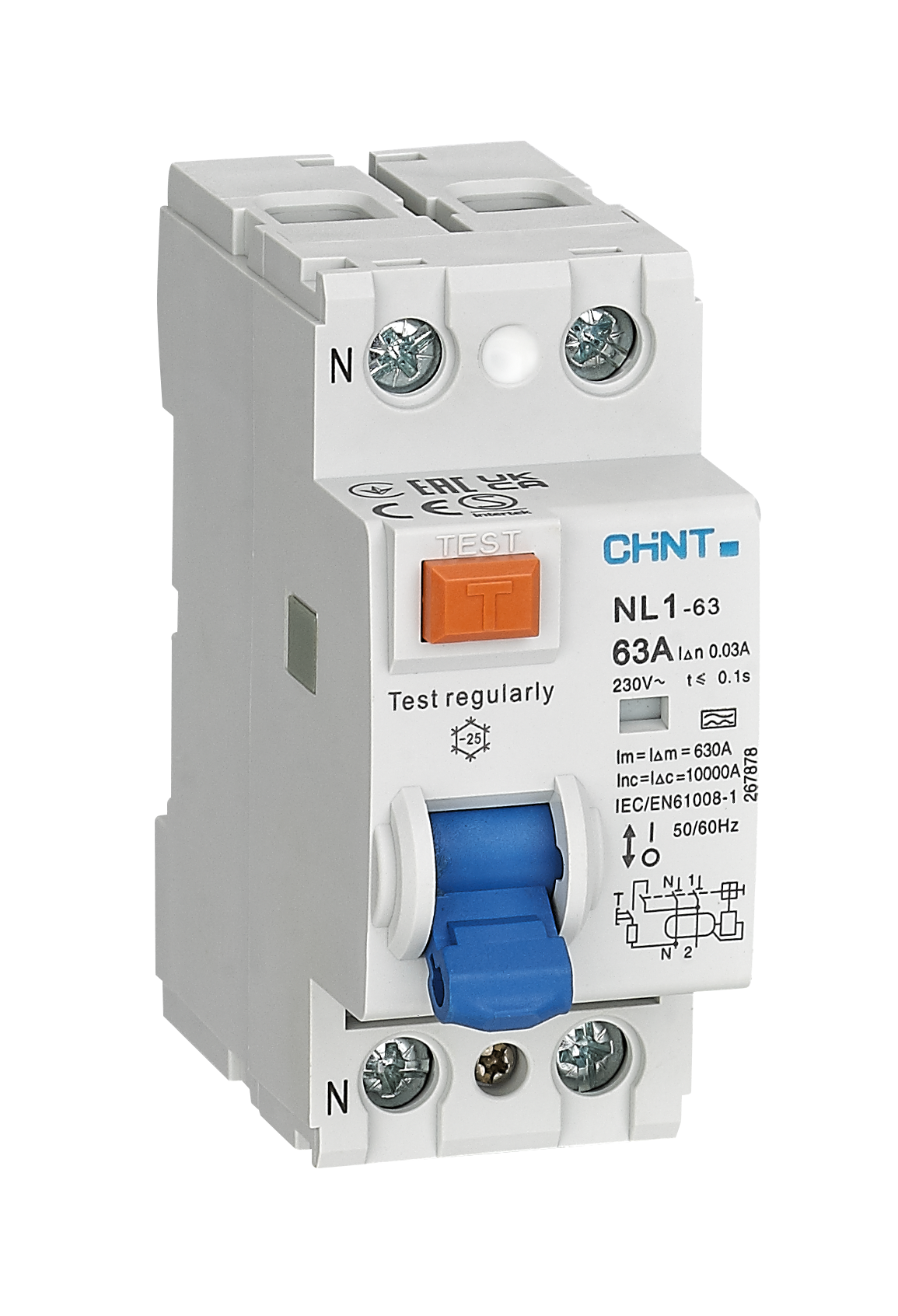
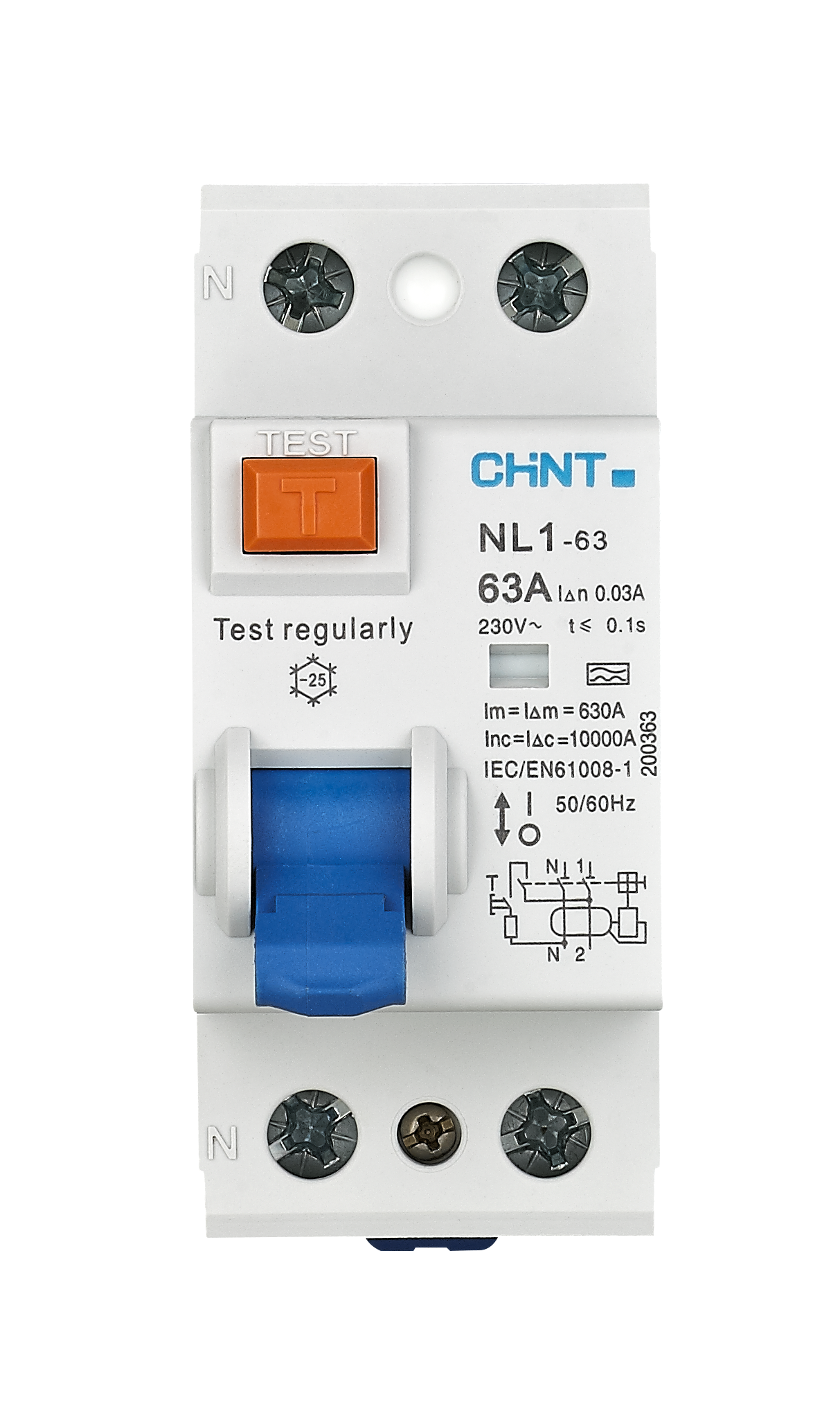
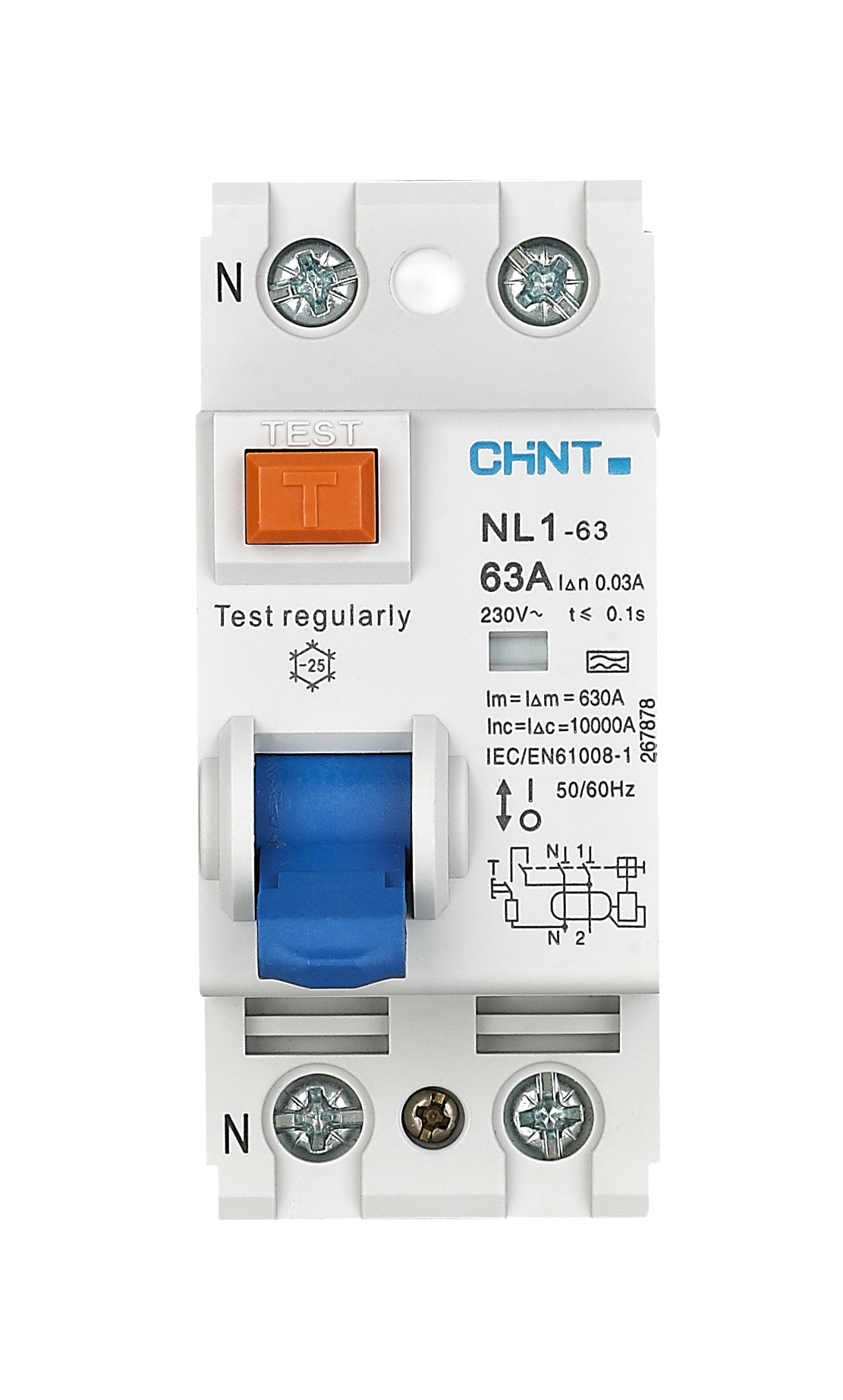
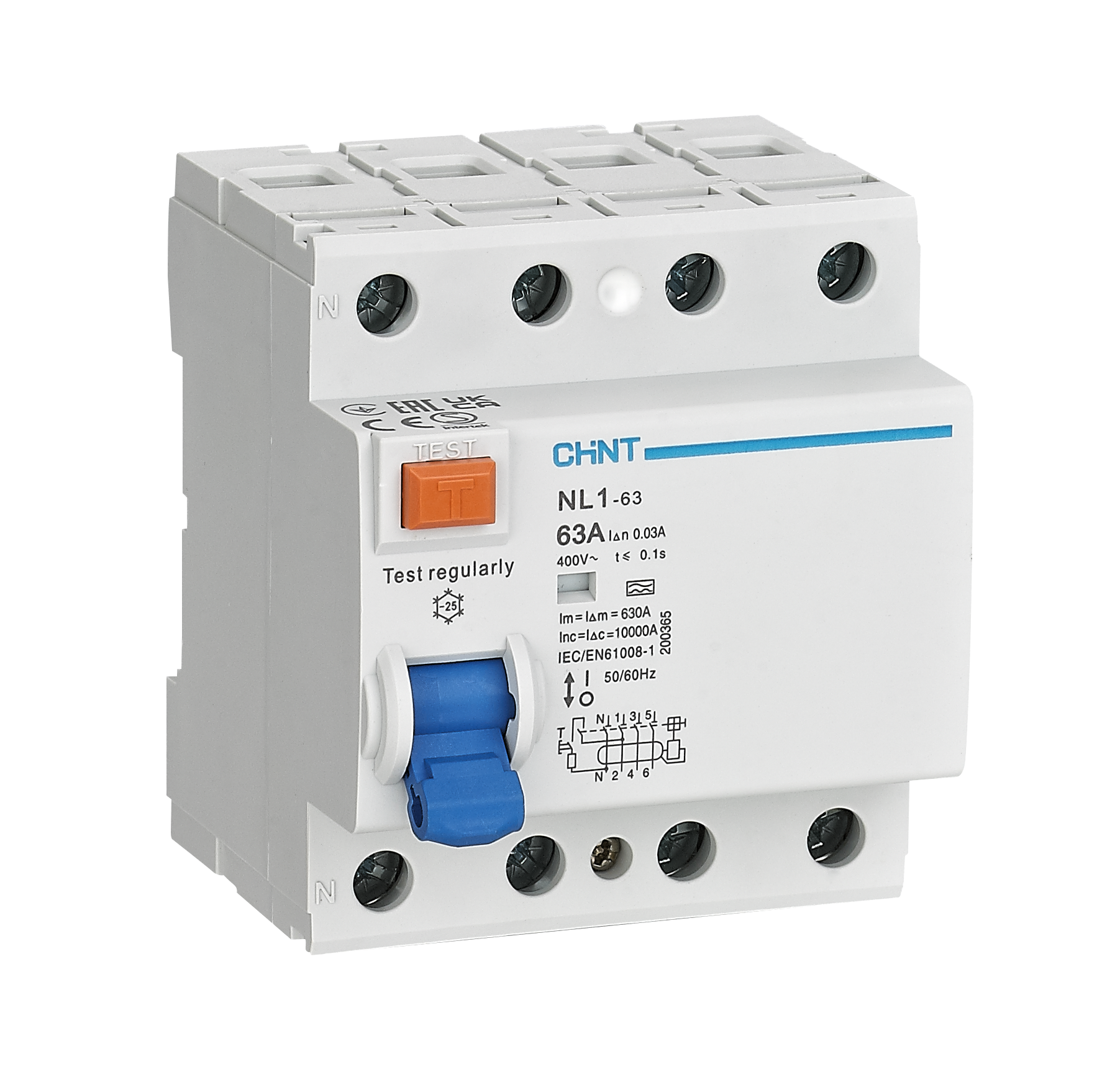
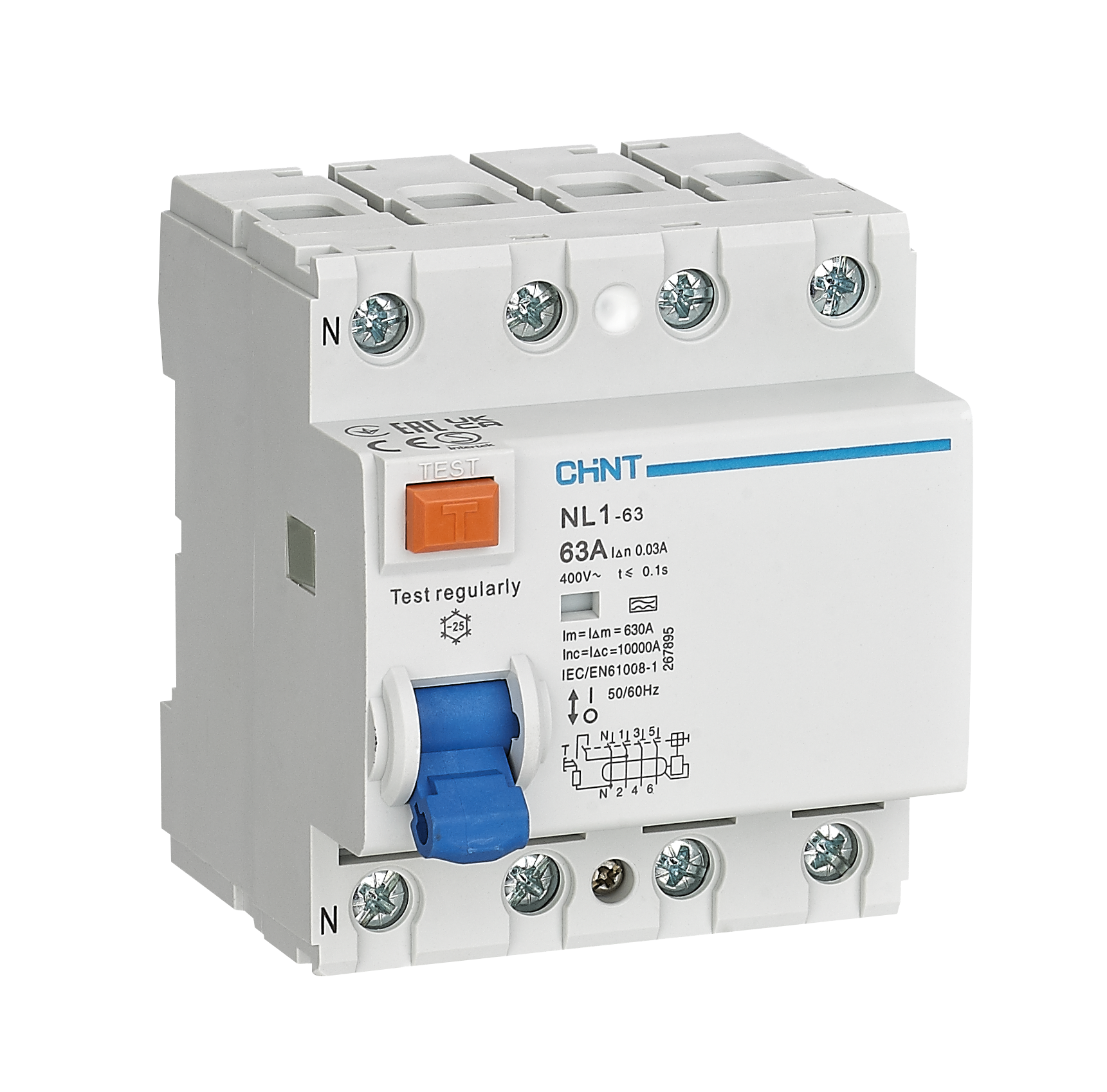
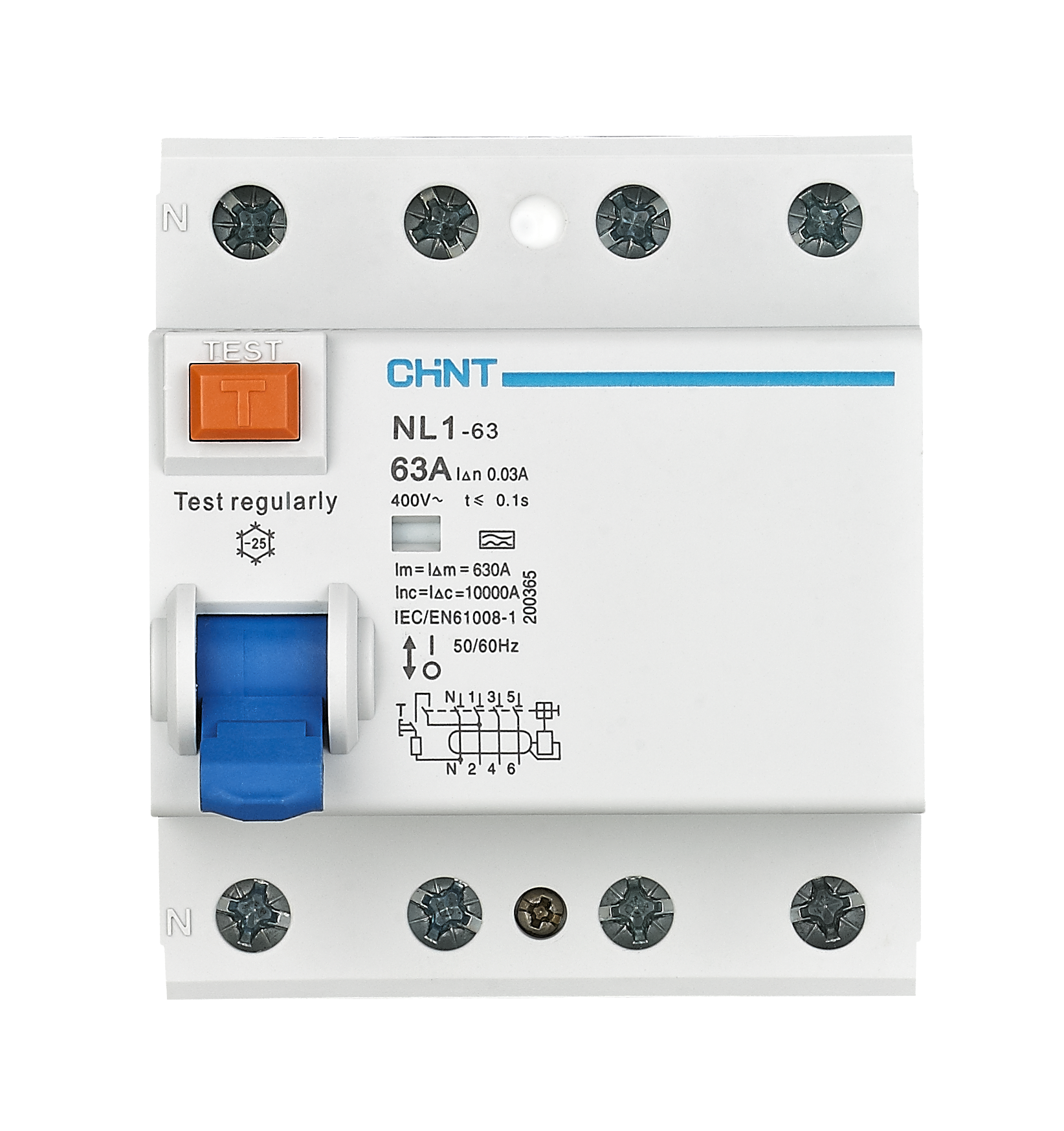
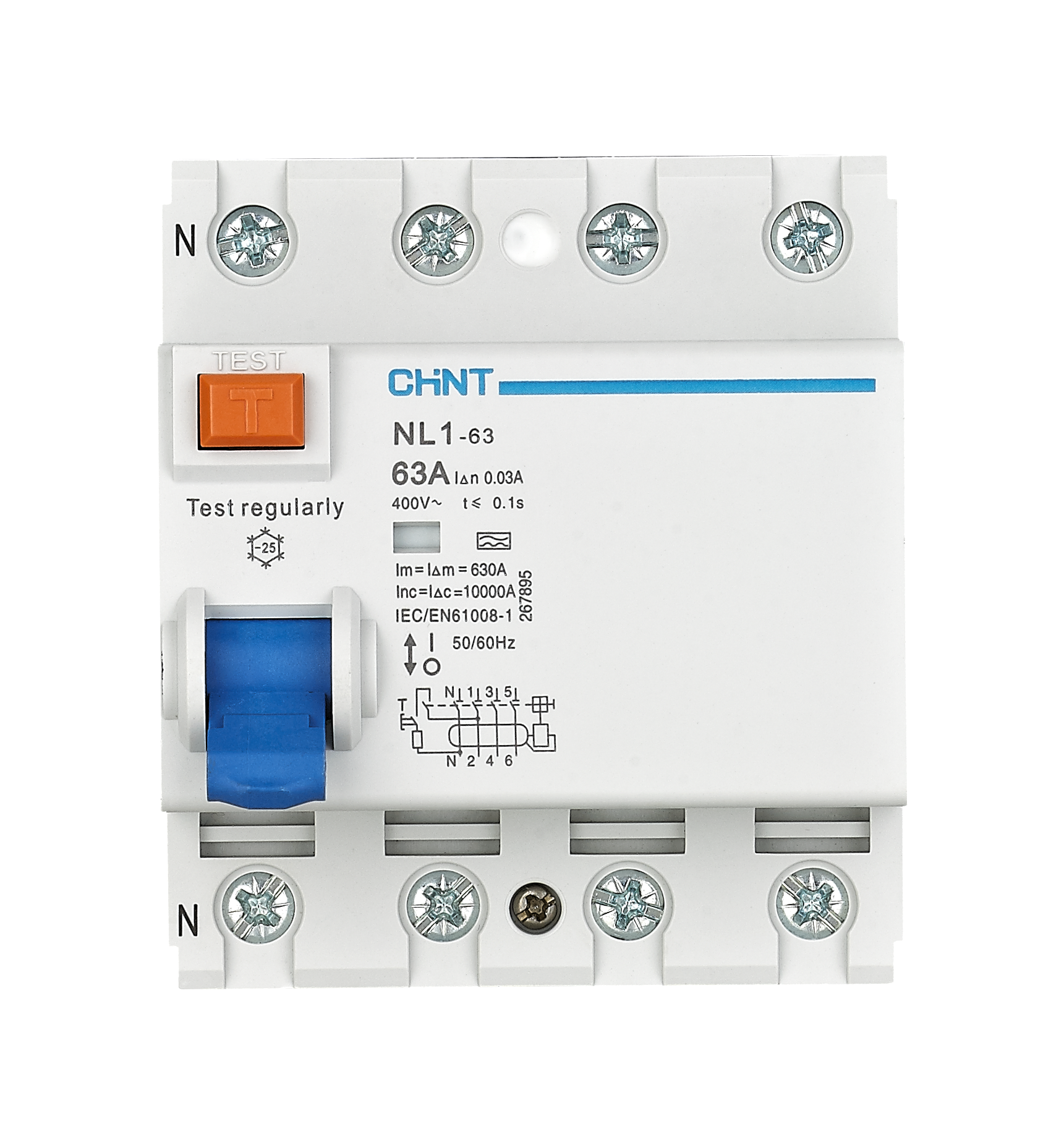
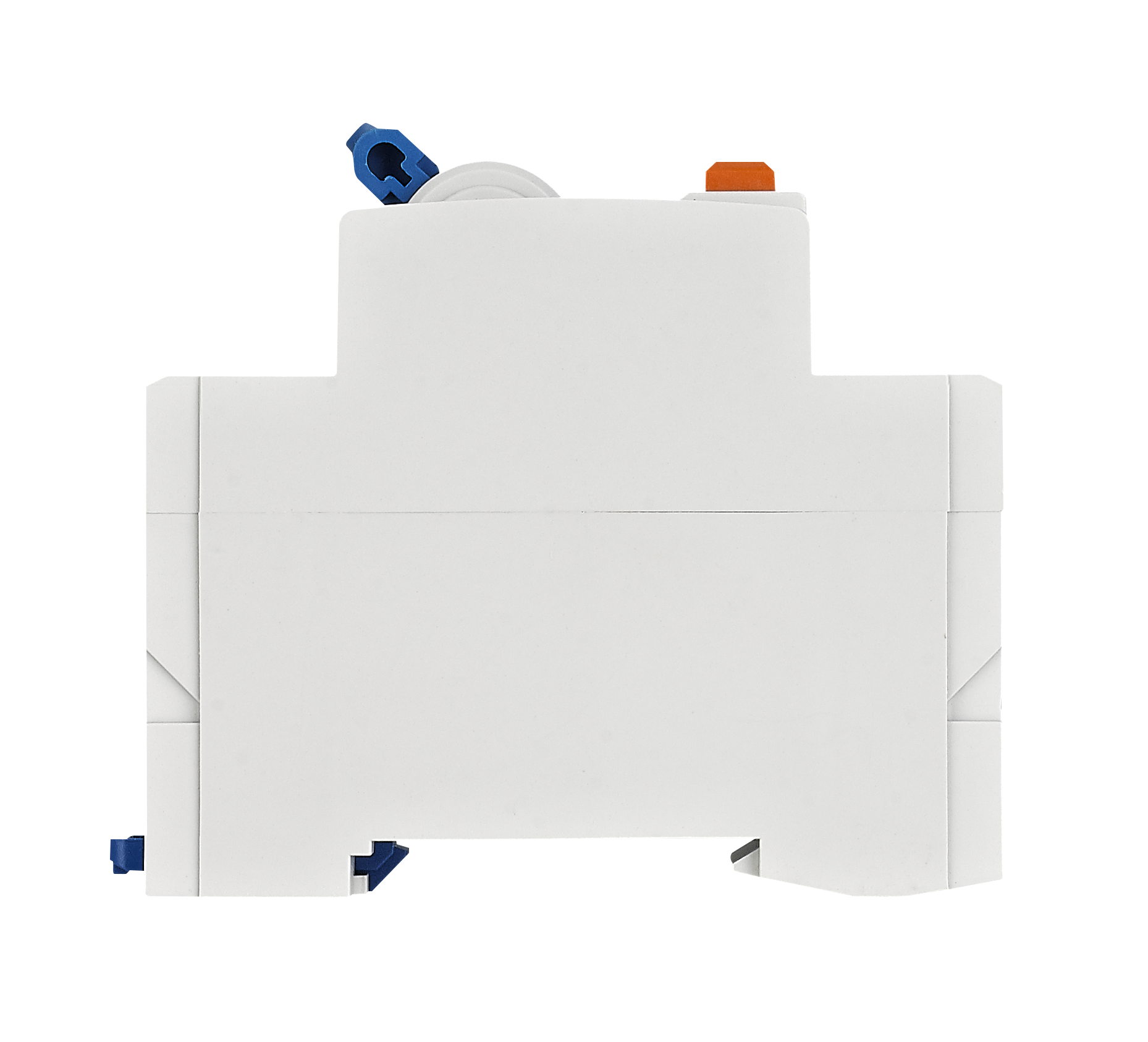
NL1 Residual Current Operated Circuit Breaker without over-current protection (Magnetic)
NL1 Residual Current  Operated Circuit Breaker  without over-current  protection (Magnetic)

NL1 Residual Current Operated Circuit Breaker without over-current protection (Magnetic)

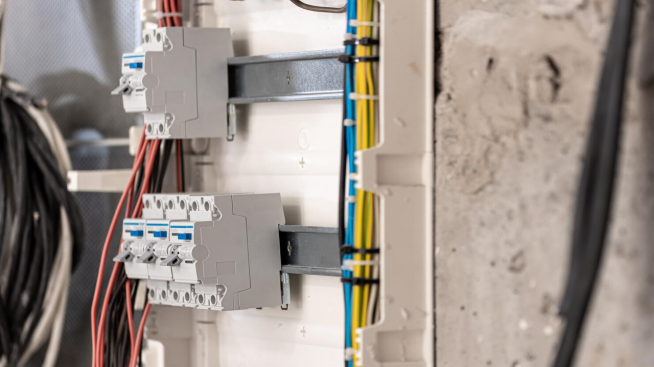
The NL1 Residual Current Operated Circuit Breaker (RCCB) is a magnetic-type leakage protection device designed to detect and isolate circuits during residual current faults. Offering sensitive earth leakage protection without over-current functionality, it ensures user safety and fire prevention in residential, commercial, and industrial installations. With a rated current up to 100A, sensitivity from 30mA to 300mA, and Type AC/A options, the NL1 delivers stable performance, high reliability, and IEC/EN 61008-1 compliance for modern power systems.

Product Information

Recommend Blogs
FEBRUARY 14, 2026 Designing with IEC 61439-Compliant Switchgear for Better LV Assembly Performance

Designing an IEC switchboard is necessary for every operation, whether industrial or commercial. Acquiring IEC 61439 design verification for MDBs is important.

FEBRUARY 13, 2026 How Smart Meters Help Optimize Building Energy Use

Great building energy management makes use of smart meters to gauge energy consumption. Learn why smart metering is a sign of good energy monitoring practice.

FEBRUARY 12, 2026 Selecting the Right Control Components for High-Inrush Loads

Learn how to choose the proper control components like MCCB, overload relay, and contactors used in high inrush load for motor protection.

MARCH 21, 2025 MCCB vs ACB: What Are the Differences?

Circuit breakers differ depending on intended use and load capacities. This article explores the key differences between MCCB vs ACB.

MARCH 18, 2025 IEC vs. UL: Understanding Air Circuit Breaker Certification Standards

Compare IEC vs UL certification for air circuit breakers: regional standards, safety compliance, and CHINT's globally certified solutions for reliable electrical protection.

MARCH 17, 2025 IEC vs. UL: Understanding Air Circuit Breaker Certification Standards

NVF2L Compact Micro Drive is designed to meet the growing demand for efficient, space-saving solutions in various industrial applications. Explore CHINT's industrial drive technology solutions.

MARCH 5, 2025 The Basics of NVF2L Compact Micro Drive

NVF2L Compact Micro Drive is designed to meet the growing demand for efficient, space-saving solutions in various industrial applications. Explore CHINT's industrial drive technology solutions.

FEBRUARY 21, 2025 Key Differences Between Air Insulated Substations and Gas Insulated Substations

Common types of switchgear used in substations are AIS and GIS. This article will assess the primary difference between AIS and GIS substations for six critical aspects.

FEBRUARY 20, 2025 Fuses vs Circuit Breakers: Pros and Cons You Need to Know

Discover the key differences between fuses and circuit breakers, their pros and cons, and which is best for your electrical needs.

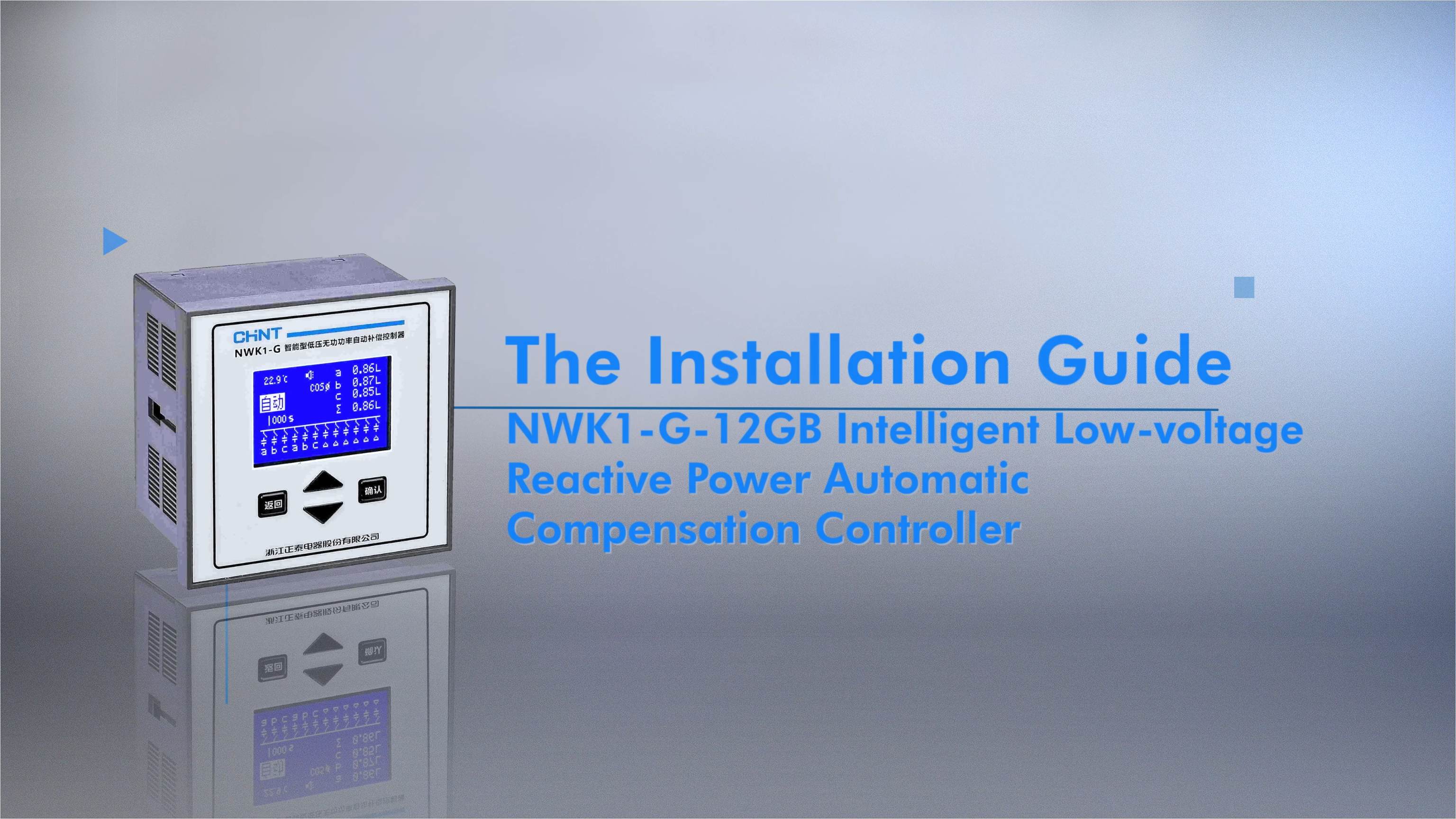
FEBRUARY 18, 2025 How to Install NWK1-G Reactive Power Compensation Controller

This guide explores the precise installation steps of NWK1-G Reactive Power Compensation Controller.

Need Support From Us?

Blog
Blog

Find expert perspectives on the trends and technologies driving your business.

View Now
Download Center
Download Center

Download new and previously released documents including product document, solutions, cases, coporate report.

View Now
Contact Us
Contact Us

Reach out to us to receive more information, technical support, assistance with complaints and more.

Get Support
Collapsed
Expand

FAQs


What is the main function of the NL1 RCCB?

The NL1 RCCB is designed to detect and disconnect circuits during earth leakage faults, preventing electric shock and fire hazards, but it does not provide over-current or short-circuit protection.


In what scenarios is the NL1 used?

The NL1 is ideal for residential, commercial, and industrial electrical systems where residual current protection is required and over-current protection is provided by a separate device, such as an MCB.


What’s the difference between Type AC and Type A?

Type AC: Detects sinusoidal alternating residual current.

Type A: Detects both sinusoidal AC and pulsating DC residual currents, offering greater compatibility with electronic equipment.


How is the NL1 installed?

It can be easily mounted on a 35mm DIN rail and connected via top and bottom terminals for cable or busbar installation, ensuring fast setup and safe maintenance.


What are the key benefits of using the NL1?

The NL1 provides high sensitivity, wide current range (25A–100A), long mechanical life (20,000+ operations), and IEC/EN standard compliance, ensuring dependable residual protection across diverse power systems.