

Table of Contents |
Electrical safety is a critical concern. Modern electrical systems demand reliable protection. Miniature circuit breakers are essential devices. They offer valuable overcurrent and short-circuit protection. Understanding different certifications is crucial. It helps ensure the proper selection and implementation of these devices. UL 489 and UL 1077 are two key standards. They ensure miniature circuit breaker safety and reliability.
Overview of UL 489 and UL 1077 Certifications
Both certifications are crucial. UL 489 certification is the highest safety standard for MCBs. It’s specifically designed for branch/standalone circuit protection. MCB breaker devices undergo rigorous testing procedures. They must meet strict requirements for interrupting capacity. UL-489-certified breakers provide primary circuit protection. They protect against major electrical faults and ensure maximum safety in critical applications.
UL 1077 certification applies to supplementary protectors. UL-1077-certified MCBs offer secondary protection within equipment or appliances. They operate as an additional safety layer. UL 1077 miniature circuit breaker devices protect individual components or sub-circuits. They complement primary protection systems. Their requirements focus on specific application needs rather than complete circuit protection.
Key Differences Between UL 489 and UL 1077
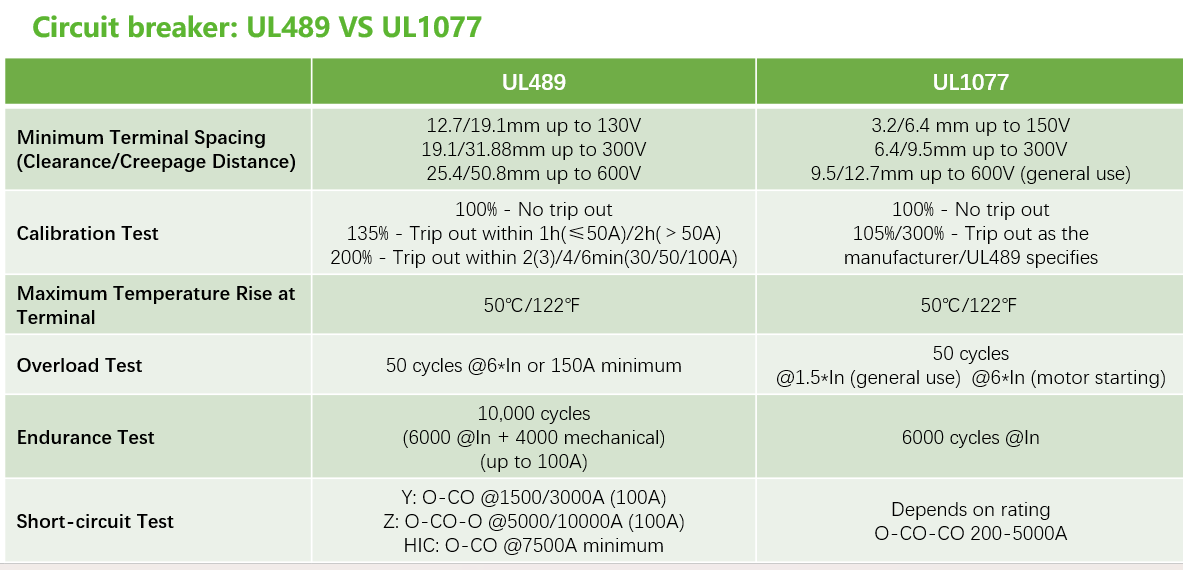
There are several key differences. The UL 489 vs UL 1077 comparison hence, proves invaluable. It reveals their key differences.
1. Differences in Testing and Standards
Testing procedures vary considerably between these certifications. UL 489 demands extensive testing under extreme conditions. It requires higher interrupting ratings and stricter performance criteria. UL 1077 testing focuses on supplementary protection capabilities. It involves less rigorous testing protocols.
2. Regional Relevance
Global markets recognize these certifications differently. UL 489 holds significant importance in North American markets. It’s often mandatory for primary circuit protection. UL 1077 finds acceptance across various regions. It serves supplementary protection needs worldwide.
3. Compatibility and Market Considerations
Market acceptance varies between certifications. UL 489 miniature circuit breaker devices meet stringent North American requirements. They’re essential for critical installations and primary protection. UL 1077 devices offer great flexibility. They are cost-effective answers for supplementary protection needs.
Choosing Between UL 489 and UL 1077 Miniature Circuit Breakers
Let’s explore key selection criteria.
1. Factors to Consider When Selecting UL 489 or UL 1077 MCBs
Several crucial factors determine certification choice. Each miniature circuit breaker application demands specific protection levels. Consider these key aspects carefully:
- Type of Electrical System and Level of Protection Needed
Primary circuit protection requires rigorous testing and standards. This is the UL 489 certification. UL 1077 certification is different. It’s more suitable for supplementary protection. Critical systems demand the highest safety standards. The electrical system’s complexity and importance guide selection. Protection requirements vary based on potential fault currents and system design.
- Regulatory and Compliance Requirements
Local codes often mandate specific certifications. Building regulations influence miniature circuit breaker selection. Compliance requirements vary by region and application. Make sure to understand these requirements for proper mini circuit breaker installation and approval.
2. When to Use UL 489 MCB
UL 489 circuit breaker devices suit critical protection needs. They’re essential for main circuit protection. Applications include service entrance equipment, panel boards, and branch circuits. These miniature circuit breaker devices provide reliable protection against major electrical faults.
3. When to Use UL 1077 MCB
UL 1077 circuit breakers work well for supplementary protection. They protect individual devices or sub-circuits. Applications include equipment internal protection and non-critical circuits. These breakers offer cost-effective solutions for device-level, secondary protection needs.
Recommendations
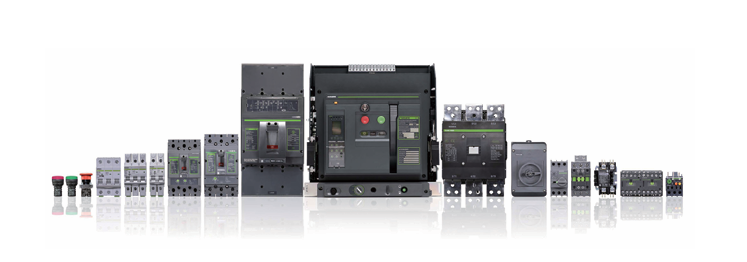
Choosing the right miniature circuit breaker ensures optimal protection. At CHINT, we offer comprehensive solutions for various applications. Our product range covers both UL 489 and UL 1077 certifications. They meet stringent safety standards and performance requirements.
1. For Branch Circuit Protection
Our top products under the UL 489 category include the B1H/N and B2 series. The B1H model has a current range of 0.5 to 32A and can handle voltages up to 480Vac, making it suitable for industrial applications. The B1N model, on the other hand, has a current range of 0.5 to 63A and can operate at voltages up to 240Vac or 125Vdc, making it compatible with both AC and DC circuit environments. The B2 series is specifically crafted for residential and commercial applications, catering to both main and branch circuit protection needs. With a compact design of just 1 inch in width per pole, these breakers are versatile. Also, the B1B meets the UL 489 Appendix SC standard. This standard is made for the energy storage industry and ensures that circuit breakers are used safely in energy storage systems.
2. For Supplementary Protection
Our range of UL 1077 MCBs delivers excellent value. The B1E series is a top choice. It covers a wide current range from 1-125A, suitable for supplementary protection. Our Ex9BP series specializes in DC applications. It handles voltages up to 600Vdc with precision. The rated current is up to 63A with a special tripping curve (9.6-14.4 In). It’s a good choice for a PV module combiner box and charging system.
Conclusion
Understanding UL 489 and UL 1077 certifications is crucial for proper circuit protection. Each standard serves specific purposes and applications. UL-489-certified MCBs are ideal for primary protection while UL-1077-certified MCBs are made for supplementary protection. At CHINT, we provide comprehensive solutions for both requirements. Our years of experience ensure reliable protection solutions and we strive to maintain consistent quality across all markets. Visit our website to explore our wide range of certified miniature circuit breaker solutions today.