


Table of Contents |
At first glance, wall mounting enclosures may seem unnecessary, but the truth is, they are critical in protecting electronics in residences and industries like telecommunications and IT systems, among many others.
When working with limited space, you need to use the small space as efficiently as possible. Wall mounting enclosures are electrical cabinets house potentially hazardous items like electrical equipment such as electrical switch gear and pilot devices and safeguards them from environmental hazards like moisture and dust.
Innovative wall mounting enclosures are becoming more increasingly important because of the growth of technology. By selecting the appropriate wall box type, you will not only save space, but save dollars in operating costs and equipment.
What Are Wall Mounted Enclosure
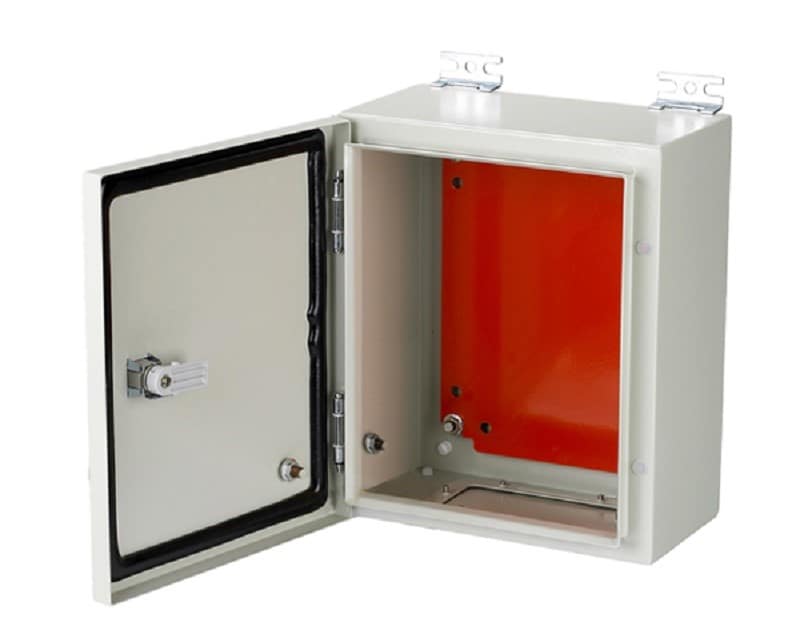
Due to their fundamental protective and safety duties, wall enclosure boxes, referred to as wall boxes, are typically designed sturdily to provide strong housing protection for various electrical switchgear and control gear assemblies. It is ideal for commercial and light industrial establishments with different electrical systems. It is built for both indoor and outdoor use.
Most wall boxes are built of plastic, metal, stainless steel, or PVC and typically come with one or two doors. If they have a transparent door, the box may have a panel that displays the contents. In contrast, some are designed to be entirely solid for additional strength and tamper resistance. Choosing the material for the wall mounting enclosure depends on the overall operating environment.
Metal Wall Mounting Enclosure
Wall mounting enclosure made of metal is a favored choice for wall-mounting hardware and components. Various types of steel, such as sheet and carbon, are often used. Door panels are often built with aluminum for ease of use and reduced weight.
Stainless Steel Wall Mounting Enclosure
It is ideal to use stainless steel electrical enclosures where there is extreme environmental conditions.
Plastic Wall Mounting Enclosure
This type is more lightweight but sturdy, especially when made from ABS, thermoplastics, or polycarbonate. They are also suitable for indoor and outdoor.
Electrical enclosures are required to fulfill safety requirements. The two primary bodies responsible for setting and administering the USA’s standards are:
- NEMA (National Electrical Manufacturers Association): defines standards for electrical enclosures in North America. NEMA ratings shows a certain environment or hazard that a wall mounting enclosure can handle. Wall mounting enclosure are easy to pick with confidence thanks to the NEMA ratings.
- UL (Underwriters Laboratories)– lobal safety certification company for latest products and technologies
What Are They Used For?
A wall mount enclosure serves as a reasonably sturdy and secure structure meant to store and protect sensitive components.
One of the main advantages of wall-mounted enclosures is that they help you to save space if you don’t have enough for floor-standing enclosures, or where moving a cabinet to a wall mount is seen as offering better security and privacy.
In certain situations, specialized wall mounting enclosure types are required, while more general wall mounting enclosure types offer a wider range of potential uses. The latter will generally have a simpler but multipurpose structure offering a far more extensive array of practical applications.
There are many practical applications for wall mounting enclosures, from domestic to industrial, but they are mainly used for indoor and outdoor electrical systems. Wall mounting boxes are used for:
- Housing and protecting different electrical switches and terminal compartments
- Rack-mounting computer components
- Telecoms and networking centres
- Housing industrial power and control systems
- Weatherproofing and safeguarding security equipment
- Protection from sprays and splashing of water in pools and saunas
- Protecting other sensitive electrical or hardware equipment from moisture, dirt, and other environmental hazards.
Types of Wall Mounting Enclosure
Customers nowadays popularly request wall mounting enclosure types like:
- Weatherproof electrical enclosures
- Vented wall-mount enclosures
- IP-rated electrical enclosures
- Metal wall-mount enclosure
- Wall boxes with two doors
- Wall boxes with transparent doors
- Stainless steel electrical wall boxes
- Carbon electrical wall boxes
- Fiberglass wall boxes

These versatile and efficient wall boxes are built with many different usages for different installation needs, whether residential or commercial.
Below are the most common wall mounting enclosure types you can often find on sale from suppliers. The guide below outlines some of the advantages and disadvantages of each kind.
Weatherproof Wall Box
This is a wall mounting enclosure that can house switches, circuit boards, and other electrical components. This is ideal for both indoor and outdoor use. Depending on the manufacturer, each weatherproof wall box has a different IP rating. IP rating or Ingress Protection Rating indicates how well an item blocks foreign objects from getting inside. It is best to confirm the level of IP rating of the wall box you are purchasing to guarantee that it is suitable for the install location.
Vented Wall Mounted Enclosure
These enclosures have vents in the side or door panels or fluted cut-outs to help with heat management of the equipment and components housed inside. This is especially needed for components that generate heat, such as transformers, CPUs, power supply, battery backup systems, etc. To ensure you’ve gotten the proper cooling requirements, you should first consult the manufacturer or supplier. It’s important to know about all of the other environmental factors, such as high-temperature machinery, or exposure to solar heat when making your installation location choice.
Lockable Electrical Enclosure
A lot of the wall boxes currently on the market have locking functions for added security and protection. It is vital to assess the locking system requirements of the components and wall-mounting location before making a purchase. The popular lock mechanisms in wall boxes are single lock, cam lock, double bar lock, padlock, and quick-release lockable wall boxes.
Conclusion
A wall mounting enclosure serves a double function of saving space, and storing components and safeguarding them from dirt, dust, and moisture. There are different kinds of wall boxes.
Electrical equipment is beginning to be placed in different, non-traditional locations due to new technology advancements. Wall mounting enclosures prove vital in ensuring the protection and security of electrical components and CHINT has diverse range of wall mounting enclosure specifically developed to accommodate nearly any sort of needs.