


Table of Contents |
Variable frequency drives, known as VFDs for short, are an essential component of many modern-day motor setups. With their combination of a controller, inverter, and feedback device, VFDs not only allow you to have adjustable speeds on your motors but can permit you to take advantage of more energy-efficient operations. VFDs are a great solution to help meet organizational efficiency goals without breaking the bank.
What is a VFD Drive
A variable frequency drive goes by many different names, including an adjustable frequency drive, AC drive, microdrive, and even adjustable speed drive. All of these terms refer to a specific type of motor controller that varies both voltage and frequency to drive an electric motor.
It’s important to note that frequency simply refers directly to the motor’s speed. The variable frequency drive can ramp up or turn down the frequency or speed of the motor to meet the required load placed on it.
VFD Working Principle
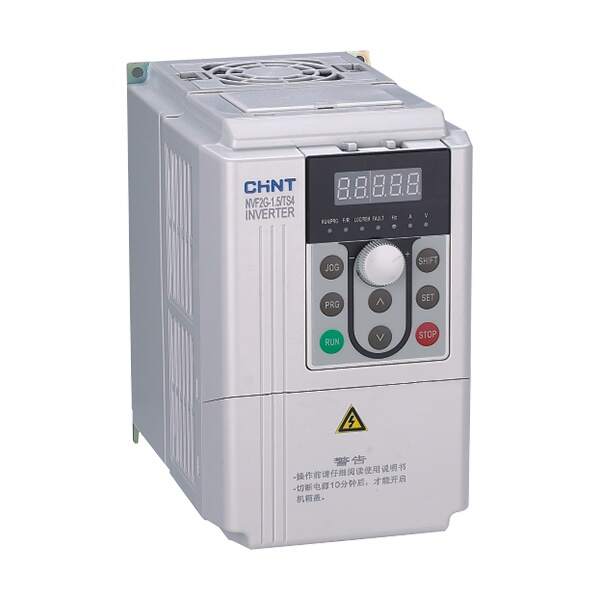
Most VFDs have three-phase voltage supplies that power their motors, while some do have single-phase. These three-phase VFDs are composed of three main parts known as the controller, inverter, and feedback device. Knowing how each component works can allow you to understand better how the overall VFD functions in real life.
VFD Controller
The VFD controller’s main responsibility is to determine the desired RPM value entered into the computer and supply the appropriate amount of energy to power the right speed for the motor. The controller is necessary for setting the V/F input for the subsequent inverter to read and follow. The higher the controller sets its V/F input, the faster the motor will be.
VFD Inverter
The VFD inverter converts input power into three-phase output AC power. With the help of its three main components, input, output, and control terminals, the inverter works to convert low-voltage DC energy into AC output energy actively. It follows the V/F input setting established by the VFD’s controller unit when outputting power to the system’s motor.
VFD Feedback Device
The VFD feedback device is there to assist with comparing the intended motor speed to the actual speed of the motor. Think of it as a safety mechanism that helps to alter the VFD controller if there’s a fluctuation between the two speeds. Your system needs to know if there’s a problem with the motor speed so that the VFD controller can fix the issue before it becomes a bigger problem.
What are Variable Frequency Drives Used For?
Due to their high versatility with various motors, VFDs are used for a very wide variety of needs across a plethora of different industries. From mechanical bull operation to large crane usage, VFDs can be found in almost any industry throughout the globe. The most common applications that makeup around 75% of all the VFDs utilized globally include the use to control pumps, compressors, and fans.
Key Advantages of Using a VFD
One of the biggest advantages of using a VFD over other options is that it gives you the convenience of being able to alter a motor’s speed when necessary. You can speed up production or slow down your motor when necessary to maximize energy savings.
Even better, the VFD can be programmed to limit the amount of torque used so that your motor never surpasses its set limits. This means more protection from unnecessary system damage with the implementation of VFDs.
Additionally, VFDs are commonly preferred over other options on the market because they only require minimal maintenance. This can be a game-changer for industries like oil and gas, where a VFD can be used over a gas turbine to help reduce the amount of downtime spent on maintenance.
VFDs furthermore provide the advantage of offering a smooth startup procedure for the motors that they control. This goes a long way in preventing any strain on the motor during startup when there is a particularly heavy load placed on it.
VFDs are great for acting as a safety device to prevent excessive wear and tear on motors. Businesses will enjoy longer motor life spans when using VFDs than with other similar types of devices.
Essential VFD Troubleshooting Tips
Whenever there is a fault detected in a VFD, it will show an error code on the system’s controller. Thanks to the feedback device, some issues are instantaneously remedied by the variable frequency device itself. However, in other scenarios, some potential issues will require a manual solution.
A common malfunction is the result of overheating of the drive. This is typically caused by excessive dirt and dust buildup on the drive. Simply cleaning the debris off the drive can remedy the overheating issues. Another common issue is loose connections.
With the constant cycling of the drive, it’s not uncommon for some connections to loosen over time with the temperature changes they experience. If you notice any physically loose wire connections, then tighten them back up to solve your problem potentially.
If these simple solutions don’t work to adequately solve the issue that you’re having with your VFD, then it’s best to call in the professionals. They can evaluate the entire problem and provide a useful diagnosis of your drive to get it back up and running quickly.
Conclusion
VFDs are becoming a common device throughout a plethora of industries thanks to their minimal maintenance needs and enhanced energy efficiency. Be sure to check out Chint Global’s wide range of VFD products that will be sure to meet the varying needs of your business now and going into the future.
FAQ about Variable Frequency Drive
Can a VFD be used with any type of motor?
What factors should be considered when selecting a variable frequency drive?