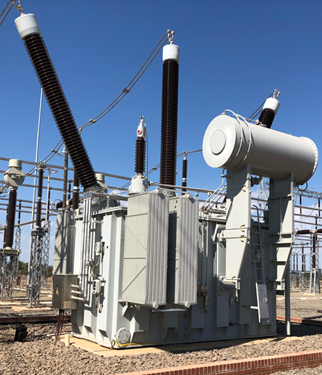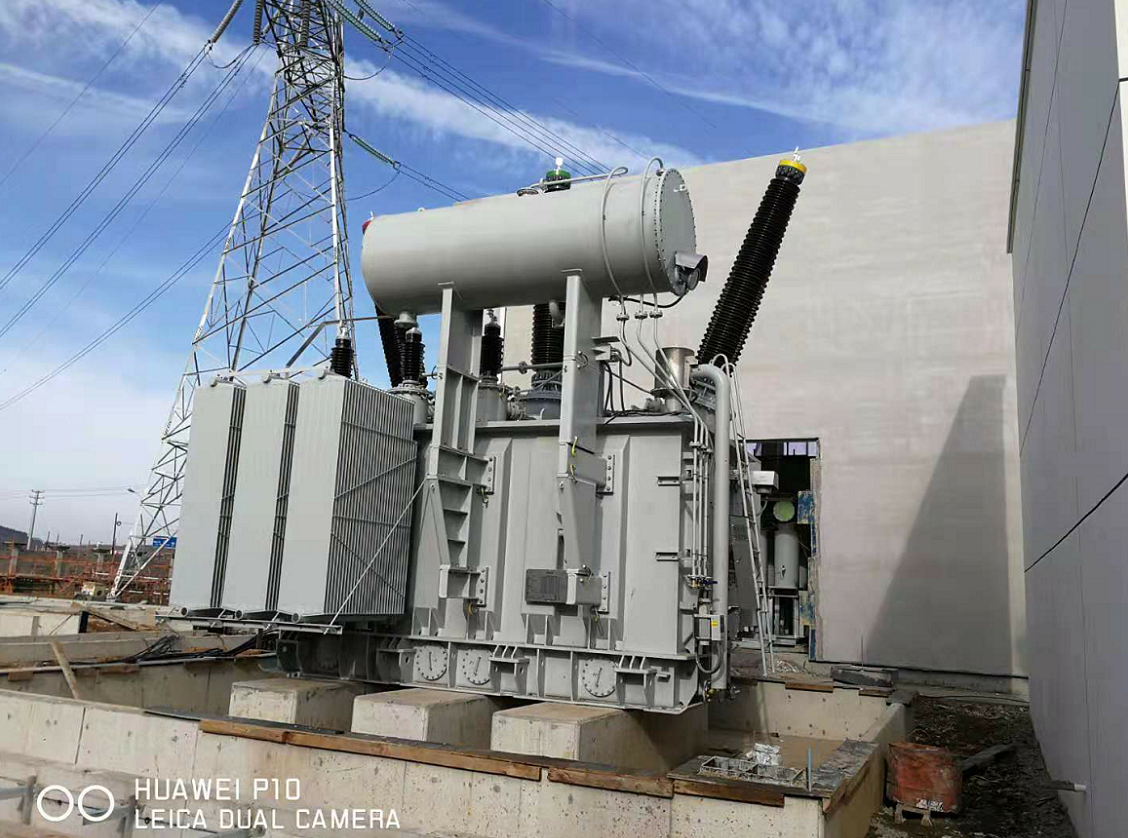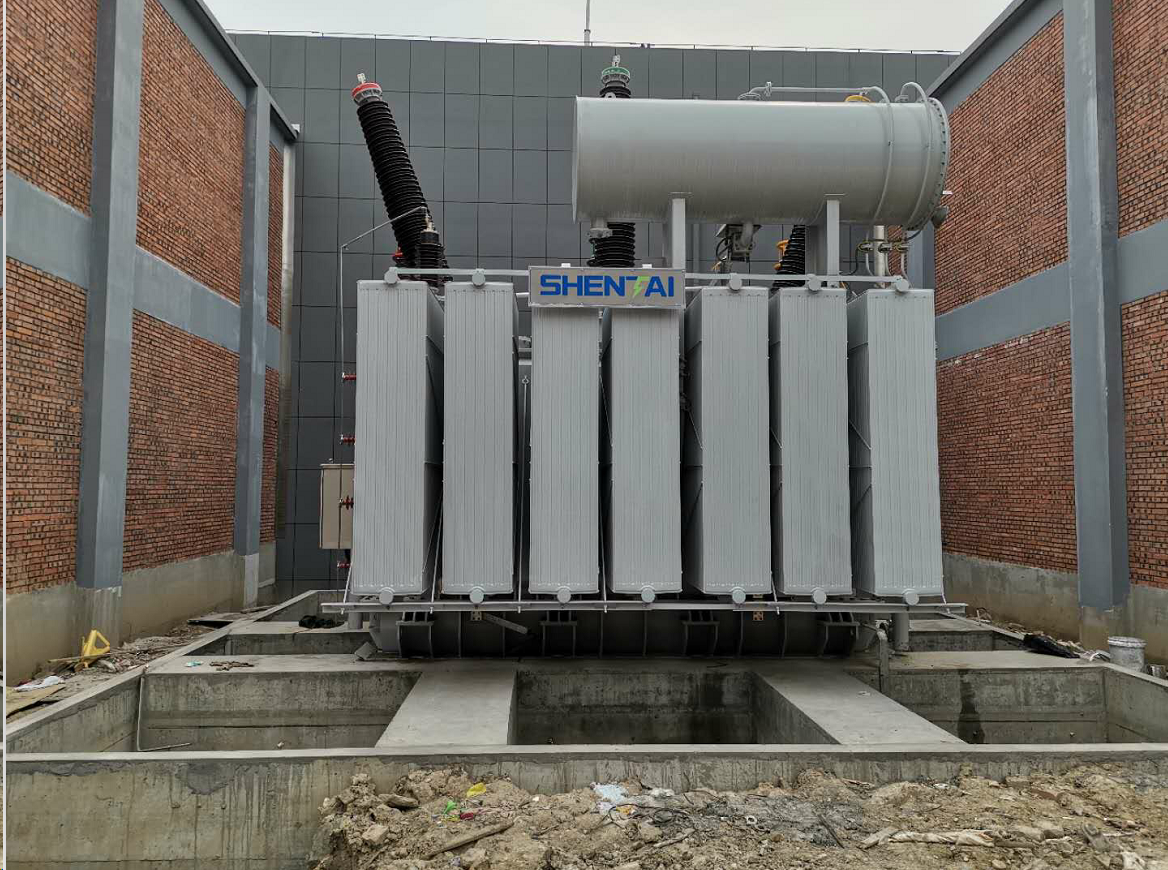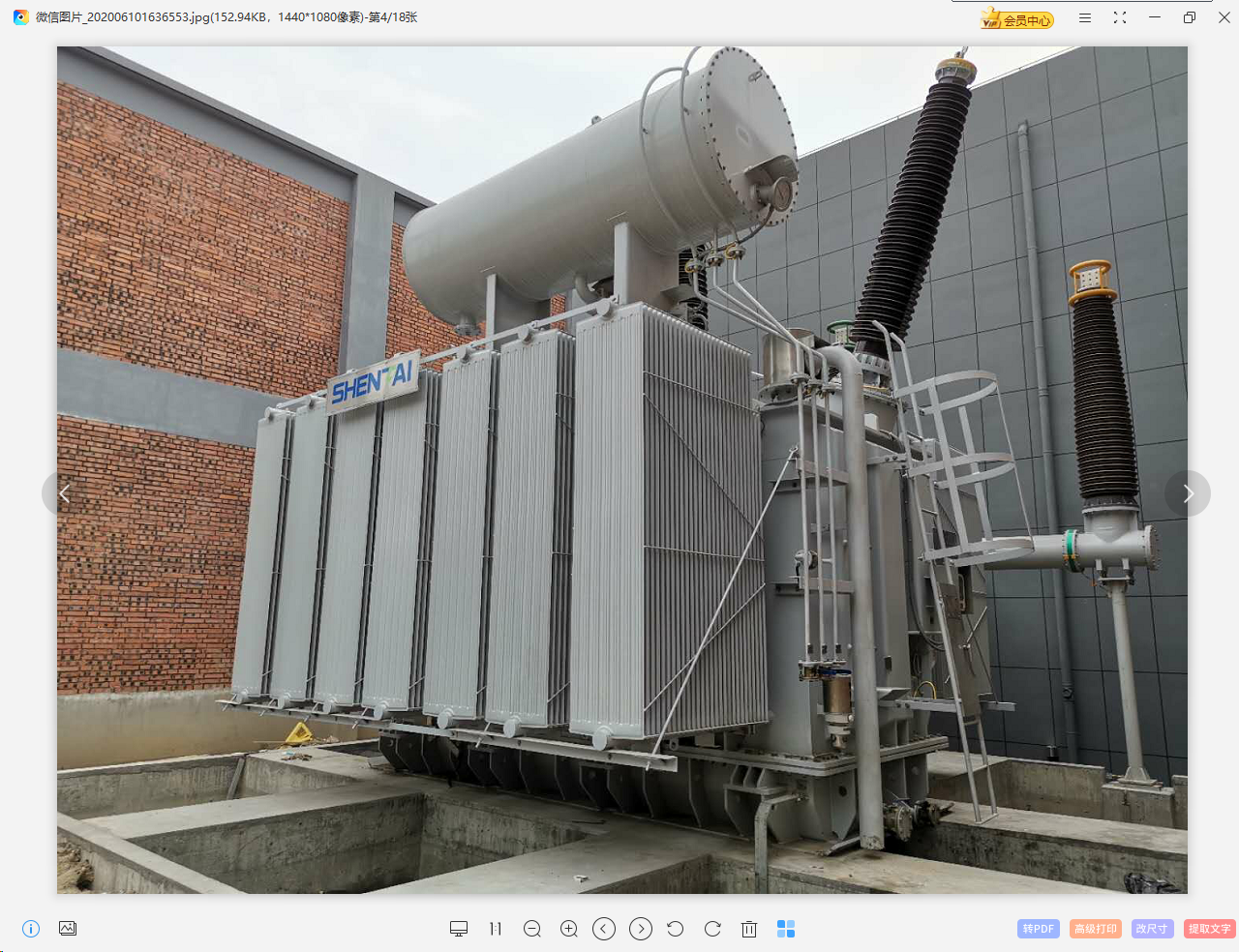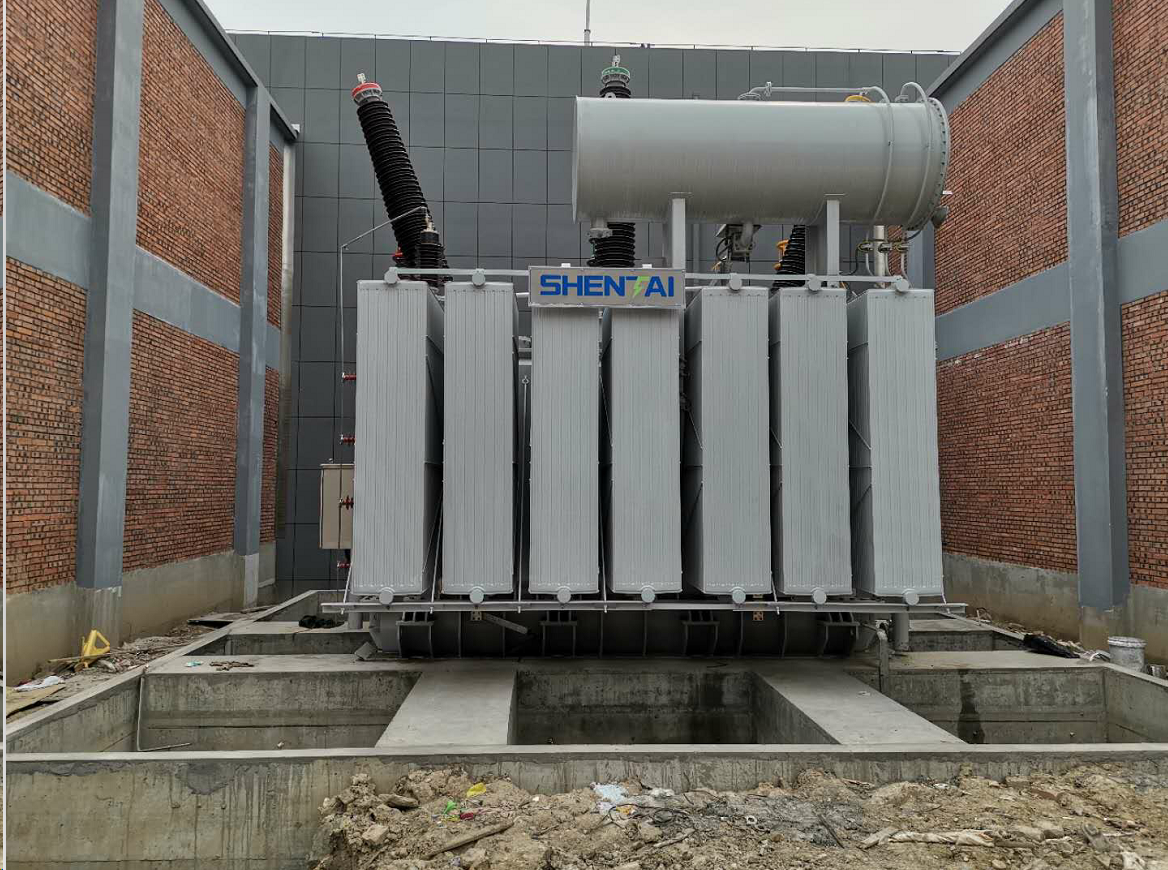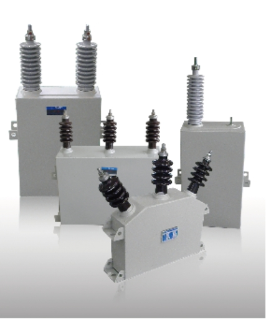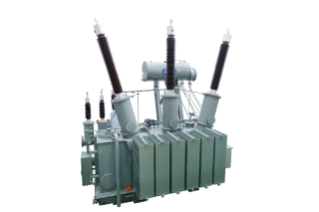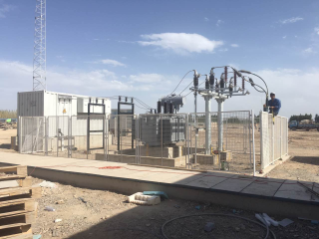
Shunt reactor is an electrical device used in high-voltage power systems to stabilize voltage during load changes. Shunt reactors are crucial for improving the power and energy efficiency of electrical power systems by absorbing and compensating reactive power in long-distance high-voltage transmission lines and cables.CHINT can produce shunt reactors up to 1000kV.
Technical Specifications
500kV
420kV
225kV
Rated Power
120Mvar
200Mvar
30Mvar
Rated Voltage
500kV
420kV
225kV
power Ration
24-120Mvar
100-200Mvar
10-30Mvar
Cooling Method
ONAN / ONAF
ONAN
ONAN / ONAF
Energy Efficiency
Tire 2
Tire 2
Tire 2
Corrosion Class
C5H
C4H
C4H
Insulation Level
HV:Um/SI/LI/LIC/AC
550/1175/1550/1675/680 kV
440/1175/1425/1570/630 kV
245/850/1050/1155/460kV
Applicable Standards
IEC, IEEE, GB and other systems.
Applications
Loads supplied via long-distance overhead transmission lines or underground cables feature drastic fluctuation.
Large-scale wind farms and solar power plants with volatile power load variations.
For hybrid energy systems during summer peak load periods with obvious day-night load gaps, reactive power compensation can significantly boost grid operation efficiency.
Distributed generation networks (solar, wind, etc.) often operate below full rated output, which leads to increased reactive power flow caused by fluctuating reactive power generation and consumption.
Voltage fluctuation quietly damages industrial equipment. Learn how a three-phase voltage stabilizer works and why independent phase regulation matters for generator-backed power.
HVAC uses up to 40% of a commercial building's energy. The electrical control system determines efficiency, reliability, and BMS integration. Here's what to know.
Long-term solar performance depends on the electrical system, not just the panels. A practical guide to smart switchgear, protection, and combiner box selection for PV.
In oil and gas, poor power quality can trigger safety shutdowns and damage instrumentation. A practical guide to power quality monitoring for operations teams.
In mining and petrochemical sites, standard LV components are never enough. A guide to hazardous area equipment, motor protection, and reliable distribution.
Commercial solar has very different requirements from residential. Learn what C&I solar and storage projects really need to succeed, and what to watch out for.
Steel plants are among the most energy-intensive operations on earth. Here's where energy efficiency in steel manufacturing starts, and the role of the electrical system.
Choosing the wrong generator control components causes failure when it matters most. A practical guide to ATS, circuit breakers, and dual supply design.