Please enter keywords to search

Global |EN

Choose your country & Language

Asia Pacific

Australia & New Zealand
India
Indonesia
Malaysia
Philippines
Singapore
Singapore (Sunlight)
Vietnam

Middle East & Africa

Saudi Arabia
South Africa
UAE
Egypt
Kenya

Europe

France
Kazakhstan
Italy
Netherlands
Spain
Turkey
United Kingdom
Poland

North America

Mexico
USA
Canada

Latin America

Brazil
Colombia
Ecuador
Peru
Choose your country & Language

Australia & New Zealand
India
Indonesia
Malaysia
Philippines
Singapore
Singapore (Sunlight)
Vietnam
Saudi Arabia
South Africa
UAE
Egypt
Kenya
France
Kazakhstan
Italy
Netherlands
Spain
Turkey
United Kingdom
Poland
Mexico
USA
Canada
Brazil
Colombia
Ecuador
Peru
Please enter keywords to search

Your search term contains restricted words. Please use different keywords.
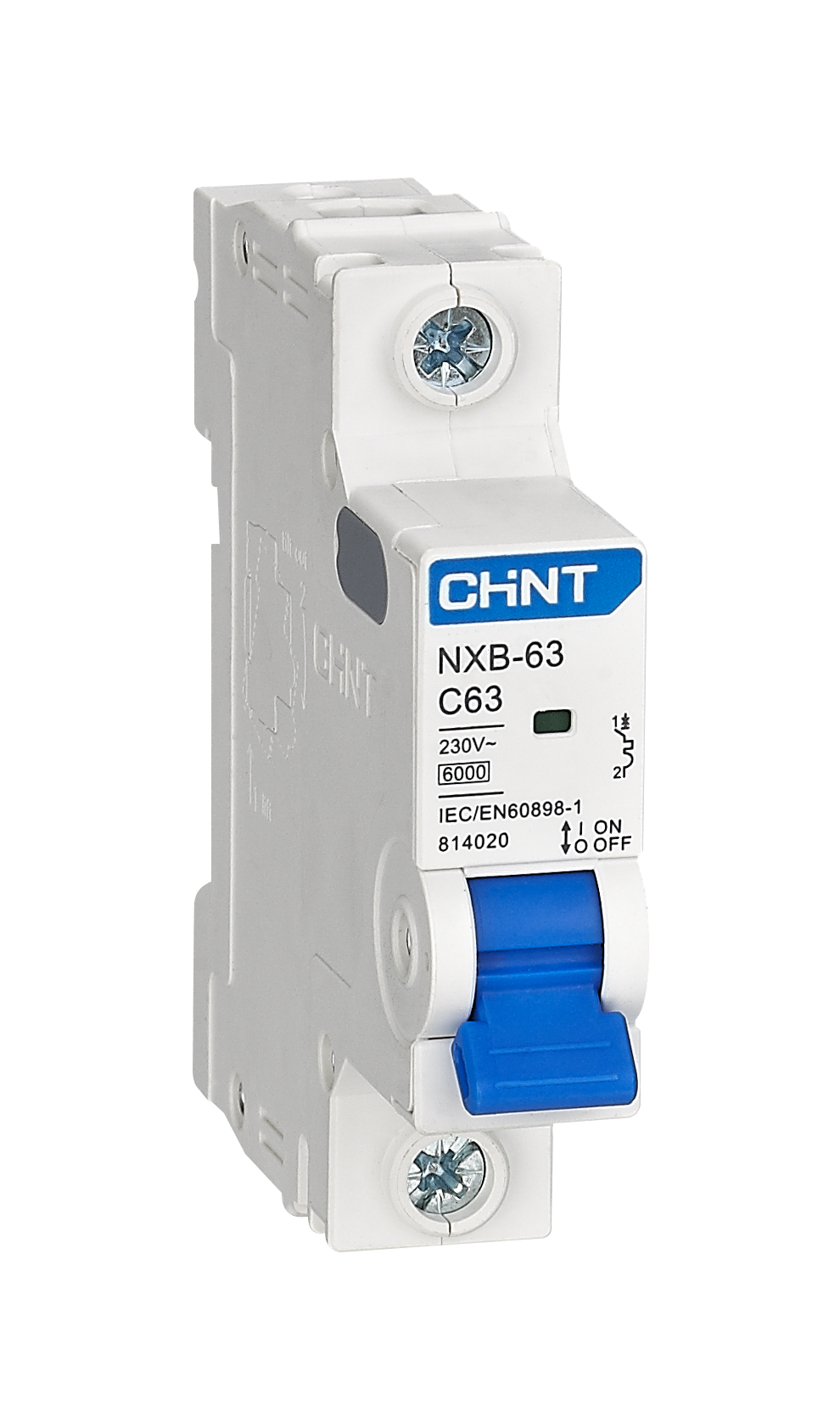
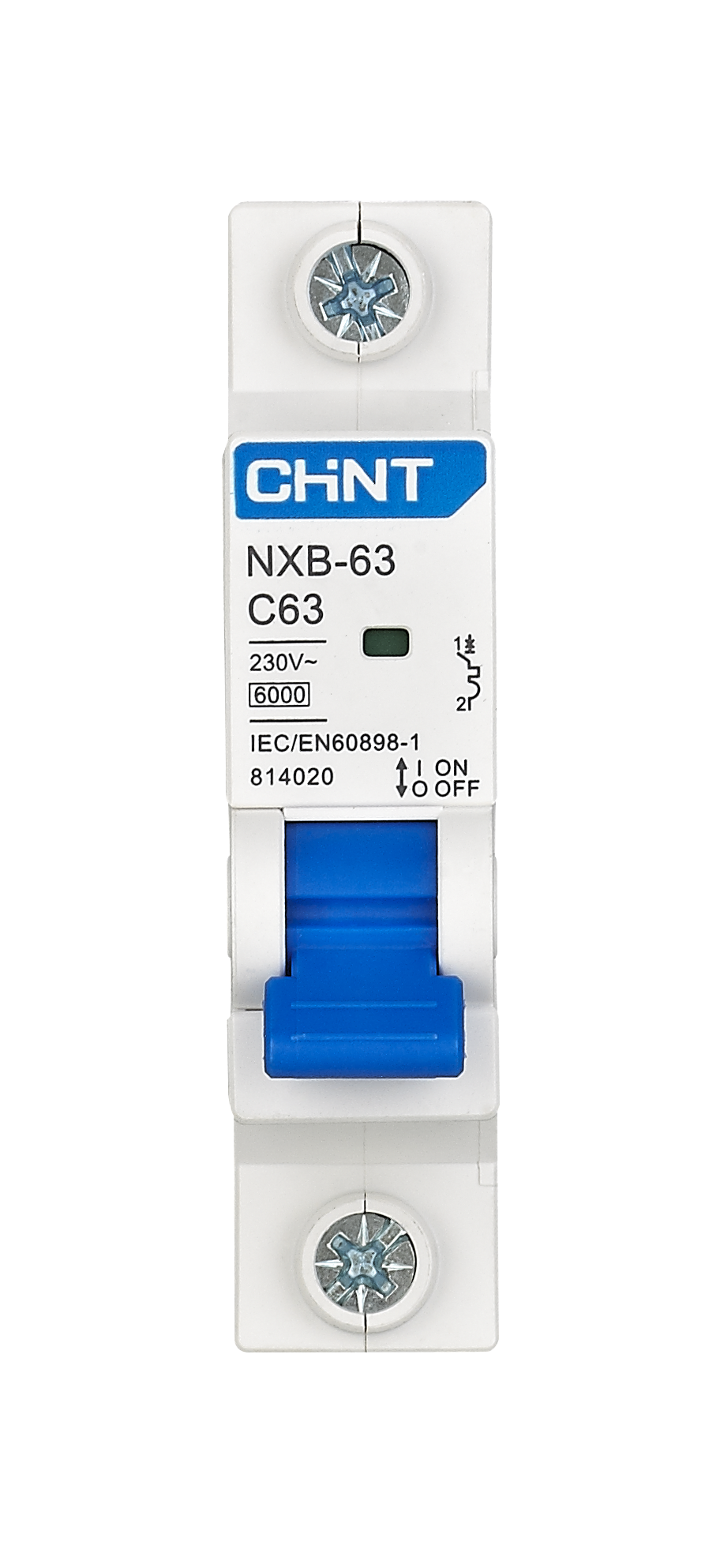
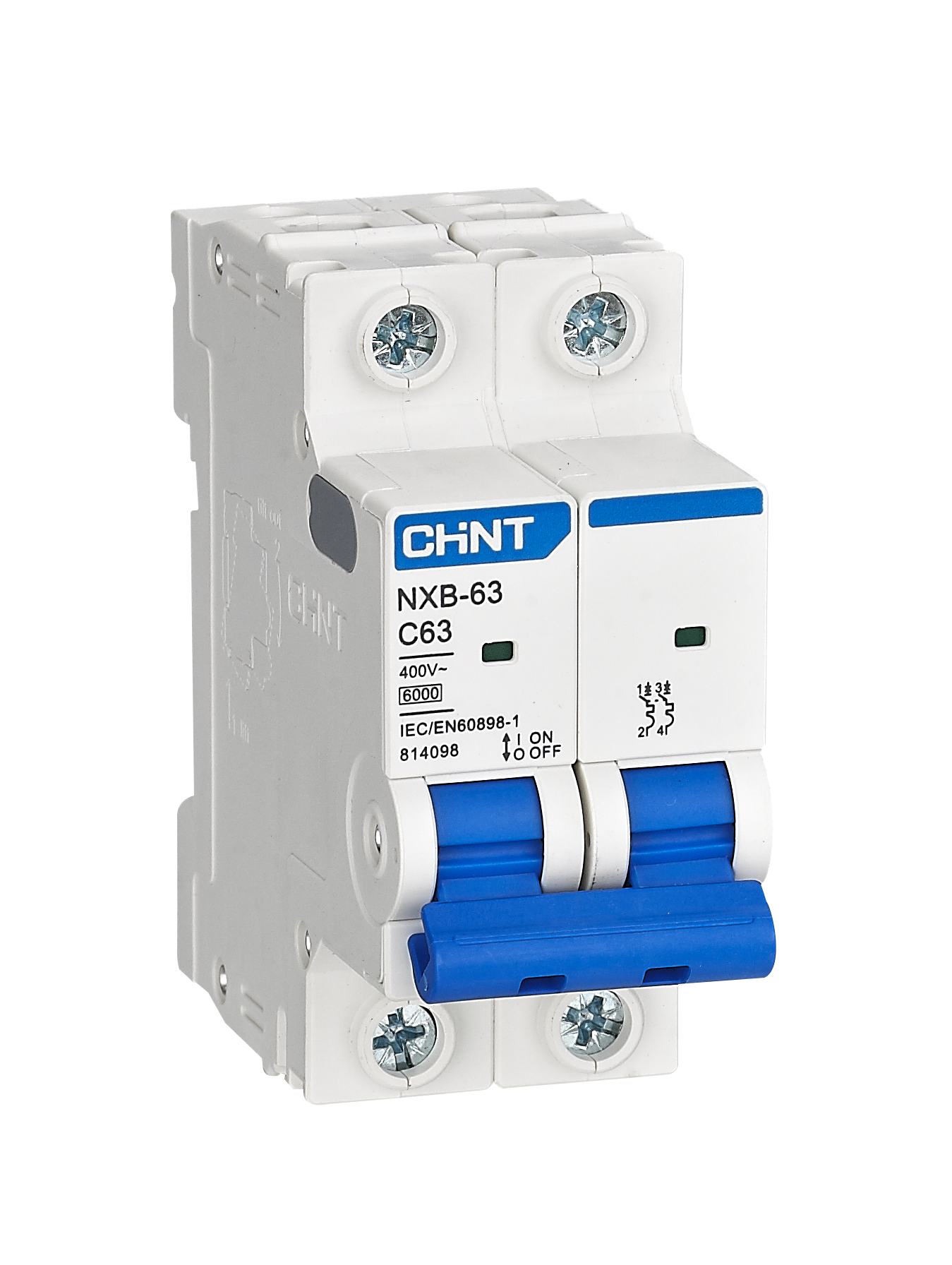
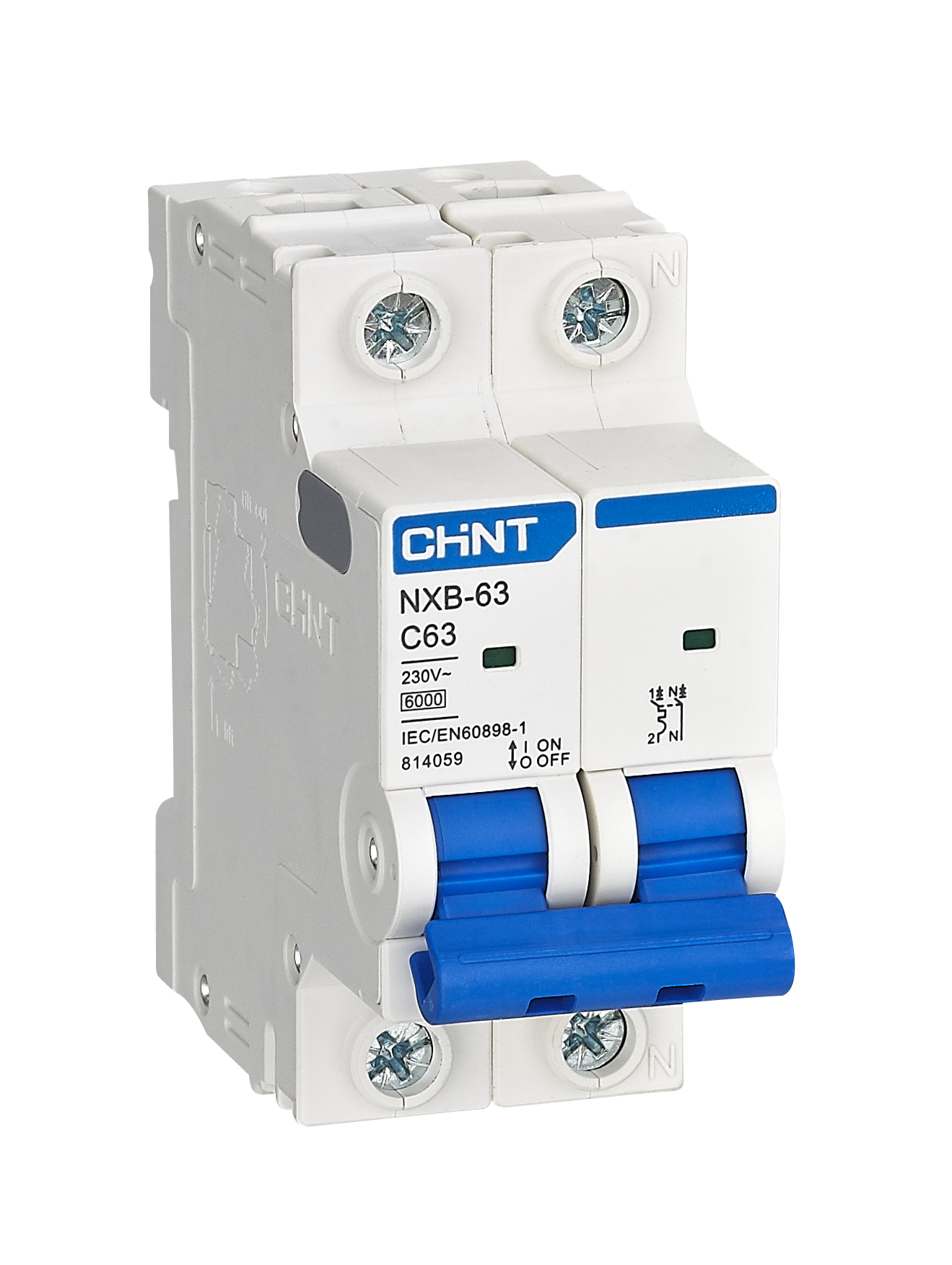
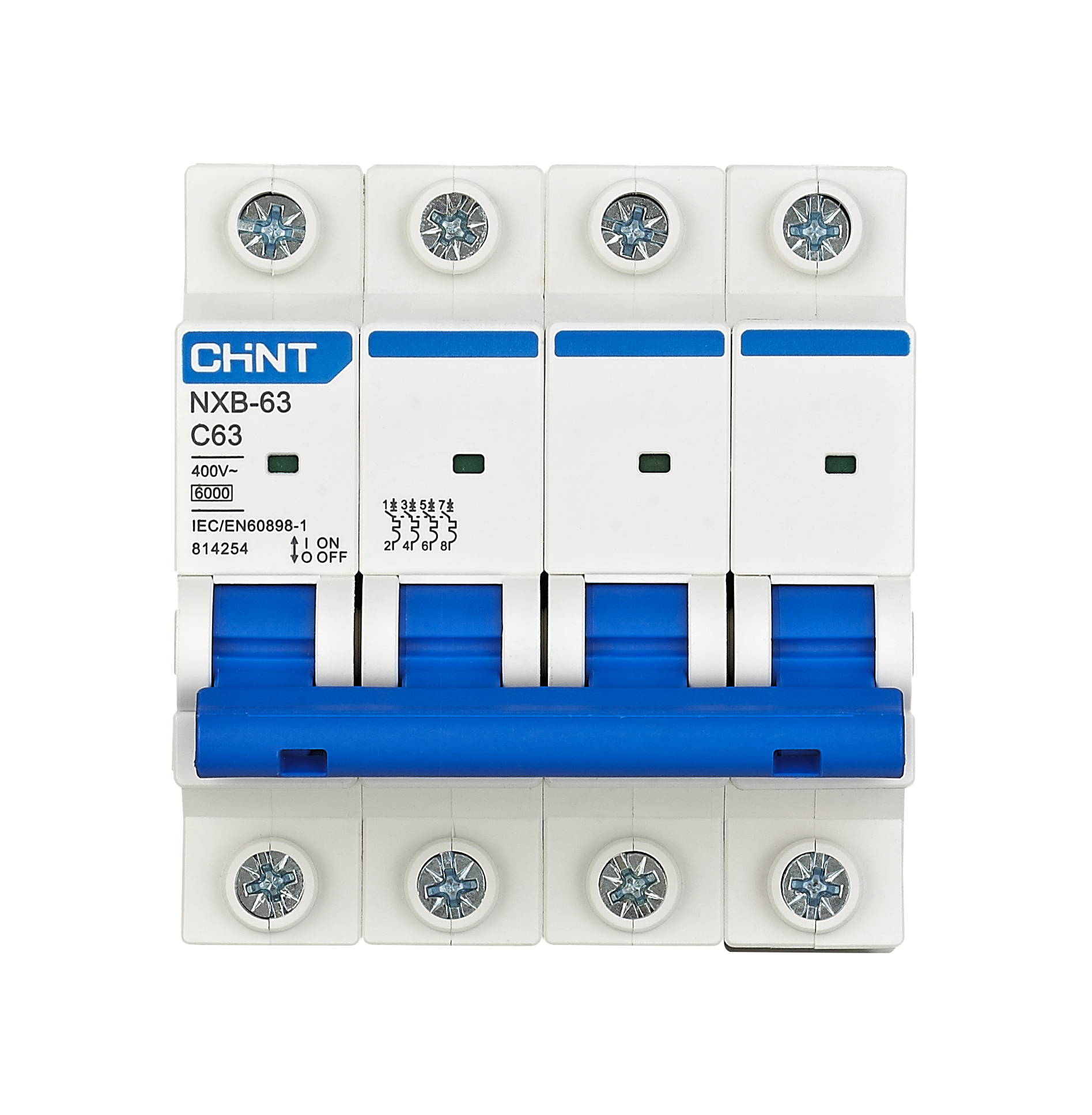
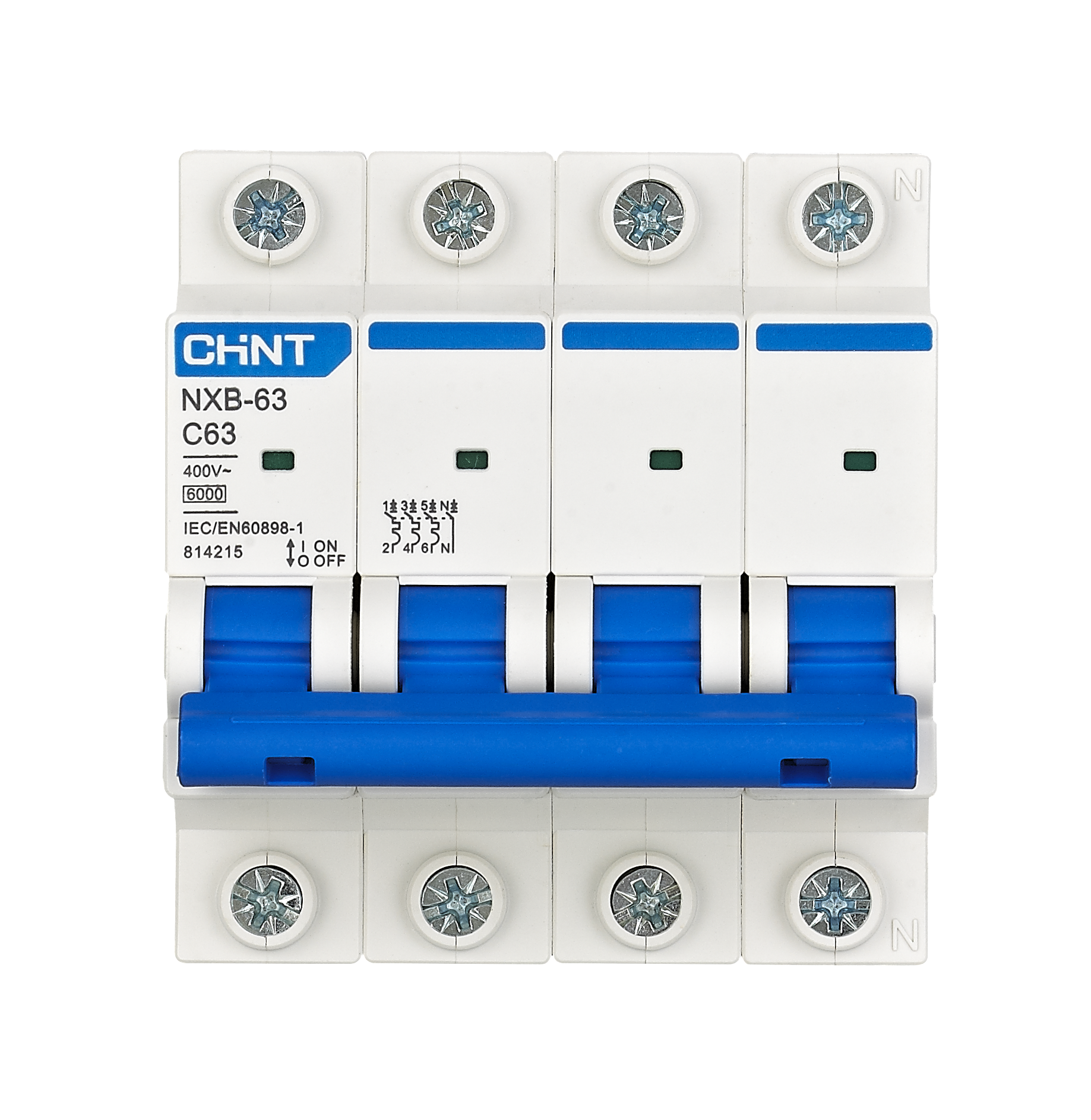
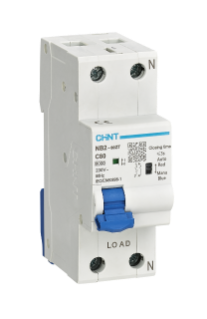
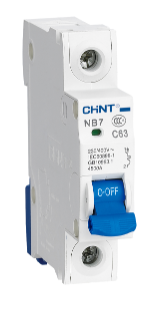
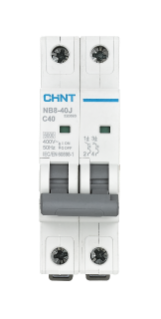
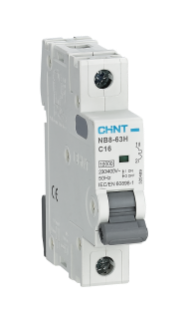
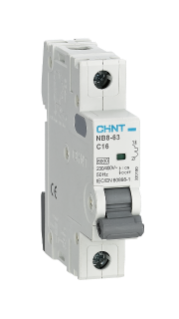
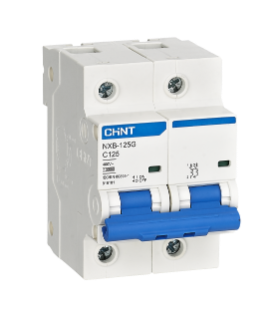
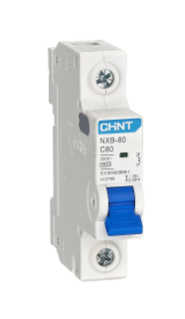
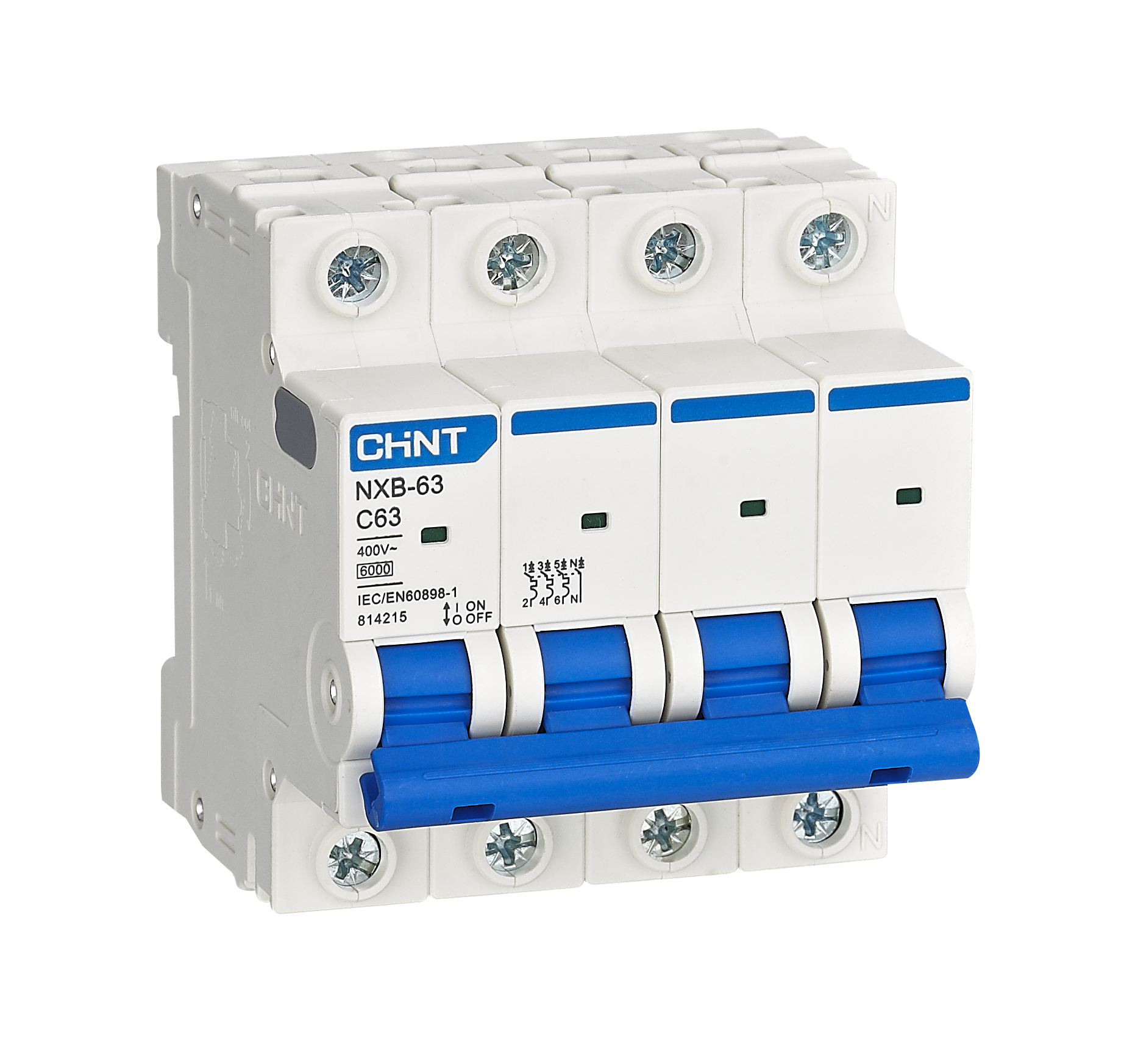
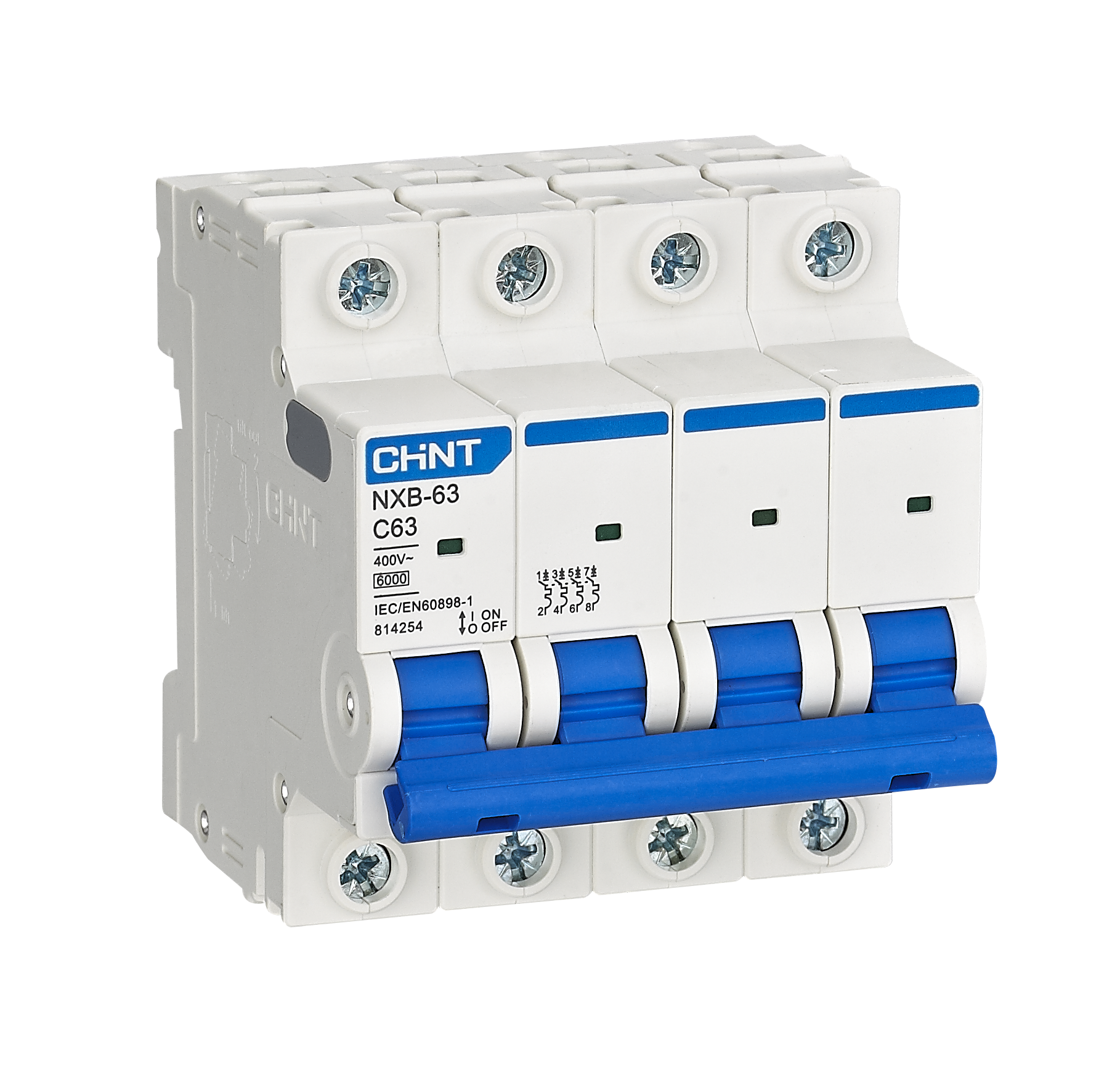
NXB-63 Miniature Circuit Breaker

NXB-63 Miniature Circuit Breaker

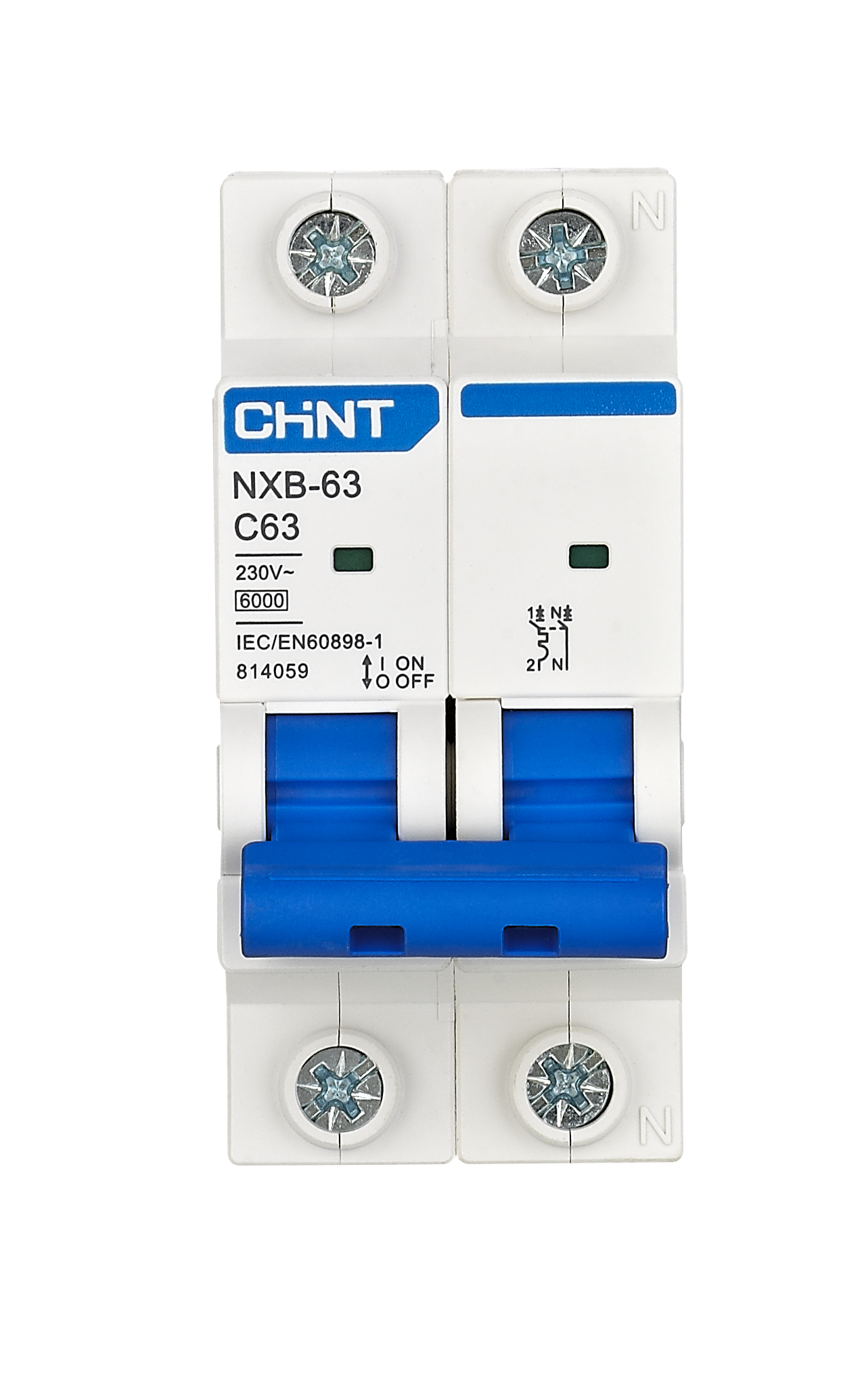
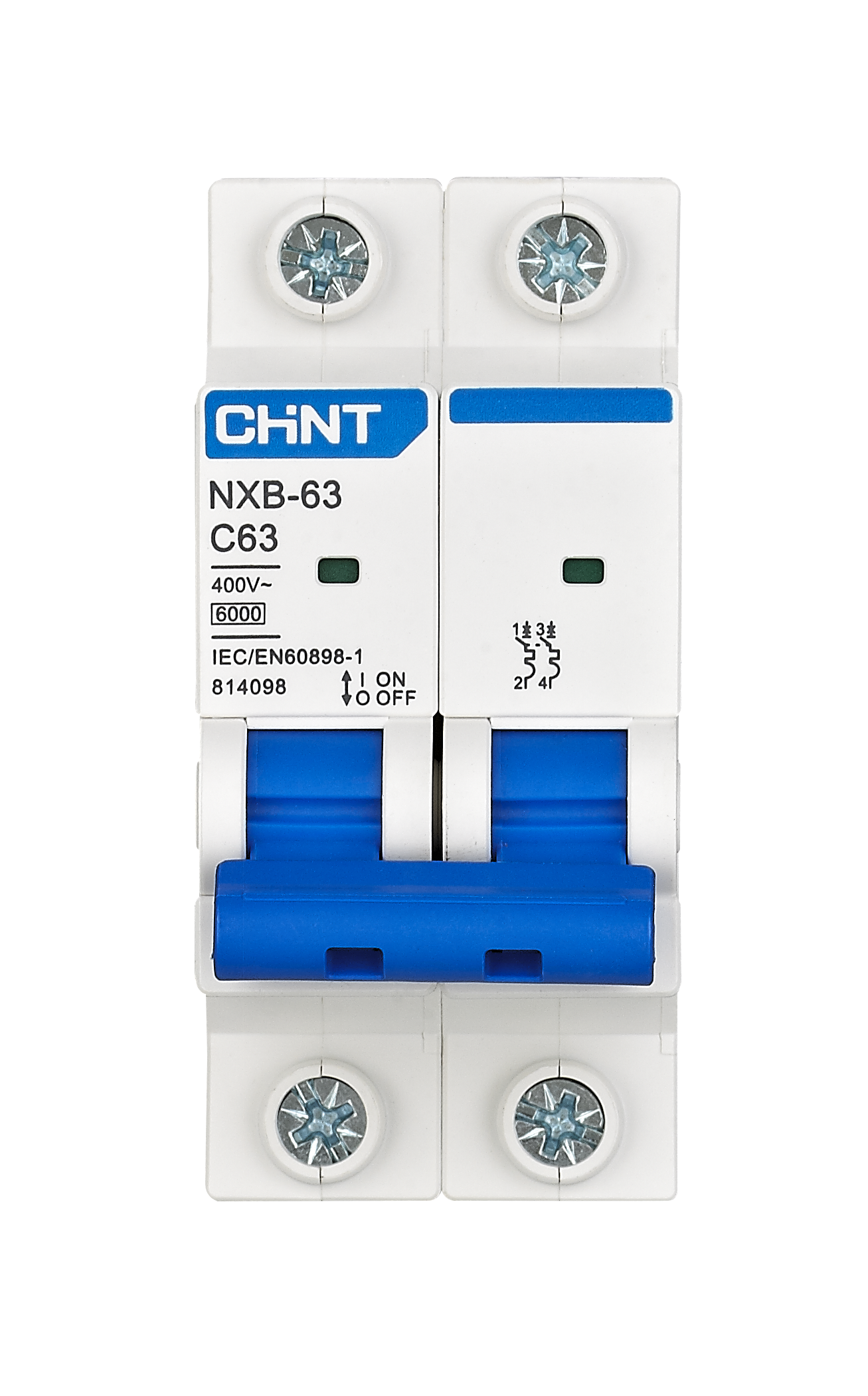
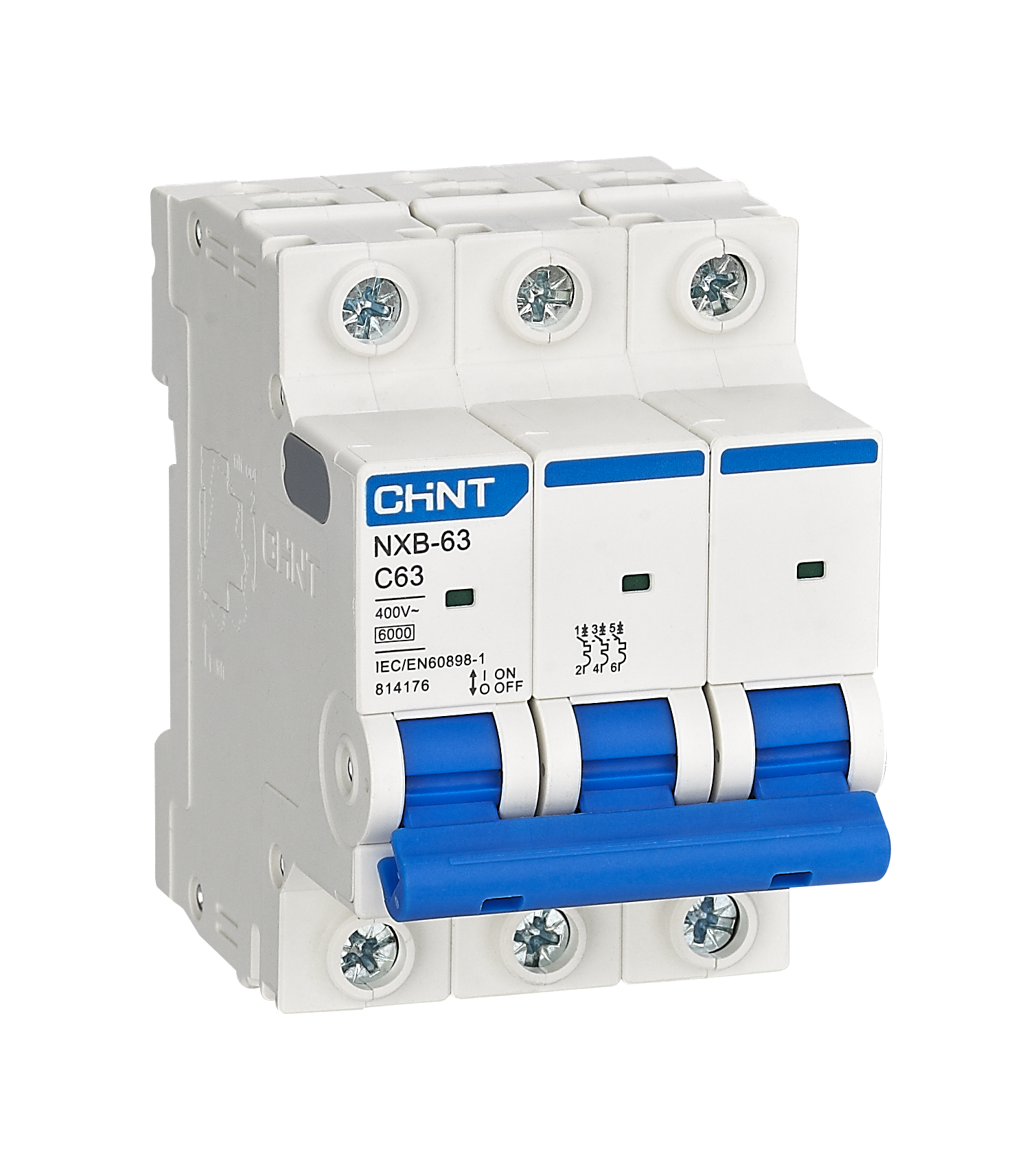
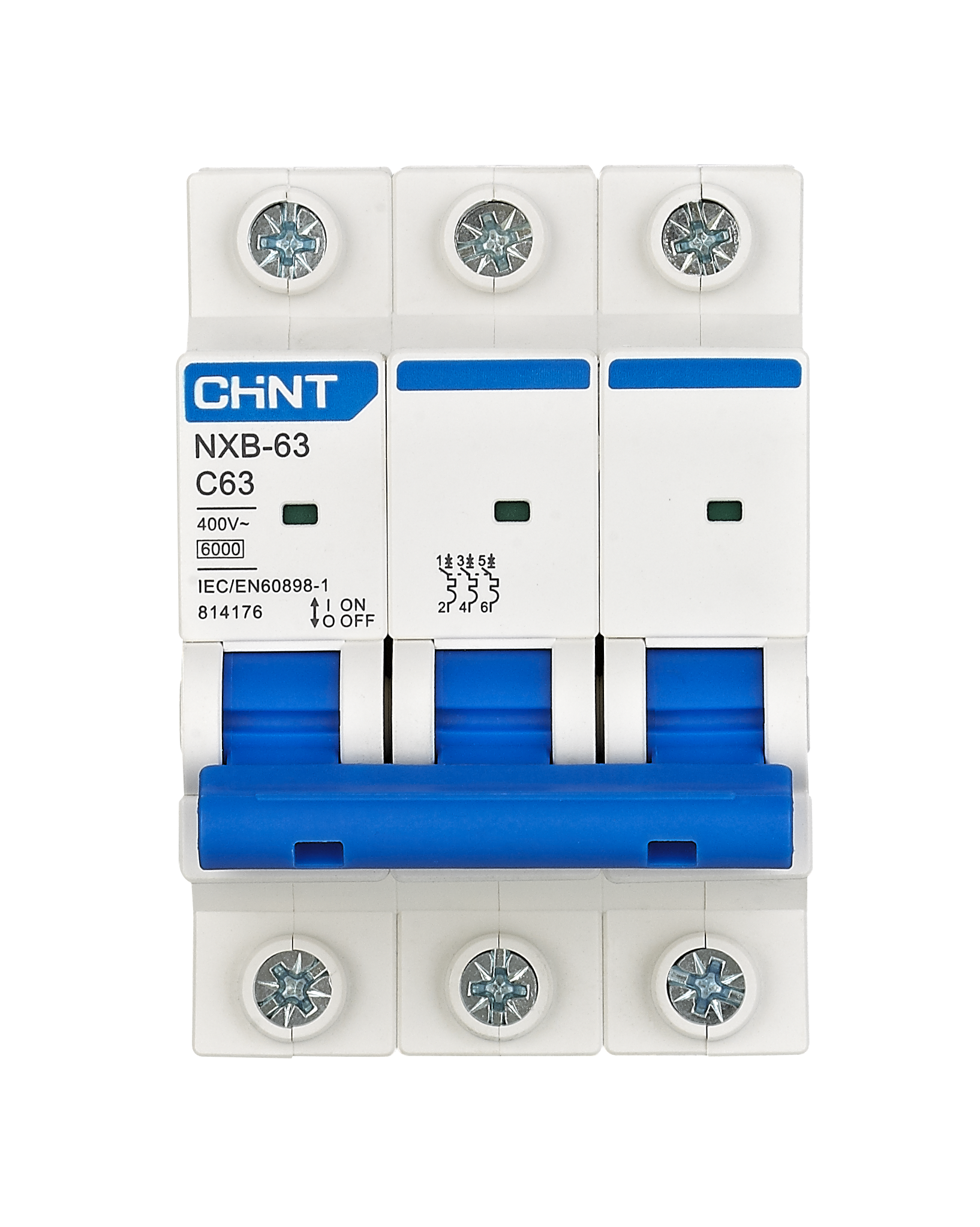
The NXB-63 Miniature Circuit Breaker (MCB) delivers essential overload and short-circuit protection for electrical circuits up to 63A. NXB-63 MCB also provides circuit switching and isolation, enhancing safety and reliability across residential, commercial, and industrial power distribution systems.

Product Information

Recommend Blogs
MAY 25, 2026 Getting More from Your Solar Investment: How Smart Switchgear Maximises PV Performance

Long-term solar performance depends on the electrical system, not just the panels. A practical guide to smart switchgear, protection, and combiner box selection for PV.

MAY 25, 2026 Power Quality in Oil and Gas: Why It Matters More Than You Think

In oil and gas, poor power quality can trigger safety shutdowns and damage instrumentation. A practical guide to power quality monitoring for operations teams.

MAY 25, 2026 Fan and HVAC Control Systems in Large Buildings

HVAC uses up to 40% of a commercial building's energy. The electrical control system determines efficiency, reliability, and BMS integration. Here's what to know.

MAY 25, 2026 Emergency Lighting and Power Continuity in Commercial Buildings

In commercial buildings, emergency lighting is a legal requirement. A practical guide to system design, compliance, and integrating backup power with life safety.

MAY 22, 2026 Keeping the Lights On: Power Reliability Strategies for Food & Beverage Facilities

Unplanned downtime in food manufacturing is expensive. Learn how the right electrical components prevent costly stoppages in food processing plants.

MAY 22, 2026 Smarter Water Management: Electrical Control Solutions for Pumps and Water Systems

Learn how the right pump electrical control systems. From VFDs to fire pump panels, improve reliability, cut energy costs, and protect motor assets.

MAY 22, 2026 How to Choose the Right Generator Control System for Your Application

Choosing the wrong generator control components causes failure when it matters most. A practical guide to ATS, circuit breakers, and dual supply design.

MAY 22, 2026 Electrical Solutions for Modern Logistics: Conveyors, Lifts, and Warehouse Automation

As e-commerce pushes warehouse automation to new heights, electrical control systems are under more pressure than ever. Here's how to specify them correctly.

MAY 22, 2026 C&I Solar and Storage: What Businesses Need to Know Before Going Solar

Commercial solar has very different requirements from residential. Learn what C&I solar and storage projects really need to succeed, and what to watch out for.

MAY 22, 2026 Building a Reliable Microgrid: From Planning to Power-On

Plan resilient microgrid projects with practical guidance on topology, storage sizing, switchgear, islanding protection, and technical support teams.

Helpful Links

Blog
Blog

Explore expert insights, trends, and CHINT perspectives on the smart energy industry.

Read More
Resources
Resources

Download essential CHINT resources for your business needs.

Download Now
Contact Us
Contact Us

Have questions? Contact us for support and solutions.

Get Support
Collapsed
Expand

FAQs


What type of protection does the NXB-63 provide?

The NXB-63 offers overload and short-circuit protection for low-voltage AC circuits up to 415 V. It automatically disconnects the circuit when abnormal current or fault conditions occur, preventing wiring and equipment damage. It can also be manually used to isolate circuits during maintenance.


Where can the NXB-63 be installed and how is it mounted?

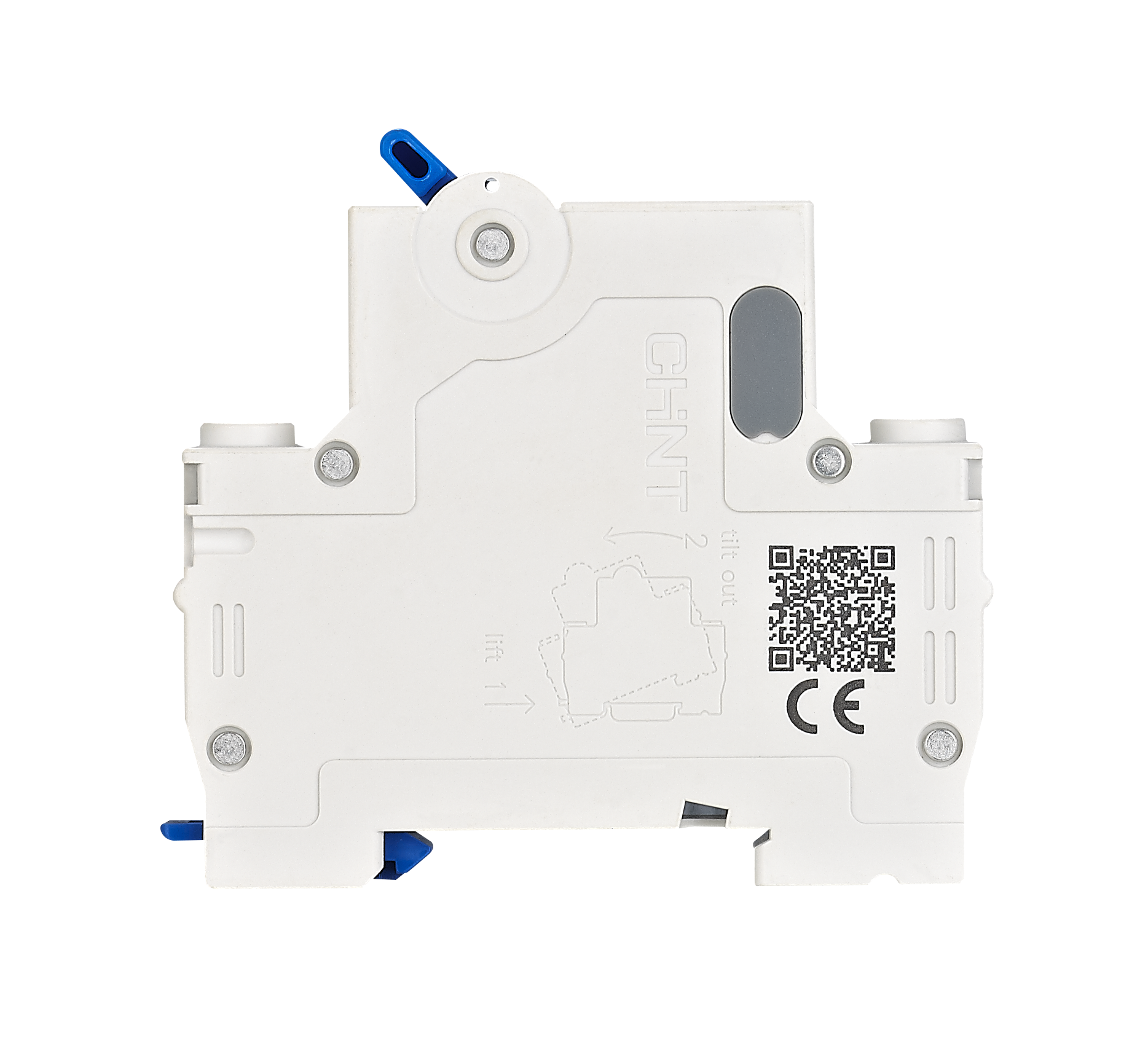
It is designed for TH35-7.5 DIN-rail mounting inside electrical distribution panels. The breaker should only be installed in dry, non-corrosive environments and not in areas with explosive gases or condensation. It must be installed by a qualified electrician with the power switched off.


What wiring and torque requirements should be followed?

The NXB-63 uses copper conductors only.

Recommended conductor sizes and torque:

  • 1 – 6 A: 1 mm²
  • 10 – 20 A: 1.5 – 2.5 mm²
  • 25 – 32 A: 4 – 6 mm²
  • 40 – 63 A: 10 – 16 mm²

Tighten terminal screws to 2.0 N·m torque to ensure proper contact and avoid overheating or loose connections.


What do the B, C, and D trip curves mean for the NXB-63?

The NXB-63 is available with B, C, or D tripping characteristics under IEC 60898-1:

  • B-curve (3–5 × In): for resistive loads like lighting and heating.
  • C-curve (5–10 × In): for mixed or moderately inductive loads such as appliances or motors.
  • D-curve (10–16 × In): for high-inrush loads like transformers and pumps.

This allows users to select the right breaker type based on application needs.


How can I tell if the NXB-63 is ON or OFF?

A color indicator window on the front shows the status:

  • Red = ON (contacts closed, circuit energized)
  • Green = OFF (contacts open, circuit isolated)

This visual cue helps ensure clear operational safety during inspection and maintenance.