Please enter keywords to search

Global |EN

Choose your country & Language

Asia Pacific

Australia & New Zealand
India
Indonesia
Malaysia
Philippines
Singapore
Vietnam

Middle East & Africa

Saudi Arabia
South Africa
UAE
CHINT AJLAN
Egypt
Kenya

Europe

France
Kazakhstan
Italy
Netherlands
Spain
Turkey
United Kingdom

North America

Mexico
USA
Canada

Latin America

Brazil
Colombia
Ecuador
Peru

Choose your country & Language

Australia & New Zealand
India
Indonesia
Malaysia
Philippines
Singapore
Vietnam
Saudi Arabia
South Africa
UAE
CHINT AJLAN
Egypt
Kenya
France
Kazakhstan
Italy
Netherlands
Spain
Turkey
United Kingdom
Mexico
USA
Canada
Brazil
Colombia
Ecuador
Peru

Please enter keywords to search

Your search term contains restricted words. Please use different keywords.
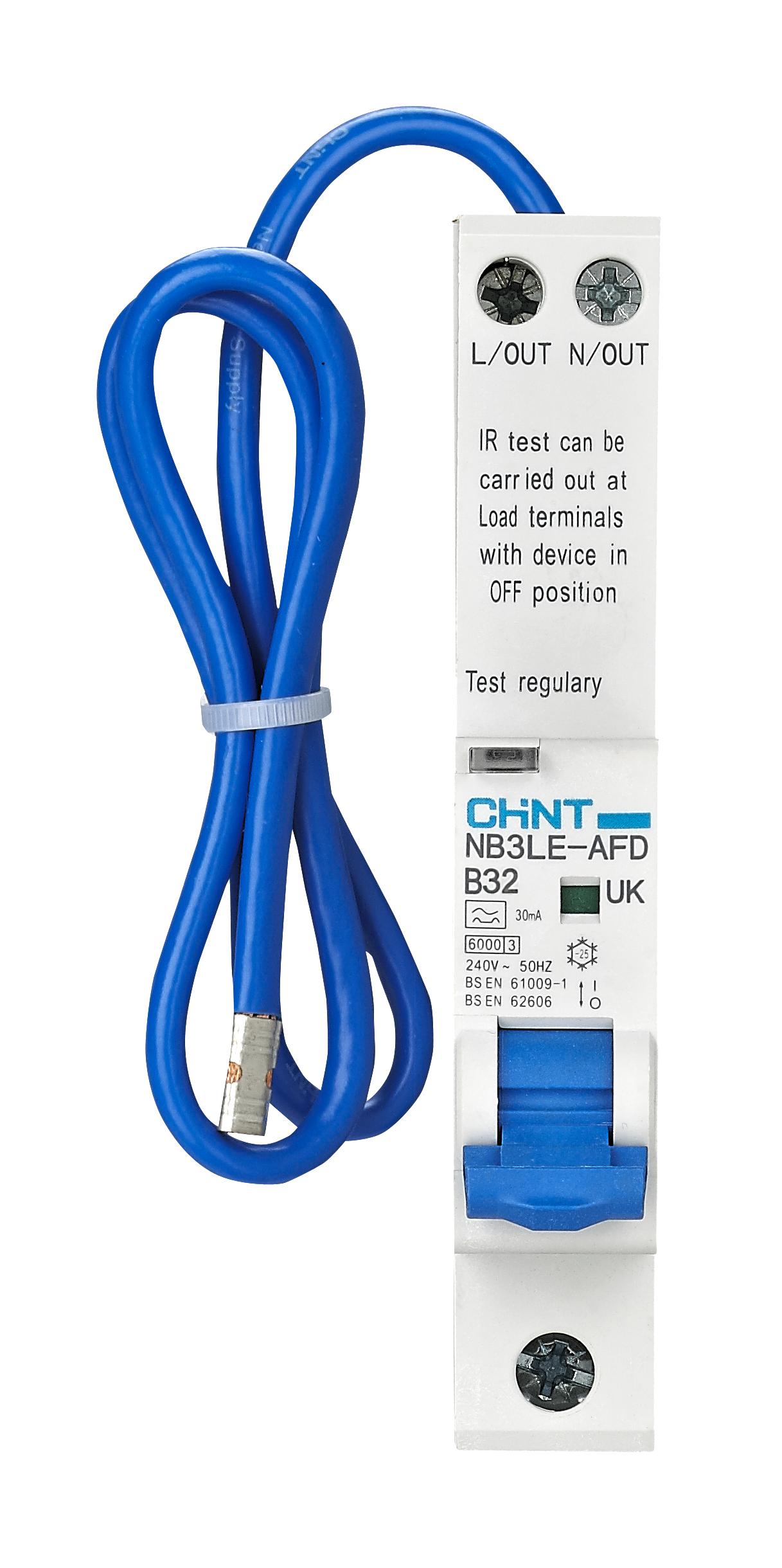
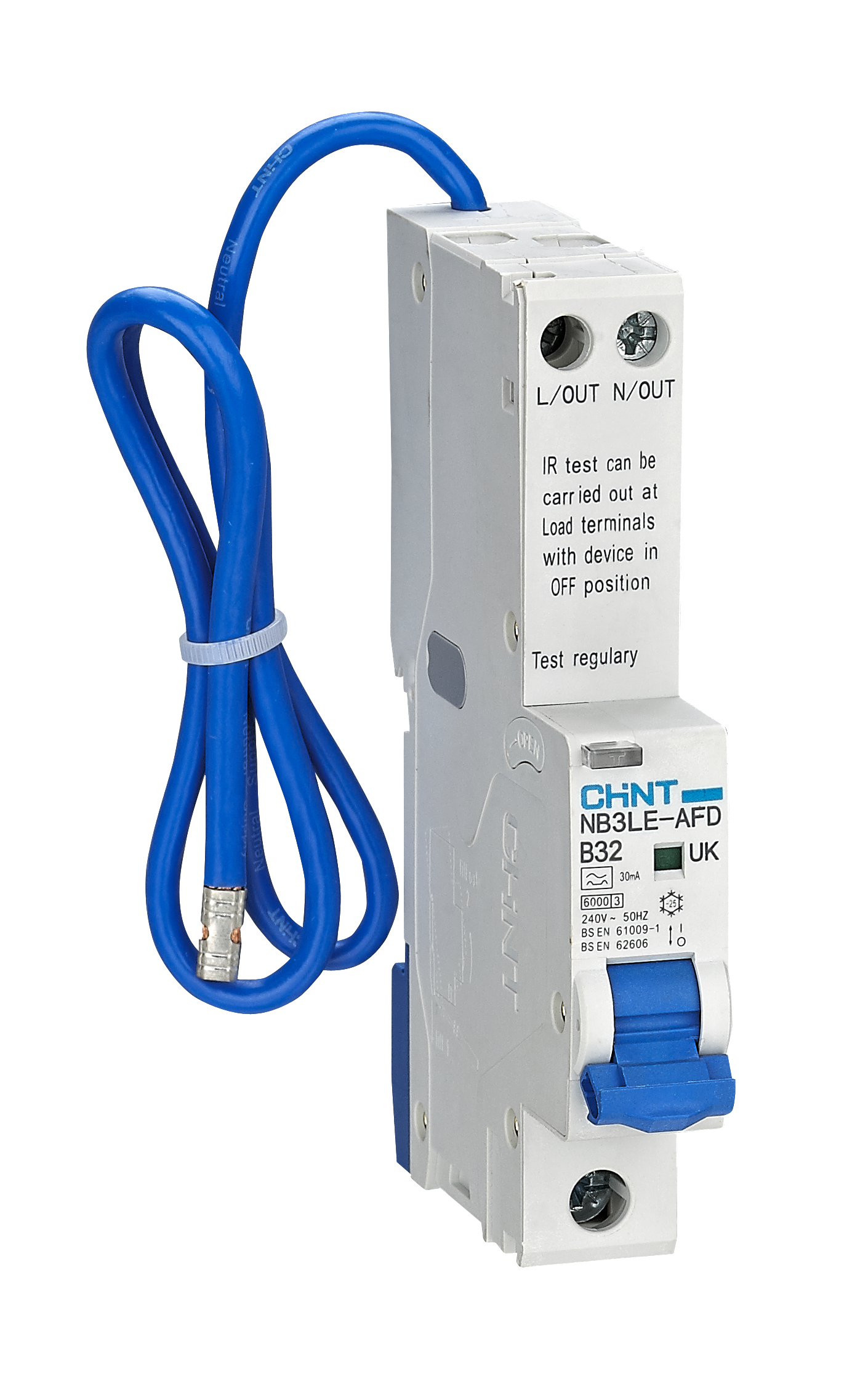
NB3LE Residual Current Operated Circuit Breaker with Over-current Protection (Electronic)
NB3LE Residual Current  Operated Circuit Breaker  with Over-current Protection (Electronic)

NB3LE Residual Current Operated Circuit Breaker with Over-current Protection (Electronic)

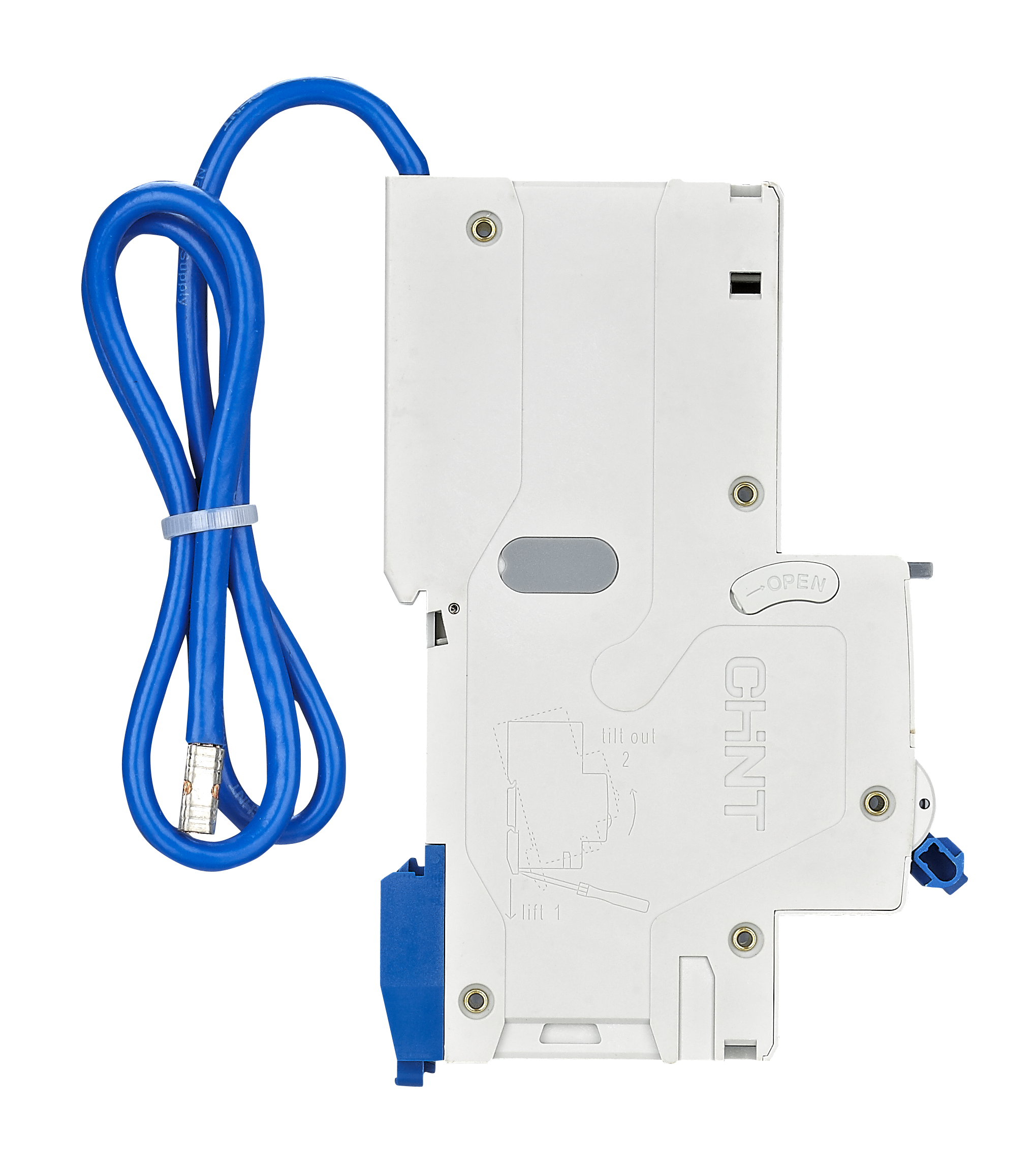
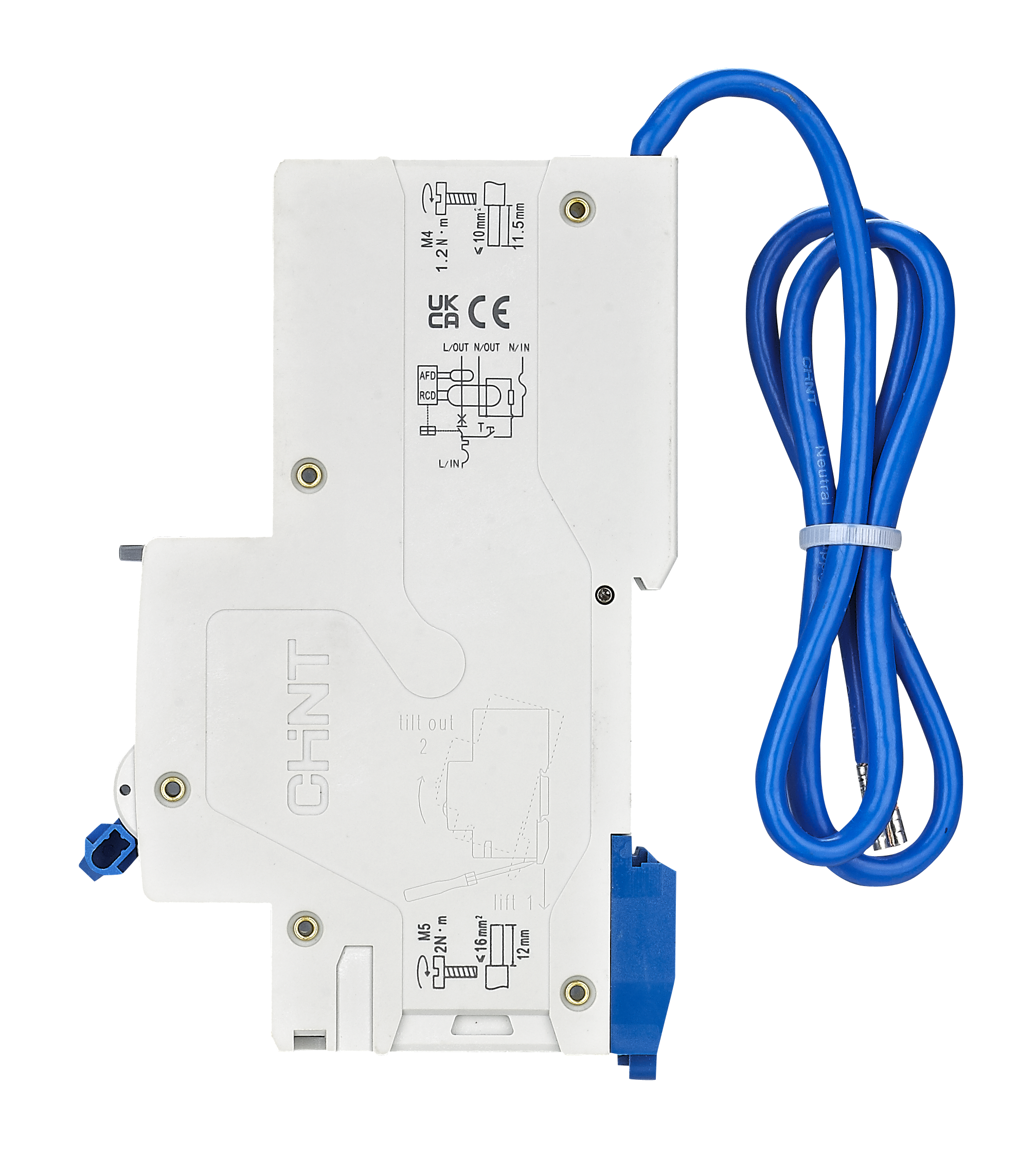
The NB3LE-AFD Arc Fault Detection Circuit-Breaker with Residual Current Operated Function provides integrated protection against arc faults, overloads, short-circuits, and earth leakage in AC 230/240V, 50Hz systems. Designed for rated currents up to 32A, it combines AFDD, MCB, and RCCB functionality in one compact unit. Ideal for residential, commercial, and industrial applications, the NB3LE-AFD enhances electrical safety by preventing fire hazards caused by arc faults while ensuring reliable residual current protection.

Product Information

Recommend Blogs
APRIL 15, 2026 Why MCCBs Are Critical for Industrial Safety and Compliance at High Voltage Levels

A fuse box upgrade is essential to ensure that your consumer unit can keep up with your current power demand and electric safety needs. Learn more in this article.

APRIL 14, 2026 Creating Energy-Efficient Electrical Installations

Learn how final distribution boards, smart meters, and proper electrical installation design work together to create energy-efficient homes that reduce power waste.

APRIL 14, 2026 Selecting the Appropriate Circuit Breaker for Residential and Industrial Applications

Proper circuit breaker selection entails understanding of circuit breaker types and important selection factors to consider. Learn more in this article.

APRIL 14, 2026 RCCB Tripping Explained: Causes, Nuisance Tripping, and Electrical Fault Diagnosis

In this article, we explain the role of RCCB tripping in electrical safety and what causes unintended or nuisance tripping.

APRIL 14, 2026 Why OEMs Are Standardizing on Modular Breaker Platforms

Learn why OEMs adopt modular circuit breaker platforms to cut engineering time, boost design flexibility, and streamline industrial projects.

APRIL 14, 2026 Why Modular Electrical Solutions Offer Faster ROI

Discover how modular electrical systems and prefabricated LV/MV solutions deliver faster ROI through reduced timelines and predictable costs.

APRIL 14, 2026 How to Plan a Fuse Box Upgrade: Costs, MCB Installation, and Safety Benefits

A fuse box upgrade is essential to ensure that your consumer unit can keep up with your current power demand and electric safety needs. Learn more in this article.

APRIL 13, 2026 Common Wiring Mistakes That Reduce Safety in Homes

How do hidden home wiring mistakes impact safety, and why electrical compliance matter? Learn how correct MCB selection reduces risk in modern homes and long-term reliability.

APRIL 13, 2026 How to Install and Use Your Home EV Charger Safely

Learn how to safely manage home charging with expert tips on EV charger installation, daily use, and protective measures for reliable, stress-free charging.

MARCH 10, 2026 How Surge Protective Devices (SPDs) Keep Your Small Business Equipment Safe

Learn how surge protection and electrical protection strategies support small business power needs, reduce downtime, and keep equipment reliable as demand grows.

Need Support From Us?

Blog
Blog

Find expert perspectives on the trends and technologies driving your business.

View Now
Download Center
Download Center

Download new and previously released documents including product document, solutions, cases, coporate report.

View Now
Contact Us
Contact Us

Reach out to us to receive more information, technical support, assistance with complaints and more.

Get Support
Collapsed
Expand

FAQs


What is the purpose of the NB3LE-AFD device?

It protects electrical circuits from arc faults, short circuits, overloads, and earth leakage, helping to prevent fires and equipment damage in residential or commercial power systems.


How does the arc fault detection function work?

The NB3LE-AFD continuously monitors current waveforms for arc signatures. When dangerous series or parallel arc faults are detected, it disconnects the circuit to eliminate the fire risk.


What do the indicator lights mean?

Blue ON: Normal working

Blue/Red alternating: Series arc fault

Red flashing: Leakage fault

Blue flashing: Overvoltage

Red steady: Self-test failed


Where can the NB3LE-AFD be installed?

It is suitable for AC 230/240V distribution systems, typically in residential panels, offices, hotels, and industrial facilities requiring enhanced arc fault and leakage protection.


What certifications does it carry?

The NB3LE-AFD complies with BS EN 61009-1 and BS EN 62606 standards and is certified with CE, CB, and UKCA, ensuring international safety compliance.