

Table of Contents |
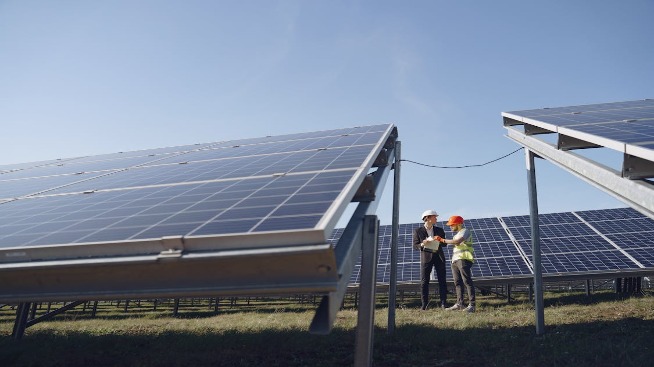
Solar Power Plant is the most efficient and cleanest source of energy. It has been widely used in many countries, especially for electricity generation. The main advantage of using this type of renewable energy is that there are no harmful emissions into our environment. In addition, we can use any land area as a site for building a solar energy power plant. This article will give you an overview of what a solar power plant is, how it works, and how to build a solar farm. We also provided an insight on solar power plant cost and much more.
How Does Solar Power Plant Work?
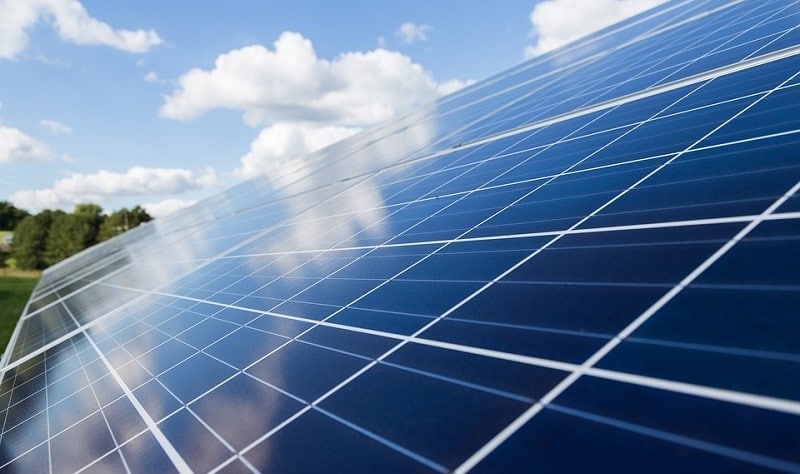
A solar panel consists of an array of solar modules, each consisting of several hundred or even thousands of individual diodes called PV Cells. These cells convert light directly into electrical energy through the process known as Photovoltaics. When exposed to direct rays of sunshine, these cells generate a small voltage across their terminals. This potential difference causes electrons in one part of the circuit to flow towards another part where they can do valuable work. The amount of charge that flows depends on how much light strikes the module.
As more photons strike the module, more charges move around inside the diode, thus producing higher currents. But there are only so many electrons available for movement; eventually, all will be used up. At this point, no further electron movement occurs because the number of free electrons has been depleted. As long as enough sunlight continues to fall upon the module, new electrons continue to appear at its surface. Eventually, when the supply of electrons runs out, the output stops increasing.
The total amount of energy produced over time is determined by two factors: How much sunlight falls onto the module during any given period and how efficiently the module uses that incoming light. If you have ever seen a sunny day with clouds moving overhead, then you know what I mean about the first factor. About the second factor, efficiency is measured in terms of “power conversion efficiency.” PCE measures the percentage of incident sunlight converted to usable electrical energy.
How to Set Up a Solar Power Plant
Setting up a solar power system for your home or business involves many steps. The first phase is about making decisions. Begin by determining the size of the project and how much energy you need, then choosing an appropriate type of panel that will work best in your area. Next comes selecting where on your property you want to mount it, as well as what kind of mounting structure you’ll use. Finally, decide whether you’re going with grid-tied or off-the-grid systems.
The second phase includes designing the electrical wiring needed to connect all components. This can be done by hand using wire nuts and connectors, but most people prefer to hire professionals specializing in this field.
The third stage consists of installing panels at their chosen location. Once they are installed, panels must be connected to each other and the rest of the circuit through junction boxes. Panels should also have wires attached to them so they can be wired into the main breaker box.
After everything has been completed, panels must be tested before being hooked up to the utility company’s meter. If there are any problems during testing, panels may require additional repairs before installation can continue. Once the entire setup process is complete, panels begin producing electricity immediately.
The amount of time required to produce enough energy depends on several factors, including the number of panels used, the efficiency rating of those panels; the weather conditions; and the distance between panels and the sun. However, once production begins, panels usually generate more than enough energy to meet daily needs.
How Much Does It Cost to Build a Solar Power Plant?
Cost depends upon several factors such as location, design, materials, labor, financing options, incentives offered by government agencies, and utilities. The following is an overview of the costs associated with building a photovoltaic system:
Site preparation
This includes clearing land for construction, installing utility services if needed, grading roads or other access routes, etc. Costs vary depending on local regulations and requirements.
Design
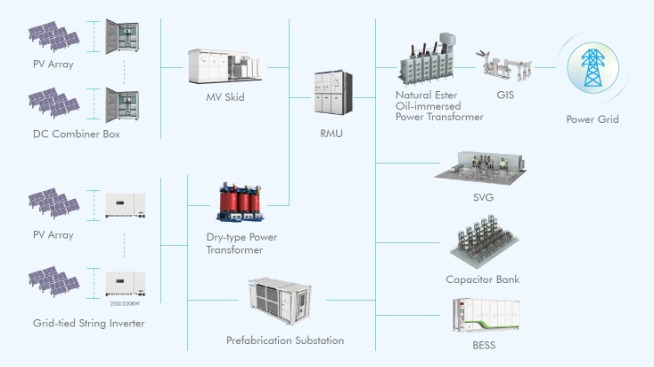
Solar engineers will determine what type of PV technology best suits your needs. They may also recommend additional equipment that can be integrated into the design, including inverters, batteries, charge controllers, and controls systems. Depending on the size of the project, they may provide preliminary estimates of total installed capacity and annual energy production.
Materials
Cost of panels varies based on the manufacturer but typically ranges from $0.50-$5 per watt. The cost of mounting hardware and installation labor are included in this estimate. In addition, some manufacturers offer rebates and tax credits which reduce the overall price of the system.
Financing Options
Many different types of loans are available to finance projects, ranging from bank loans to leasing arrangements. Some companies specialize in providing these products, while others work directly with banks and credit unions. It’s essential to understand all of the terms involved before signing any contracts.
Utility Rebate Programs
Many states have programs explicitly designed to encourage homeowners to install renewable energy sources like solar. These programs usually include financial assistance along with technical support.
The average cost for installing and maintaining a residential photovoltaic system is $3.50 per watt installed. This includes labor, materials, permits, inspections, taxes, financing fees, etc., but excludes any incentives that may be available.
How Long Does It Take to Build a Solar Power Plant?
It generally takes about 6 months, but the time can vary, to construct a small-scale system. Large commercial projects can take anywhere from 12 – 18 months. Construction time includes planning, permitting, site preparation, hardware installation, wiring, plumbing, foundation, roofing, insulation, framing, drywall, painting, finishing touches like landscaping and fencing. Labor hours vary greatly based on region, type of material being used, the complexity of the job, and the number of workers involved.
Conclusion
The future of energy looks bright for solar power. As technology improves, prices drop, and demand increases, we expect this trend to continue. In fact, according to International Energy Agency, global investment in renewables has increased fivefold since 2000. By 2050, IEA expects total annual investment in clean technologies to reach US$400 billion annually. This would result in cumulative capacity additions of around 400 GW worldwide.