


Table of Contents |
With the rise of connected devices, IoT-based smart parking systems are becoming more and more popular. These parking systems empower drivers with advanced information about available parking slots and other useful data like current prices and availability rates.
The smart parking system also allows drivers to use the space remotely via their smartphones, which is convenient if drivers prefer not to walk to find a space or avoid potential traffic congestion.
What Is an Iot Based Parking System?
An IoT based smart parking system, also known as a connected parking system, is a centralized management system that allows drivers to use a smartphone app to search for and reserve a parking spot.
The system’s hardware features sensors that detect available parking slots and communicate this information to all drivers in the area. This data is updated in real-time, which means drivers never have to worry about not finding an available space.
In addition to helping drivers find a spot, the system also sends alerts about peak times and peak prices. The goal of these alerts is to help save drivers money while also reducing congestion.
How Does Iot Based Parking System Work?
Parking systems are installed on the outside of buildings or inside of buildings. When a vehicle enters the space, sensors detect its presence and calculate available parking slots. This information is then sent to the driver’s phone via an app.
The smart parking system also has real-time data on occupancy rates, which can be found on the app. This data is collected from each sensor and is updated every five minutes.
One major drawback of automated parking system is that it has increased competition for parking spaces in urban areas with limited space nearby. However, even though these systems are helpful for drivers, there are some drawbacks to this type of initiative.
Drivers who rely on public transportation may not have the ability to use this app because they don’t own a car or drive their own vehicle. These systems also require a lot of maintenance because many sensors need to be replaced often due to wear and tear or vandalism.

Why IoT Based Smart Parking System Is Needed?
The demand for parking is ever-growing, and with cars becoming more fuel-efficient, the number of vehicles will continue to increase. As a result, there are fewer available parking spaces.
Smart parking systems solve the problem of finding an available spot by providing drivers with information about available spots near them. Drivers can also use the system remotely via their smartphone to find a space before arriving at the parking lot.
These systems help drivers to find an available spot faster and more easily than traditional methods like circling around or waiting for someone to leave. By leveraging this technology, drivers can avoid wasting time looking for a space.
How To Use IoT For Smart Parking Solution Development
The average parking space in the U.S. is 25 feet long and costs about $1,000 per year to rent. This means that it costs the average driver about $250 each month for parking alone. In some large cities, a monthly parking bill can cost upwards of $500!
Traditional methods involve driving around looking for available spaces on foot, which is not only time-consuming but can be frustrating when you have to circle a block or two just to find a spot.
Luckily, smart parking systems allow drivers to use their smartphones to locate a close and available spot from a distance instead of wasting gas and time hunting for one on foot. These systems also provide information about the availability rates so customers know what they might have to pay before arriving at the location.
These IoT-based solutions help reduce traffic congestion by allowing drivers to park remotely without having to worry about finding the right space on the street themselves. It’s also more environmentally friendly because people don’t have to waste gas driving around looking for an elusive parking space.
Products for IoT Based Smart Parking System
The parking system is comprised of three components: an interactive map of the area, a sensor that provides data on parking availability, and a payment module for convenience. The interactive map is designed to show drivers’ available slots and information about their location, such as how much time they’ll be available after purchase.
The sensor detects empty spaces and communicates this information to the map and to the driver’s phone. This allows drivers to find the best parking space for their needs and keep track of it remotely. The third component, the payment module, allows drivers to pay for their parking slot without having to walk back to their car.
When you equip your business with an IoT-based smart parking system, you will ensure that your customers can easily find a spot on your property at any given time. It also offers convenience for those who don’t want to walk or worry about traffic congestion when they’re on their way out.
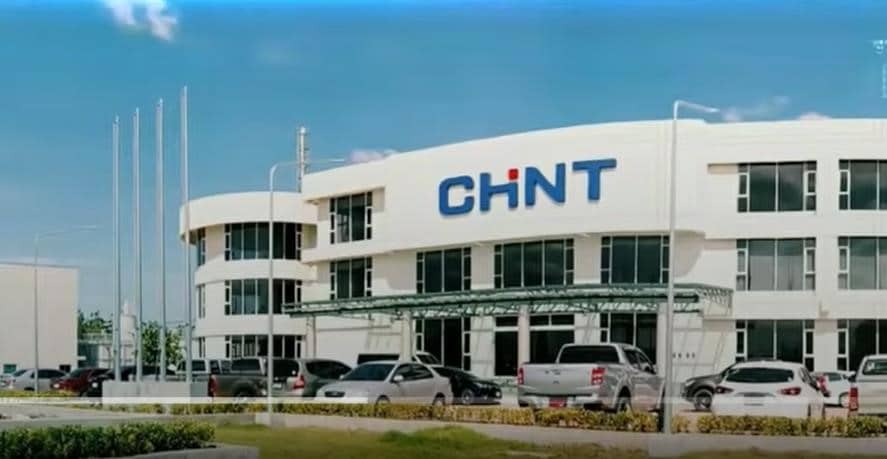
CHINT products for Parking System
 CHINT products for Parking System
IoT-based smart parking systems are offered by CHINT. These systems provide users with advanced information about available parking slots and other useful data like current prices and availability rates.
The Rear-view System is tailored to the user’s preferences and conveniently reserving a space before driving to the location. If drivers prefer not to walk or would rather avoid potential traffic congestion, they can reserve a space remotely via their smartphones and drive to the location.
CHINT offers multiple types of parking services, including:
- Parking management: This service includes managing car parks for events, conferences, and community and residential complexes or developments.
- Parking reservation: This service allows drivers to reserve a space in advance before reaching their destination. It also enables drivers to see which spaces are available at any time before arriving.
- RFP (Request for proposal): This service assists in identifying potential vendors who can meet your requirements for car parks, such as size requirements, specific requirements such as temperature control, and more.
Conclusion
IoT has many different applications, but one of the most exciting is its use in smart parking. IoT-based parking systems are able to better track the availability of parking spots on a given lot, making it easier to find an available parking spot.
It is important to note that not all IoT-based parking systems are the same. For example, some use QR codes to identify available parking spots, while others use sensors to detect when a car leaves a parking spot. The benefits of an IoT-based smart parking system are that it is more creative, efficient, and convenient for both drivers and owners of the parking lot.