


There a wide variety of instruments and meters being used across the world in our modern world. These tools are essential in basically every industry from energy to automation, and the measurements and data that they provide are important for our progression into the future.
In this guide, we will cover some of the most common uses for electrical measuring instruments, as well as a few other types of meters so that you can gain a better understanding of how they benefit you. Measuring instruments are essential for the efficient operation of many buildings, factories, and so much more.
Now, let us dive in and take a closer look at the many benefits that these amazing tools can offer for you and your company.
What Are Instruments and Meters?
Instruments and meters are tools that are used to measure a wide range of metrics. For example, you may use an electrical meter to measure the amount of electrical current that is flowing into a building. You can also use these tools to accurately record the usage of specific resources over a period of time.
Perhaps one of the most common types of meters that people all over the world use on a daily basis are the natural gas meters in their homes, commercial buildings, and industrial facilities. These instruments can tell you how much gas is being consumed so that you can better control your monthly costs. Can you imagine what life would be like without these instruments? It would be nearly impossible to accurately gauge consumption without them.
The modern world truly depends on our ability to effectively employ meters and instruments across a wide range of applications.
Understanding Different Types of Meters
Now, we will take a look at some of the different types of meters in order to gain a better understanding of how they are used to measure energy usage and how they can also allow you to save money. There are lots of established companies, like CHINT, that produce an array of high-quality, durable meters that can be useful for you and your business.
Monitoring Meters
One of the most common types of tools that people use to control their energy spending is a monitoring meter. These advanced instruments can be set up in such a way that they alert you when usage exceeds a limit that you predefined. These types of meters are used in both residential as well as commercial environments to allow you to scale back your resources to help reign in your costs.
Electricity Meters
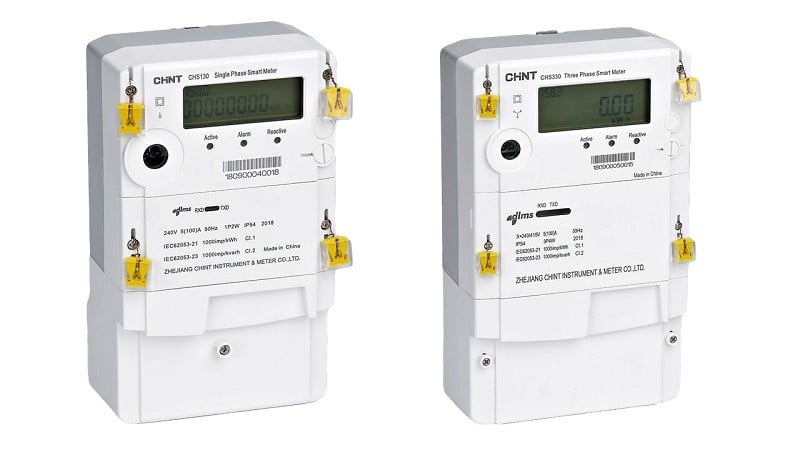
Electricity meters also work to monitor the flow of electrical current into a range of places. Everything from buildings to mobile devices relies on some sort of electrical current to keep them running and fully operational. With an electricity meter, you can get an accurate picture of your monthly consumption so that you can identify practices that will help you lower your monthly bill.
Gas Meters
Gas meters of all types are also a common type of instrument that is used in a wide range of settings. In the winter, all sorts of buildings rely on natural gas for their heating needs, however, the cold temperatures of the winter can bring all sorts of headaches from frozen lines to leaks. By using a gas meter, you can not only monitor your monthly usage, but you will also be able to detect if there is a flow of gas that you did not expect, such as a rogue leak.
How Do These Meters Work?
Today’s meters are typically electrical measuring instruments that are retrofitted at an entry point of buildings where gas or electricity enters the premises. They have a flow through input and output which allows them to measure the supply and demand of energy and display the usage in terms of applicable measurement units.
If you are looking to increase efficiency while decreasing waste, monitoring meters are the solution. Another common use for these instruments is to prevent hazardous situations that may result in damaged equipment or danger to people. For example, a digital temperature regulator may work to automatically activate a cooling device, like an emergency water pump, to prevent damage to manufacturing equipment at a metallurgy facility.
What Are the Usages of These Meters?
You can use these meters to monitor your usage, set boundaries for acceptable daily consumption, control the amount of energy that is consumed by your operation on a daily basis, and identify any potential problems before they become too severe to correct.
Gas meters are also commonly used in residential and commercial kitchens across the globe. When they close each night, they want to ensure that the gas flow has stopped completely in order to ensure a safe environment for home owners and visitors in addition to preventing unnecessary expenses resulting from waste.
If you think about it, meters and instruments have existed for quite some time, and we have used them for millenarian. A ruler, for example, is an instrument that we use to measure length. Another old type of instrument that use to be used at sea was a rope with knots tied into it at varying intervals so that we could measure the depth of the ocean. Nowadays, we have much more sophisticated instruments, like satellites, that can measure the temperature of our atmosphere.
Now Is the Best Time to Upgrade
Electrical measuring instruments have a very wide range of usages and applications across all areas of our modern world. Since companies like CHINT have developed an array of technologies that can help you to accurately monitor gas and electricity consumption, it would only make sense for you to take a look at upgrading your current system to the latest technology available. Contact CHINT today so they can provide the best solutions that work for you.