

Modern life relies on electrical power for everything. Offices, households, and stores all rely on electrical systems to function. But how much do we know about the transmission and distribution of electrical power?
Today in order to make sure we make the most out of our electrical grids, we’ll take a look at how electrical power transmission and distribution works, the basics of how electricity reaches our houses, the perks, the cons and how we can make the most out of these systems. So, let’s get started and learn everything there to know about transmission and distribution.
How Does Power Transmission and Distribution Work?
As the name implies, electrical power transmission and distribution refers to the system that uses to make sure electricity travels from energy plants to every residence or building that requires it. Regardless of what source the plant uses to generate electricity, it’ll always require a transmission system to reach its destination.
The principle behind the flow of electricity is thankfully rather simple and works not unlike water. While electricity can be stored, it can also move as fluid would. Power plants generate electricity through mechanical or thermal work and turn this into energy. After this is done, the electricity needs a “push” to start moving towards our houses.
Basically, the power plant uses a portion of this energy to create a potential difference between the wires and the plant. This difference works for electrons like gravity does for us, and this becomes the “push” that makes electricity move.
A power transmission and distribution system consist of all the parts used as a road for this electricity, from the towers to the wires and beyond. Using this simple “push”, the wires and transformers move the electricity and redirect it to each building where we can use it to our discretion. It’s simple yet effective and that’s what makes our electrical systems so reliable.
What Is the Difference Between Electricity Transmission and Distribution?
While we usually refer to the transmission and distribution of electrical power together, this doesn’t mean both terms represent the same thing. Transmission and distribution systems are both parts of the system that allows energy to reach its intended destination. But they are separate parts of this process.
What Is Electricity Transmission?
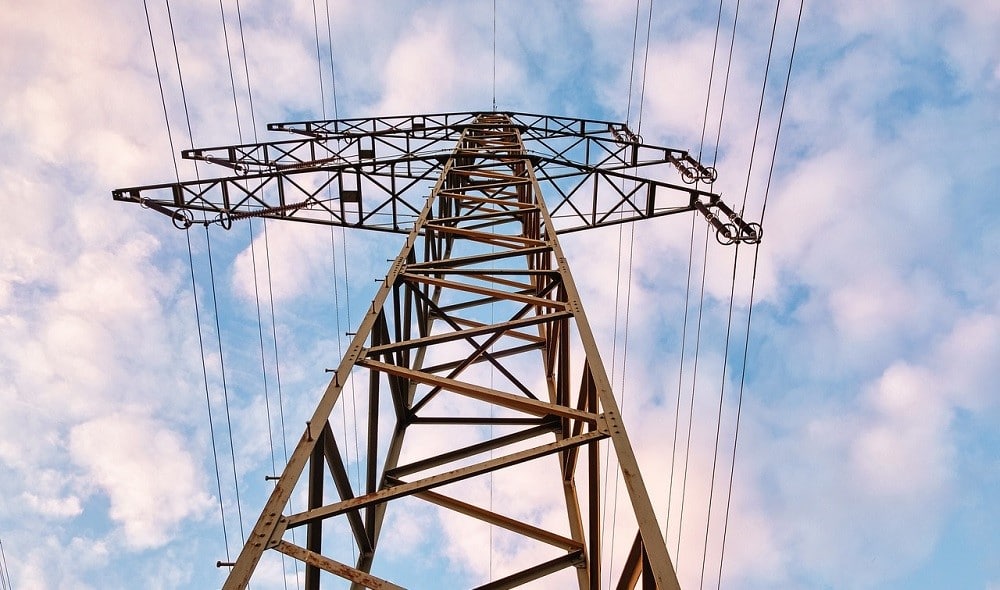
The easiest way to understand the difference is to think of it as you would with roads. Energy transmission works like the highways of electricity. A transmission system is designed to transport the bulk of the electricity for long distances but it doesn’t directly deliver this voltage to each house. The large towers with wires you see on road trips are part of this transmission system.
What Is Electricity Distribution?
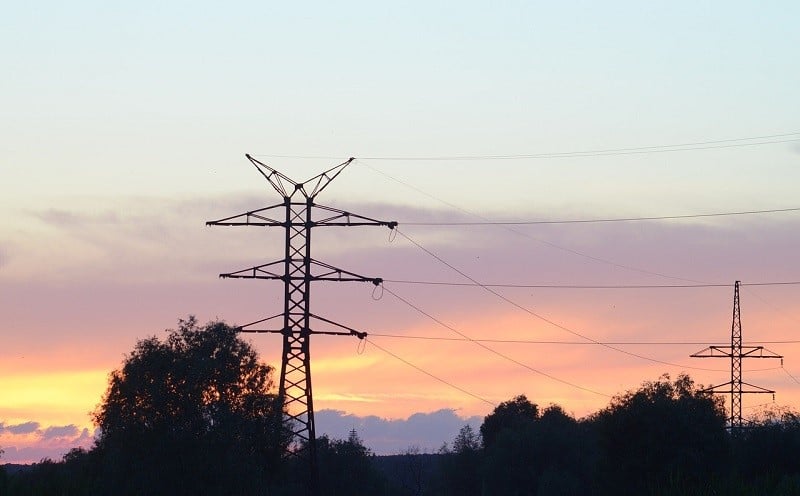
The distribution system, on the other hand, is the one tasked with connecting the energy that transmission systems move to individual residences. You can think of it like the city streets or lanes that reach each house. A distribution system looks very similar to a transmission system but on a much smaller scale. The towers you see in neighborhoods and residential areas are the main component of a distribution system.
So, while transmission and distribution systems do work hand in hand, they aren’t the same thing. They both work on different scales and voltages and this is what differentiates them.
What Do Distribution and Transmission Systems Consist Of?
A Transmission System
This can be easily identified by the large transmission towers that are required to transport the energy, but this is far from the only part of the system. Towers are mainly needed to ensure the power lines are safe, above ground level and remain separated from each other.
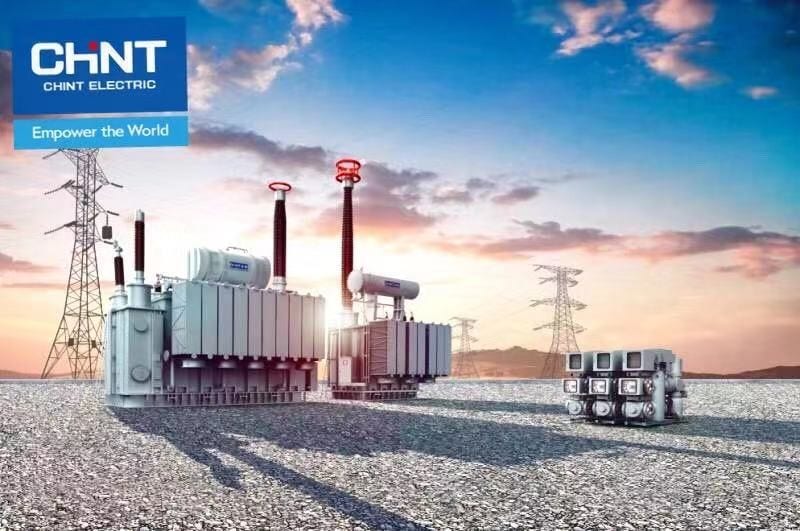
The power lines are the most important part of a transmission system. They provide electricity with a path from which to flow and are the core of the transmission system. Lastly, we have substations which are large structures with conductors and resistances. Substations lower voltage, so it can be used in households and also help direct the electricity to the distribution systems.
A Distribution System
It is at first glance very similar to a transmission one. Smaller towers once again help keep power lines secure, but the scale of both is greatly reduced by comparison. The most unique parts are the ones required to connect to a residence. A transformer is installed on the towers to make sure buildings always receive the right voltage.
A distribution board is often used when a single building has multiple offices or apartments since it allows for its distribution inside the building. Last but not least, the system counts with circuit breakers to protect the system from short circuits. A model like the NM8 series moulded case circuit breaker is used for this.
Energy Loss During Transmission and Distribution
While electrical power transmission and distribution is simple in practice, this doesn’t mean it’s inherently free of flaws. The voltage that plants generate electricity is too strong for residential appliances. As a result, the transmission and distribution systems need to lower this voltage progressively to make sure it’s apt for daily use.
Ideally, this would be done with next to no loss of energy, however, a lot of the pieces used in national systems are quite simply outdated. Older systems can end up causing a considerable loss of energy, meaning you’ll get a less powerful or constant flow. If you have experienced power irregularities, then the equipment is likely at fault.
Choosing the right equipment for your transmission and distribution systems will ensure that energy arrives just as intended. Providing a better level of flow and constant uninterrupted service. This is why choosing the right equipment is so important.
If you are looking to improve the quality of your electricity systems, we recommend CHINT power transmission and distribution. Their equipment is affordable and high quality which means it’s perfect for usage. We use electricity every day of our lives, so it’s best not to leave it to chance.