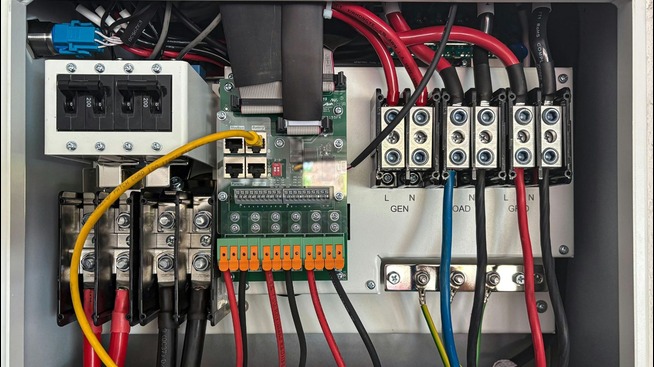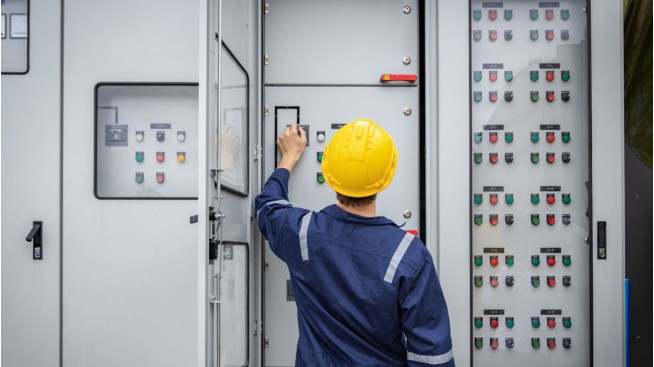



The use of electrical equipment is something common and necessary in all types of buildings and facilities, whether for lighting or to operate different types of devices and systems; it is also true that the slightest failure in an electrical installation can bring a whole series of problems in your daily activities.
This means that when purchasing building electrical devices and electrical equipment, you must have at least some basic notion of what you are going to buy, in addition to knowing how to differentiate if a product is good of quality or not.
For the reasons already mentioned, we have prepared this guide for you to acquire a general knowledge about building electrical devices that will help you a lot in your purchasing decisions.
What's the Difference Between Electrical Devices and Electronic Devices?
The answer for this question is very simple and lies mainly in the way each type of device handles electricity.
What electrical devices do is to receive electrical energy and transform it directly into another form of energy, such as light, heat or mechanical energy. For example, an iron takes electrical energy and converts it into heat you can use to iron your clothes.
On the other hand, electronic devices take a part of the electrical energy they receive and manipulate it to provide useful information, or allow the manipulation of other devices or systems, like a computer.
Different Types of Electrical Devices and Their Function
There are many types of electrical devices, among which we have:
Lighting
These are devices used to illuminate areas of different sizes in relation to their capacity. The best example is the light bulb or lamp. Nowadays, more and more people would like to choose LED lights for better energy efficiency.
Major and Minor Appliance
Major appliance are all those large electrical appliances that are used to perform different tasks in the home and that are usually larger in size, such as:
- Freezer
- Refrigerator
- Washing and drying equipment
- Washing machine
- Dishwasher
- Air conditioner
IT equipment
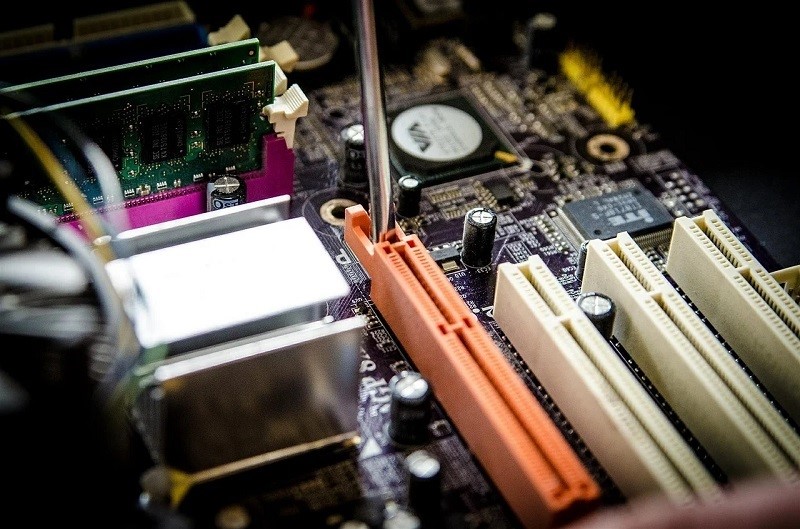
It includes all kinds of devices for accessing and manipulating information in a digital form and that are connected to the electrical network of the building. Although these devices are usually called electronic, it is also true that in their essence, they are electrical devices that include a whole series of complex electronic devices inside.
Motors, Pumps and HVAC Systems
Electric motors have different uses both at an industrial and domestic level. They are used mainly to convert electrical energy into mechanic energy, in order to be able to move other devices or systems. However, there are also motors that are used to generate electrical power.
Pumps are devices used to move fluids such as liquids and gases. They work by converting electrical energy into hydraulic energy, taking advantage of the movement and pressure exerted by water.
We can find them in wells, aquariums and ventilation systems, among others.
HVAC refers to heating, ventilation and air conditioning units and is the technology to control the air and temperature conditions within enclosures and vehicles. It includes air conditioning and heating systems, although in some cases also cooling.
Switch
Switches are electrical components that allow you to open or close an electrical circuit at various points in it, in order to allow or not, the flow of electrical current.
The most common example is in the wall switch, which is used, for example, to turn on or off the lamps in a room.
Distribution Boards
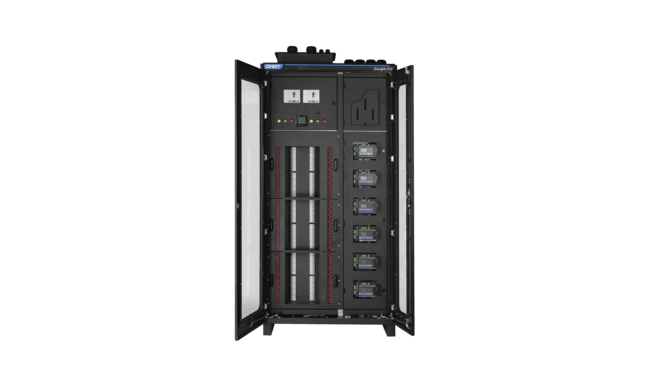
A distribution board is pretty similar to an electric switchboard, only that in this case, it can be divided into several additional boards that control other circuits within the building, in addition to having additional protection systems such as circuit breakers, for example.
Circuit Breakers
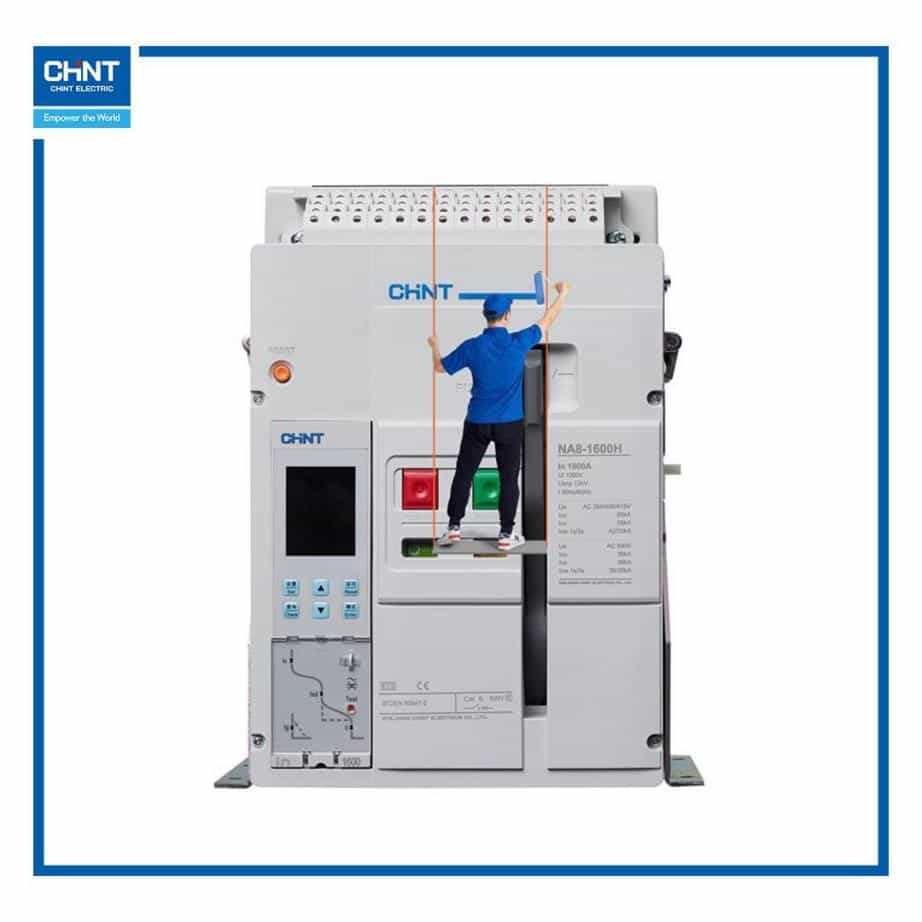
A circuit breaker is an electrical switch that operates automatically in the event of an overload in the electrical installation. What it basically does is to interrupt the passage of electrical current to protect the system from possible damage.
They work in a similar way to fuses, with the advantage that they can restore normal operation after they have been activated.
Transformers
A transformer is a device that transfers and transforms electrical energy from one electrical circuit to others, decreasing or increasing the electrical voltage so that it can be used in smaller circuits such as those in a building.
Electricity Meters
Electric meters are devices used to measure the amount of electrical energy consumed by an electrical installation, such as that of a building. They are used primarily for billing and monitoring purposes.
How to Choose the Best Electrical Suppliers?
Nowadays, there are a large number of options to acquire all kinds of electrical equipment, but it is important to know how to choose a good supplier.
A good supplier of electrical equipment must offer elements with the best manufacture, in addition to complying with the characteristics and useful life indicated by the product. Here are some tips to observe when choosing a good provider.
Experience Level
The longer the company has been in the market, the greater guarantees it can offer. A consolidated company with a track record means good service, competitive prices and an extensive catalog of quality products.
Variety and Stock of Products
Having a large, extensive and varied stock of products is a key element to satisfy the different needs that a consumer may have, whether it is choosing between different models, designs, characteristics and prices.
Logistic Service
The logistic process adds value, since after making a purchase, the supplier has to make the delivery. This process must be constant and continuous. For this, it helps a lot to have an online presence, something essential today.
Quality/Price Ratio
Even though it is very important, the choice of a good provider should not be based only on this factor. The ideal is to opt for the best alternative, which offers a good quality/price ratio and options in terms of models of the same product and which can be adapted to the client’s budget and meet their needs at the same time.
Ease of Ordering
The most common and easy buying process today is through online orders, phone calls and social networks, since it is faster, simpler and easier.
When paying, the provider must provide different alternatives that make things easier for the consumer, such as debit and credit cards and bank transfers, among others.
Summarizing
The importance of having reliable and quality electrical equipment cannot be discussed, both for individuals and for electricians and companies in the sector. The proper functioning and safety of your electrical installation depend on this.
To comply with the above, it is essential to go to a good supplier of electrical equipment. A good supplier guarantees good brands, better value for money and totally safe and quality equipment. In addition, a good company must be a constant source of information and support for its customers.
CHINT Building Electrical Devices meet the highest-quality standards, as well as an excellent quality/price ratio. All this with the support of a company solidly established in the sector like CHINT.
-banner.jpg)