

Table of Contents |
Disconnect switches are important components of any electrical system, providing safety and convenience for the user. They come in two main types: fused and non-fused. While both types provide a means of disconnecting power to the system, there are certain advantages and disadvantages associated with each one.
In this comprehensive guide, we’ll explore the differences between two kinds of switches to help you better select a switch that suits your needs.
What is a Disconnect Switch?
Disconnect switches are isolation switches. They are designed to stop current from flowing to a particular tool or machine to protect operators and machinery from damage or injury when performing maintenance or repairs. It also helps when the system requires emergency stoppage during fire or flooding, as it can disconnect the entire power supply in a split second.
These switches generally consist of three or four components. Depending on the type, a disconnect switch’s components usually include the following:
- An enclosure: This is the box housing all components.
- Wired electrical contacts: These are the electrical contacts that come into contact with an object to turn off the power.
- Actuators, such as handles, a key, or shafts: These are used to activate the switch and start the disconnection process.
- A fuse: This is a safety device to limit current flow in case of an overload or short circuit.
Fused disconnect switches are the only ones that contain fuses. The protective, non-conductive enclosure hides live contacts which may cause harm or death if touched. The handle or knob enables users to either connect or disconnect the contacts without having to open up the enclosure. It is advised that one uses a lock and tag when activating the switch, so any other user won’t inadvertently turn it back on.
Either way, disconnect switches greatly benefit businesses, as they provide a simple yet effective means of controlling electricity and protecting workers.
Which Disconnect Switch is Right For You?
When the disconnect switch detects an overload or a short circuit, it blows and stops the electrical current from reaching the device. Because the fuse is blown, you can’t just “flip the switch” to reconnect the current.
After the fuse blows, the first thing that you have to do is to troubleshoot the tool or machine, find the error that is causing the overload or the short circuit, and fix it. Only after that would you replace the fused switch and restore the current to the device.
Fused disconnect switches are best used for machines that operate at a high voltage. This includes industrial equipment and process control systems, where high levels of currents are present. They also work well in large installations with multiple components that must be disconnected simultaneously.
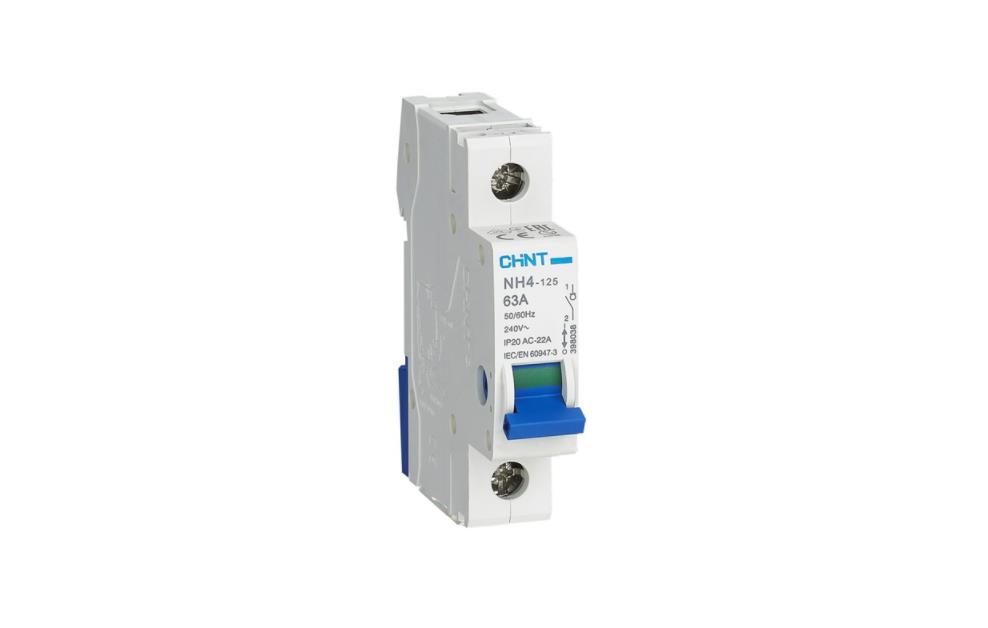
On the other hand, non-fused disconnect switches come in either compact or standard sizes. They are designed to break and make electrical circuits, turn loads on/off and provide improved safety during isolation.
Non-fused disconnect switches are used in many residential and commercial applications, such as lighting control systems and motor circuits. They are also used in many industrial settings where the current isn’t expected to exceed the switch’s rating.
Non-fused disconnect switches are easier to use and more convenient, as they allow you to restore power in case of an outage or overload quickly. They are also less expensive than their fused counterparts. Plus, they last a long time through multiple breaks in the circuit. This means you won’t be replacing them as often.
Non-Fused Disconnect vs. Fused Disconnect Switch
Here’s a quick rundown of the differences between a non-fused disconnect switch and a fused disconnect switch:
Non-Fused Disconnect Switch
- Works well with residential electricity
- Easy and simple to reset
- Small size
- Safe for repair personnel because they’re inside a junction box
- It comes with a visual indicator
- Doubles as a manual power disconnect for regular service
Fused Disconnect Switch
- Lower cost
- Rated for higher voltage and amperage
- Immediate and permanent disconnect for large devices where machine operator safety is paramount
- Certified under the National Electric Code in certain instances
- Won’t trip as much if the circuit is correctly designed
- Flexible in their application
Why Do I Need a Fused Disconnect Switch?
Fused disconnect switches are essential for commercial and industrial applications, as they provide quick shut-off in the case of an emergency situation. Not only do these helpful devices protect your equipment from overloads or short circuits, but they also safeguard personnel by preventing exposure to hazardous electricity.
If your project requires a disconnect switch rated for higher voltage and amperage, then you should purchase a fused disconnect switch. This is especially important if the application includes large machines or components that need to be disconnected simultaneously, as these require more power than non-fused switches can handle.
In addition, if you are working in an industrial or commercial environment and need to ensure personnel safety, then you should opt for a fused disconnect switch.
Why Do I Need a Non-Fused Disconnect Switch?
Non-fused disconnect switches are a perfect choice for residential and commercial environments where the current won’t go beyond the switch’s capacity. This type of switch is the ideal choice for residential electrical projects. They’re also suitable for smaller commercial settings where the current won’t exceed their rating. Lighting control systems, motor circuits, and other similar setups will benefit greatly from this type of switch.
With their user-friendly design, these devices offer a secure means of connecting or disconnecting electricity without accessing the junction box. Furthermore, if an outage or overload occurs, they can be reset quickly with minimal effort.
Conclusion
Disconnect switches of either type are a necessary safety precaution for electrical circuits. Whether you choose a non-fused or fused disconnect switch depends on the power requirements of your project and the environment where it will be used. Consider the size and voltage rating of each type before selecting one for your needs, as this will ensure that you have the right device for the job.
If you’re unsure which type best suits your needs, consult an expert at Chint Global to help you.
To find out more, give us a call or check out our disconnect switch catalog today.