

Table of Contents |
Switch disconnectors play a vital role in ensuring the safety and stability of power systems. These devices are essential for managing the flow of electricity, protecting equipment, and maintaining operational efficiency. By quickly interrupting the current flow, switch disconnectors prevent system overloads, reducing the risk of damage and downtime.
Power System Scenarios and Switch Disconnectors
In modern electrical networks, switch disconnectors play a pivotal role in ensuring safety and operational efficiency across various sectors, from power distribution to industrial equipment control.
On-Load Switch Disconnectors: Working Principle
On-load switch disconnectors are engineered to handle current flow while the system is operational. They feature robust arc-quenching mechanisms that extinguish electric arcs formed during switching operations. This capability allows for safe and efficient interruption of electrical circuits, even under load, preventing equipment damage and ensuring the protection of personnel.
These disconnectors are essential for isolating sections of a network for maintenance or, in the event of a fault, providing a reliable means to manage and control electrical power flow.
Application Scenarios
1. Power and Distribution Systems
In power and distribution systems, a continuous and stable power supply is crucial. Any disruption can lead to significant issues, including equipment failure and operational interruptions. Switch disconnectors are integral in these systems, providing a means to isolate sections of the network for maintenance or in case of faults. On-load switch disconnectors, with their ability to safely interrupt the current flow, minimize downtime, and enhance system reliability.
2. Renewable Energy Sector
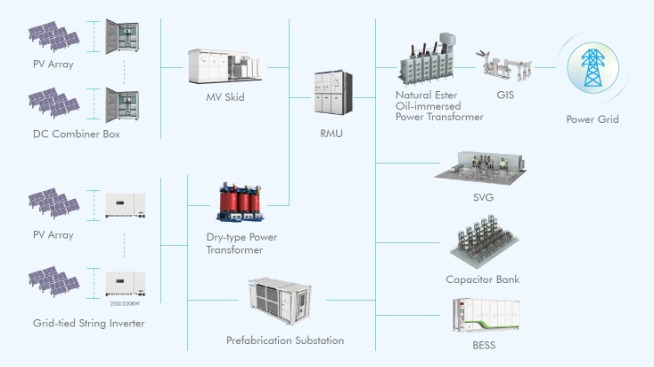
Renewable energy systems, such as photovoltaic and wind power generation, must operate efficiently in various weather conditions. Switch disconnectors manage energy flow and protect components in these systems. On-load switch disconnectors enable safe isolation of solar panels and wind turbines, ensuring smooth and safe operations even under load conditions.
3. Industrial Equipment Control
Industrial environments demand robust equipment due to harsh conditions like extreme temperatures, dust, and vibrations. Switch disconnectors enable precise control over machinery, allowing operators to start, stop, and maintain equipment safely. On-load switch disconnectors ensure that switching operations can be performed without interrupting the power supply, maintaining continuous operation and enhancing production efficiency.
Switch Disconnector Selection Considerations
Selecting the right switch disconnector involves several considerations:
Current Capacity: Ensuring the disconnector can handle the required load without overheating or failing.
Pole Count: Determining the number of poles needed for the application (e.g., 3-pole for three-phase systems, 4-pole for systems requiring a neutral connection).
Operation Frequency: Considering how often the switch will be operated under load conditions.
Safety Features (On load operation): Ensuring the switch can safely operate under load, preventing arcing and equipment damage.
Introduction to NF2 On Load Switch Disconnector
The NF2 on load switch disconnector is designed to meet the diverse needs of modern electrical systems. It features a rotary handle for ease of operation and can be used across various scenarios, from industrial equipment to renewable energy systems. Its ability to operate under load makes it a versatile and reliable choice for many applications.
Technical Features
Arc-Quenching Device: The NF2 includes a simple yet effective arc-quenching technology, which ensures safe operation by quickly extinguishing any arcs that occur during switching.
Rated Load Current Interruption Capability: This feature allows the NF2 to handle regular working currents and certain overload conditions, maintaining system stability and protecting connected equipment.
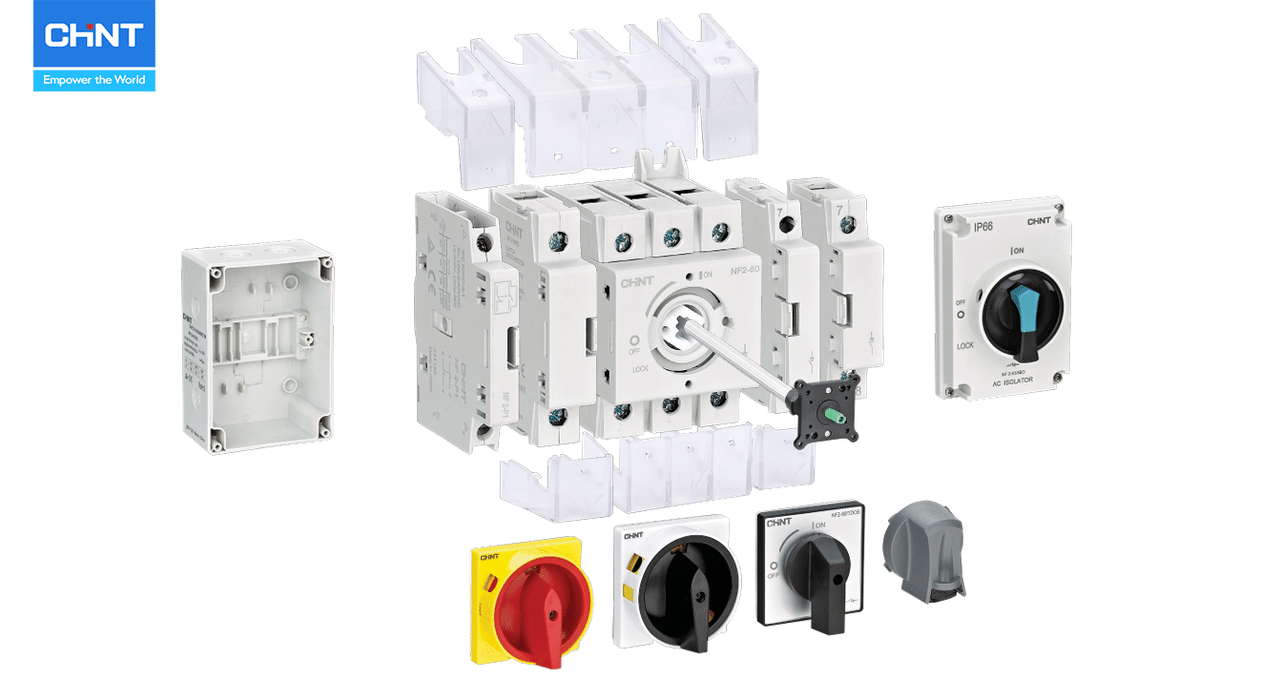
Various Accessories Available
Auxiliary Contact Accessories: These enable automation by transmitting the on-off position signals to a control room.
Terminal Cover Accessories: Designed to prevent dust and debris from affecting the switch’s performance.
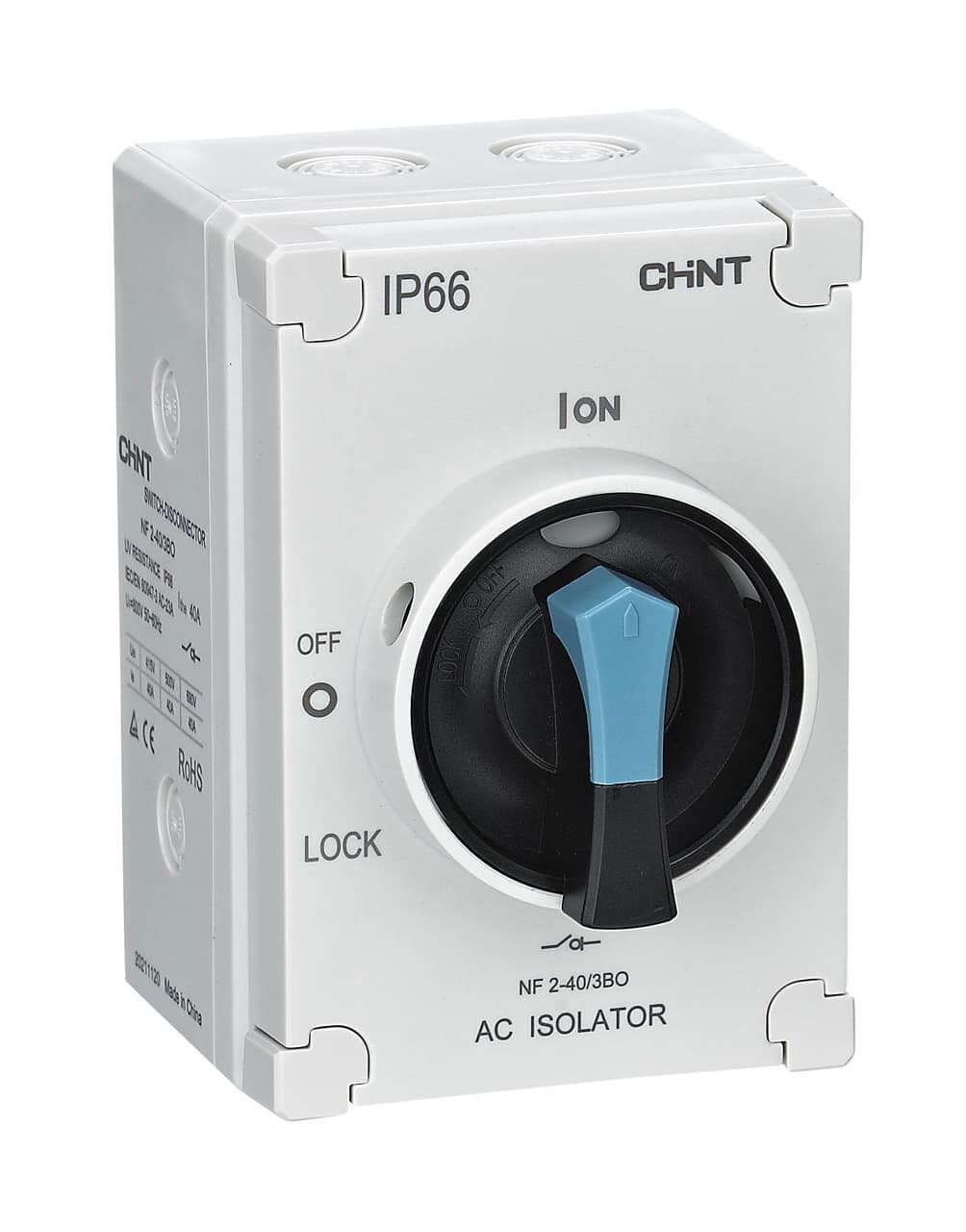
IP66 Waterproof Junction Box: Provides splash protection, ensuring the switch operates reliably in wet environments.
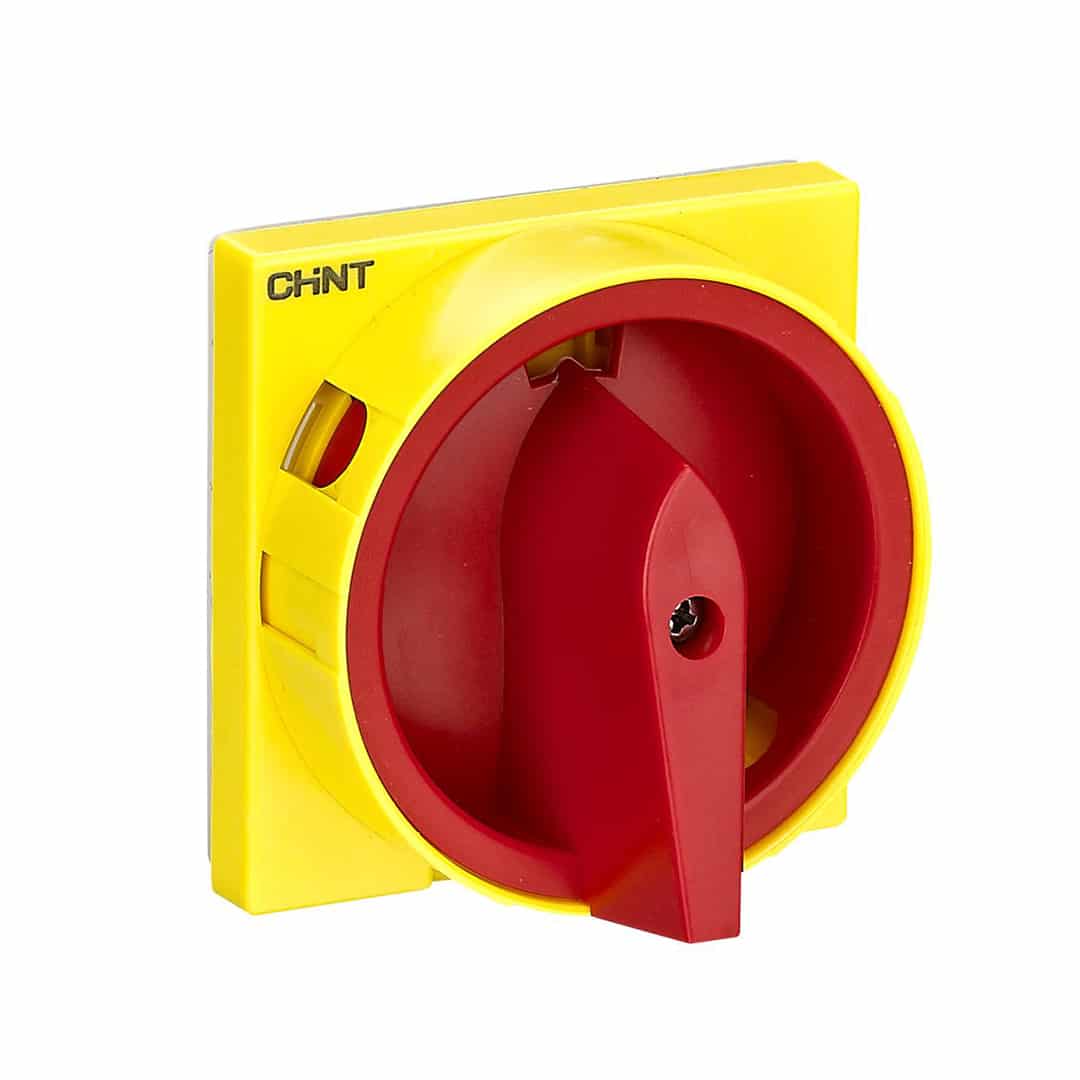
Various Handles and Installation Methods: Options include different handle types and mounting methods, such as DIN rail and panel mounting, to suit diverse installation needs.
Application Advantages of NF2 Switch Disconnector in Various Scenarios
The NF2 switch disconnector offers significant benefits across different applications, enhancing reliability, adaptability, and control in power distribution, renewable energy, and industrial environments.
Advantages in Power and Distribution Systems
High Reliability: The NF2 reduces system failures, enhancing the continuity of power supply. Its robust design ensures consistent performance even under demanding conditions.
Easy Maintenance: Simplified maintenance processes help reduce long-term operational costs, making it a cost-effective choice for power and distribution systems.
Solutions Advantages in the Renewable Energy Sector
Environmental Adaptability: The NF2 operates stably under harsh climate conditions, ensuring a reliable energy supply in renewable energy applications.
Energy Management: Efficiently manages energy distribution, optimizing the use of renewable resources and improving overall energy utilization.
Intelligent Management Advantages in Industrial Equipment Control
Precise Control: The NF2 provides accurate current control for industrial equipment, enhancing production efficiency and reducing the risk of equipment damage.
Automation Compatibility: Seamless integration with modern automation systems allows for intelligent management and improved operational efficiency.
Conclusion
Switch disconnectors are essential components in modern electrical systems, ensuring safety, stability, and efficiency. The CHINT NF2 on load switch disconnector, with its versatile applications and robust features, stands out as an excellent choice for various scenarios. Whether in power distribution, renewable energy, or industrial equipment control, the NF2 offers reliable performance, easy maintenance, and enhanced safety, making it a valuable asset in any electrical setup.