

Table of Contents |
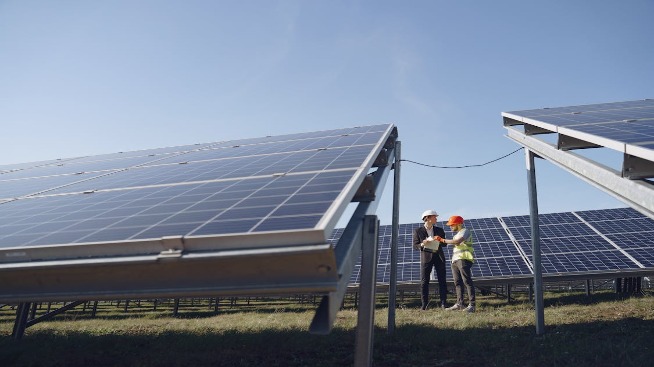
With rising energy costs and the threat of global warming, alternate energy sources are increasing in popularity. Solar power is one of the best candidates for clean, renewable energy that benefits home and business owners and the environment.
In any solar setup, safety is a must. PV switch disconnectors are an essential component of any solar design. A PV disconnect stops the flow of DC or AC power, depending on where it’s located. Whether you’re performing maintenance or equipment is malfunctioning, a PV disconnect protects people, equipment, and structures.
What is a PV Disconnect?
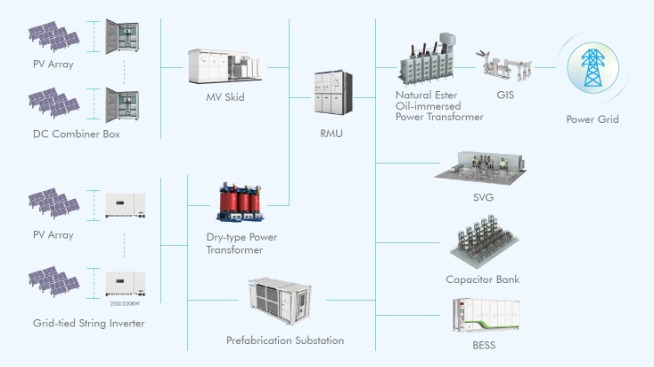
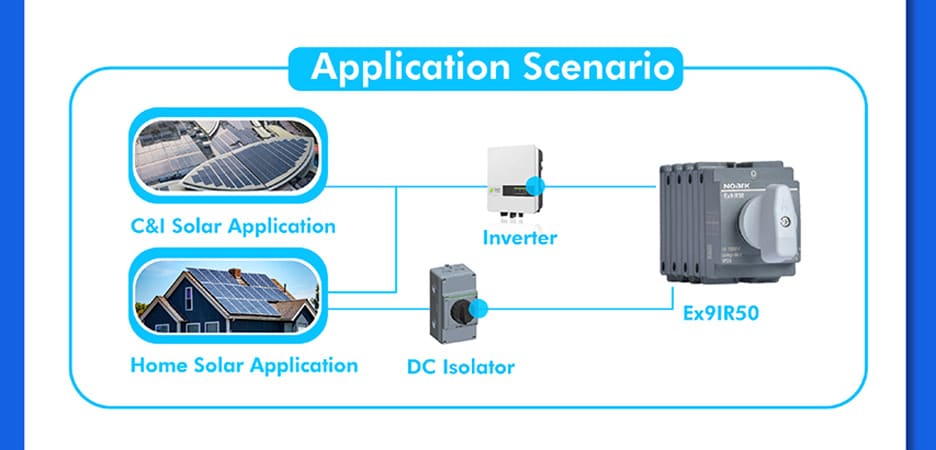
Most solar setups contain two PV disconnects. The first, a DC disconnect, is located between the solar panels and the inverter. As DC power runs through the system, the PV disconnect can interrupt the power if needed.
The AC disconnect is located between the inverter and the electrical grid. It can stop the AC power before it reaches the grid.
Both DC and AC disconnects are integral parts of a solar setup. They stop the flow of power in the system if anything isn’t working correctly or if you need to perform maintenance.
Many building codes now require that most solar setups include PV disconnectors. Some even require the PV disconnects to have rapid shutdown capabilities as an added safety measure.
Design and Components of PV Switch Disconnectors
The DC disconnect connects the solar panel output and the inverter box. In many cases, it’s mounted to the side of the building. Some DC disconnects are built into the inverter. The DC disconnect contains circuit breakers and ground fault protection. These components are housed in a metal box with a door for easy access.
Users will manually flip the switch to operate, forcing the disconnector to cut off the DC flow. Some have special rapid switches that allow them to stop the current immediately, a nice feature for places with increased energy use. DC switches usually have to stretch the arc faster, as there are higher voltages flowing through.
The AC disconnect is usually mounted on the exterior of a home or building. It is connected between the inverter and the meter for grid power. Like the DC disconnect, it’s housed in a metal box with a door and mounted to the wall. Users can quickly flip a switch, stopping the flow of the AC power. Sometimes, the AC disconnect contains an isolated switch, while other times, it’s one of the breakers inside a more extensive service box.
Electricity flows through a closed circuit. If you need to halt the electricity flow, disconnecting the circuit is the easiest method. PV disconnectors use a switch or breaker to disrupt the energy flow and break the circuit. Once you flip the switch or breaker back, the circuit is complete, and normal energy flow can resume.
Installation and Use of PV Switch Disconnectors
Proper sizing and installing a PV disconnector are essential to ensure your solar setup is safe. You must consider several factors when sizing a PV disconnector to get the best service from a product. Voltage, circuit load, amps, or breaker size, and wiring are all critical factors to help with sizing.
It’s also essential to install the PV disconnect correctly. If you do not have electrical experience, it is best to hire a professional.
To install a PV inverter, you will first install the housing to the exterior surface. Next, you will attach the switch casing. Be sure to check the instructions to see how the wiring connects in your switch. The wires will often cross over one another. Then, you’ll attach the switch inside the case. Finally, you will connect the wires to the solar array and the inverter.
Functions and Applications of PV Switch Disconnectors
PV disconnectors serve many purposes, most involved with keeping a solar setup safe and protecting equipment in the event of a malfunction. Groups like the NEC (National Electric Code) and ISEP (International Solar Energy Provisions) and almost all building codes require PV disconnectors in solar power setups. Residential, commercial, and industrial solar power systems can all benefit from using PV switch disconnectors.
One of the main functions of a PV disconnector is to stop the flow of power to different system components. Electricity can be fatal, so cutting power from a component before working on it is essential.
If your solar power equipment malfunctions, you’ll either have to fix it or hire an electrician. They will require you to shut off the power through the disconnects. In the case of malfunctioning equipment, you may also need to shut off power to prevent further equipment damage. Even if your equipment is functioning, electrical crews in the area may ask that you interrupt power for a short time for their safety.
A PV disconnector is also helpful during severe weather. Whether you’re experiencing tornadoes, lightning storms or hurricanes, turning off the DC power can protect the inverter and other equipment. If you are experiencing flooding, turn off AC and DC power.
Conclusion
PV switch disconnectors are a necessary component in any solar setup. Whether you are performing maintenance, experiencing equipment failure or facing bad weather, a PV disconnect can interrupt the power flow and keep you and your equipment safe.
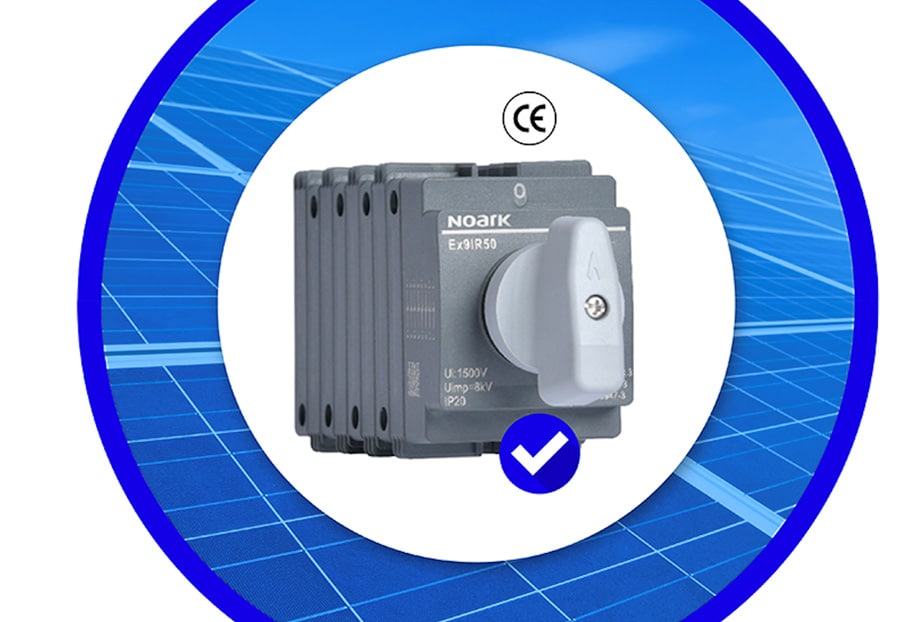
Chint Global offers PV switch disconnectors like the Ex9IR50. It saves space and makes it easier to manage the flow of power. Be sure to check it out along with Chint’s line of products to help you create a safe and efficient solar energy setup.
FAQ about PV Switch Disconnector
Why are PV Switch Disconnectors essential in solar installations?