

Table of Contents |
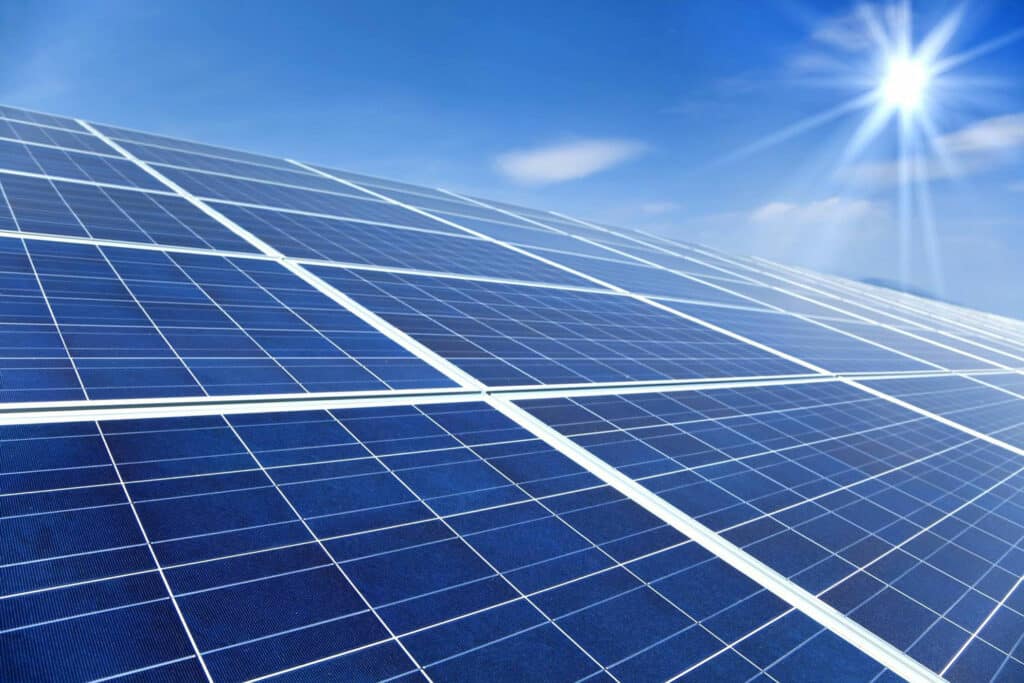
A solar PV inverter converts the DC power that solar panels absorb into the AC power used by your home and the grid. You can choose between a single phase or a three phase inverter when setting up your solar power system. Both have specific use cases, but in many cases, a three phase inverter will better serve your needs and may save you money in the long run.
Understanding Three-Phase PV Inverters
A three-phase PV inverter converts DC power into three phase AC power. In a standard setup, solar panels convert solar irradiation to DC power and feed it through a PV (photovoltaic)/solar inverter, which converts it into AC power for your home or business to consume.
A three-phase inverter splits the converted AC power into three supplies instead of sending it along one. Most homes pulling power from the grid have a single-phase supply. Homes with more significant electricity needs and businesses often use a three-phase supply, allowing them to draw more power.
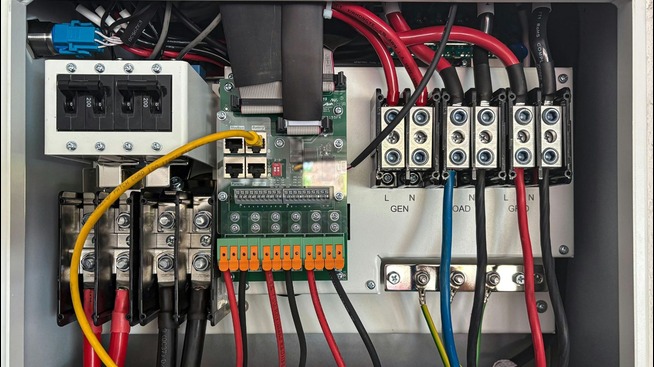
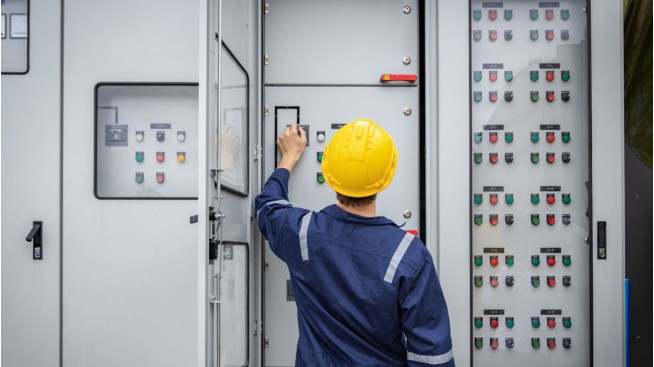
Your home or business may already have a three-phase supply from the grid already in place. If this is the case, you can use a single-phase or three-phase inverter with your solar setup. It’s easy to figure out what type of system you have. Check your switchboard. Under the “main switch,” you’ll see either one or three switches. Make sure you don’t touch anything while checking.
If you have a three-phase supply, your best option is usually a three-phase PV inverter. It will distribute the power equally and make it easier for your home or business to handle heavier loads. Essentially, you’ll have three times the available power.
What is the Difference Between Three Phase and Single Phase Inverter?
Single phase and three phase solar inverters serve the same function. Both convert DC power collected by solar panels into AC power for use in your home. A single phase inverter sends the power through one phase, or live wire, into your home.
Before sending it to your home, the three phase inverter divides the power equally between three phases, or live wires. A single phase inverter forces one phase to carry the entire load, even when your home uses a lot of energy. A three phase triples your home or business’s capacity, making it easier for your system to handle higher loads.
Three phase inverters are slightly more expensive than single phase inverters but can save you money and hassle in the long run.
Applications of Three Phase PV Inverters
There are many reasons to get a three-phase inverter. If your system already uses a three-phase supply, a three-phase inverter will give you the best output. Industrial and commercial buildings have much greater power needs as they typically use large equipment.
Homes with large HVAC units, indoor swimming pools, and appliances that require larger-than-typical amounts of power can also benefit from a three-phase inverter setup.
Three-phase inverters increase the efficiency of solar power systems, allowing them to produce more power, typically up to three times as much as single-phase inverters. Three-phase solar inverters work well for homes and businesses that need more than 5 kW.
Three-phase inverters work better in high-load situations, as they can balance the power more evenly. As voltages rise and dip, single-phase systems run the risk of overload, potentially tripping circuits and stopping appliances. It can be a hassle if you have to flip your circuits often.
Is Three Phase Power Better for Solar?
If you’re running your home or business on solar power, there are many advantages to using a three-phase inverter over a single phase. Solar panels often take in a large amount of power, but with a single-phase inverter, you may be unable to utilize enough for your energy needs. Three-phase inverters balance the energy load and deliver more power to your home or business.
If you’re running multiple appliances or using equipment that requires a lot of power, you need a solar setup that can handle voltage rise. Three-phase inverters give you a robust system to handle voltage rise when running many appliances/equipment. You won’t have to worry about one of your devices powering off at an inopportune time or constantly having to flip the breaker if you have a surge manually.
For those with a solar power system connected to the grid, a three-phase inverter can increase your feedback into the grid. You will find this beneficial if you’re involved in a net-metering agreement.
Determining if a Three-Phase PV Inverter is Right for You
If you live in a small residential home with basic power needs, then a single-phase inverter will likely be sufficient. However, larger residential homes and most commercial structures will benefit from a three-phase inverter.
Three-phase inverters typically run only a few hundred dollars more than single-phase inverters, and their benefits often outweigh the extra cost.
If you are already on a three-phase supply, then a three-phase inverter will let you get the most out of your solar power system. Single-phase inverters will limit the amount of power you can access.
For systems connected to the grid, a three-phase solar inverter makes sense as it allows you to send power back to the grid. It also manages voltage rises and dips better, preventing the inverter from tripping.
Even if you aren’t connected to the grid, a three-phase inverter is usually a better choice. It lets you get as much power as possible from your solar panels.
Overall, you need to consider your system size and power needs. It’s always a good idea to consult with solar professionals before making a decision. They can guide you to the best options for your needs.
Conclusion
A three phase PV inverter allows you to get larger and more consistent loads from your solar power systems. It works best in larger residential homes and commercial situations.
If you’re interested in a three phase inverter, the Chint CPS SCA8-12kW Series is a great option. It provides up to 12 kW of safe and reliable power. Contact Chint today for more information.

-banner.jpg)