

Table of Contents |
A dry type transformer, like any other electronic device, is made up of various components to ensure efficiency in its functionality. And although there are various types of transformers, the dry type transformers are the most commonly used due to their numerous benefits such as enhanced security, and many others. Let’s look at all you need to know about them, to help you make the right purchase.
What is Dry Type Transformer?
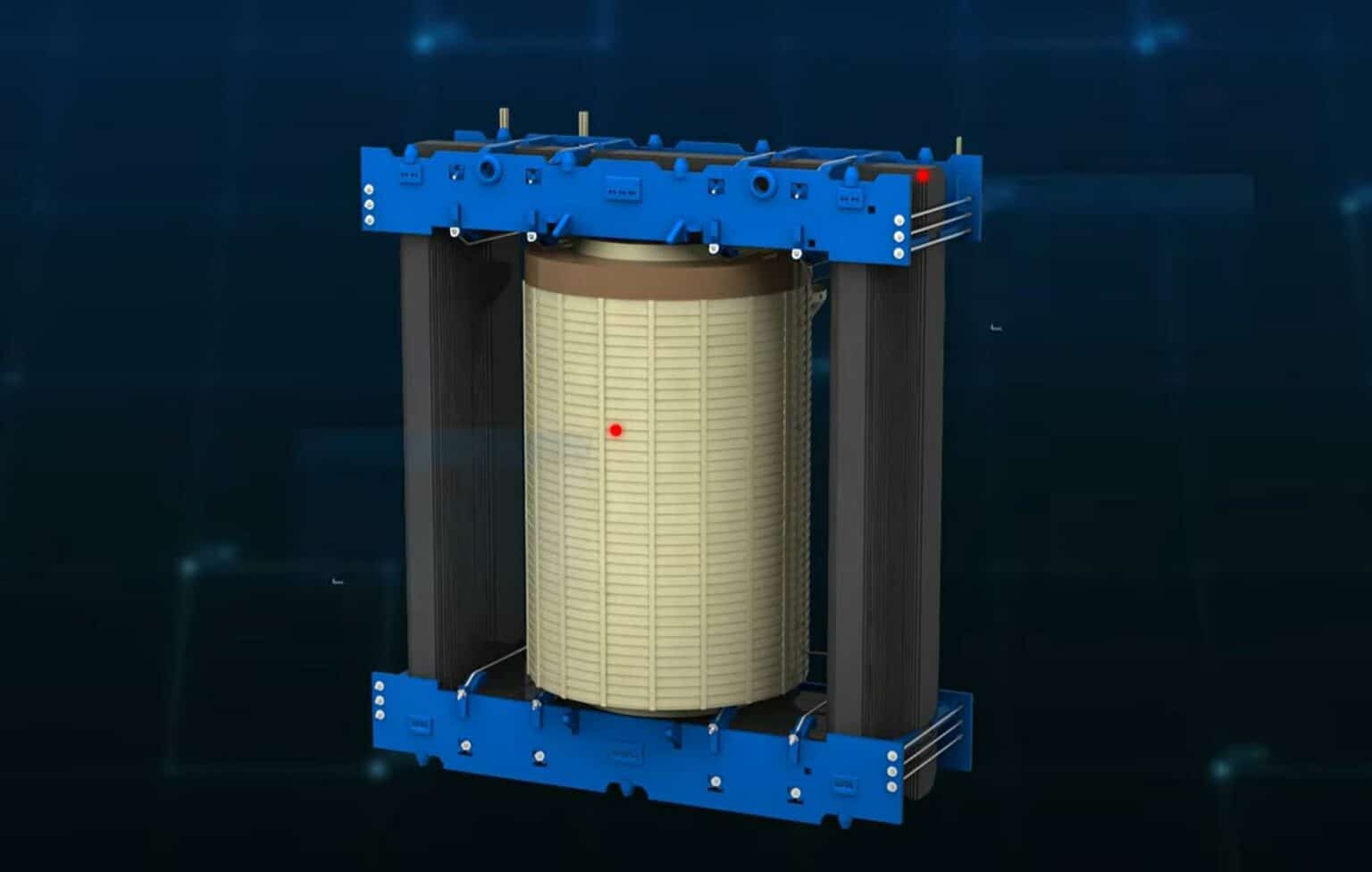
To begin with, a dry type transformer, also known as cast resin type transformer is solid. Meaning it doesn’t have any rotating parts. Because of this, these types of transformers maximize the use of eco-friendly temperature insulation systems to function properly.
Unlike the liquid-type transformers that are dependent on other materials such as oil and fire to function, a dry transformer works through voltage changing. So, when dealing with these types of transformers it’s the air that gets cooled and not the liquid as with other types. You simply have to place the dry transformer in a well-ventilated room for the coils to cool with ease.
When using a dry type of transformer, you don’t have to keep it inside fire-resistant vaults or catch basins as you would do with conventional liquid transformers. Also, they do not release any harmful gases, hence environmentally friendly, even for indoor installation.
Where are dry transformers used?
Dry transformers are best used in industrial, commercial, and even utility applications. This is because they can comfortably meet both small and medium voltage needs.
What are the main advantages of a dry type transformer?
 What are the main advantages of a
 Self-extinguishing, low fire hazard
a dry type transformer comes with an eco-friendly material on its insulation. So, it comfortably winds in a self-extinguishing manner, is flame retardant, and of course easy to maintain. With it, you won’t have to invest in a fire extinguisher. Plus, even under the influence of arcing, it doesn’t produce toxic gases.
Zero Oil Usage
as mentioned earlier, the dry transformer doesn’t need any liquid to cool. It only requires air to remain cool. So, you won’t have to incur extra expenses to get oil, or any other liquid, plus the maintenance costs attached to them. It’s safe to say that this is an almost maintenance free transformer, so you can stay worry-free.
Eco-friendly and safe
since dry transformers don’t use oil or liquids for that matter, you won’t have to deal with oil leaks. Or any other form of environmental pollutants. Plus, they are self-extinguishing meaning they rarely explode. Also, the dry type transformers are widely known to withstand unexpected weather changes, making them suitable for heavily polluted and condensed environments.
Low cost installation and lower load losses
due to their low risk nature, there are barely any restrictions when installing the dry type transformers. You also won’t have to deal with other environmental precautions such as groundwater protection. Also, these transformers can serve you for over 20 years, with low chances of failure.
Low Maintenance
we cannot insist on this enough. The dry type transformers are extremely low maintenance. Like you barely have to even maintain them. As long as they have air to cool, you won’t have to deal with built-up dirt. Also, you will never have to deal with liquid testing. However, a routine expert inspection is recommended, and that shouldn’t be too hard.
Sustainable
when you use a dry transformer, you are playing a key role in ensuring we save our earthly resources. With it comes low electricity usage, 90% recyclable materials, and a reliable service of 20+ years.
Differences between dry type and Liquid transformer
Safety Requirements and Environmental Considerations
since dry type power transformers do not use harmful liquids or fluids to function, they do not release harmful gases into the environment. Also, they have no flammable fluid, so low risk of exploding or catching fire. Because of this, dry transformers are the most preferred for indoor use due to their reliability.
So, you can easily find them in places such as schools, hospitals, and other public facilities.
However, when dealing with liquid transformers you need to exercise caution as they can easily explode or catch fire. They are also not good for the environment, making them unsafe for indoor use.
If you have to get a liquid transformer, consider getting one with silicone, or even hydrocarbons for they’re nontoxic.
Maintenance
since dry transformers are air-cooled, they are easy to maintain. They only need a standard visual inspection, depending on your unit and how often you use it. Also, these transformers are resistant to contamination and building up dirt.
Liquid transformers, however, require more maintenance. For instance, apart from inspecting and tightening the connections as you would a dry transformer, you need to check the liquid. Plus, you will have to constantly check the gauges and any signs of leaks. Also, you might have to take a liquid sample for dissolved gas analysis.
Equipment Size Requirements and Capacity
dry type power transformers come with a larger footprint, compared to their liquid counterparts. However, with an air-cooled device, you will need a larger electrical clearance for easy air circulation. Also, dry type transformer sizes and ratings are limited, making them suitable for small-medium voltage needs.
Liquid transformers come with a smaller footprint, but they equally occupy a lot of space, and maybe more than the dry transformer because of the radiators and flange ends. But they can handle high voltage capacities.
CHINT Dry-type Transformer
Epoxy Resin Cast Dry-type Transformer
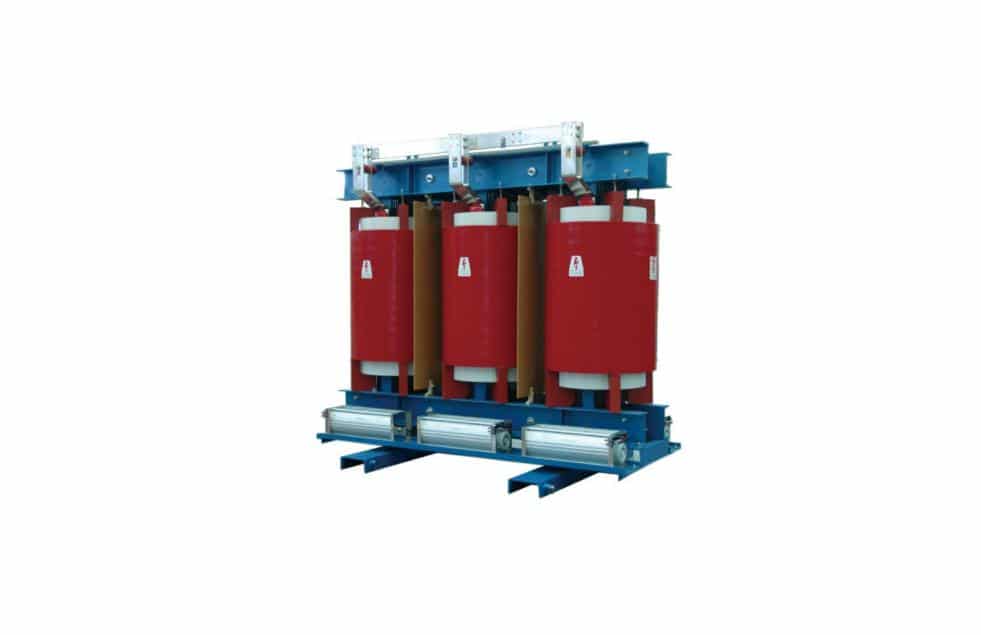
at 30-20000kVA capacity and voltage rating of 10kV-35kV, this dry transformer guarantees high security, and reliability in operation. It also produces less noise, and can comfortably operate in moist places.
Amorphous Alloy Core Dry-type Transformer
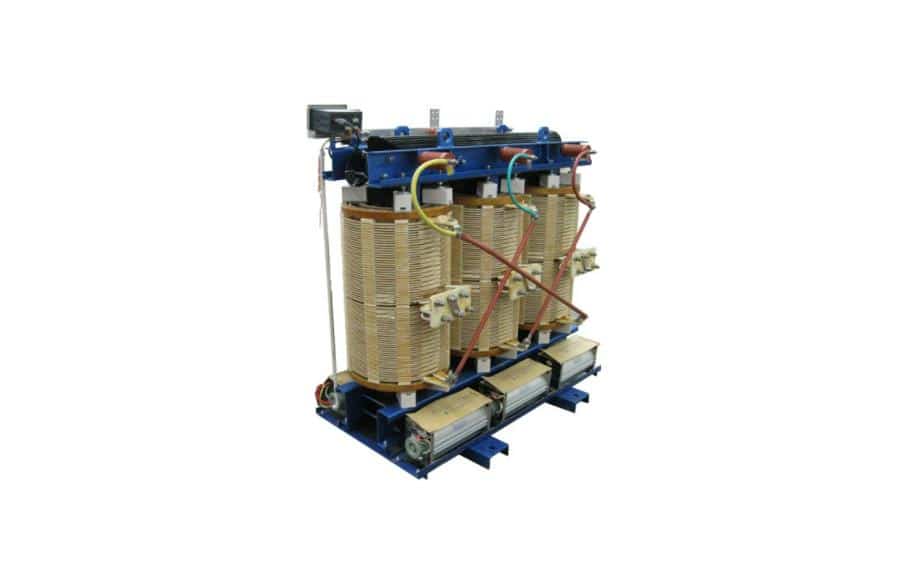
this environmentally friendly 10KV rated voltage dry type transformer provides high efficiency, that too with less noise. Also, it can quickly increase its capacity to run during forced air cooling. Such a small, lightweight, and reliable device!
H-Class Impregnated Insulated Dry-type Transformer
coming with a voltage rating of 10kV, this economical and efficient dry transformer works efficiently to reduce network loss and working cost. Plus, it’s equally reliable and makes less noise.
In Conclusion
Dry transformers come with various components to ensure their functionality. They are air cooling and easy to maintain, making them suitable for small to medium range voltage applications. CHINT has some amazing air-cooled transformers such as Epoxy Resin Cast Dry-type Transformer, Amorphous Alloy Core Dry-type Transformer, and H-Class Impregnated Insulated Dry-type Transformer. Feel free to check them out and pick one that suits your needs. Happy shopping!