

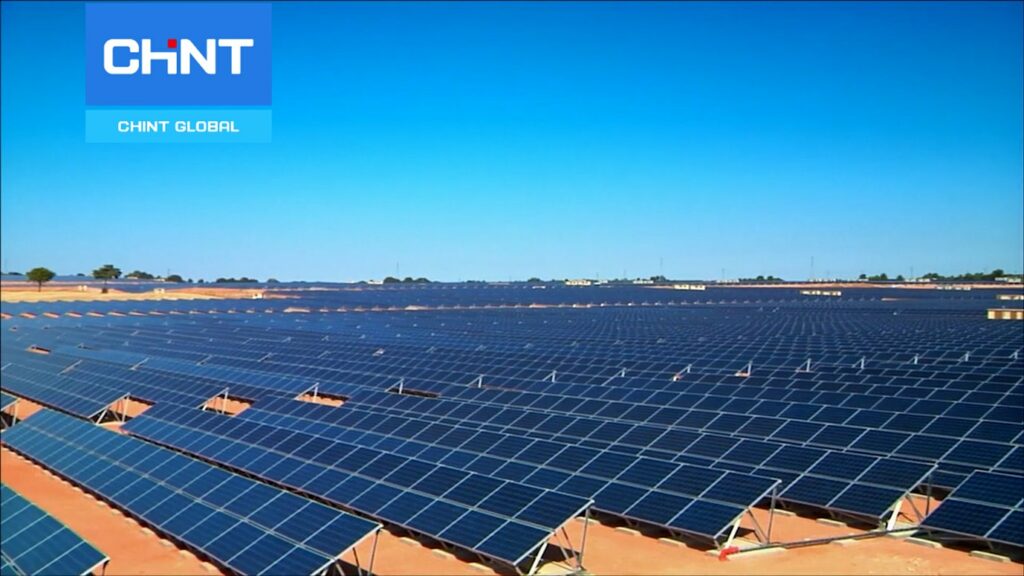
The commercial solar panel industry has experienced inconsistent growth in recent years. This is primarily caused by the challenges in securing appropriate financing for various business types. Despite these obstacles, the market has seen increased adoption from businesses, non-profits, and government entities committed to clean energy objectives.
As on-site solar installations currently serve less than 1% of commercial electricity demand, there is substantial room for greater solar energy utilization in the commercial sector. This potential for growth presents an exciting opportunity for businesses and organizations to invest in sustainable energy solutions.
Benefits of Commercial Solar Panel Installation
Businesses can enjoy multiple benefits by installing commercial solar panels as their power source. These benefits include:
- Using solar installations helps businesses become self-sufficient in their energy supply, resulting in long-term savings on energy expenses. The maintenance costs are also low and cash flows are predictable, making solar energy a beneficial investment for businesses.
- Installing solar energy systems improves energy resilience and control. These systems can function as microgrids by reducing reliance on public utilities and adding a battery backup. This means that power remains uninterrupted during outages and provides better control over consumption.
- Solar energy systems help businesses meet sustainability targets, reduce their carbon footprint, and demonstrate a commitment to eco-friendly practices.
- Federal and state tax incentives, rebates, and deductions are available for businesses to lower the total cost of solar installations.
- Solar energy systems offer businesses a continuous return on investment, reducing overhead costs and providing energy independence.
By investing in commercial solar panels, business owners can save money and achieve energy independence and contribute to a greener future.
Factors to Consider for Commercial Solar Panel System Selection
When you decide that commercial solar panel installation may be right for your business, there are many different options you’ll have to choose from. Knowing which products to select will all come down to a few different key factors that you’ll need to take into consideration.
These factors include your daily energy requirements, local incentives, available installation space, and your business’s budget. Each of these factors will affect not only the overall performance of your solar energy system but the return on investment that it provides you with. Start with determining your business’s daily energy needs so that you can determine how many solar panels you’ll need to have installed.
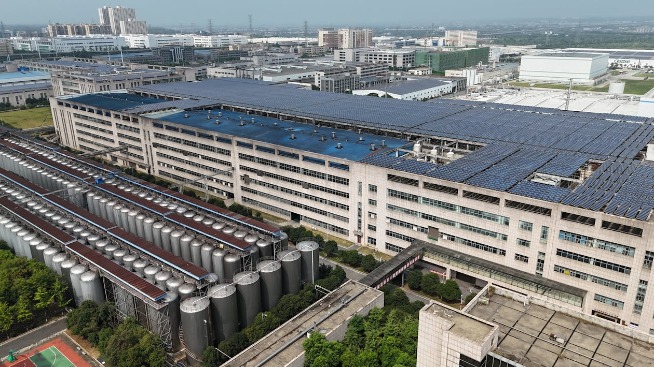
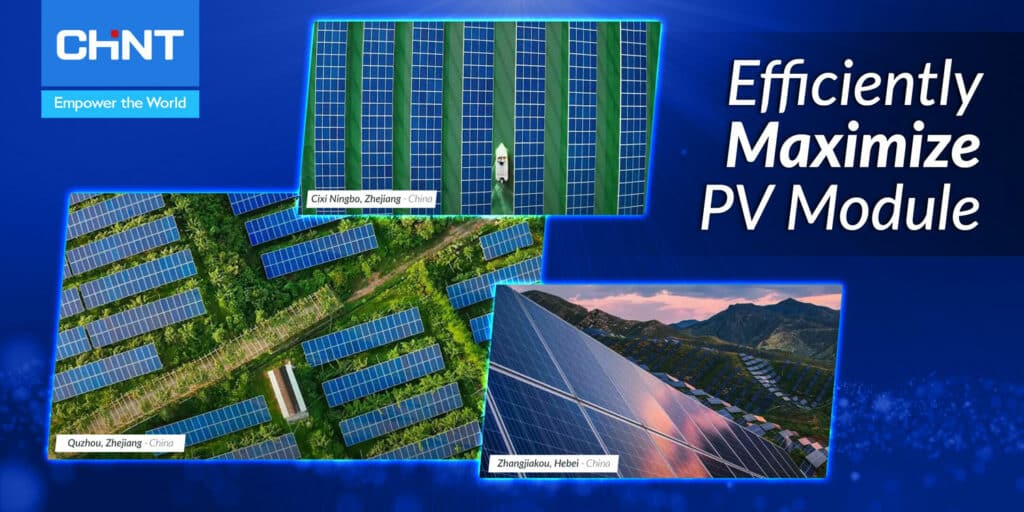
Considering the amount of space you have for installation will also place some restrictions on your solar system design. Consider if rooftop installation is possible and know how much ground space you can commit. With these factors in mind, you’ll be able to determine the solar panel options that will best fit your energy needs and space requirements. Taking into account local incentives and rebates, you can determine which solar equipment best fits within your company’s budget.
Commercial Solar Panel Cost and Financing Options
There are many different financing options that are available to commercial clients.These options include loans, leases, and power purchase agreements.
- Investment tax credits and local government incentives can help offset the cost of installing solar panels.
- For businesses with limited budgets, PPAs offer an affordable way to access solar power. This is where a developer takes care of the installation and financing.
- Leasing solar panels can be a viable option for businesses, as it allows them to reduce energy consumption from the grid and lower operating costs without upfront investment.
- The US Department of Energy offers grants which can assist eligible commercial building owners to install solar systems and reduce energy costs.
Commercial Solar Panel Size and Efficiency
The efficiency of a solar panel refers to how much sunlight it converts into electricity. Photovoltaic technology has improved greatly, causing the average panel conversion efficiency to increase from 15% to more than 21%. As a result, the power rating of a regular panel has grown from 250W to over 400W.
Related Article: How Much Electricity Does A Solar Panel Produce?
Steps for Successful Commercial Solar Panel Installation
The efficiency of your new solar energy system is going to depend highly on the condition of your solar panels. If your panels are covered in accumulated debris like leaves, dirt, and even bird droppings, their efficiencies can be greatly reduced.
This is why regular cleaning is important to maintain an efficient solar energy system. Experts recommend having your solar panels cleaned at least every six months. However, the exact timeframe is going to vary depending on the specific environment at your business location where the solar panels are installed.
Getting your panels inspected at least once a year is also necessary to ensure that your solar energy system operates at peak efficiency.
Commercial Solar Panel Cleaning and Maintenance
To ensure that you have a successful installation of your commercial solar panel system, there are some basic steps to follow.
First, have a site audit completed. This will allow you to determine what your business’s energy needs are and what parts of your building can be outfitted with solar panels.
Once your audit is completed, solar engineers will plan out the design of your solar energy system. This will help you to establish the necessary documentation to apply for a permit in your local area, if necessary.
Once you decide on the system equipment that you want to have installed, it’s time for the installation to get underway. A team of solar panel installers will work to mount the components of your solar energy system.
After undergoing a final inspection by your local code office, it’s time to reap all of the cost-saving benefits that your new solar system provides.
Conclusion
Before you take the leap to invest in a commercial solar panel system for your business, it’s helpful to understand all the components involved in the process. From understanding the necessary system components and their costs to designing the perfect panel layout, there are many steps to consider. Be sure to explore Chint Global’s commercial solar solutions like AstroTwins and AstroSemi to help your business on its mission to reach its sustainability goals.