

Table of Contents |
Modern industrial automation and electrical control systems are very advanced. They use reliable equipment and components to ensure efficient operation. The Variable Frequency Drive is one key example. It’s an essential device for controlling motor speeds. VFDs offer precise control in various applications. From simple fans to complex manufacturing systems, they are everywhere. They significantly improve system efficiency and reliability.
Principle of Operation of a Variable Frequency Drive
The basic principle of variable frequency drives is straightforward. They control motor speed by varying the frequency of the power supply. The relationship between frequency and motor speed is direct. When frequency increases, the motor runs faster. When it decreases, the motor slows down.
A variable frequency drive works by converting fixed-frequency AC power to variable frequency output. This process involves multiple stages. The system uses advanced electronics and control algorithms. This ensures smooth and efficient motor operation at different speeds.
Working Process: Detailed Overview
The variable frequency drive working process involves several key stages. Each stage serves a specific purpose and together, they create a complete speed control system. Here are the stages in detail:
1. AC to DC Conversion (Rectification)
The process starts with AC power conversion. The input AC power goes through a rectifier circuit. This circuit converts AC to DC power using diodes in standard applications or thyristors for controlled rectification in advanced systems. The result is a pulsating DC voltage that requires further filtering.
2. DC Link (Filtering)
The DC link smooths the rectified power. It uses capacitors and inductors. These components filter the DC power and help create a stable DC voltage. The clean DC power is essential for the next stage.
3. DC to AC Conversion (Inversion)
The inverter section generates AC power with variable frequency and voltage. It uses power electronic switches such as IGBTs or MOSFETs to achieve high-speed switching. These devices switch rapidly and create a pulse width modulated (PWM) output. This synthesized AC power is then delivered to the motor with the desired frequency and voltage.
4. Control Mechanism
The motor control system of the variable frequency drive manages all operations. It monitors various parameters. It adjusts the output frequency and voltage. This ensures proper motor operation. The system responds to user commands and feedback signals.
Types of VFD Control Methods
VFDs use different control methods. VFD drive manufacturers provide methods with unique characteristics. The right choice depends on application requirements. Here are the main variable frequency drive control methods:
1. V/f Control (Voltage to Frequency Ratio Control)
This is the simplest control method. It maintains a constant voltage-to-frequency ratio. It works well for basic applications such as fans and pumps. The method is cost-effective and reliable.
2. Vector Control (Field Oriented Control, FOC)
Vector control offers better performance. It provides precise speed and torque control. The method uses complex calculations. It’s suitable for demanding applications. Manufacturing and precision machinery benefit from this variable frequency drive method.
3. Direct Torque Control (DTC)
DTC provides the fastest torque response. It doesn’t need complex motor models. The method offers excellent dynamic performance. It’s ideal for high-performance applications. Elevators and cranes often use DTC.
Impact of VFD on Motor Performance
VFDs significantly affect motor performance. These micro drives offer various benefits and improvements that enhance overall system operation. The following are the key impacts:
1. Flexible Speed Adjustment and Accurate Control
Variable frequency drive devices allow seamless speed changes. They maintain precise control at all speeds. This flexibility improves process control and enhances product quality in manufacturing.
2. Energy Efficiency
Speed control saves energy. Motors run at optimal speeds which means there’s reduced power consumption. The savings are significant in variable load applications and provide great value in the long run.
3. Smooth Starting and Stopping
Variable frequency micro drives provide gentle motor acceleration. They prevent mechanical stress and hence, prolong the equipment’s life. Maintenance needs are also significantly reduced which leads to increased cost-effectiveness.
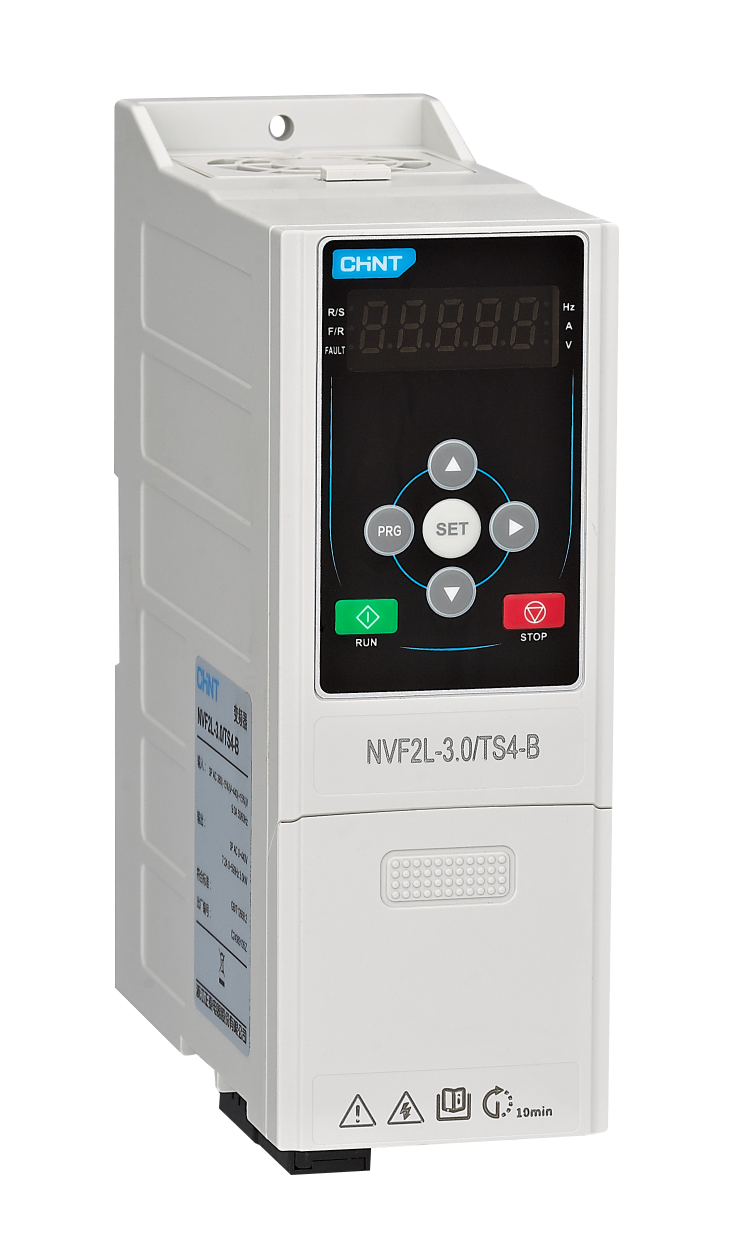
Product Highlight: CHINT NVF2L Micro Drive (VFD)
At CHINT, we offer pioneering drive solutions. As one of the premier VFD drive manufacturers, we offer a wide range of reliable products. Our NVF2L Micro Drive features advanced VFD technology. It’s a next-generation VFD solution for industrial automation. This compact device highlights our commitment to innovative motor control technologies. Some of its top features include (but not limited to):
- Advanced vector control technology for superior performance
- Strong overload capacity with fast load response
- Built-in PID control for process automation
- Multiple application functions including torque limitation
- Comprehensive protection features for reliable operation
- User-friendly interface for easy setup and operation
- Compact design for space-saving installation
Conclusion
VFDs are crucial in modern motor control systems. They offer various control methods and benefits. From basic V/f control to advanced DTC, VFDs provide solutions for a broad range of application needs. As one of the seasoned VFD drive manufacturers, we at CHINT understand these requirements. Our NVF2L Micro Drive exemplifies our commitment to quality and innovation. Visit our website to explore our complete range of VFD solutions. Let us help you find the perfect drive for your application.