

Introduction
“How do you keep scattered facilities aligned when each one carries its own electrical risks?” Distributed infrastructures juggle uneven loads, harsh sites, and changing climates. That mix quietly raises electrical safety pressure.
Across plants, warehouses, and data centers, the real shield is maintenance. Not just picking gear, but routines that steady operations, cut surprises, and keep every location predictable and compliant.
Why Distributed Infrastructure Raises New Electrical Safety Pressures
Distributed operations look efficient on paper. In the field, they behave differently. Across sites, small issues slip through: insulation quietly aging, terminations loosening, inspections done one way here and skipped there. Competitor studies often point to the same culprits behind failures—arc faults born from tired wiring, panels stressed by years of heat, vibration, and neglect.
The environment makes it worse. One facility fights humidity, another lives with dust, salt air, or temperature swings. Moisture creeps into enclosures, dust bridges clearances, and grounding paths get improvised. Reliability drops long before alarms trigger.
This is where distributed infrastructure safety becomes fragile, not because systems are flawed, but because conditions are uneven.
Add scale, and the problem multiplies. No two electrical rooms age the same. Equipment installed together drifts apart over time. Without aligned practices, risk spreads quietly. That reality is why harmonized maintenance isn’t optional.
It’s the baseline needed to see problems early, compare sites fairly, and stop local issues from becoming network-wide failures before small faults turn costly and dangerous across operations everywhere.
Maintenance as the First Defense Against Failures Across Multiple Sites
Across multiple sites, failures rarely arrive without warning. They grow from loose lugs left unchecked, inspections pushed back, dust settling where heat already lives.
Routine maintenance cuts these risks down early, before sparks, trips, or outages show up. Most electrical hazards trace back to neglect, not design. Missed torque checks, aging insulation ignored, breakers that never get exercised.
Simple tasks matter more than they sound:
- Verifying torque keeps resistance from creeping in.
- Reviewing insulation condition catches moisture damage early.
- Breaker testing confirms protection still reacts as intended.
- Cleaning panels improves heat dissipation and visibility.
Together, these steps form the front line for electrical safety, especially when assets are spread far apart. Predictability changes when maintenance becomes a steady habit instead of an occasional project.
Teams spot patterns instead of surprises. Downtime shrinks. Confidence grows.
Distance doesn’t have to break discipline. Distributed teams can share schedules, checklists, and benchmarks so work is done the same way everywhere.
When maintenance rhythms align, sites stop aging in isolation. They start behaving like parts of one system, managed, and monitored across all locations.
Electrical Maintenance Procedures That Keep Distributed Facilities Predictable
Predictability doesn’t come from guesswork. It’s built through repeatable actions that behave the same way, no matter the location. When facilities spread out, maintenance procedures become the common language that keeps systems risks visible, and decisions grounded in facts.
Standardizing Inspection Routines Across Sites
Competitor guidance often shows the same pattern: problems are found early only when inspections are regular and consistent. Writers should map out repeatable checklists that don’t rely on individual memory.
Thermal imaging flags hidden heat. Breaker functionality checks confirm mechanisms still move. Grounding integrity prevents fault energy from wandering. Enclosure condition reviews catch moisture paths.
Cable management inspections reveal stress and overcrowding before failures start. Used together, these steps create a baseline view of asset health across every location without drifting standards or skipped details over time and teams everywhere.
Managing Load Growth and System Changes
Loads rarely stay static. New machines arrive, lines expand, seasons shift demand. Without periodic reviews, systems drift beyond their ratings. Maintenance plans should require engineers to reassess load evolution and verify margins remain intact.
Distributed changes must trigger protection-setting reviews, not informal assumptions. Seasonal peaks, temporary equipment, or added branches all alter fault levels.
Predictable facilities pause, recalculate, and adjust before cables heat, breakers nuisance-trip, or protection loses selectivity. This discipline keeps growth visible instead of quietly dangerous across sites with shared thresholds and review cycles for everyone involved globally.
Coordination of Protection Logic Across Facilities
When protection schemes drift apart, risk hides in the gaps. Engineers should ensure MCCB and ACB settings stay aligned across locations using coordination curves, verified trip units, and updated short-circuit calculations.
One site adjusted, another untouched, breaks selectivity. Faults then travel farther than planned. Coordinated logic keeps upstream devices calm while downstream protection acts fast.
It also supports electrical safety by ensuring protection behaves the same way everywhere, under the same fault conditions without relying on local workarounds or undocumented field adjustments that evolve silently over years of operation worldwide.
Documentation and Site-to-Site Alignment
Poor documentation turns maintenance into guesswork. Missing records, outdated drawings, and inconsistent reports make sites impossible to compare. Writers should emphasize standardized templates, shared logs, and common naming conventions.
Inspection results, setting changes, and corrective actions must live in the same structure. When teams can see history clearly, patterns emerge. Alignment improves handovers, audits move faster, and decisions stop depending on who remembers what from last year.
This clarity supports accountability across distances and reduces repeated mistakes between rotating teams and vendors working across the network every single day consistently.
Preventive Maintenance for Circuit Protection Devices Across Distributed Infrastructure
Preventive maintenance for circuit protection devices is where many distributed programs either hold together or quietly fail. Breakers don’t usually announce trouble.
Overloads creep in, trip mechanisms stiffen, arc-fault risk rises, and protection reacts late or not at all. Across multiple sites, those small lapses multiply, turning routine faults into outages and safety incidents.
For the writer, this section should focus on why circuit breaker upkeep matters everywhere, every year. MCCBs and ACBs sit at the center of low-voltage protection, and structured checks keep them honest.
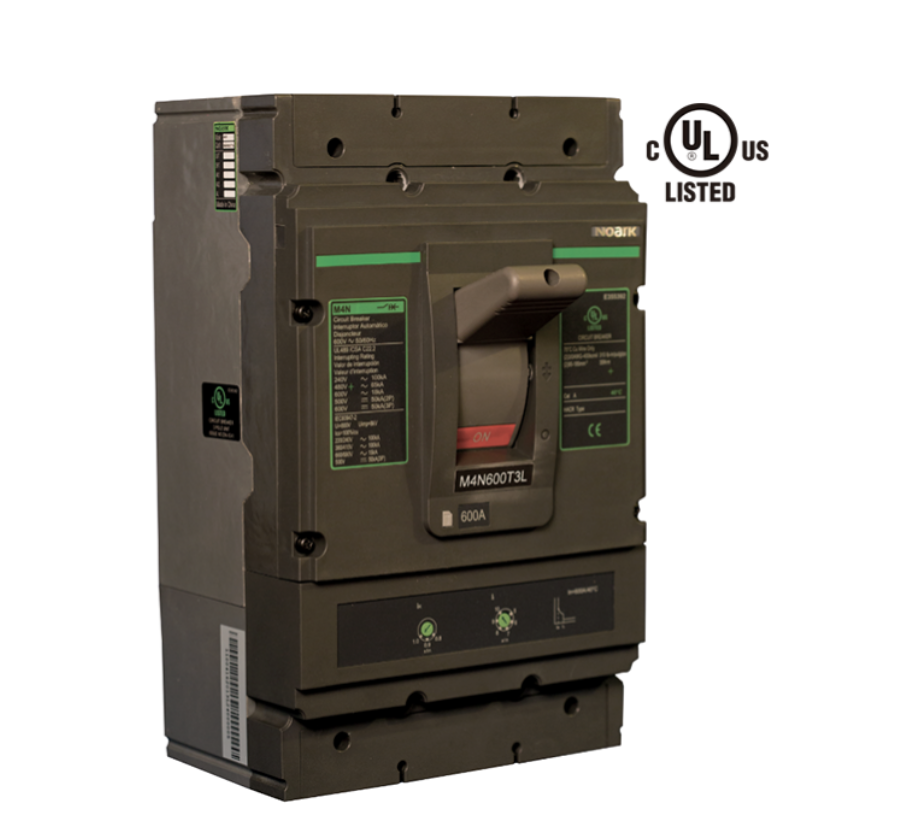
As commonly deployed industrial components, CHINT MCCBs and ACBs illustrate how consistent inspection preserves performance over long service lives and supports distributed infrastructure safety.
Describe preventive work in clear bullets, such as:
- Routine MCCB/ACB mechanical checks to confirm smooth operation
- Trip-unit testing to verify protection responds as designed
- Contact resistance measurement to detect overheating paths
- Environmental condition reviews covering dust, humidity, and heat
- Arc-flash mitigation practices tied to settings and enclosure condition
It also helps to frame how modern devices support maintenance goals. CHINT’s low-voltage main power distribution portfolio combines advanced protection, smart monitoring, and global compliance.
IoT-enabled diagnostics, precision engineering, and international standards make it easier to detect issues early, schedule work confidently, and maintain reliability across facilities that operate under daily pressure.
Electrical safety best practices work best when they feel routine, not reactive. In distributed facilities, that means focusing less on individual assets and more on habits that repeat cleanly from site to site.
Grounding systems should be verified, not assumed. PPE rules need to be clear, enforced, and practical. Lockout/tagout must follow the same logic everywhere, so no one improvises under pressure.
Environmental controls, from ventilation to moisture management, protect both people and panels. Clearance planning keeps access safe today and serviceable tomorrow.
What makes this harder across multiple locations is people, not hardware. Training levels vary. Operator experience shifts. Documentation lives in different formats. These gaps weaken distributed infrastructure safety even when equipment is sound.
Standardized practices scale well because they reduce interpretation. The same grounding checks, the same LOTO steps, the same clearance rules, regardless of site size or geography.
Writers should consider including a simple table comparing best practices with safety outcomes. Competitor discussions often link clear procedures directly to reduced arc incidents, fewer near misses, and faster fault isolation. Seeing that relationship builds buy-in.
Equipment still plays a supporting role. CHINT MCCBs and ACBs, part of the main power distribution portfolio, are designed for stable protection behavior and consistent inspection access, which fits standardized routines.
Secondary distribution devices in SMDBs align well with preventive maintenance cycles. CHINT meters add value by supporting load visibility, power quality awareness, and power factor tracking across sites.
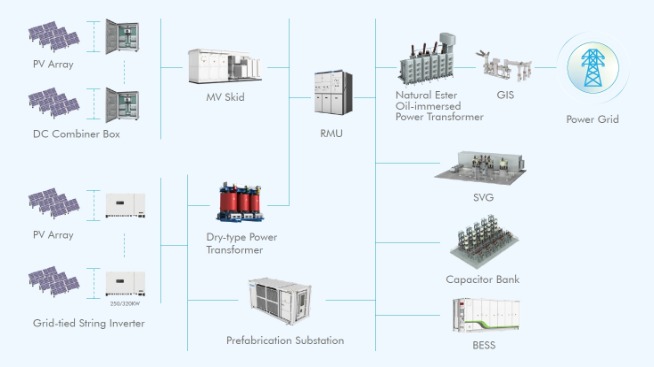
At higher levels, CHINT MV switchgear and transformers reinforce a coordinated protection strategy that stays consistent as networks grow and change.
Conclusion
Distributed infrastructures stay safe only when maintenance stops being reactive and starts behaving the same everywhere. Predictable schedules, shared data, and aligned teams turn protection into something reliable.
When devices are supported by preventive care, clean environments, and steady monitoring, electrical safety holds. CHINT fits naturally into this model, supporting unified strategies across industrial networks worldwide.