

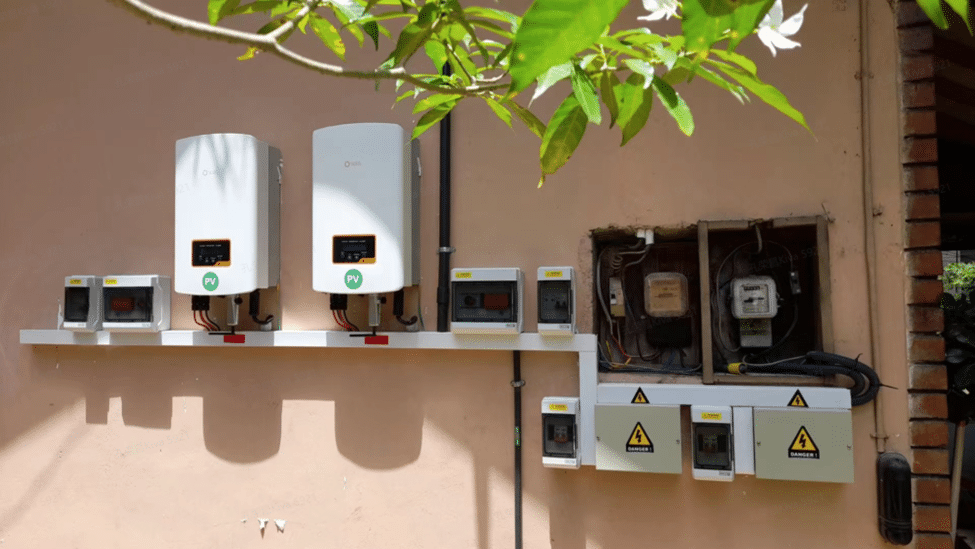
Renovation projects, especially those involving older homes, often require updating or installing a new distribution box. A well-chosen distribution box ensures the safety and efficiency of your household electrical system. This article guides you through selecting a distribution box that is both affordable and safe, emphasizing key features, configuration, and practical considerations.
Safety Considerations
Safety is the top priority when choosing a distribution box. The distribution box must be able to handle the electrical load safely and efficiently. Key safety features include:
Overload Protection: Prevents circuits from carrying too much current, which can cause overheating and potentially lead to fires.
Short Circuit Protection: Ensures that any sudden surge in current due to a short circuit is quickly interrupted, reducing the risk of electrical fires.
Reliable Circuit Breakers: Circuit breakers must be reliable to consistently manage power distribution and provide safety in various conditions.
Configuration
An optimal distribution box configuration ensures efficient power management and safety. The recommended configuration is:
1 Main Switch: Controls the entire electrical system.
X Room Socket Circuits: Each room should have its own circuit to manage regular sockets.
Y High-Power Appliance Circuits: High-power appliances need dedicated circuits.
Z Lighting Circuits: Separate circuits for lighting to ensure stable and independent operation.
Main Switch: This is the primary control point for the entire electrical system, allowing the entire system to be shut down quickly in an emergency or for maintenance.
Room Socket Circuits (X): By having separate circuits for each room, electrical issues can be isolated, preventing them from affecting the entire home.
High-Power Appliance Circuits (Y): Appliances like electric stoves, air conditioners and water heaters need their own circuits to prevent overloading and ensure safe operation.
Lighting Circuits (Z): Separate lighting circuits ensure that lighting remains operational even if there are issues with other circuits.
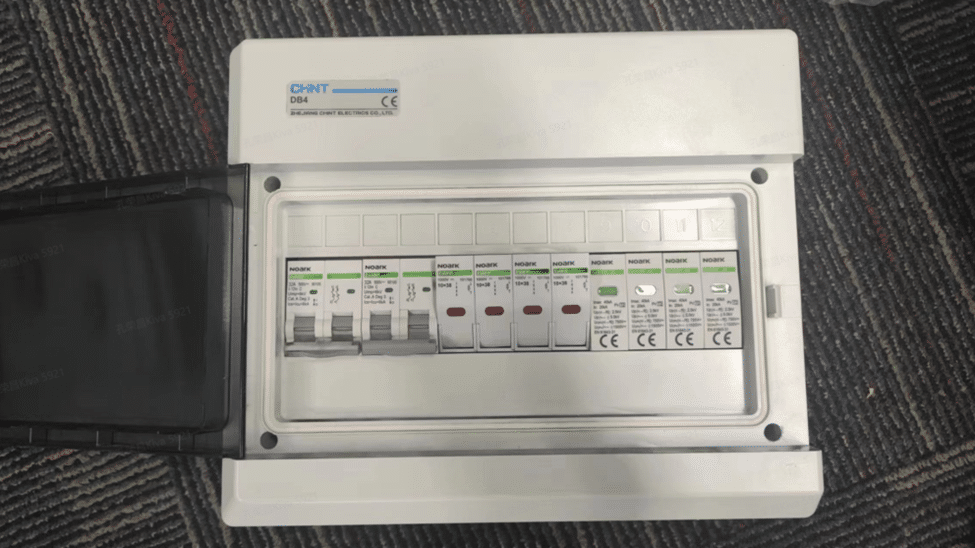
Number of Poles in Circuit Breakers
Circuit breakers are essential for managing and protecting the electrical system. They come in three types:
1P (Single Pole): Controls only the live wire, providing basic protection. Suitable for simple circuits where only live wire control is needed.
1P+N (Single Pole + Neutral): Controls the live wire and provides protection for both live and neutral wires.
2P (Double Pole): Controls and protects both the live and neutral wires, offering the highest level of safety. Ideal for circuits where complete isolation of both live and neutral wires is required for maximum safety.
Distribution Box Function Selection
Choosing the right functions and accessories for your distribution box enhances safety and efficiency.
Built-in Protection:
Overload Protection: Prevents overheating by cutting off power when the load exceeds safe limits.
Short Circuit Protection: Protects against fire hazards by interrupting the circuit during a short circuit.
Additional Accessories:
Leakage Protectors: Essential for all socket circuits to protect against electric shocks.
Overvoltage and Undervoltage Release: Installed on the main switch to protect the entire system from voltage fluctuations.
Waterproof Performance:
Importance: Ensures the distribution box remains functional in damp or wet conditions.
Standards and Ratings: Look for IP (Ingress Protection) ratings, such as IP65, which indicates dust-tight and protected against water jets.
Application Scenarios: Crucial for outdoor installations or areas prone to moisture, like kitchens and bathrooms.
Practicality
Balancing safety with practicality is essential to avoid excessive costs and space usage.
Issues with Large and Expensive Distribution Boxes:
Large boxes are often more costly and take up more space.
Reducing the number of circuits and poles can help manage size and cost without compromising safety.
Strategies for Reducing Size and Cost:
Reducing Number of Circuits: Merge circuits for adjacent rooms to save space and wiring costs.
Reducing Number of Poles: Use 1P or 1P+N circuit breakers where appropriate, reserving 2P breakers for the main switch and high-power circuits.
Practical Number of Loops: Aim for 1+X+Y+Z configuration while considering the actual needs of your household.
Merging Room Circuits: Combine circuits for adjacent rooms to reduce wiring and circuit breakers.
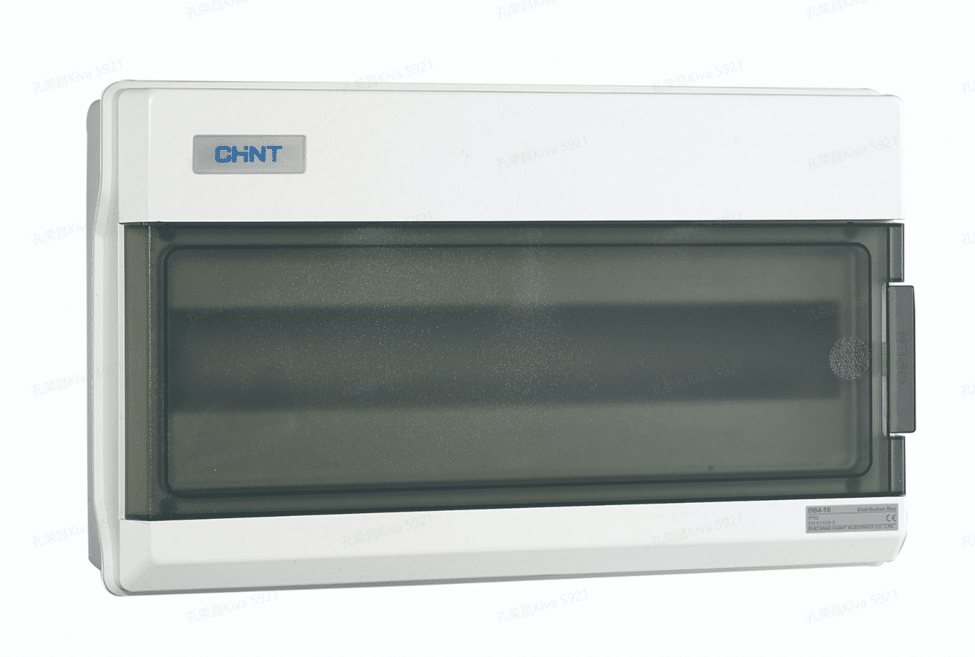
CHINT DB4-Series Waterproof Distribution Box
The CHINT DB4-Series Waterproof Distribution Box is designed for those seeking a robust and reliable solution for various challenging environments. It comes with numerous features that ensure safety, reliability, and ease of use.
1. Prefabricated Rail Terminals and Rails
The CHINT DB4-Series includes prefabricated rail terminals and rails, simplifying the installation process. These components enhance reliability by ensuring secure and consistent connections, reducing the likelihood of installation errors. This makes the setup easier and faster.
2. Protection Class IP65
With an IP65 protection rating, the DB4-Series is completely protected against dust ingress and can withstand low-pressure water jets from any direction. This makes it ideal for environments where exposure to dust and water is a concern, such as outdoor areas or humid indoor spaces.
3. PC Plastic Shell
The polycarbonate plastic shell of the CHINT DB4-Series has several safety features:
Self-Extinguishing from Fire: The shell will not contribute to a fire.
Flame Retardant: It reduces the risk of fire spreading.
Non-Toxic: The plastic does not release harmful fumes if exposed to high temperatures.
UV Resistant: Designed to resist degradation due to ultraviolet (UV) light exposure, making it suitable for outdoor installations where it will be exposed to sunlight.
High-Temperature Resistance (650°C): The distribution box can withstand high temperatures, ensuring it remains functional and safe even in extreme heat conditions.
4. Compliance with IEC60670/IEC61439
The DB4-Series complies with international standards IEC60670 and IEC61439, which specify requirements for the construction, performance, and safety of low-voltage switchgear and control gear. This compliance ensures the distribution box performs reliably and safely under various operating conditions.
5. Versatility
The CHINT DB4-Series Waterproof Distribution Box offers comprehensive protection, including miniature circuit breakers (MCBs), residual current devices (RCDs), overvoltage and undervoltage protectors, and a robust housing. The AC version includes NXB, NB1+NXBLE, NB1L+OUVR-2N, while the DC version includes NB1 DC+NL210+overvoltage/undervoltage protector.
This extensive protection makes the DB4-Series suitable for a wide range of applications, such as outdoor charging stations, gardens, shops, bathrooms, and kitchens. Its versatility ensures it meets the safety and reliability requirements of various installation scenarios, making it an excellent choice for diverse and challenging environments.
Conclusion
Choosing the right distribution box involves balancing safety, practicality, and cost. By understanding the key features, optimal configuration, types of circuit breakers, and additional protections, you can ensure your household electrical system is both safe and efficient. The CHINT DB4-Series offers a reliable, waterproof option that meets international standards, providing peace of mind for any home renovation project.