

In the world of Original Equipment Manufacturing (OEM), reliability is not optional — it is the foundation of customer trust and long-term success. Whether the equipment is powering climate control systems, industrial machinery, or renewable energy solutions, the components inside must deliver consistent performance, meet strict safety standards, and adapt to a wide range of installation requirements.
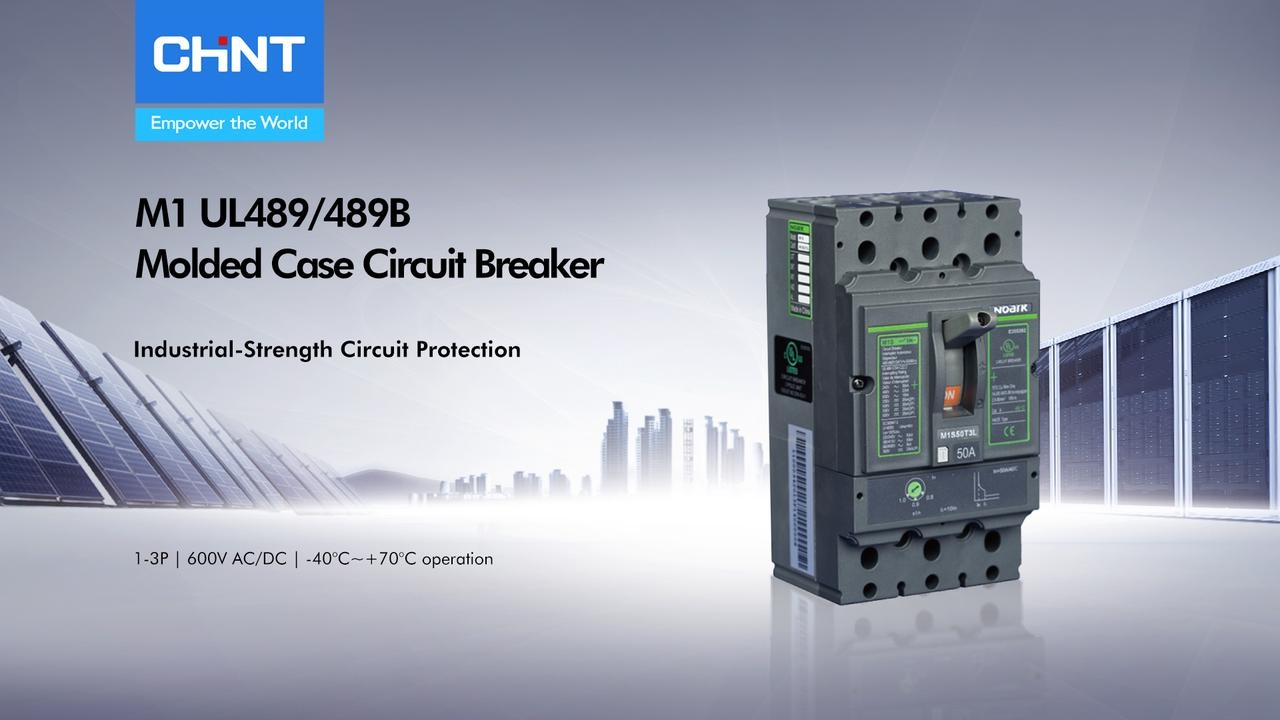
CHINT’s Noark M1 MCCB (Molded Case Circuit Breaker) embodies this philosophy. Built for both compliance and versatility, the M1 combines UL489 certification, robust breaking capacity, and flexible connection options to empower OEMs in multiple industries. From residential solar systems to industrial automation, the M1 has become a trusted choice for manufacturers looking to integrate reliable circuit protection into their products.
Certification That Builds Confidence
When exporting equipment to global markets — especially North America — meeting UL standards is non-negotiable. The M1 MCCB is UL489 certified, meaning it has passed rigorous testing for safety and performance.
For OEMs, UL489 certification does more than check a box:
· Speeds up approvals with customers and inspectors.
· Ensures compatibility with North American networks.
· Demonstrates commitment to safety for partners and end users.

Breaking Capacity for Demanding Applications
OEM equipment often faces diverse environments, from small commercial systems to industrial facilities with high fault currents. The M1 MCCB addresses this with three types of short-circuit breaking capacity (SNH series), offering ratings up to 100kA.
This allows OEMs to:
• Choose the right protection level for their market.
• Use one product family across low, medium, and high fault current environments.
• Reduce sourcing complexity by standardizing on the M1 platform.
Versatile Pole Configurations
The M1 MCCB is available in 1-pole, 2-pole, and 3-pole configurations:
• 1-pole: For single-phase loads in residential or light commercial equipment.
• 2-pole: Common in split-phase or dual-voltage systems.
• 3-pole: For three-phase industrial equipment and motors.
This flexibility means OEMs can match breaker configurations to their system requirements without major redesign.
Fast, Flexible Connections
Assembly efficiency is critical for OEMs. The M1 MCCB offers lug terminals for quick wiring, accepting both aluminum and copper conductors. This simplifies inventory management and speeds up production. It also supports busbar connections, ideal for compact and clean panel layouts.
Bottom Power Feed Capability
Some OEM designs require bottom power entry to optimize layout or meet specifications. The M1 MCCB supports bottom power feed, giving designers more installation freedom.
OEM Applications in Action
While the M1 MCCB suits many markets, its design makes it especially strong in these areas:
1. HVAC Systems – Acting as the main disconnect and protection device in heating, ventilation, and air-conditioning units.
2. Industrial Control Panels – Protecting motors, control circuits, and auxiliary systems in automated production lines.
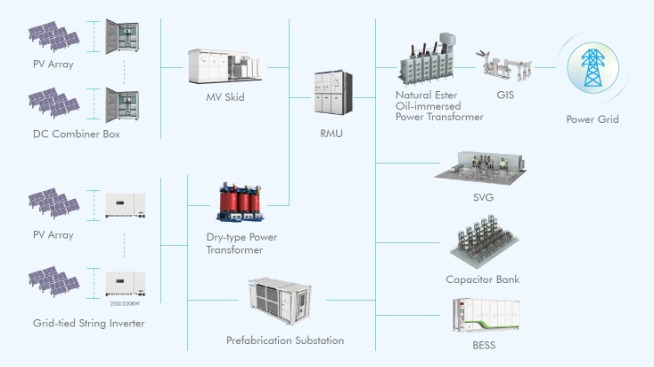
3. Residential Solar & Energy Storage – In home photovoltaic and battery storage systems, the M1 MCCB acts as the main disconnect and protection device between the inverter, battery pack, and household loads. Its UL489 certification ensures compliance with North American residential standards, while high breaking capacity and flexible connection options make it easy to integrate into compact energy cabinets.
4. Pumping Systems – Reliable protection for water treatment, irrigation, and fire pump control panels.
5. Commercial Equipment – Safeguarding high-power devices in sectors like foodservice and packaging.

.png "M1 MCCB application 2")
Applications: Genset, Building, HVAC, Data center, Fire Pump Cabinets, EV charger, Power Distribution, etc.
Why OEMs Choose the M1 MCCB
The M1 meets OEM needs by offering:
• Global compliance via UL489 certification.
• High fault capability with up to 100kA breaking capacity.
• Configurable designs in poles, connection methods, and power entry.
• Production efficiency with quick and flexible wiring.
By standardizing the M1, OEMs can streamline design, simplify procurement, and deliver safer, more reliable equipment to market faster.
Conclusion
From certification to application, the CHINT M1 MCCB offers OEMs a powerful combination of compliance, capability, and flexibility. Its robust safety credentials, high breaking capacity, and versatile connection options make it a dependable choice for manufacturers building the next generation of HVAC units, industrial control panels, and residential solar systems.
In an industry where every component matters, the M1 stands out as a small but critical contributor to OEM success stories worldwide.