

Table of Contents |
What is a Contactor Used For?
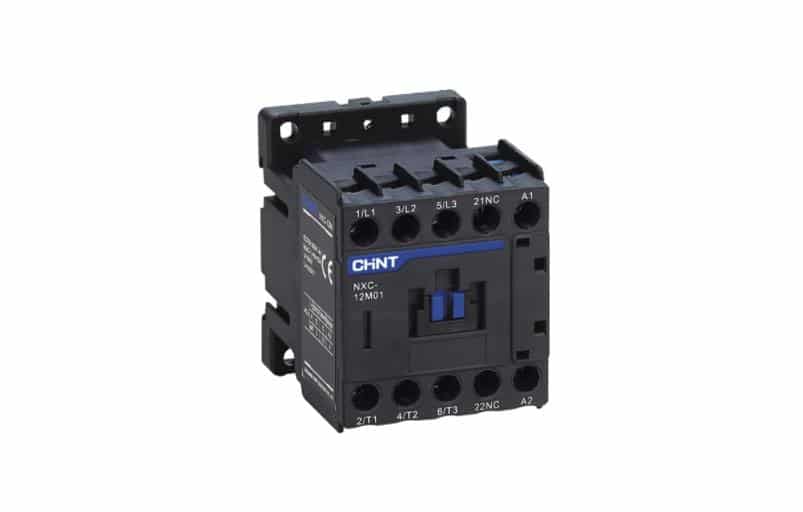
So, what is a contactor? A contactor serves as electrically-operated switch apparatus and is used to switch loads of motors, lights, capacitors, and other mechanisms containing large amounts of current. An electrical contactor usually permits loads as high as 12500A. Although they don’t offer protective measures upon short-circuiting or overloading, they do an excellent job breaking the contact once the coil excites.
How Does a Contactor Work?
A magnetic field is generated when applying a control voltage on the coil leads. This attracts the movable iron core towards its fixed core. From there, the movable contacts, which are attached to the movable core, also go toward the fixated contacts. This results in a contact and lets the power lines travel to their load.
And upon interrupting the control voltage supplying the coil, the magnetic field disappears. The force spring pushes the movable contacts back to their original spot, interrupting the power traveling to the load.
What is the Difference Between a Relay and Contactor?
Contactor vs relay? Telling the difference between a relay and contactor might seem complicated, especially due to their highly similar definitions. But fortunately, there are plenty of ways to efficiently differentiate the two devices. Here they are.
1. The allowed amount of load
As stated above, a contactor can carry greater loads like those amounting to 12500A. By contrast, a relay can only take load amounts no bigger than 10A.
2. Open or closed contacts
An electrical contactor is manufactured to work well with only normally open contacts. Meanwhile, relays can work well with normally closed and open contacts. This greatly depends on the specified functionality of a relay. For that matter, a contactor deprived of energy will not have an established connection. But for a relay, there might be one.
3. Auxiliary contacts
Sometimes, contactors contain auxiliary contacts that are either normally open or closed. These contacts are added to execute extra functionality affiliated with the contactor’s controls. One example includes a contactor transferring power to a motor while its auxiliary contactor still has the power of the circuit of its starter. This is also frequently utilized to switch a pilot light, which indicates that the motor is functioning.
4. Safety characteristics
Since contactors carry vast loads of current, they are equipped with the necessary safety precautions in case of emergencies. Such safety characteristics include spring-equipped contacts, arc suppression, and connected overloads. Here’s what you need to know about these safety parts below:
- Spring-Equipped Contacts: This feature makes sure that circuits are broken upon de-energizing them. After all, there are scenarios where contactors with high load amounts end up welding themselves. This leads to the energizing of circuits even when they’re shut down. But with the aid of contacts loaded with springs, the chances of this event taking place are lessened.
- Arc Suppression: This feature is included in contactors to lengthen the path an arc needs to traverse. Relays don’t need this precaution since they’re not made for large amounts of loads.
- Connected Overloads: This feature makes sure to disrupt the circuit in case the current surpasses the established threshold for a particular point. This typically lasts around ten to thirty seconds. Since overloads don’t occur a lot on relays, there’s also no need for them to have this precaution.
Differentiating AC and DC Electrical Contactors
An electrical contactor can be classified as DC or AC contactor. And if you aren’t aware of their differences, here’s how you can differentiate the two types of contactors below:
Construction
An AC contactor is constructed with a grid arc. Meanwhile, a DC contactor uses a magnetic arc.
Plating
The AC contactor needs silicon steel plating since it uses alternating current and may experience loss of current. It also needs the said coating in case it overheats. Because the DC contactor is not prone to overheating issues or eddy creation or loss, this contactor doesn’t require any plating. So, it works fine by simply getting manufactured with just steel or cast iron.
Shape
The AC contactor is shaped in an E. On the other hand, the DC contactor sports a U figure.
Frequency of Operation
The two electrical contactors also have their specified limit in terms of their frequency of operation. The AC contactor has a limit of 1200 times hourly. On the other hand, the DC type is limited to just 600 times hourly.
Design
AC contactors are built for smaller resistances, hence the lesser number of turns. Its coils also have tinier but thicker barrel-like shapes to go against the produced heat by this type of contactors. DC contactors don’t mind greater resistance, so they have greater numbers of turns than AC types. Furthermore, DC contactors bear a thinner barrel figure and a closely-twisted design.
Amount of Present Coils
Although the number of present coils in the contactors may sometimes differ, AC contactors are established to have lesser amounts of coils, unlike DC contactors.
Other Limitations
DC contactors need ample clearance throughout their device to function accordingly. On the other hand, an AC electrical contactor doesn’t need any to for it to work well.
Purchase an Excellent CHINT Contactor
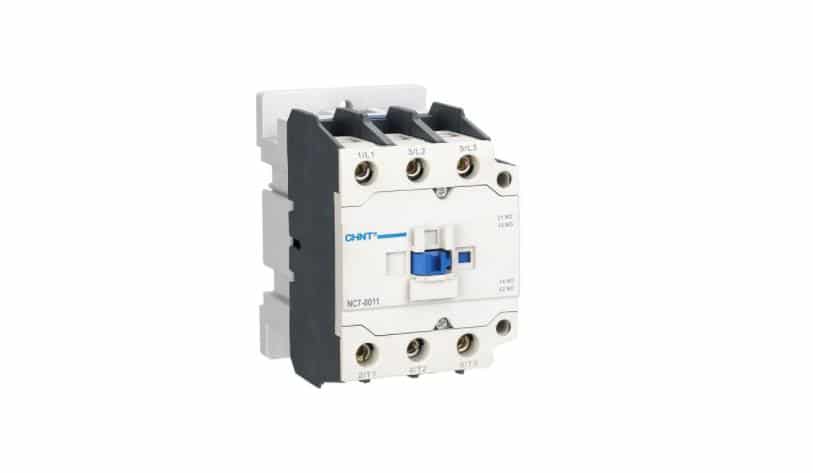
Suppose you are planning to purchase a new contactor or need a replacement. In that case, it’s only necessary to purchase high-quality contactors that meet the requirements of the IEC and other set standards. And of course, it’s essential to buy the correct type of contactor for a particular purpose.
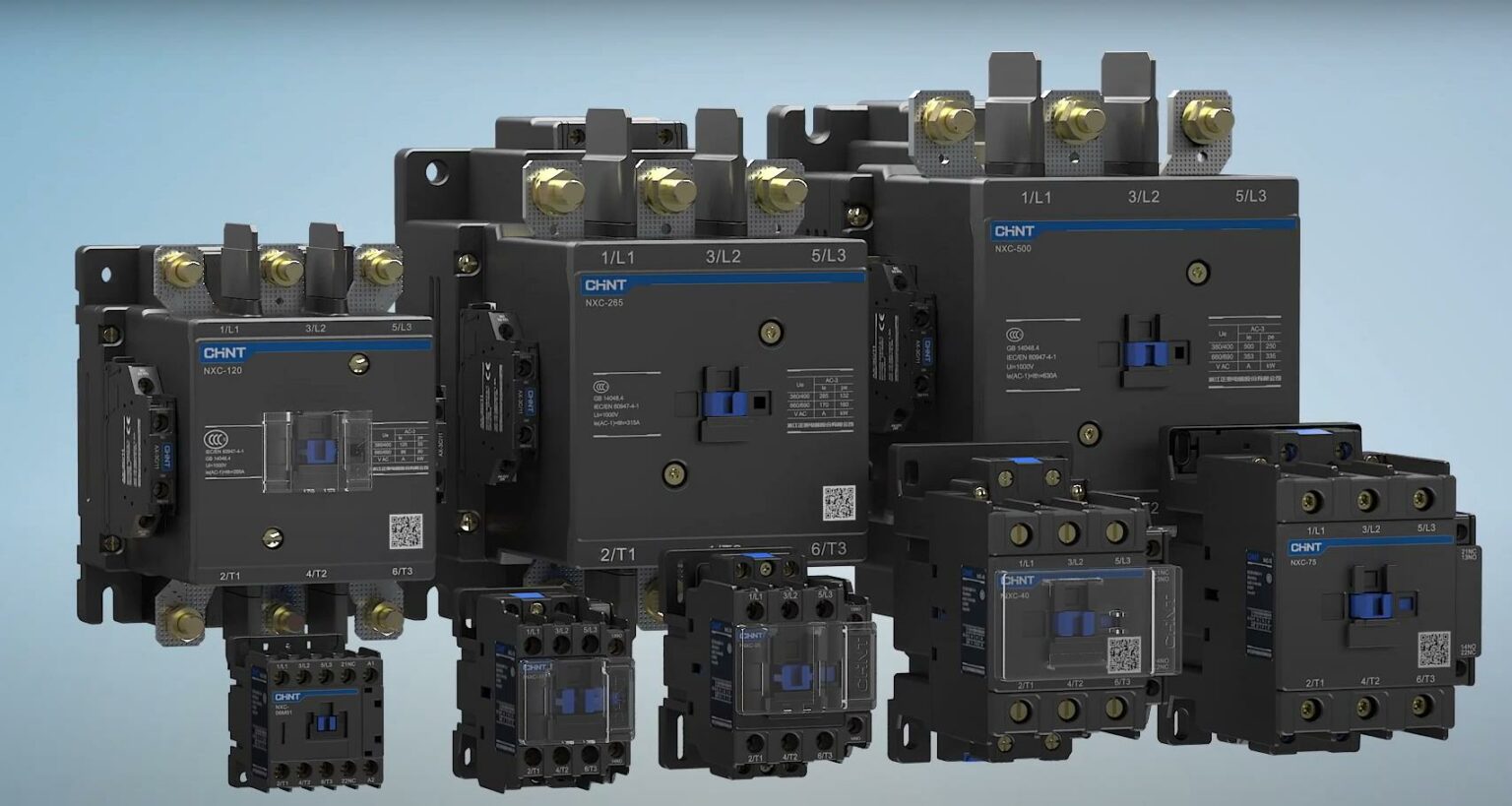
And if you haven’t purchased an efficient contactor, you may want to consider purchasing an excellent contactor from CHINT. After all, CHINT sells several types of electrical contactors suited for different purposes. These include air, vacuum, capacitance, and more varieties.
Furthermore, CHINT is a worldwide leader in intelligent solutions for energy. So, you can definitely guarantee premium contactors through this manufacturer since they’re indeed a reliable supplier of several high-end electrical contactors.
Conclusion
Although contactors and relays are loosely related, these devices do have distinct features. As long as you take note of the differences listed in this article, you will surely stop mistaking one for the other. And if you don’t know where to look for great contactors, you should check out CHINT’s fantastic variety of electrical contactors.