

Table of Contents |
PDU is used in data centers distribute, monitor, and control power to servers, computers, and other equipment leading to reduced equipment downtime, energy wastage, and carbon footprint. If you want to learn more about these gadgets and how they could benefit your business, here is your guide.
What is a Power Distribution Unit?
A power distribution unit (PDU) is a device that distributes power to various pieces of IT equipment in a data center. It is responsible for managing the data center’s power supply to ensure that the IT equipment has a consistent and dependable power supply. Facilities employ PDUs to monitor, control, and optimize power distribution.
How do Power Distribution Units (PDUs) Work?
A power distribution unit works just like a power strip. It does not condition or generate electricity but rather relays alternating current (AC) from a single source to various devices such as networking equipment, computers, and peripherals.
PDUs are usually connected to the primary power supply, which could be a generator, utility power, or UPS. PDUs are most commonly seen in data centers. They are designed for installation in different equipment racks, bringing power to rack-mounted equipment such as routers, switches, servers, or cooling fans.
Aside from normal power distribution, sophisticated PDUs provide extensive power monitoring and control. They detect fluctuations within the circuit and even provide reliable backup power in case of a failure. They can also help determine power usage effectiveness and other statistics important for data center power distribution and management.
What are the Types of Power Distribution Unit?
There are several types of PDUs available on the market. These include basic PDUs, managed PDUs, switched PDUs, and monitored PDUs.
Basic PDUs
Basic PDUs are the most basic type of PDUs. They are designed to provide a reliable power supply to the IT equipment in the data center. They distribute power to multiple pieces of IT equipment. However, they do not offer any protection against power surges; you will need a rack surge protector in addition to the PDU itself.
Managed PDUs
A managed power distribution unit is designed to provide more comprehensive power management features, such as monitoring, controlling, and regulating power usage in the server farm. It can also supply dependable backup power during a power outage.
Metered PDUs
Metered PDUs have an integrated current meter to monitor real-time load level for efficient load balancing and overloads prevention in large data centers. They don’t connect to a data network, but you can use a smart power cable to enable remote monitoring.
Switched power distribution units are designed to offer more extensive power management capabilities. They use network-grade power and allow users to control outlets individually. They have digital meters that convey voltage and load level information. Furthermore, they are SNMP-compatible for remote monitoring.
Monitored PDUs
Monitored PDUs are designed to offer more advanced power monitoring capabilities. They can track data center power distribution and identify power fluctuations.
Why is PDU Important in Data Centers?
PDUs are essential components of data centers because they manage, convey, and regulate the power distribution to IT equipment. Some of the benefits of using PDUs include:
Improved Data Center Management
PDUs can be used to track, control, and regulate power usage in server farms both locally and remotely. This can increase the facility’s efficiency and dependability, lowering operational expenses and enhancing overall performance.
Indeed, by combining outlet-level power metering and trend reports, PDUs can detect and reboot crashed systems, eliminating the need for experts to visit the site. IT equipment that is not in use can be remotely turned off to save energy and reduce the carbon footprint.
Great Power Monitoring and Control
PDUs can help monitor data center power usage and identify power issues. IT administrators can also track power at the equipment or PDU level using user-defined parameters and receive notifications before issues occur so they can fix them. Indeed, power monitoring and staying on top of issues allow mission-critical systems to operate efficiently.
Reliable Power Backup and Uninterruptible Power Supply
Generally, PDUs enable efficient power distribution and overload protection. They can be used to monitor a circuit for power fluctuations and to signal the UPS unit in the event of a power outage in the rack’s most essential equipment. Indeed, if you have a UPS, you can plug your PDU in as long as it has sufficient backup power to handle the load.
Better Power Efficiency and Cost-saving
Intelligent PDUs measure real-time voltage, current, power, and energy usage. They also engage with Data Center Infrastructure Management tools to present reports that show the facility’s power usage trends and provide warnings about any unforeseen events show the facility’s power usage trends and provide warnings about any unforeseen events.
This data assists in maintaining appropriate control over heat, AC, and humidity, resulting in lower carbon footprints. Furthermore, PDUs with remote switch functions enable you to manipulate individual outlets from a single location. You can save electricity by turning off plugs not currently in use.
Conclusion
The trend toward higher server and cabinet power densities has unavoidably resulted in increased cabling and power control complexity in many data centers. Thus, deploying a power distribution unit is a critical first step in streamlining setup and powering your facility.
PDUs enable efficient power distribution, allowing for effective load balancing while preventing overloads and energy waste. As a result, your facility will be safer, more energy-efficient, and less costly to run. However, before buying a PDU, check to see if they meet safety standards.
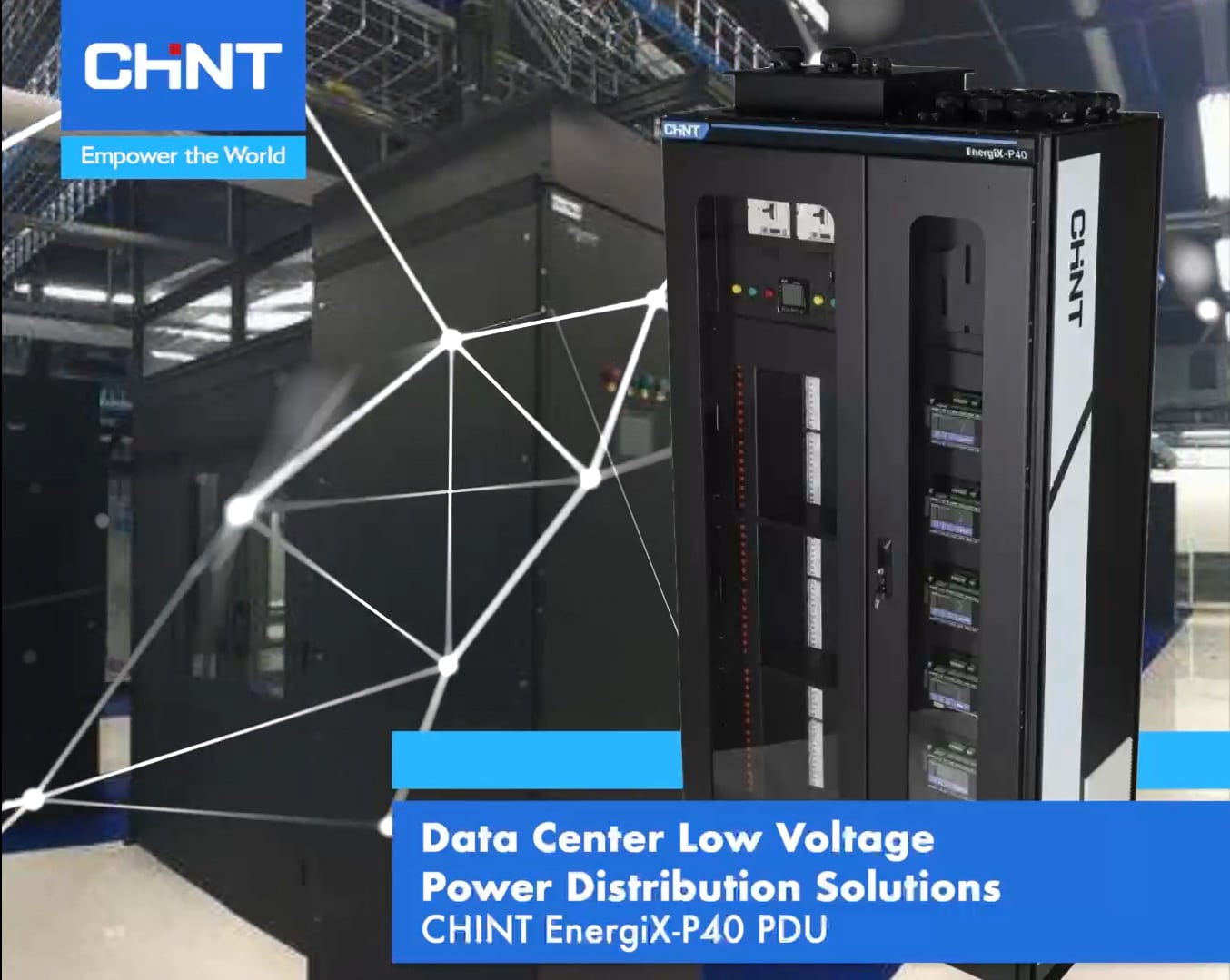
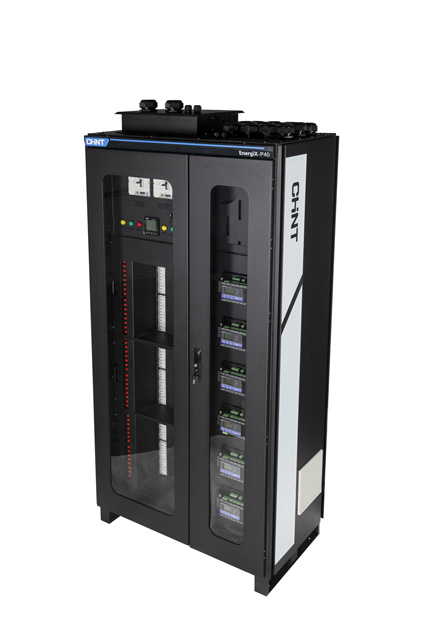
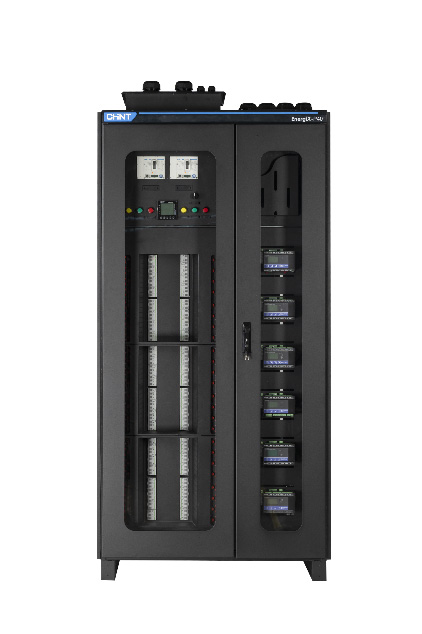
CHINT provides EnergiX-P40 PDUs that are recognized for their quality, reliability, and versatility in various electrical applications. Our data center PDUs are designed to help IT experts meet rapidly growing power demands. They meet relevant safety standards such as UL, CE, and RoHS and come equipped with extra features to guarantee safe power management and distribution. Visit our products page for more information.