

A water pump drive powers systems that transfer water to hard-to-reach areas. There are three primary kinds. These are battery-powered, PTO, and solar drives. In certain situations, each one performs better. This article helps you choose the best option for your needs by comparing them.
What Does a Water Pump Drive Do?
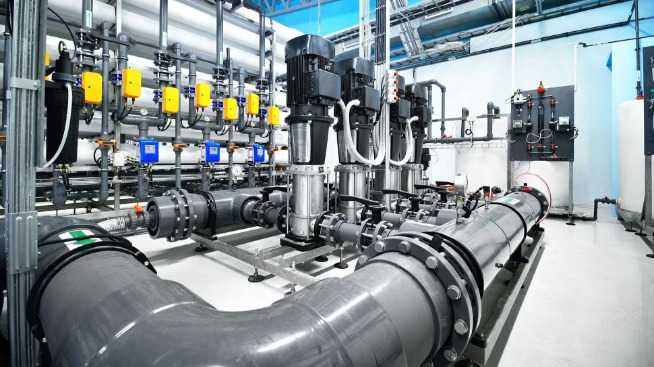
How does a water pump work? This is a question that field technicians and farmers often ask. To start, a water pump drive is what we call a pump’s motor. It gives the power needed to transfer water from one area to another.
Water pumps suck water in using suction and then push it through pipelines. The drive does this by turning electrical or mechanical energy into motion. The pump won't work if the drive doesn't work.
People utilize these drives on farms, in construction, in residences, and distant places. There are different ways to power the pump with each type of drive. It helps to know how drives work while picking the proper system.
PTO-Driven Water Pumps
A PTO driven water pump connects directly to the tractor's power take-off shaft. The shaft that the tractor engine turns gives the pump its power. You don't need a separate engine with this setup. It allows you to transfer water with more power and control, even during longer uses.
These kinds of water pump drive options are durable and have been used in very demanding locations. You can find them on big farms where they need water to flow rapidly and easily. Farmers use them to fill storage tanks, empty ponds, and irrigate their crops. They can do long and hard jobs because they have a lot of power.
There are fewer parts to service because there is no extra engine. This saves time and money on repairs. That's why many farmers choose PTO pumps. The setup works well with the tools you currently own.
There are some things you need to consider if you wish to use a PTO-driven water pump. The tractor needs to work for the pump to work. Without it, the system won't work. There are also constraints on how portable it is. Moving the pump to different areas requires more work. This can be a problem in small fields or spots that are hard to get to.
Even with these disadvantages, PTO-driven pumps are still a solid choice for big jobs.
Battery-Powered Water Pumps
Battery powered pumps employ stored electricity to move water. This means they can be used where there aren't any other power sources. They're easy to carry and set up quickly. A lot of individuals utilize them in crises or when they are off the grid.
These pumps are good for transferring little to medium amounts of water. They work well in home gardens, small farms, and when the power goes out. Because they are small and basic, they are easy to install without much work.
The battery for these pumps tends to burn out faster. Therefore, you have to charge it often, or you might need spares that are ready to be deployed. This can be a problem when you have a lot to do. Also, these pumps don't put out as much power as bigger systems. Because of this, they aren't as good for larger farms or significant water jobs.
Battery powered pumps are still a viable alternative for light jobs and spots that are hard to get to. They are better if rapid access and little power are all that's needed because they are easy to use and portable. They are the best choice if you value ease of use and portability.
Solar-Powered Water Pumps
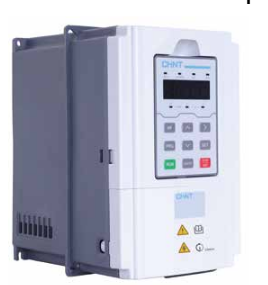
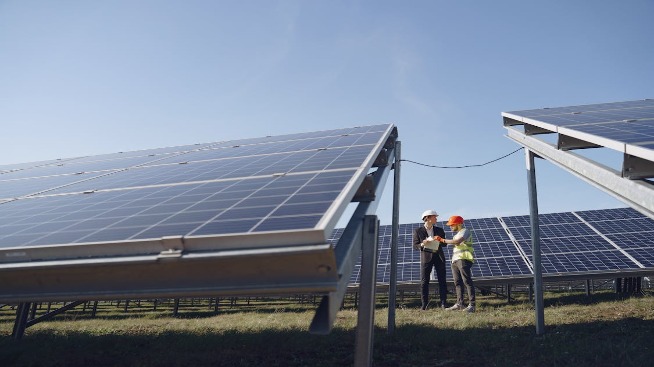
Photovoltaic powered water pump drive options transform sunshine into electricity. The pump runs on this electricity and transports water where it needs to go. These devices are helpful in places where it's hard to get to gasoline or power lines. You can find them on farms, in distant residences, and at livestock stations.
Using renewable energy is one of the key benefits. There is no need to buy fuel, which keeps expenses down. After the system is set up, it doesn't need much maintenance. The parts work silently and don't pollute. They are a good choice for regions that get a lot of sun.
There are some problems. The first is the cost of setting it up. At first, it can be expensive to buy panels, inverters, and pumps. The requirement for sunlight is another problem. The pump's production may go down when it's cloudy or the days are short in winter. You could require backup systems or batteries to keep the water flowing all the time.
CHINT's NVF-PV Solar Pump Drive is a sensible option for fixing a lot of these problems. It works well with solar panels and doesn't need batteries to work. The drive can take both AC and DC input, which makes it more useful. It changes the speed of the pump based on how much light there is, which saves energy and makes the system last longer. This makes it a great alternative for pumping solar energy.
Comparative Analysis of Water Pump Drives
| Feature | PTO-Driven | Battery-Powered | Solar-Powered |
|---|---|---|---|
| Power Source | Power Take-Off | Batteries | Solar Panels |
| Portability | It will take a lot of effort to move around. | Portable | Portable |
| Maintenance | Fewer parts, due to not having an extra engine. | Batteries should be charged before using. Spares are encouraged in case of a low battery. | Minimal mechanical parts that require less maintenance. However, solar panels should be maintained and protected. |
| Operating Cost | Minimal due to not having an extra engine. However, attaching it to a functional tractor might increase the cost. | The cost of spare batteries should be considered. | Minimal, due to fewer parts. However, solar panels tend to be expensive when you need a replacement. |
| Ideal Use Case | Larger-scale use, for jobs that require more power. | For areas with no electricity, smaller-scale use | Medium-scale use and very useful if it’s sunny, as it can store power using the panels. |
Conclusion
A water pump drive is an essential tool if you wish to pump water on farms and fields. You can choose from a PTO-driven, battery-powered, or solar-powered pump. If you want to own a very sustainable and efficient solar-powered pump, you might want to consider CHINT’s NVF-PV Solar Pump Drive.