

Table of Contents |
If you want a home where you can enjoy the comforts that come along with reliable electricity without relying on your local utility company, then an off-grid solar system is perfect for you. This sustainable system does come along with some hefty upfront costs for installation and ongoing maintenance.
Off-Grid Solar System: An Overview
Off-grid solar systems are self-reliant compared to those connected to the public power grid. This type of solar energy system allows your home or office to supply all of its electricity needs without any involvement from the utility company.
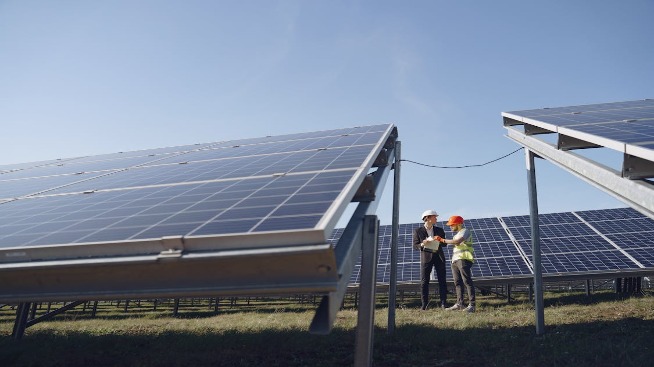
Off-grid systems also utilize photovoltaic solar panels. These are usually mounted in places where they can receive direct sunlight, such as the roof or ground. When initially absorbed, solar power is in the form of direct current electricity. Each system has an inverter. This converts the direct current over to an alternating current which is safer to use at home.
With an off-grid solar panel system, you’ll need to have batteries. These are responsible for harnessing any unused energy when your home or office demands more energy than your solar system is currently producing. When there’s a power out or an emergency, your batteries can serve as your backup power.
Lastly, each solar off-grid system will be fitted with a charge controller. It controls the system’s energy usage and production, preventing the overloading of your solar batteries. Chint Global currently offers two main solar products, which are the AstroSemi and AstroTwins.
Chint Global offers two types of solar panels: AstroSemi and AstroTwins. The AstroSemi panels come in 320 to 455 watts with a maximum VDC of 1,500. Likewise, AstroTwins panels have a range of 325 to 450 watts with a maximum VDC of 1,500.
Both types of panels have a sturdy glass construction and are ready to be installed. When considering the cost of installation, it can be very helpful to purchase pre-constructed panels from Chint Global that can reduce the complexity of your solar system installation.
Related Article: Grid-Tied VS. Off-Grid Solar: Which is Right for You?
Factors Affecting Off-Grid Solar System Cost
Off-grid solar panel system costs vary depending on several factors. These factors include the size of your system, local installation costs, and any additional accessories. The basic setup may cost a few hundred dollars. But for more complex systems, the expenses can reach up to several thousand dollars. Maintenance costs should also be factored in.
The number of solar panels you need will depend on how much power you want to generate. Generally, an average home needs between 17 and 21 solar panels to fully offset utility bills with solar. You can add or lessen the panels based on your budget and energy requirements.
Where your panels are installed will also play a significant role in the installation price of your new system. It’s cheaper to have your panels installed on your roof versus having them on the ground. Talking with an off-grid solar panel system installer is your best option for determining the exact price you’ll pay for installation that meets your specific needs.
Estimating Off-Grid Solar System Cost
When estimating the cost of your off-grid solar system, these are the following factors to consider:
- Energy consumption: Make a list of all the electrical devices you use and check their power ratings. Determine how many hours, on average, you use each device per day. Next, multiply the power rating of each device by the average daily usage hours. Then, add up the results to calculate your daily energy consumption.
- Solar panel capacity: To determine the necessary panel capacity in kilowatts, divide your daily energy usage by the average daily peak sunlight hours. Then, multiply the result by 1,000 to obtain the capacity in watts.
- Determine battery capacity: Multiply the daily energy consumption by the number of autonomy days. Divide the result by the battery’s nominal voltage to get the required battery capacity in ampere-hours.
- Inverter sizing: Choose an inverter with a power rating at least 25% higher than your peak power consumption. This allows for future expansion and ensures the inverter can handle temporary power surges.
- Charge controller sizing: Select a charge controller that can handle the total solar panel output current. Divide the solar panel capacity in watts by the battery bank’s nominal voltage to get the minimum charge controller current rating in amperes.
- Costs: Calculate the costs of each component, including solar panels, batteries, inverter, charge controller, mounting structure, wiring, and other accessories. Additionally, consider the labor costs for installation and any permits or fees required.
- Maintenance and replacement costs: Factor in the ongoing maintenance costs, as well as the replacement costs for batteries, inverters, and charge controllers, which typically have shorter lifespans than solar panels.
By considering these factors, you can estimate the total cost of an off-grid solar power system. However, it’s advisable to consult a professional solar installer for a more accurate assessment tailored to your specific needs and location.
Maintenance and Operating Costs of Off-Grid Solar Systems
For continued efficient energy absorption, it is important to have your solar panels cleaned on a regular basis. Additionally, it is recommended to have a professional conduct an annual inspection of your equipment.
Your off-grid solar system will require regular repairs like other home appliances and equipment. The parts replacement may be necessary every 5 to 25 years, depending on their quality. It’s important to verify the shelf life of components before buying them so that you can plan and budget for eventual replacements.
Before buying your off-grid system, remember to consider the cost of accessories like batteries, inverters, and wiring. These items can increase the overall cost of your system, so it’s important to include them in your budget.
Tips for Reducing Off-Grid Solar System Cost
While the initial cost of an off-grid solar panel system may be high, you can eventually lower expenses by increasing your energy efficiency and decreasing your overall consumption. This can include simple measures like replacing old appliances with more efficient models. Also, replace traditional incandescent bulbs with LED lighting fixtures.
You may also be able to tap into local and federal tax incentives for solar energy systems. Some of these incentives can significantly reduce the cost of installing off-grid solar panel systems.
Conclusion
If you’re thinking of going off the grid, you’re going to need a solar system to support all of your home energy needs. Explore all of your options, like Chint Global’s off-grid solar solutions – AstroSemi and AstroTwins. Both of these systems are cost-effective and highly reliable.