

Electric vehicles have become a smarter/greener choice for mobility needs. With more EVs hitting the roads daily, having convenient and reliable residential EV charger options is essential for EV owners. This guide outlines steps for installation including needs evaluation, electrical checks, siting, use/care, and addressing common queries, allowing you to learn to plan efficiently.
Table of Contents |
Understand Your Charging Needs
Taking time upfront to understand your driving profile and energy needs lays the foundation for a seamless home charging experience.
1. Evaluate Your Driving Habits
Track daily miles driven to gauge charging needs. Observe distances over 2 weeks for accurate data on use. Include long trips in range needs.
- Daily Driving Distance: Verify average driven miles to find if they are under 30 or over 50 miles typically. Over/underestimating impacts residential EV charger sizing and range anxiety.
- Frequency of Charging Needs: Note home charging frequency weekly. Weekend access calls for faster charging vs daily slower options. Consider access effects on installation and budgets.
2. Determine the Appropriate EV Charger
Researching available residential EV charger options based on standard levels and power ratings allows productive shortlisting.
Mode 1, Mode 2, Mode 3, or Mode 4
Thoroughly understanding the connecting and communicating protocols of these standardized modes (1 to 4) supports compatibility with your vehicle and home panel capacities.
Mode 1: Basic charging using a standard household outlet (Single or three phase). Suitable for emergency or occasional use but very slow but without shock protection against DC current. Which is forbidden is some countries as well.
Mode 2: Portable chargers with a control box, typically use a standard outlet (single or three phase ). Compared with Mode 1, Mode 2 charger has built-in protection box which protects against electric shock, which is quite commonly use for emergency purpose.
Mode 3: Dedicated EVSE (Electric Vehicle Supply Equipment) that is permanently installed and hardwired. Protecting shock protection against AC or DC currents. It is preferred means of EV charging.
Mode 4: Direct current (DC) fast charging stations. Uses a CHAdeMO or CCS connector and provides rapid charging, but requires significant electrical infrastructure and is more commonly found in commercial settings
Differences in Charging Power: 7kW, 11kW, 22kW
More powerful residential EV charger solutions (7kw to 22kw) provide faster charging speed. However, they require suitable wiring and panel capacities, and consideration of upfront equipment, and installation costs is prudent.
7kW: Standard for home chargers, capable of charging most EVs overnight. Ideal for daily driving needs under 30-50 miles.
11kW: Faster charging, suitable for EVs with larger batteries or for households with higher daily mileage.
22kW: Very fast for residential use, usually requiring a three-phase electrical supply. Best for households with multiple EVs or high daily mileage.
Protection Your Need
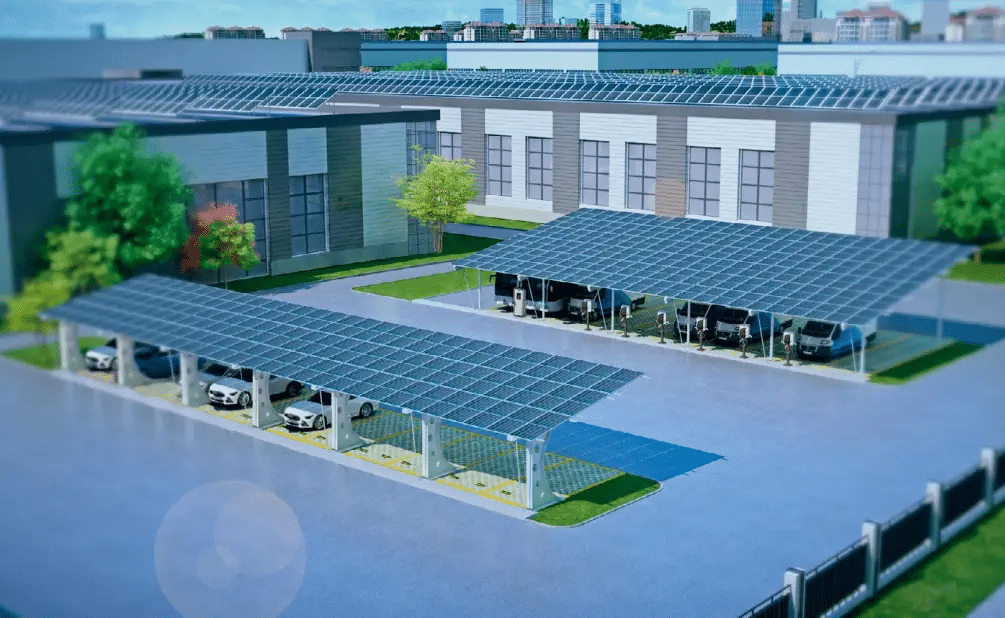
Inspecting your residential EV charger location conditions helps determine if additional safety functions would protect against potential faults or weather hazards.
Assess Your Home’s Electrical System
Properly evaluating your home’s existing wiring and panel capacity is crucial before electric car charger for home selection.
1. Check the Capacity of the Main Electrical Panel
Examine the panel for available amperage headroom taking into account currently used circuits. Most standard panels support up to 100-200 amps. Higher-powered EVSE may require dedicating 60 amps or more.
2. Need for Electrical Panel Upgrades
With inadequate capacity, consider upgrades like sub-panels for charging space or main panel upgrades requiring permits and electricians. Plan to avoid outpacing service cable limits and unexpected expenses due to outages.
Choose the Right Location
Carefully selecting the right residential EV charging station spot streamlines the installation process. Consider these factors:
1. Indoor vs. Outdoor Installation
Indoor positioning provides protection but requires ventilation and potentially longer wiring routing. Outdoor stations need weatherproofing.
Risks of Different Environments
Indoor installation risks heat buildup and wiring obstructions. Outdoor exposes equipment to elements absent proper sealing and covers. Evaluate your climate.
Protection Measures for Adverse Weather Conditions
For outdoor installations, choose a weather-rated enclosure and use a conduit to protect connectors from rain, snow, and sunlight fading plastics.
2. Proximity to the Electrical Panel
A shorter circuit path offers several advantages, so prioritize it. Key benefits include:
Reducing Wiring Costs
Shorter conduit runs or open wiring distances diminish material and labor expenses.
Increasing Charging Efficiency
Close panel positioning suffers less voltage drop over long cable runs which enhances maximum power delivery to the vehicle.
Usage and Maintenance
Proper usage care and routine checks help maximize the lifespan of a residential EV charger. Key recommendations include:
1. Daily Usage Guide
Only operate after fully reading manuals and understanding button functions. Monitor charges and use provided locking mechanisms.
Optimize off-peak electric rates by scheduling overnight charges when possible. Avoid prolonged outdoor port exposure from auto-connected cables.
2. Regular Maintenance and Inspection
Periodic inspections identify worn components, connections, and safe operation before issues arise.
Examine cord grips and conduit fittings. Tighten loose wiring to avoid damage from vibration or extreme temperatures over time.
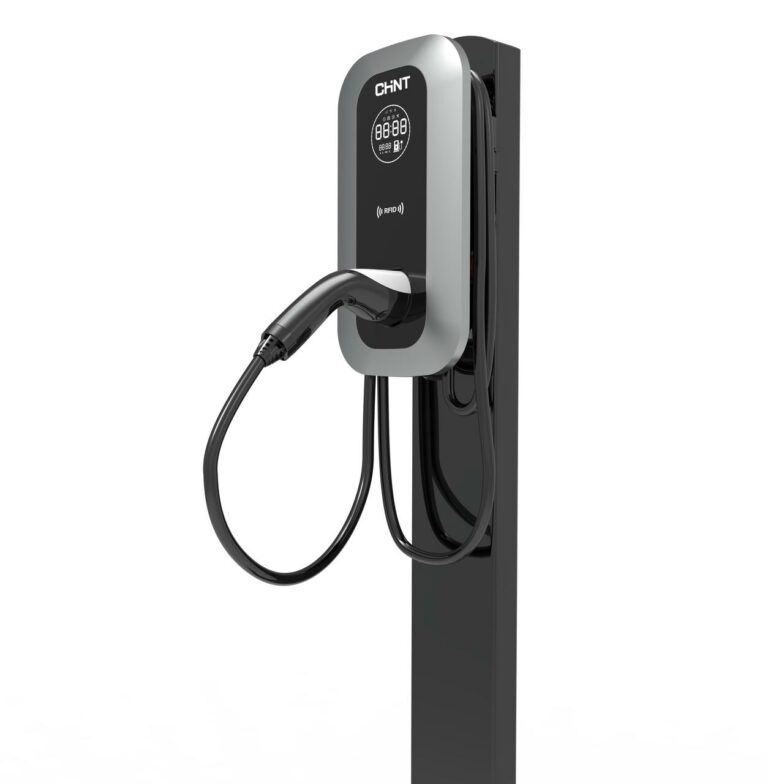
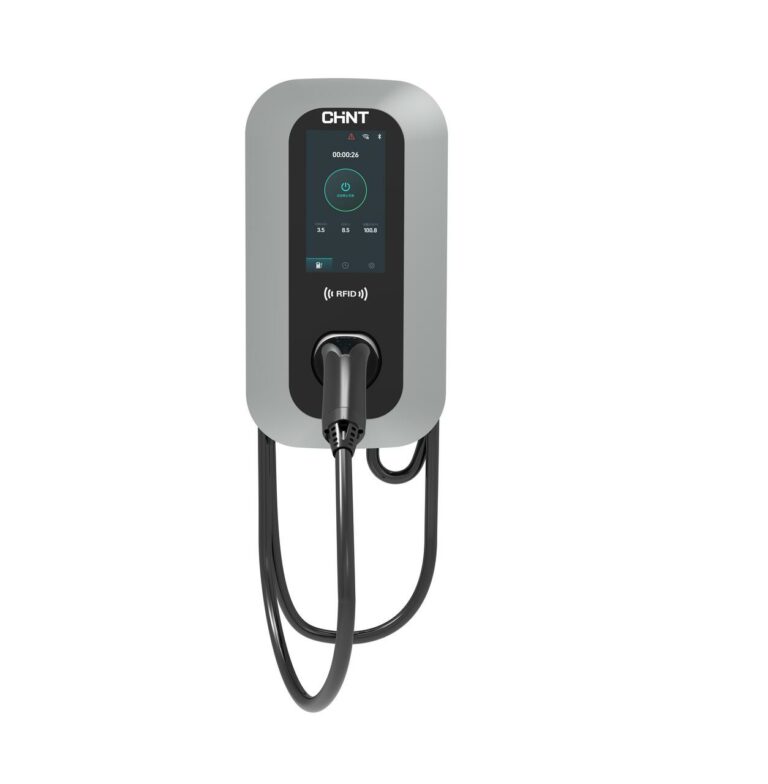
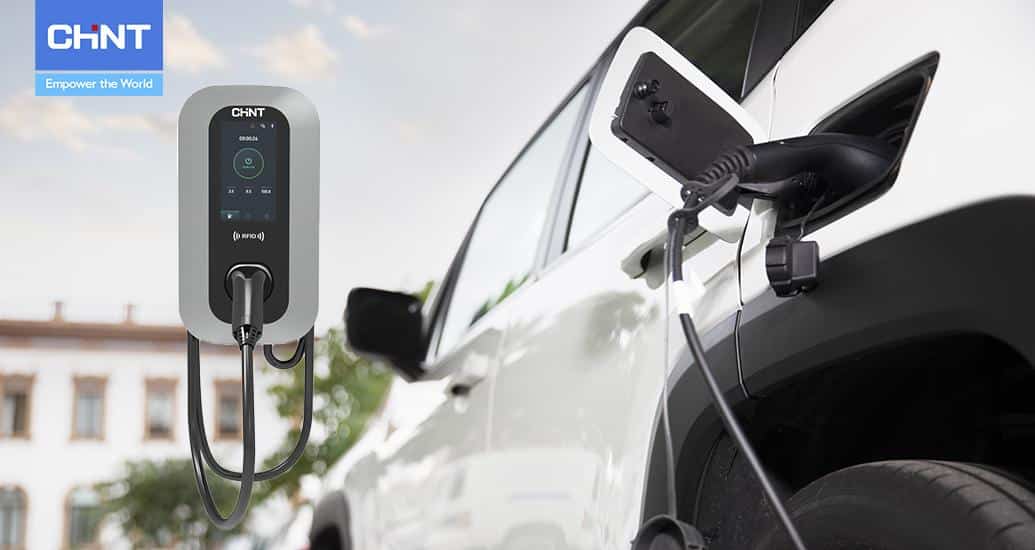
Product Highlight: CHINT EC2A EV Charger (7/11/22kW)
CHINT is a global leader in smart energy technology with years of experience. As a global leader, the brand creates sustainable ecosystems through advanced technology and regional expertise. This CHINT EV charger demonstrates this commitment with premium features, reliability, and integrated solutions. Providing power levels from 7-22kW in a compact and versatile unit, its top characteristics include:
7-inch touchscreen display for easy control and monitoring
Built-in Wi-Fi, 4G, Ethernet, and Bluetooth connectivity
Integrated monitoring of energy consumption
Remote vehicle and charge scheduling via mobile app
Accessing charging data in real-time through the CHINT Cloud platform
Pairing with photovoltaic systems to use solar energy
External meter connection for utility incentive programs
International safety certifications such as CE marking
Conclusion
Proper preparation is key to a smooth residential EV charger installation and optimal electric vehicle ownership experience. By following the above-listed guidelines, you can select a charger tailored to your needs. CHINT offers solutions like the versatile EC2A to seamlessly power EVs through reliable performance.
FAQs
The following frequently asked questions provide useful insight into residential EV charger basics for new electric vehicle owners:
1. What is the Difference Between Mode 2 And Mode 3 Chargers?
Mode 2 chargers are portable and use the domestic wall socket. They operate at lower amperages, providing slower charges (6A-32A or 1,4-22kW). Mode 3 units are hardwired and use a type 2 connector. They support more robust charge currents for high-speed charging (16-32A or 11-22kW or higher).
2. How Long Does it Take to Charge an EV?
Charging durations vary based on battery size plus charger power output. Under 8 hours is typical for a 60kWh EV battery utilizing a 7kW charger. Less powerful 3.7kW home units take significantly longer at 11-21+ hours. Rapid chargers (up to 150kW) can charge an EV battery very quickly. They can charge a 75kWh EV battery within 30 minutes to an hour.
3. How Much Power is Needed for EV Charging at Home?
The amount of electricity a home EV charger uses depends on your EV’s battery size and driving habits. However, we can look at average numbers to provide a general idea.
Given an EV’s average energy consumption of 0.20 kilowatt-hour (kWh) per kilometer (0.32 kWh per mile), we can estimate the energy required for daily commutes.
Average Driving Distance in the US
According to the U.S. Department of Transportation, Americans drive an average of 13,476 miles per year, or 36.92 miles per day. Using the average EV’s energy consumption, a home EV charger would use around 11.82 kWh per day to replenish the range driven. This translates to approximately 354.6 kWh per month and 4,315 kWh per year.
Average Driving Distance in the EU
In Europe, driving habits vary, but the average is around 4,529 kilometers per year, or 12.41 kilometers per day. In this case, a home EV charger would use around 2.48 kWh per day, or 74.4 kWh per month and 905.2 kWh per year.
These estimates provide a general idea of the electricity needed for home EV charging, but actual consumption will vary based on individual driving patterns and EV efficiency.