

Table of Contents |
PV modules, also known as solar panel cells, are the foundation of usable electricity. First and foremost, if your module does not pick up enough of the sun’s radiation, it won’t be able to convert it into usable energy.
This is a term known as module efficiency. We will explore this topic and find out how to maximize module efficiency, compare modules, find the best module for you as well as essential tips for increasing overall efficiency.
What Does PV Module Efficiency Mean?
Photo-voltaic (PV) module efficiency is a rating your module is given to determine how much sunlight it absorbs and converted into usable electricity. This process is very important for understanding how much energy you will receive from the panels. If the module rating is higher, you will subsequently need fewer panels.
Even though the sun produces a lot of sunlight, only a percentage of that can be turned into electricity. In most cases, module efficiency is somewhere between 15% and 18%. This is a dilemma many scientists are currently studying and researching. They are developing new technologies to convert more sunlight into energy.
Which PV Module Has Better Efficiency?
There are a number of PV modules on the market, but you should not consider anything below a 15% efficiency rating. Furthermore, if a manufacturer does not list the efficiency rating at all, that is a red flag.
When purchasing and comparing modules, another prime factor to keep in mind is module efficiency vs cell efficiency. These are two separate entities. While module efficiency determines how efficient a single panel is, cell efficiency measures each square or single solar cell.
Most panels have 60 to 96 cells. It is a wise decision to purchase from a company that has taken the time and effort to thoroughly research and improve their module efficiency as much as possible.
Lastly, it is important to remember that module efficiency is not the only indicator to look for. Less efficient solar panels will take up more area, however, that doesn’t mean they should be eliminated off the bat. Strive for the highest efficiency rating possible while considering overall performance, warranties and budget.
How to Maximize PV Module Efficiency
A question customer often have is “How can I maximize my solar PV module efficiency?” The answer is simple, yet vast. There are numerous actions you can take to maximize the efficiency of your solar panels. Let’s take a look at the most common methods listed below.
Hire Expert Solar Installation Technicians
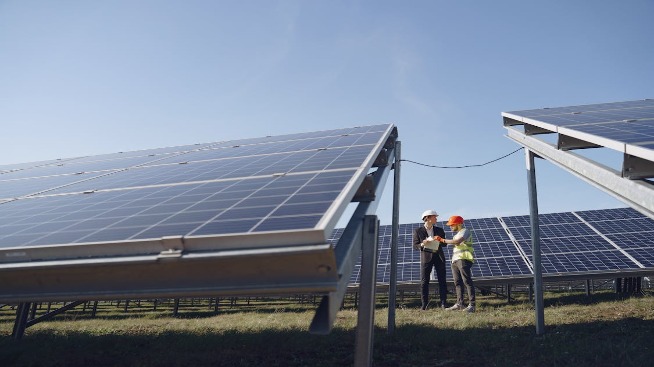
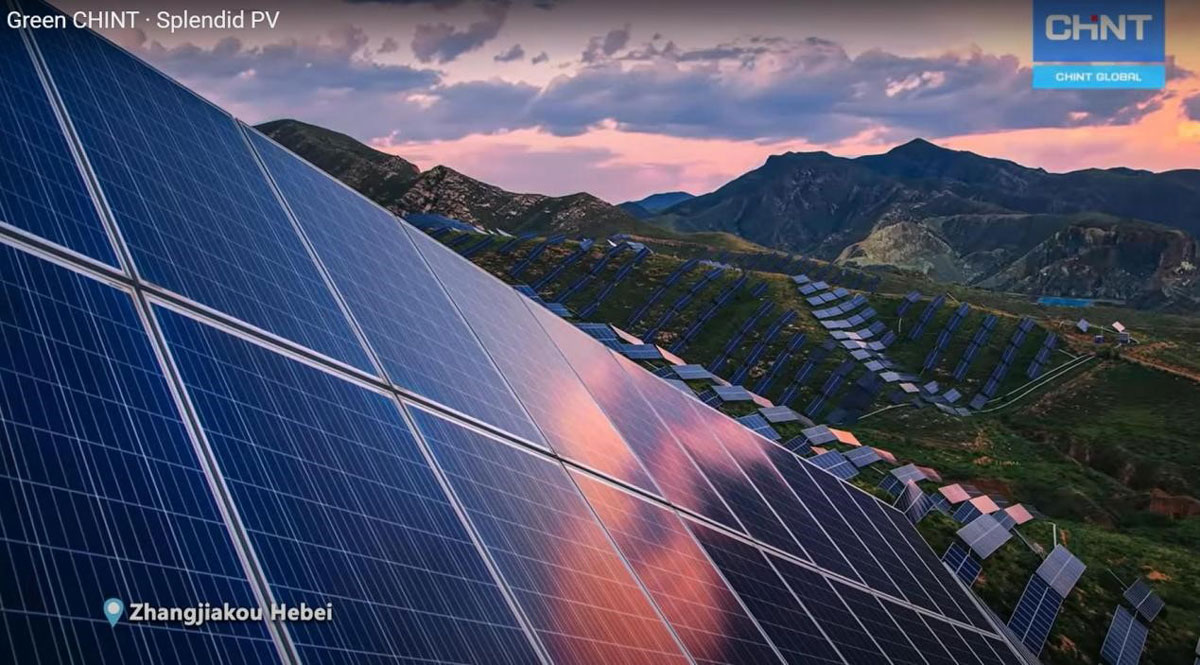
One of the leading factors to a high-efficiency rating is how the panels were installed to begin with. During installation, angle and orientation play prominent roles in how much or how little of the sun’s radiation is absorbed and converted. Furthermore, there needs to be a specific amount of space between the roof and the panels. All of these small elements require an expert technician with plenty of experience.
Clean the Panels
Dirt on the surface of the panel will lower its efficiency. Rainfall naturally combats this and washes dirt and debris. However, you can hire someone to help clean them.
Use Energy During the Sun's Peak
Since solar panels are absorbing sunlight, it makes sense they wouldn’t be able to generate power at night. By taking advantage of the panel’s efficiency during daylight hours, you can optimize. Make sure to follow a few protocols such as charging electronic devices to full capacity, adjusting heating and cooling systems and minimizing overall power wasted.
Use Solar Trackers
Solar trackers are devices that trail the sun and increase the level of sunlight for conversion. Sunbeams have more energy when they hit the earth directly rather than indirectly. Tracking enables exposure to higher levels of the sun’s energy.
Backup Battery and Energy Storage
The stored energy from solar panels is great for use at night. This reduces high electricity bills. The stored energy can even be used in the case of a blackout.
Strategic and Careful PV Panel Placement
The placement of PV panels is a major key to module efficiency. Angle and orientation are everything when it comes to installation. Angle tilting is perhaps the most important, ensuring panels receive full sun exposure without ceasing.
How Do You Calculate PV Module Efficiency?
Calculating solar PV module efficiency is simple and typically done in percentages. The formula requires you to multiply the amount of sunlight that will contact the earth’s surface in your specific location by the area of your home’s panels. In simpler terms, multiply the incident radiation flux by your panel’s area in square meters.
In order to complete PV module testing, simply put your panel in full sunlight and select either “volts” or “amps.” Then, read your multi-meter accordingly.
CHINT PV Module
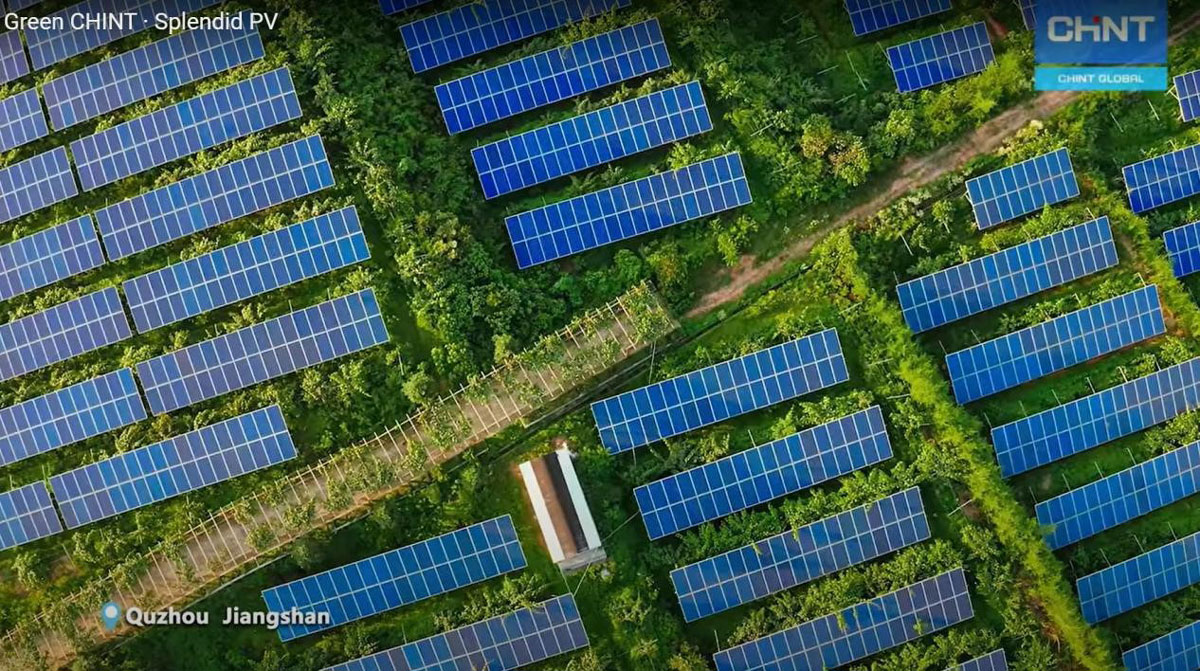
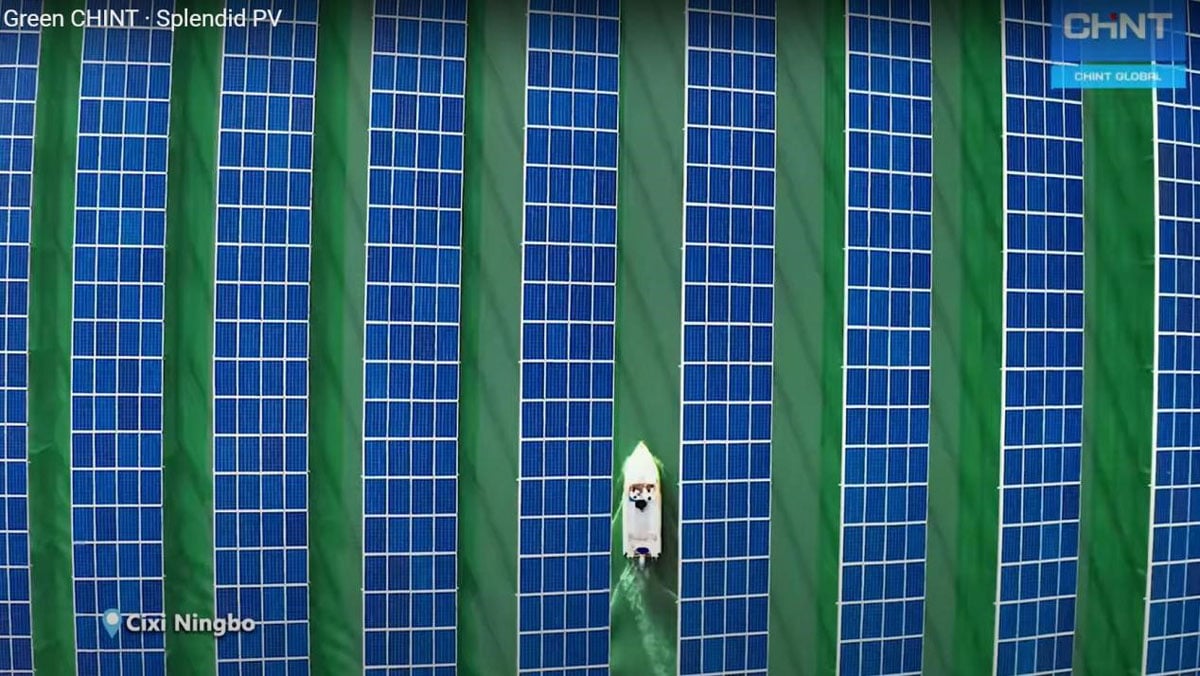
CHINT’s PV Module products are top-tier and offered by a company with a proven track record in the smart energy sector. With a focus on clean energy, CHINT has been able to craft exceptional products with quality and integrity in mind. Their modules include models with varying power ranges, maximum voltages, frame thicknesses and glass thicknesses. This includes their AstroSemi and AstroTwins models.
Wrapping it Up: Maximizing PV Module Efficiency the Right Way
Now that you have insight on how modules work, how they become highly efficient and strategies to improve their overall performance, let’s summarize a few of the most important points.
First, all PV modules (solar panels) need adequate sun exposure to convert raw sunlight into usable electricity for your home or business. Secondly, hiring a skilled and experienced technician to install your panels is critical as well as cleaning them when dirty to improve exposure.
Lastly, energy storage is key to lowering your electricity bills and supplying power during a blackout. CHINT PV Modules are best known for providing direct conversion of solar radiation to usable electricity for your home or business. They have premier quality standards and ethics after 30 years in the smart and sustainable energy sector.