

Table of Contents |
A variable frequency drive, or VFD, is a device that manages the speed of an AC induction motor. VFDs are used when a motor may not always need to run at full speed and can help save energy and increase the efficiency of these motors.
Many VFDs are on the market, making it challenging to know which one is the best. When it comes to VFD selection, there are several factors to consider. Below are six considerations to help you choose the best drive for your situation.
Variable Frequency Drives: Quick Overview
VFDs work in conjunction with a motor to control the motor’s speed. VFDs use voltage and frequency to manage a motor’s RPMs. They use a converter and a capacitor to convert and manage AC and DC power, thus regulating the motor’s RPMs.
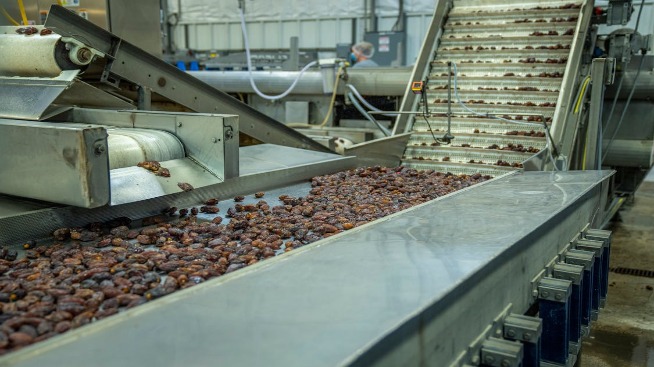
VFDs provide many benefits in many industries, making them a worthwhile purchase. Many industries, like manufacturing, agriculture, and more, use VFDs. Motor regulation ensures that motors do not run more than is needed, helping with energy consumption, and help with process control, helping industries run more effectively. VFDs can also increase the lifespan of the equipment.
How Do You Select a Variable Frequency Drive?
VFD can provide many benefits to your equipment, energy consumption and production. However, choosing the correct drive is essential to getting the most out of your device. Below are some of the most important factors to consider before deciding on a product.
1. Installation Environment
One of the first things to consider is the workplace environment where you’ll install the drive. If you choose the wrong drive for your environment, you likely won’t get to maximize the benefits. You’ll need to consider whether you plan to use it indoors or outside.
For an indoor environment, consider humidity levels, temperature and air quality. If you’re working with harsh chemicals or in high temps, you’ll want to look at VFD suited to these environments.
For outdoor VFD, you’ll want to consider what elements the drive will be exposed to and whether it will be in direct sunlight.
2. Motor Rated Current, Voltage and Frequency
It’s insufficient to match a variable frequency drive to a motor’s power rating. You should also consider the motor’s specs and rating, particularly the current, voltage and frequency. These factors help determine whether the drive can handle higher and lower loads. By ensuring that you have well-matched VFD and motors, you’ll be able to run your motors at peak performance.
To ensure proper performance, you should also ensure that the VFD’s ratings match your power supply capabilities.
3. Torque Requirements
Different motors will have additional torque requirements. Some have largely varied needs based on whether they’re starting up, slowing down or running at peak capacity. You should look for a VFD that provides torque at least at the peak running speed of the motor.
4. Motor Type
Not all motors work well with all VFD, and some motors may not need one. Most induction motors will work in conjunction with VFD.
VFDs are mandatory with permanent magnet synchronous motors (PMSMs), as these motors cannot start independently. Certain VFDs are designed with PMSMs in mind and have unique features to improve their operation.
5. Duty Cycle
Consider the duty cycle of your motor. Does it have one running speed, or does it vary between low and heavy-duty cycles? Some VFDs are not capable of managing heavy-duty loads for long periods.
Others don’t function well with extended light-duty cycles. Some VFDs are designed for motors that have more extended periods of light duty or are idle. Be sure to choose a power rating that matches your duty cycle.
6. Speed Regulation
Depending on your type of motor, speed regulation may be a factor. You’ll need to consider whether you need a drive that can maintain a consistent speed or if some variation is allowed.
You will also want to consider how different VFDs react to changes in speed. Some are designed with variations in mind and can regulate much more efficiently.
7. Type of Application
Finally, you need to consider the type of application. Each motor and setup is unique, and some have special requirements that VFD must account for. You should determine the kind of load your motor will produce. For those frequently running heavy-duty loads, you’ll need to look at VFD capable of handling heavy-duty.
Chint Global VFD Products
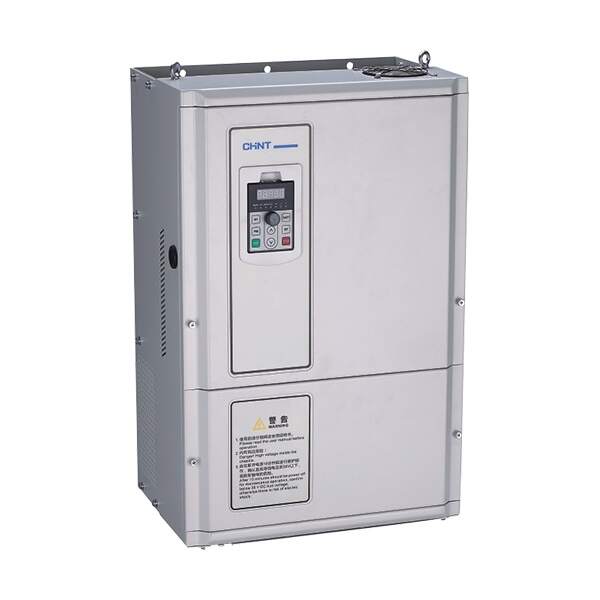
Chint Global offers a range of variable frequency drive products to help you maximize the potential of your motors. One such product is the NVF2G Inverter, a high-efficiency open-loop vector inverter. It offers many features to suit a range of uses, including 0.5 Hz starting torque, forward and reverse PID, and a high capacity for overload.
The NVF2G works in various situations, including mini or general type or fan and water pump type. Many industries can benefit from the inverter, including water supply, printing and dyeing, cement, chemical, plastic manufacturing, and more.
Chint also offers other inverters, including the NVF3M Series Inverter and the NVF2G-S General Inverter. These feature more control capabilities and higher capacities.
Conclusion
VFD selection is crucial to getting the most out of your motor. When you choose the right variable frequency drive, you can maximize efficiency, save energy and ultimately save time and money.
Chint Global offers a wide range of VFDs to suit various needs and situations. Be sure to check out our products to see what we have to suit your unique situation. Please contact our team to help you configure the best setup for your business.
FAQ about Variable Frequency Drive
How is a variable frequency drive installed?
What are the potential problems associated with variable frequency drives?
How can the lifespan of a Variable Frequency Drive be extended?