

Table of Contents |
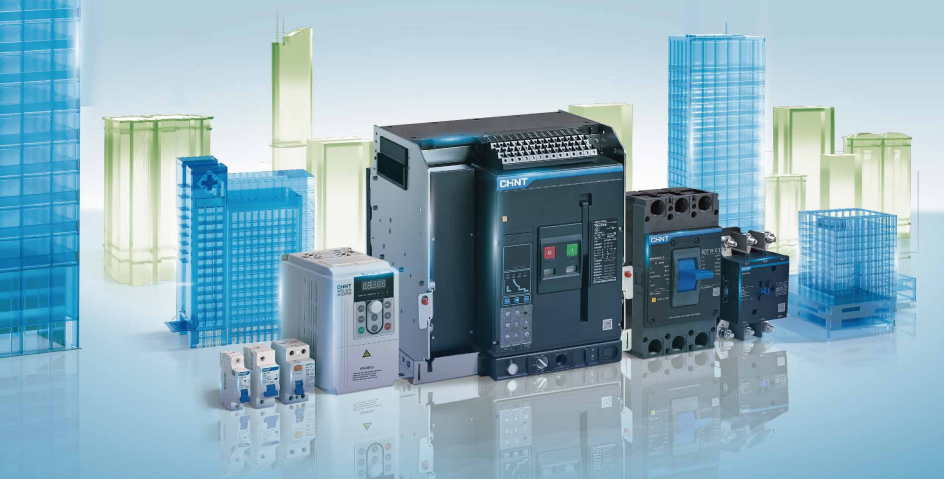
Air circuit breakers are valuable electrical devices. They are used in power distribution systems to provide needed protection. They are especially great against overloads and short circuits. ACBs physically separate contacts to stop the flow of current when a fault is detected. Regular air circuit breaker inspection/maintenance is crucial. It helps ensure the reliable and safe operation of electrical networks.
The Essentials of Air Circuit Breakers
ACBs function by extinguishing the arc generated upon contact separation using pressurized air. The arc is stretched and cooled by air movement within specialized chambers to facilitate current interruption. The pressurized airflow of an air circuit breaker effectively elongates and cools the electrical arc via natural physical principles. It breaks the circuit rapidly. This mechanism is highly effective. It ensures quick and reliable interruption of electrical current during fault conditions.
Air circuit breaker devices are very versatile. This aspect makes them crucial in various industrial and commercial settings. Key uses include:
- Powering Motors and Transformers: ACBs provide critical safety disconnection for large electrical equipment. They prevent significant damage.
- Switchgear and Busbars: These devices enable precise isolation of electrical components. They facilitate safe maintenance procedures and system reconfigurations without complete power shutdown.
- Commercial Buildings: Air circuit breaker devices are valuable in commercial buildings. They protect critical infrastructure like lighting circuits, HVAC systems, and emergency power networks.
Common Issues of Air Circuit Breaker Failure
Air circuit breakers feature a robust design. Still, they can experience several critical failure modes. These issues can compromise their performance and reliability. Understanding them is key to solving them and preventing unexpected electrical system disruptions. Common issues of ACB breaker failure include:
1. Contact Wear
Repeated arcing erodes ACB contacts over time. Excessive wear can prevent proper contact and cause failure to interrupt faults. Contact degradation reduces the ACB’s ability to break. It can then fail to make electrical connections efficiently. The erosion process can create uneven contact surfaces. This increases electrical resistance and potential heat generation.
2. Insulation Degradation
Exposure to dirt and moisture degrades insulating materials. It lowers dielectric strength. It increases the risk of shorts and flashover. Microscopic cracks can develop over time as a result. This compromises the insulation’s protective capabilities. Environmental stressors have a strong negative impact. They can potentially lead to catastrophic electrical failures.
3. Overheating
Frequent operation builds up heat. Excessive ambient temperatures accelerate the aging of components. This can eventually cause thermal failures. Heat can cause material expansion and contraction. It leads to mechanical stress and potential structural weakening. Prolonged exposure to high temperatures can compromise the ACB’s internal components and overall performance.
Air Circuit Breaker Maintenance Checklist
Routine inspection and tests ensure trouble-free breaker operation. The following are key ACB breaker maintenance tasks:
1. Visual Inspection
Check for signs of damage, wear, and loose connections. Components should be clean and functional. Look for discoloration and corrosion. Check for any physical damage to external and internal components. Inspecting mounting hardware and connection points is crucial too. Check any visible mechanical linkages for signs of wear or misalignment.
2. Cleaning and Lubrication
Next is vacuuming dust and dirt. Lubricate moving parts to prevent sticking. Remove accumulated debris. It can interfere with mechanical operations. Using specialized cleaning agents is recommended to avoid contamination. They are designed for electrical equipment.
3. Contact Inspection and Testing
Inspect contacts for wear, pitting, or burning. Check contact resistance. Replace if out of tolerance. Make sure to use specialized contact analysis tools to measure surface conditions. Evaluating contact alignment and symmetry is also crucial. It helps ensure optimal electrical performance.
4. Insulation Resistance Testing
Use a megohmmeter to test the integrity of the insulation. Record values for baseline data and trends. Then compare current readings with previous measurements. The aim is to detect gradual degradation. Identify potential weak points in the insulation system before they become critical failures.
5. Mechanical Operation Check
Manually cycle breaker open/closed. Make sure that the operation is smooth and adjust linkages if needed. Check for any binding or resistance during movement. It is recommended to verify the trip mechanism’s responsiveness and mechanical integrity as well.
6. Electrical Performance Testing
Next on the checklist is hi-pot testing. Conduct it and check trip unit settings and timing to verify to specifications. Perform comprehensive electrical performance assessments. Finally, validate the ability of the air circuit breaker to interrupt fault currents under various conditions.
7. Environmental and Safety Considerations
The last step is to assess the work area for safety. It is recommended to use proper PPE when testing or handling breakers. Make sure to follow site HV safety rules when proceeding. Implement appropriate lockout/tagout procedures. Lastly, ensure proper grounding and discharge of stored electrical energy.
Conclusion
Regular maintenance keeps air circuit breaker devices operating reliably for the protection of personnel and electrical assets. Proactive maintenance strategies can significantly extend the life of ACBs and prevent unexpected failures. Understanding the complex details of ACB maintenance is hence crucial. At CHINT, we offer durable, high-quality air circuit breakers to meet application needs across industries. Visit our website to explore our extensive CHINT ACB product line and get in touch with our experts for any inquiries.