

Table of Contents |
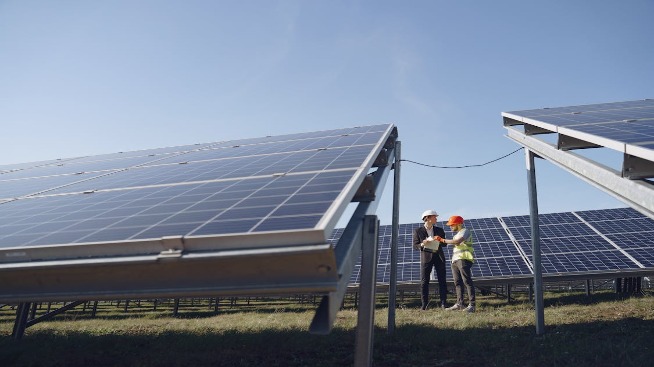
BIPV, or Building Integrated Photovoltaics, is an effective method for allowing buildings to generate and use solar power without taking away from aesthetics. BIPV will enable buildings to incorporate photovoltaic elements directly into the structure. They are an alternative to BAPV systems, which add PV elements to an existing structure.
Because of their many benefits, many contractors and designers use BIPV solar panels and equipment to develop energy-efficient, aesthetically-pleasing buildings. Below, we’ll dive into ways BIPV helps improve your project.
Features of BIPV
A Building Integrated Photovoltaics System (BIPV) puts all the necessary equipment for solar energy directly into a building’s materials instead of using additional equipment. Integrated elements allow buildings to maintain design features and often allow for more surface area for solar panels.
PV elements are often incorporated directly into the roof or facade of a building. While structures may use BIPV as a standalone, off-grid power source, most opt to use it along with grid electricity.
Most BIPV products use one of two types of PV solar cells: thick crystal or thin-film products. Thick crystal cells are made of crystalline silicon in individual or poly-crystalline sheets. Thin film products use layers of PV active materials coated on glass or metal. Currently, thick crystal products produce more power, while thin film is cheaper.
Several other components also make up a BIPV system. Standalone systems use a charge controller to control battery storage power. Systems connected to the grid will have a power storage system in the grid, while standalone systems will have batteries.
As the energy produced is DC, systems use an inverter to convert to AC power. Standalone systems may also include a generator for backup power.
What Does BIPV Mean in Solar?
While many business owners acknowledge the need for and potential for solar power, they may be reluctant to adopt it for several reasons. BIPV can alleviate some of their concerns, particularly with aesthetics and space.
Since BIPV is often seamlessly integrated into the structure, designers can maintain or even enhance the look of a building. BIPV also eliminates the need to include space for bulky PV equipment.
There are several methods for incorporating BIPV in a structure. Designers and contractors choose based on factors like the type of building, energy needs, and location. The goal is to find a balance between efficiency and aesthetics.
Contractors often integrate BIPV into the roof architecture of a building. It can replace traditional shingles or metal roofing. Windows and other parts of the facade are another popular option. The roof may not provide enough surface area for large buildings to meet energy needs.
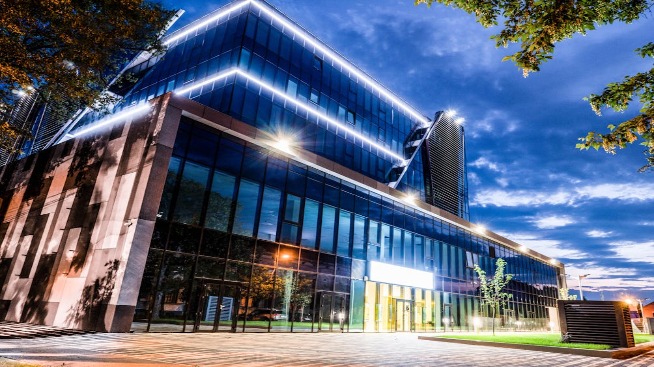
The facade allows for a much larger surface area. If a building is the tallest structure in the area, it will often have access to ample sunlight. Structures may incorporate BIPV in more interesting features, like skylights and awnings.
Costs of Adopting BIPV
One drawback of BIPV is that it is more costly than other PV methods. However, the costs replace the costs of other building materials while also including PV costs. It can help businesses save money over time. Additionally, since people are likely to adopt BIPV, the environmental benefits far outweigh the costs.
Costs associated with BIPV include materials, installation, and maintenance. The upfront costs of BIPV may seem daunting, as it is higher than the cost of BAPV and significantly higher than traditional materials.
BIPV materials are often more durable than others, so maintenance and replacement costs will be less over time. BIPV installation may be more expensive than BAPV; however, with BAPV, you must pay for two sets of materials and installations, i.e., roofing and solar equipment. BIPV is one cost for each.
Over time, BIPV can produce generous savings, often offsetting the upfront costs. Because there is a lot of potential in the market for BIPV solar solutions, costs are expected to decrease, and efficiency will increase.
BIPV's Impact on Sustainable Construction
BIPV’s most significant benefit is its contribution to sustainable construction. Alternate energy sources, like solar energy, are known to reduce greenhouse gasses and carbon emissions effectively. BIPV helps bridge the gap between environmental concerns, building functions, and aesthetics. It helps make buildings energy efficient without sacrificing aesthetics.
As designers and contractors develop more buildings with BIPV and more existing ones adopt it, the negative environmental impact of commercial operations decreases. Plus, the amount of savings can be huge as commercial structures tend to use more energy compared to residential.
As the construction industry adopts more sustainable practices, business and economics can continue to progress with less environmental harm. BIPV, along with other sustainable construction solutions, will help create positive changes in the environment.
Conclusion
As solar becomes an ideal alternative to energy, businesses can rely on BIPV to incorporate clean energy generation into their operations efficiently.
Chint Global is committed to providing sustainable energy solutions to help both businesses and the environment. Our BIPV products enable companies to become more energy efficient while helping them maintain their structure’s main functions and style.
Be sure to check out our wide range of solar products. You can also contact us to help you find the best energy solutions for your unique situation and needs.
FAQ about Building Integrated Photovoltaics
What types of buildings are suitable for Building Integrated Photovoltaics?